Why Dubai’s Island Developments Matter for the Future of Urban Investment
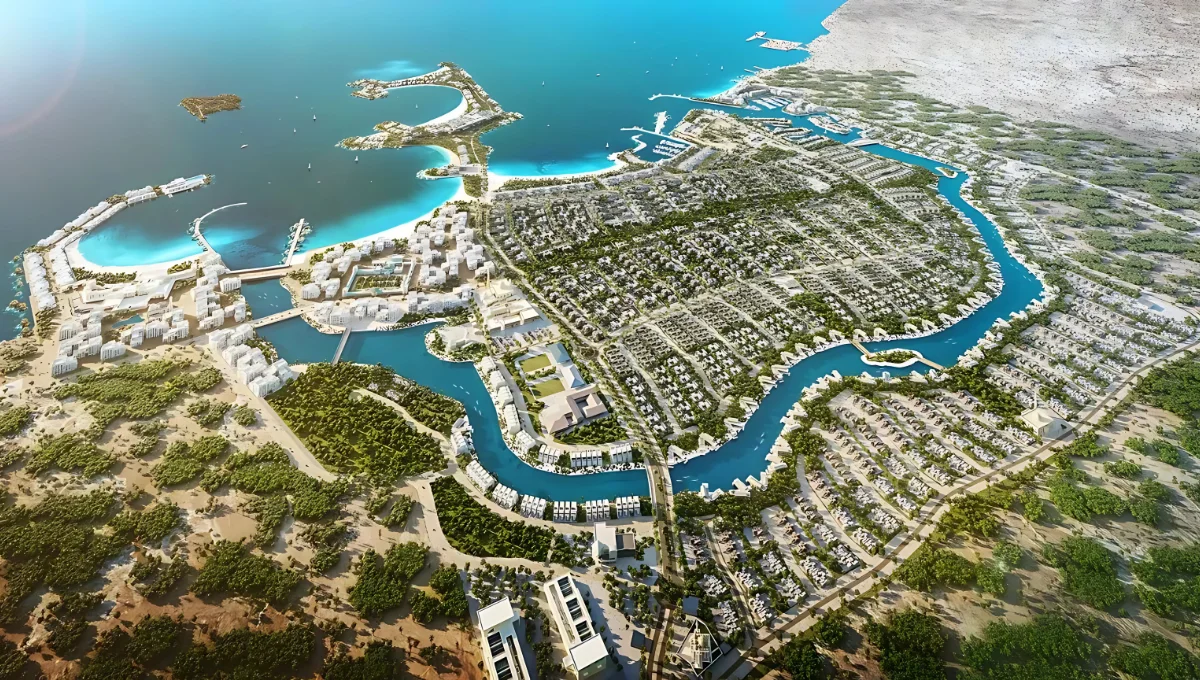
As global cities continue to adapt to population growth, climate pressure, and shifting economic patterns, coastal expansion is no longer a luxury—it’s a necessity. In response, some of the world’s most ambitious urban development strategies are turning to artificial islands as a scalable, long-term solution for sustainable growth.
Nowhere is this trend more apparent than in Dubai, where city planners and developers are using man-made islands to reimagine the urban landscape. Dubai Islands, a massive new coastal project launched by Nakheel, exemplifies this shift. More than just a real estate venture, it’s an investment-led strategy aimed at transforming how people live, work, and generate value in coastal environments.
Among the initial projects announced, Bay Grove Residences by Nakheel reflects the city’s renewed focus on mixed-use urban planning that supports both livability and return on investment.
Meanwhile, Zephyra Dubai, one of several planned residential communities, represents the ongoing demand for lifestyle-focused housing with access to water, wellness infrastructure, and future business opportunities. These developments highlight a broader movement: coastal expansion as an economic growth engine.
Artificial Islands: A Strategic Urban Tool
Artificial islands are not new to Dubai. The Palm Jumeirah and The World Islands are among the city’s best-known global icons. However, the latest generation of island projects is more strategic in nature. They are designed not just to attract tourists or wealthy second-home buyers, but to support long-term urban needs and economic resilience.
Key advantages include:
-
Controlled urban design: Starting from scratch allows planners to implement smarter zoning and infrastructure from day one.
-
Climate adaptability: Elevated platforms, resilient materials, and water-sensitive design help mitigate the risks of rising sea levels and heat stress.
-
Mixed-use potential: Combining residential, retail, hospitality, and commercial zones creates self-contained economic ecosystems.
-
High investor appeal: Waterfront property typically holds higher value over time, especially in growing markets like Dubai.
These factors turn artificial islands into platforms for urban experimentation and long-term value creation—especially when executed at the scale of Dubai Islands.
Dubai Islands: More Than Just Waterfront Living
Unlike earlier projects focused on signature architecture or tourism, Dubai Islands aims to serve as a complete extension of the city. With a total of five interconnected islands, the development is designed to accommodate residential communities, cultural centers, hotels, marinas, parks, and business hubs.
This diversification is critical. By enabling both lifestyle and commercial activity, the project builds in natural economic resilience. It also allows for scalable infrastructure investments—from transportation and energy to healthcare and education—making it more attractive to residents, businesses, and investors alike.
Importantly, Dubai Islands is connected to the mainland by a newly constructed bridge, making commuting and logistics feasible without isolating the district from the city’s core economic zones.
Why Investors Are Paying Attention
For real estate investors, especially those seeking medium- to long-term opportunities, Dubai Islands represents a unique proposition:
-
Location premium: Waterfront units generally command higher market and rental value, and Dubai’s tax-free environment further strengthens ROI potential.
-
Government support: The project is backed by a clear urban strategy aligned with Dubai 2040 Urban Master Plan, giving institutional investors confidence in regulatory stability and continuity.
-
Developer credibility: With Nakheel leading the development, the project benefits from a trusted track record in delivering large-scale master-planned communities.
-
Rental demand: As Dubai’s population grows and remote work reshapes location preferences, demand for homes in decentralized, well-serviced districts is expected to increase.
Long-Term Urban Value: Beyond Real Estate
What sets Dubai Islands apart is that the return on investment isn’t limited to residential sales. The development supports multiple sectors that contribute to urban economic growth:
-
Tourism and hospitality: Beachfront resorts, marinas, and leisure spaces drive steady tourism inflows.
-
Retail and services: Community malls, dining zones, and wellness centers create recurring revenue streams.
-
Knowledge economy: Space for schools, training centers, and innovation hubs supports the city’s wider diversification goals.
In this context, real estate is just the entry point. The islands function as economic clusters capable of producing, attracting, and retaining value in multiple forms.
Managing the Risks
No large-scale coastal development comes without risks. Artificial islands carry environmental, logistical, and financial complexities that can affect both timelines and returns.
Key considerations include:
-
Ecosystem impact: Developers must comply with environmental regulations and implement mitigation strategies to protect marine life and coastal dynamics.
-
Construction costs: Building on reclaimed land is more expensive and technically demanding than inland projects.
-
Market saturation: Careful phasing is needed to prevent oversupply in the high-end property segment.
Dubai’s experience with earlier island developments offers valuable lessons in addressing these challenges, from coastal engineering to market positioning and phased infrastructure rollout.
What It Means for Urban Investment Trends
Dubai Islands reflects several trends that are shaping the future of urban investment globally:
-
Shift toward mixed-use and self-contained districts
-
Increased value on quality of life and public realm integration
-
Use of master planning as an investment signal
-
Strong alignment between private development and public policy goals
As global investors seek stable, high-yield assets in growing markets, large-scale coastal projects like Dubai Islands offer both risk-managed entry points and strategic long-term upside.
Dubai’s island developments are not just feats of engineering—they’re evolving into high-performance urban systems. Dubai Islands is positioning itself as a blueprint for how coastal urbanism can intersect with business strategy, infrastructure planning, and investor demand.
In a world where urban expansion must balance resilience, livability, and economic viability, developments like these are no longer optional—they’re essential. For investors, developers, and policymakers alike, Dubai’s coastal projects offer a compelling look at the future of urban opportunity.