Want the Best Drugstore Sunscreen? Here’s What to Know
TL;DR: A good drugstore sunscreen is SPF 30 or higher, broad-spectrum, and one you’ll actually wear. Mineral formulas with zinc oxide or titanium dioxide give safe, reliable protection without the extra chemicals.
Shoppers often wonder if price really makes a difference with SPF. The truth is, it doesn’t have to. The best drugstore sunscreen can protect just as well as expensive brands, as long as you know what to look for. Sun protection isn’t about glamor packaging or boutique counters, rather it’s about the right formula used consistently.
The drugstore aisle can be overwhelming, though. Rows of bottles promise hydration, invisible wear, and sport-ready endurance. Some deliver, some don’t. Understanding what kinds of sunscreens are out there lets you pick one that protects without overspending.
What makes a product the ‘Best Drugstore Sunscreen’?
So, what does a product have to have inside in order for it to be considered for the title of best drugstore sunscreen? Well, it has to tick a few boxes before anything else. It should cover both UVA and UVB rays, provide a high enough SPF rating, and be something you’ll actually wear every day.
That last point matters more than people think. A sunscreen that feels heavy or chalky will sit in a drawer. The key features to check are:
- Broad-spectrum protection against UVA and UVB
- SPF 30 or higher for everyday outdoor exposure
- A texture that works with your skin type and lifestyle
These are the basics that separate a dependable product from one that just sounds good on the label. If they don’t offer this, then you need to move and find an option that does. Otherwise, you’re simply leaving yourself exposed.
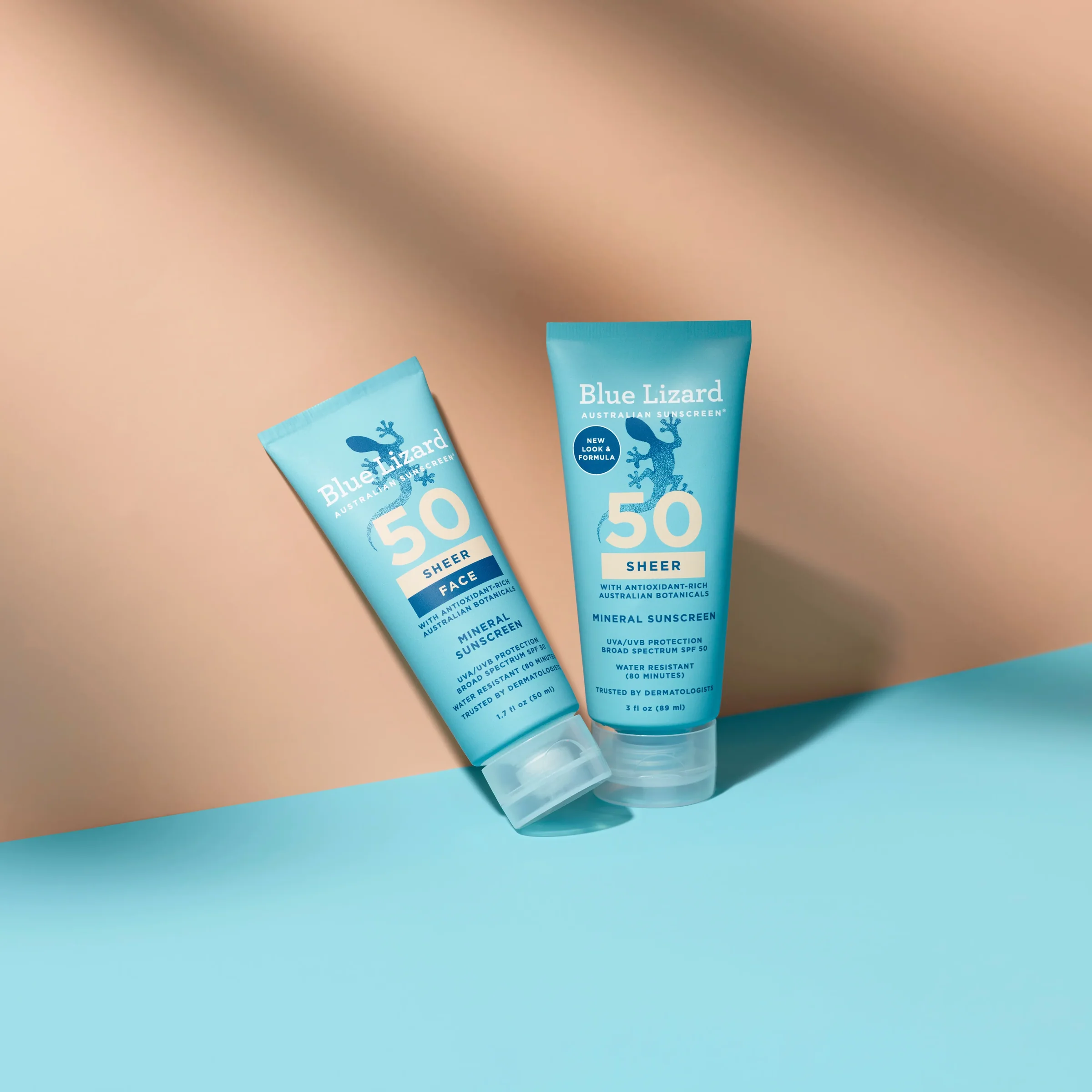
Do some research and you’ll soon see that it’s mineral brands like Blue Lizard that meet all of these needs. They offer all of the above in a form that’s kinder to your skin and the planet.
The Ingredients to Look For When Buying
The active ingredients in sunscreen make all the difference. Mineral filters like zinc oxide and titanium dioxide are widely regarded as the safest and most effective. They sit on the surface of the skin and reflect harmful rays away.
What you don’t want to see are certain chemical filters, especially oxybenzone and octinoxate. Both have been linked to irritation and environmental damage. Other additives such as parabens, heavy fragrances, or vitamin A derivatives are best avoided, particularly for sensitive skin.
Getting the Most From Your Drugstore Sunscreen
Once you’ve picked the right product, how you use it is just as important. Many people think a quick dab is enough, but in practice you need more. Dermatologists recommend a shot-glass amount for the whole body and a ¼ of a teaspoon for the face.
Other points joggers, beachgoers, and everyday users should keep in mind include:
- Mineral sunscreen works immediately, so no having to wait 20 minutes before you can go out
- Reapply the product every two hours, or sooner if sweating or swimming
- Cover easy-to-miss areas like the ears, neck, and tops of the feet
- Pair SPF with hats, sunglasses, and light clothing for extra protection
If you remember these things, you’ll do much to ensure that you’re fully protected – even on super-sunny days. Ignore them, and you might end up having to reach for the aftersun for relief later on in the day.
The Best Drugstore Sunscreen? Mineral Brands Win Every Time
Drugstore shelves can look crowded, but the essentials don’t change. The best drugstore sunscreen is broad-spectrum, at least SPF 30, and free from unnecessary additives. Whether you prefer mineral or chemical, what matters most is that you’ll actually use it.
Consistent use also makes all the difference, and by choosing wisely and applying correctly, you can keep your skin safe every day without much trouble at all.