From Legacy Systems to Cloud-Native: How Data Migration Consulting Drives a Smooth Transition
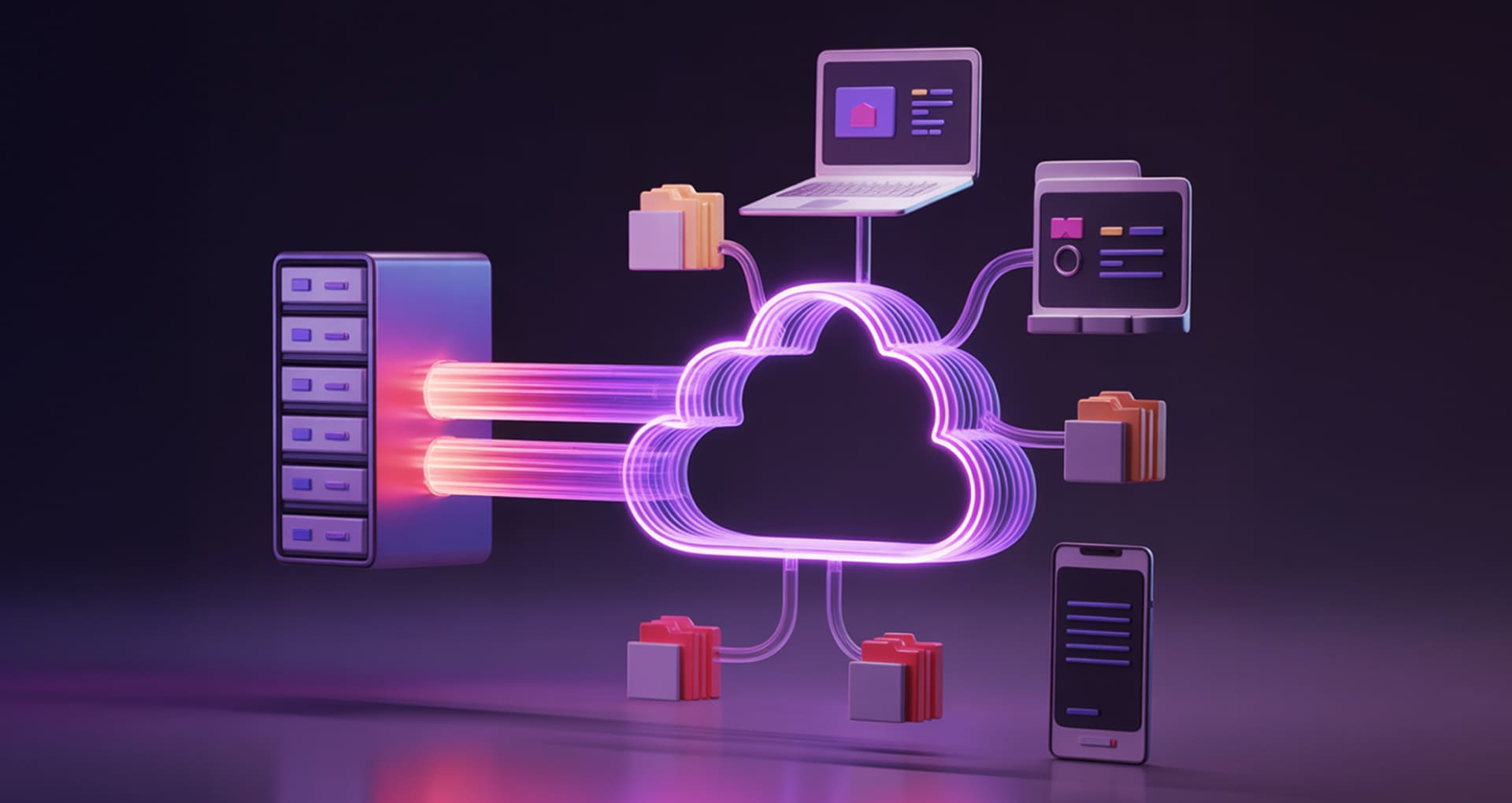
As enterprises evolve, the limitations of legacy systems become increasingly apparent. Slow processing, fragmented data, and rigid architectures hinder innovation and analytics capabilities. Transitioning to cloud-native environments is no longer optional—it’s a strategic necessity. However, migrating complex data infrastructures can be challenging. Professional data migration consulting ensures a smooth, secure, and efficient transition while unlocking the full potential of cloud technologies.
Understanding the Challenges of Legacy Systems
Legacy systems often create operational bottlenecks due to:
- Outdated hardware and software constraints.
- Siloed data that prevents holistic insights.
- Limited scalability to handle growing volumes of structured and unstructured data.
Organizations that attempt migration without a structured approach risk data loss, extended downtime, and compliance issues. This is where expert guidance becomes invaluable.
The Role of Data Migration Consulting
Professional data migration consulting services and IT consulting help enterprises navigate the complexities of moving from on-premises systems to cloud-native platforms. Core benefits include:
- Assessment and Planning: Evaluating current infrastructure, identifying dependencies, and creating a phased migration roadmap.
- Risk Mitigation: Ensuring data integrity, security, and regulatory compliance throughout the transition.
- Efficiency Optimization: Streamlining processes to minimize downtime and accelerate business continuity.
For instance, a multinational retail company leveraged consulting services to migrate its ERP and customer databases to the cloud, reducing system downtime by 50% and improving data accessibility across global branches.
Integrating Data Engineering Consulting for Robust Infrastructure
A smooth migration is not just about moving data—it’s about building a resilient foundation for the future. Data engineering consulting ensures that cloud infrastructures are:
- Scalable: Supporting increased workloads without performance degradation.
- Optimized: Leveraging ETL pipelines, data lakes, and automated workflows for real-time insights.
- Secure: Implementing best practices for cloud security and governance.
This integration allows enterprises to maximize ROI and prepare for advanced analytics initiatives post-migration.
Unlocking Insights with Data Analytics Consulting
Transitioning to cloud-native platforms also opens the door for advanced analytics. Partnering with data analytics consulting teams helps businesses:
- Transform migrated data into actionable insights.
- Deploy predictive analytics, AI, and machine learning models.
- Monitor performance metrics and make data-driven decisions faster.
A healthcare provider, for example, used cloud migration combined with analytics consulting to integrate patient records from multiple legacy systems, enabling predictive patient care models that reduced readmission rates by 20%.
Best Practices for a Successful Migration
To ensure a smooth transition, enterprises should follow these best practices:
- Comprehensive Assessment: Evaluate existing systems, workflows, and data quality.
- Phased Migration: Move critical systems first, test, and optimize before full-scale deployment.
- Data Governance: Maintain compliance and security throughout the migration.
- Training and Adoption: Equip teams with knowledge of new cloud tools and processes.
- Continuous Optimization: Monitor cloud performance and adjust workflows for efficiency.
These steps, supported by professional consulting, reduce risks and ensure long-term success in cloud-native environments.
Conclusion: Transform with Confidence
Migrating from legacy systems to cloud-native platforms is a pivotal step in any digital transformation journey. By leveraging data migration consulting, along with data engineering consulting and data analytics consulting, enterprises can ensure a smooth transition, enhanced operational efficiency, and actionable insights.
The future of business is cloud-driven, and organizations that adopt a structured, expert-guided migration strategy will be best positioned to innovate, compete, and thrive in the digital era.