How to Choose Wig Density: 180% or 250%
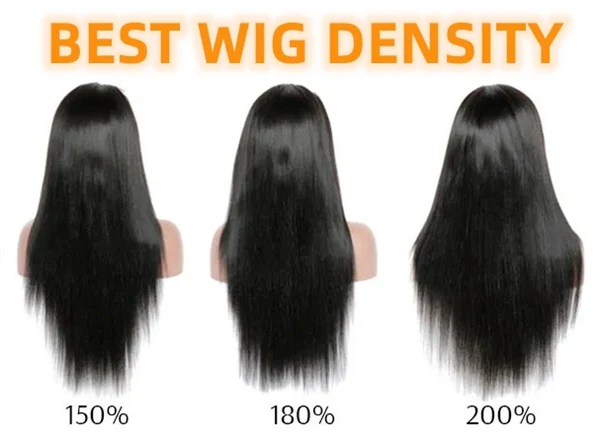
Choosing between 180% and 250% density can dramatically change how your wig looks, feels, and styles throughout the day. Density refers to how much hair is ventilated onto the cap; higher numbers mean thicker, fuller hair. While both 180% and 250% are considered high-density options, they serve different aesthetics and practical needs. Below, you’ll find a structured comparison in text, listing, and a simple table to help you decide which density aligns with your lifestyle, styling habits, and desired finish. You’ll also see how color choices—like opting for a luvme blonde wig—interact with density to influence realism and maintenance.
Text Overview: What Density Means in Real Life
At 180% density, the wig delivers noticeable fullness without venturing into ultra-voluminous territory. This density mimics the look of naturally thick hair after a blowout—polished, bouncy, and photo-friendly—yet still manageable for everyday wear. It tends to move more naturally because the weight is moderate, and airflow through the hair is better, which helps with comfort during long days. Styling at the roots is easier, the crown lies flatter with a quick pass of a hot comb, and detangling sessions are shorter. If you want a balance between drama and practicality, 180% sits in a sweet spot.
At 250% density, the wig reads as glamorous and high-impact. It’s ideal for dramatic silhouettes, oversized curls, and sleek looks with a runway-level thickness. The trade-offs include more weight on the head, a greater need for root control to avoid bulk at the crown, and higher product usage for shine and frizz management. Because there’s more hair, heat styling takes longer, and you’ll want to be diligent with sectioning to ensure even smoothing or curling. For content creation, special events, and statement styles, 250% density makes a bold impression.
Listing: Pros and Cons at a Glance
- 180% Density
- Pros: Natural movement, comfortable for long wear, easier root control, faster styling, realistic everyday fullness.
- Cons: Slightly less “wow” factor on camera compared to 250%; heavy layering may be needed for ultra-glam volume.
- 250% Density
- Pros: Maximum fullness and drama, standout presence in photos/videos, ideal for big curls and ultra-sleek looks.
- Cons: Heavier feel, more heat/product/time required, more prone to bulk at the crown without careful pressing.
Table: Quick Comparison
| Feature | 180% Density | 250% Density |
| Look | Full but natural | Ultra-full, high-impact |
| Weight on Head | Moderate | Heavy |
| Styling Time | Shorter | Longer |
| Root Control Needed | Low to moderate | High |
| Daily Comfort | High | Moderate |
| Realism in Daylight | Strong | Strong with careful flattening |
| Best For | Everyday glam, work, casual events | Photoshoots, nights out, special occasions |
| Heat/Product Usage | Moderate | High |
| Tangle Management | Easier | Requires more attention |
How Face Shape, Length, and Texture Affect Density Choice
Face shape and wig length influence how density reads. On shorter cuts and bobs, 180% often looks exceptionally realistic because the hair can swing and lie flat at the roots without ballooning around the jawline. With very long lengths—24 inches and beyond—180% still offers elegance but may appear lighter at the ends; 250% fills out those lengths for a red-carpet silhouette. For textures, straight and body wave highlight density differences clearly: 250% looks sleek yet powerful when pressed, while 180% resembles salon-blown natural density. For deep wave and curly textures, 250% delivers plush, cloud-like volume, whereas 180% maintains defined curls with less frizz risk and lower weight.
Maintenance and Longevity Considerations
Maintenance scales with hair volume. A 180% density wig typically requires fewer products to maintain sheen and slip, and detangling sessions are shorter because there is less hair per section. You can often refresh styles with lower heat and minimal mousse or serum. A 250% density wig benefits from a disciplined routine: sectioning for detangling, consistent hydration with lightweight leave-ins, and targeted root pressing to prevent bulk. Because heavier densities can retain more product, cleansing schedules may be more frequent to keep the lace and fibers fresh. Adding a smoothing product, such as those available at https://www.amazon.com/
Lifestyle and Environment
If you’re often in warm or humid climates, 180% typically feels more breathable and less prone to puffiness through the day. Commuters or gym-goers appreciate the lighter feel and quicker post-workout refresh. If your lifestyle involves events, content shoots, and nighttime looks, 250% aligns with needs for volume that holds under bright lights and cameras. For office settings or professional appearances, 180% reads as refined without drawing excessive attention; 250% becomes a signature style—polished and unmistakably glamorous.
Color and Density: Why Shade Matters
Light colors, especially blondes, can visually amplify density because lighter strands reflect more light. This means a 250% unit in a bright blonde can look even fuller than the same density in natural black. If you’re leaning toward a statement blonde like a luvme blonde wig, consider your density carefully: 180% often provides balanced brightness and movement, while 250% becomes a striking, editorial choice. Rooted color techniques can temper the “helmet” effect by adding depth near the scalp, which is especially helpful at higher densities.
Cap Construction and Fit
An adjustable elastic band, well-placed combs, and the right cap size are crucial when moving into higher densities. At 250%, precise fit becomes even more important to keep the unit stable without excessive tension. Pre-plucked hairlines and clean knots improve realism across both densities, but they’re especially impactful at 250%, where any bulk near the front is more visible. A hot comb and a small amount of wax at the part and crown help both densities lay professionally flat.
Budget and Value
Higher density typically means higher cost due to more hair and labor. If you’re allocating budget, consider where the impact matters most: for everyday wear, 180% maximizes value with lower maintenance and strong realism; for occasional wear with maximum wow, invest in 250% and reserve it for the moments that count. Before purchasing, check for promotions—using a current luvme coupon code can meaningfully offset the premium of higher-density units, letting you step up in quality without overspending.
Final Recommendation
Choose 180% if you want a balanced, realistic fullness that’s comfortable, quick to style, and versatile for work-to-weekend transitions. Opt for 250% if you crave dramatic thickness, cinematic sleekness, or plush curls that stand out in photos and on stage. Both can look natural with proper root control, cap fit, and routine care. Match density to your length, texture, climate, and how much daily styling time you’re willing to commit, and you’ll land on a choice that feels as good as it looks.