Why Is My Snot Yellow? Allergy or Sinus Infection? 2026

Why is my snot yellow is one of the most common health questions people search online — and for good reason.
Yellow nasal discharge can catch you off guard, especially when you are unsure whether it points to seasonal allergies, a common cold, or a full-blown sinus infection.
Understanding what is happening inside your body when your mucus changes color can save you from unnecessary panic, unnecessary antibiotics, or worse — ignoring something that actually needs treatment.
What Is Snot and Why Does It Change Color?
Your body produces mucus every single day. It lines your nasal passages, sinuses, and throat to trap dust, bacteria, allergens, and other particles before they reach your lungs.
Normally, healthy mucus is thin and clear. You barely notice it. Color changes happen when your immune system gets involved and starts sending white blood cells to fight off something it has identified as a threat.
The color of your snot is essentially a report card from your immune system.
The Science Behind Yellow Snot
Yellow snot gets its color from white blood cells — specifically neutrophils — that rush to the infected or irritated area. As these cells die off after doing their job, they release enzymes like myeloperoxidase that tint the mucus yellow.
The more white blood cells involved, the more yellow your snot becomes. Think of yellow mucus as your body announcing, “I am actively fighting something right now.”
This process happens whether the cause is viral, bacterial, or even a heavy allergen load.
Common Causes of Yellow Snot at a Glance
| Cause | Mucus Color | Duration | Key Symptom |
|---|---|---|---|
| Common Cold (Viral) | Clear → Yellow → Green | 7–10 days | Runny nose, mild fever |
| Acute Sinusitis | Thick Yellow or Green | Up to 4 weeks | Facial pressure, headache |
| Chronic Sinusitis | Persistent Yellow/Green | 12+ weeks | Congestion, fatigue, postnasal drip |
| Seasonal Allergies | Clear (sometimes yellow) | As long as exposure | Itchy eyes, sneezing |
| Bacterial Infection | Dark Yellow or Green | Worsens after 10 days | Fever, severe sinus pain |
| Environmental Irritants | Light Yellow | While exposed | Sneezing, mild congestion |
Yellow Snot from a Common Cold
The most common reason your snot turns yellow is a viral upper respiratory infection — the common cold. When a virus enters your nasal passages, your immune system floods the area with white blood cells.
In the first one to three days, your mucus is usually clear and watery. By days three to five, it thickens and turns yellow as white blood cells accumulate. Most colds resolve within seven to ten days without any antibiotics.
If you are still blowing yellow or green mucus after ten days and symptoms are not improving, that is a signal worth paying attention to.
Yellow Snot from a Sinus Infection (Sinusitis)
Sinusitis occurs when the sinus cavities become inflamed and swollen, blocking normal mucus drainage. Trapped mucus creates the perfect environment for bacteria to grow.
Acute sinusitis lasts up to four weeks and often follows a cold. You will usually notice facial pressure or pain around the forehead, cheeks, and eyes alongside your yellow discharge.
Chronic sinusitis is when symptoms persist for twelve weeks or longer. This often involves ongoing congestion, fatigue, postnasal drip, and sometimes bad breath. Chronic sinusitis often requires a doctor’s intervention.
Yellow Snot from Allergies
Yes, allergies can cause yellow snot — though it is less common than the clear, watery discharge most people associate with hay fever.
When your nasal passages are inflamed from allergens like pollen, dust mites, or pet dander, mucus production increases. When that mucus sits in the sinuses longer than usual or mixes with immune cells responding to allergens, it can take on a yellowish tint.
Allergy-related yellow snot is typically accompanied by itchy eyes, sneezing, and clear discharge rather than facial pain or fever.
Unmanaged allergies can also block the sinuses over time, creating the conditions for a secondary bacterial infection — which then produces classic thick yellow or green mucus.
Yellow Snot from Environmental Irritants
Smoke, dust, dry indoor air, and chemical fumes can all irritate the nasal lining enough to trigger an immune response with light yellow mucus. Smokers in particular often experience dark yellow or brownish mucus due to chronic airway irritation.
This type of yellow snot is usually mild and clears up once the irritant exposure is reduced.
Allergy vs. Sinus Infection: How to Tell the Difference

This is the question that trips most people up. Both conditions can produce yellow mucus and nasal congestion, but the distinction matters when choosing the right treatment.
| Feature | Allergies | Sinus Infection |
|---|---|---|
| Mucus color | Clear (sometimes yellow) | Yellow or dark green |
| Itchy eyes | Common | Rare |
| Sneezing | Frequent | Occasional |
| Facial pain/pressure | Mild or absent | Often present |
| Fever | No | Sometimes |
| Duration | Weeks to months (while exposed) | Days to weeks |
| Responds to antihistamines | Yes | No |
| Bad breath | Rare | Common |
If you are sneezing constantly, your eyes are itchy and watery, and you feel better after taking an antihistamine — allergies are the likely culprit.
If you have facial pressure, pain around your cheekbones or forehead, thick yellow-green discharge, and possibly a low-grade fever — a sinus infection is more likely.
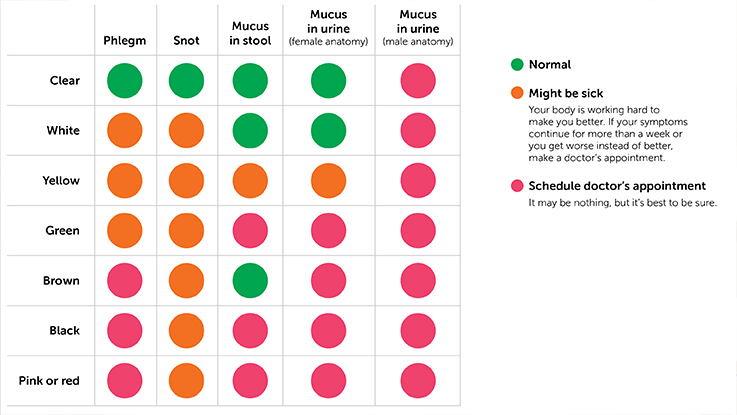
Mucus Color Chart: What Each Color Means
Understanding the full spectrum of snot colors can help you read your body better.
Clear Snot
Clear mucus is normal. It keeps nasal passages moist and traps particles. An increase in clear mucus usually points to allergies, cold air, spicy food, or the very early stage of a cold.
White Snot
White or cloudy mucus suggests nasal congestion. When mucus loses water content due to swelling, it becomes thicker and opaque. This is often an early sign of a cold or mild congestion.
Yellow Snot
Yellow mucus means your immune system has kicked in. White blood cells are actively fighting a virus, bacteria, or heavy allergen load. It does not automatically mean you need antibiotics.
Green Snot
Green mucus usually means a stronger immune response. The green color comes from an enzyme called myeloperoxidase in white blood cells. A large number of these cells working overtime creates the green tint. Green snot lasting more than ten to twelve days with facial pain and fever often indicates a bacterial infection.
Brown or Red Snot
Brown or pink-red snot usually contains blood from irritated nasal tissues — often caused by frequent nose blowing, dry air, or nasal sprays. A small amount mixed with mucus is rarely a cause for alarm.
Black Snot
Black snot can occur in people exposed to heavy dust, soot, or smoke. In people with weakened immune systems, black snot can signal a serious fungal infection and needs immediate medical evaluation.
Does Yellow Snot Mean You Need Antibiotics?
This is one of the biggest misconceptions in respiratory health. Yellow snot alone does not mean you need antibiotics.
Antibiotics only work against bacterial infections. The majority of yellow mucus cases are caused by viruses, which do not respond to antibiotics at all. In fact, a 2026 PubMed-cited study found that over 80% of patients with darker yellow or greenish sputum had bacterial presence only when the mucus was significantly discolored and accompanied by other symptoms — not just color alone.
Doctors look at the full picture: how long symptoms have lasted, whether you have a fever, whether symptoms are worsening after an initial improvement, and whether you have facial pain or pressure. Color is a clue, not a diagnosis.Warning Signs: When Yellow Snot Needs a Doctor
Most yellow snot clears up on its own within one to two weeks. However, certain symptoms are red flags that warrant a medical visit.
See a Doctor If You Have
Thick yellow or green mucus lasting more than ten days without improvement. Fever above 101.5°F (38.6°C) lasting more than three days. Severe facial pain or pressure, especially around the eyes, cheeks, or forehead. Swelling around the eyes or nose. Worsening symptoms after an initial improvement — this can signal a secondary bacterial infection on top of a viral illness. A persistent headache or upper jaw tooth pain. Difficulty breathing or shortness of breath. Postnasal drip causing a chronic cough or bad breath that does not resolve.
Go to the ER If You Have
Difficulty breathing with chest pain. High fever above 103°F with confusion. Heavy, continuous nosebleeds that will not stop. Severe headache or stiff neck alongside nasal symptoms — these can indicate a more serious infection.
How to Treat Yellow Snot at Home
For most cases of yellow nasal discharge, especially within the first seven to ten days, home remedies can provide significant relief and help your body clear the infection faster.
Saline Nasal Rinse
A saline rinse is one of the most effective tools for yellow snot. It flushes out thick mucus, removes allergens and irritants, and reduces congestion. Mix one teaspoon of salt and half a teaspoon of baking soda in eight ounces of warm sterile water, then use a neti pot or squeeze bottle to rinse each nostril.
Use sterile or distilled water only — tap water can introduce bacteria into the nasal passages.
Steam Inhalation
Steam loosens thick mucus and eases congestion. Fill a bowl with hot water, drape a towel over your head, and breathe deeply for five to ten minutes. Adding a few drops of eucalyptus oil can enhance the effect.
Stay Hydrated
Drinking plenty of fluids — water, herbal tea, warm broth — helps thin mucus and supports immune function. Aim for at least eight glasses of water per day when you are sick.
Use a Humidifier
Dry air thickens mucus and makes congestion worse. Running a cool-mist humidifier in your bedroom, especially at night, keeps nasal passages moist and aids mucus drainage.
Elevate Your Head While Sleeping
Lying flat allows mucus to pool. Sleeping with your head slightly elevated helps mucus drain naturally and reduces postnasal drip and nighttime coughing.
Warm Fluids and Chicken Soup
Warm liquids like herbal tea and chicken soup help soothe inflamed nasal passages and thin mucus. The steam from these beverages also acts as a mild decongestant.
Over-the-Counter Medications for Yellow Snot
Several OTC medications can help manage yellow snot symptoms while your body heals.
| Medication Type | How It Helps | Example |
|---|---|---|
| Decongestants | Reduce nasal swelling and improve drainage | Pseudoephedrine (Sudafed) |
| Expectorants | Thin mucus to make it easier to expel | Guaifenesin (Mucinex) |
| Antihistamines | Reduce allergy-triggered mucus production | Loratadine (Claritin), Cetirizine (Zyrtec) |
| Nasal Corticosteroid Sprays | Reduce inflammation in nasal passages | Fluticasone (Flonase) |
| Pain Relievers | Reduce fever and facial pain | Acetaminophen, Ibuprofen |
Always follow label instructions. Decongestant nasal sprays should not be used for more than three consecutive days, as rebound congestion can worsen symptoms.
Medical Treatments for Bacterial Sinus Infections
If your yellow snot is confirmed to be from a bacterial sinus infection, your doctor may prescribe specific treatments.
Antibiotics such as amoxicillin or azithromycin are commonly prescribed for bacterial sinusitis. Always complete the full course even if you feel better early — stopping early can allow resistant bacteria to survive.
Prescription corticosteroid nasal sprays reduce inflammation more aggressively than OTC options and are useful for chronic sinusitis or severe allergy-related congestion.
Prescription decongestants may be used short-term for severe nasal swelling.
For chronic sinusitis or structural issues like nasal polyps or a deviated septum, an ENT (ear, nose, and throat) specialist may recommend more advanced options including functional endoscopic sinus surgery (FESS).
Can Allergies Lead to a Sinus Infection?
Yes — and this connection is important to understand. Untreated allergies are one of the most common pathways to a sinus infection.
When allergens cause ongoing inflammation in the nasal passages, the sinus drainage pathways can become blocked. Stagnant mucus trapped in the sinuses creates an ideal environment for bacteria to multiply.
This is why managing allergies proactively with antihistamines, nasal sprays, or immunotherapy is so important — not just for comfort, but to prevent secondary infections.
Sublingual immunotherapy (under-the-tongue allergy drops) and subcutaneous immunotherapy (allergy shots) can help retrain your immune system to be less reactive to specific allergens over time, reducing both allergy symptoms and the risk of sinus infections.
Yellow Snot in Children: What Parents Should Know
Children experience yellow snot more frequently than adults simply because they have more colds — up to eight to ten per year in young children versus two to three in adults.
Yellow snot in toddlers and young children is usually not a cause for immediate alarm. However, parents should watch for fever lasting more than three days, ear pain (which may suggest a middle ear infection), difficulty breathing, and significant irritability alongside nasal symptoms.
If a baby’s congestion is interfering with feeding — whether breastfeeding or bottle feeding — a pediatrician visit is warranted sooner rather than later.
Saline drops and a bulb syringe are the safest tools for clearing infant nasal congestion. Avoid over-the-counter cold medications in children under six years of age.
Preventing Yellow Snot: Lifestyle Tips
While you cannot avoid every cold or allergy season, several habits can reduce the frequency and severity of yellow mucus episodes.
Wash your hands frequently — especially during cold and flu season — to reduce viral transmission. Manage seasonal allergies proactively rather than reactively. Talk to a doctor about an allergy management plan before pollen season peaks. Use an air purifier indoors with a HEPA filter to reduce airborne allergens and irritants. Stay hydrated year-round to keep mucus thin and moving. Avoid smoking and second-hand smoke, which damage the cilia that sweep mucus out of the nasal passages. Use a humidifier in dry months to prevent nasal membranes from drying out and cracking. Keep nasal passages clear with regular saline rinses during allergy season or when traveling.
Yellow Snot vs. Green Snot: Is There a Difference?
Many people wonder whether green is worse than yellow. In practical terms, green snot usually indicates a stronger or more prolonged immune response.
Yellow mucus typically appears early in an infection when white blood cells are first fighting back. As the infection progresses and more white blood cells accumulate and die, the enzyme concentration in mucus increases — turning it green.
Green snot is more commonly associated with bacterial infections, but it can also occur at the peak of a viral illness. Persistence beyond ten to twelve days with worsening symptoms is the key indicator of a bacterial infection requiring medical attention — not the color alone.
Postnasal Drip and Yellow Snot
Postnasal drip occurs when excess mucus drains down the back of the throat rather than out through the nose. It is a common companion to yellow snot and can cause its own set of annoying symptoms.
Symptoms of postnasal drip include a constant need to clear your throat, a nagging cough that is worse at night, a feeling of something stuck in the throat, mild sore throat, and bad breath. Elevating your head at night, staying hydrated, and using a saline rinse all help reduce postnasal drip alongside yellow nasal discharge.
Frequently Asked Questions (FAQs)
Why is my snot yellow all of a sudden?
Yellow snot appears suddenly when your immune system sends white blood cells to fight a viral or bacterial infection. It is a normal response and usually begins two to three days into a cold.
Does yellow snot always mean I have a sinus infection?
No. Yellow snot can result from a common cold, allergies, or environmental irritants. A sinus infection is more likely if symptoms persist beyond ten days with facial pain and pressure.
Is yellow snot contagious?
The color of mucus alone does not determine contagiousness. If yellow snot is caused by a virus, the virus may be contagious — but the yellow color itself is just a sign of immune activity.
Do I need antibiotics for yellow snot?
Not usually. Most yellow snot is caused by viruses, which antibiotics cannot treat. Antibiotics are only necessary when a bacterial infection is confirmed by a doctor.
Can allergies cause yellow snot?
Yes, allergies can cause yellow snot, particularly when inflamed nasal passages trap mucus long enough for immune cells to discolor it. However, allergy mucus is more commonly clear and watery.
How long should yellow snot last?
Yellow snot from a cold typically resolves within seven to ten days. If it persists beyond ten to fourteen days or worsens after initial improvement, see a doctor.
What does dark yellow or thick yellow snot mean?
Dark or thick yellow snot indicates a stronger immune response. It may suggest the infection is more advanced or has lasted longer. Combined with fever and facial pressure, it can indicate a bacterial sinus infection.
What is the fastest way to get rid of yellow snot?
Saline nasal rinses, steam inhalation, staying well hydrated, and using OTC decongestants or expectorants are the most effective home strategies for clearing yellow snot quickly.
Can yellow snot cause bad breath?
Yes. Postnasal drip from yellow snot can coat the throat and back of the mouth with bacteria-laden mucus, leading to bad breath. Treating the underlying infection or allergy helps resolve this.
When should I go to the doctor for yellow snot?
See a doctor if yellow snot lasts more than ten days, is accompanied by a fever over 101.5°F, causes severe facial or eye pain, or if symptoms worsen after initially getting better.
Conclusion
Why is my snot yellow is a question that deserves a straightforward answer: yellow snot is your immune system’s visible signal that it is working to fight off a virus, bacteria, allergen, or irritant.
Most of the time, yellow nasal discharge is not dangerous and will resolve on its own within seven to ten days with proper hydration, rest, saline rinses, and OTC symptom management.
The key is knowing when yellow snot is telling you something more serious.
If your symptoms persist beyond ten days, if you develop a fever that will not break, or if you experience intense facial pain and pressure, it is time to see a doctor who can determine whether a bacterial infection is present and whether antibiotics are needed.
Do not fall for the misconception that yellow equals bacteria and bacteria equals antibiotics.
Color alone is never the whole story.
Pay attention to the full picture — duration, severity, and accompanying symptoms — and you will always make the right call for your health in 2026 and beyond.