Understanding the Benefits of Fat Freezing
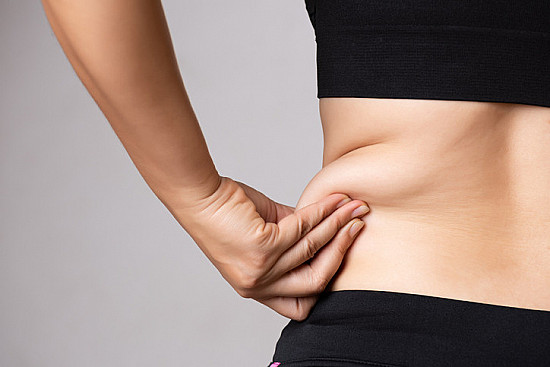
In the realm of non-invasive cosmetic treatments, fat freezing is a term that has garnered significant attention. It refers to a procedure that aims to eliminate stubborn fat deposits by using cold temperatures. This method is scientifically known as Cryolipolysis and is favoured by many due to its minimal downtime and effective results.
What is Fat Freezing?
Fat freezing or Cryolipolysis is a non-invasive cosmetic treatment designed to reduce fat in targeted areas of the body. It works by applying cold temperatures to fat cells, resulting in their destruction without affecting the surrounding tissue.
How Does Fat Freezing Work?
The process of fat freezing involves the use of specially designed applicators that cool fat cells to a temperature that triggers apoptosis, a systematic cell death, effectively eliminating them from the body. This cooling process is precise and ensures that only the fat cells are impacted.
Target Areas for Fat Freezing
The treatment is particularly effective for areas where fat tends to be more stubborn and resistant to diet and exercise. Common areas treated include the abdomen, love handles, thighs, and arms.
Advantages of Fat Freezing
One of the primary advantages of fat freezing is its non-invasive nature. Unlike surgical procedures such as liposuction, fat freezing does not require incisions or anesthesia, making it a safer option for many individuals.
Minimal Recovery Time
Another significant advantage is the minimal downtime required after the procedure. Patients can generally return to their daily activities immediately after treatment, which is a considerable benefit for those with busy lifestyles.
Effective and Gradual Results
The results from fat freezing are both effective and gradual, with noticeable changes appearing between three weeks to three months post-treatment. This gradual process allows for a more natural reduction in fat.
Who is an Ideal Candidate?
Fat freezing is suitable for individuals who are within a healthy weight range but have stubborn fat deposits that they are unable to reduce through diet and exercise. It is not considered a weight loss solution but rather a contouring treatment.
Understanding the Side Effects
As with any procedure, it is important to be aware of potential side effects. Some individuals may experience temporary redness, swelling, or sensitivity in the treated area, but these symptoms typically resolve quickly.
Limitations of Fat Freezing
While fat freezing is effective for many, it is not suitable for everyone. Individuals with severe, sagging skin or substantial fat deposits may not achieve the desired results and might benefit from alternative treatments.
The Role of a Consultation
Before undergoing fat freezing, it is crucial to have a thorough consultation with a qualified professional. This ensures that the treatment plan is tailored to the individual’s specific needs and expectations.
Comparing Fat Freezing with Other Treatments
When compared to other non-invasive fat reduction treatments, fat freezing tends to stand out due to its ability to offer targeted fat reduction without the need for recovery time, making it a popular choice.
Choosing the Right Practitioner
Selecting a qualified and experienced practitioner is essential to achieving optimal results. A professional with expertise in fat freezing will be able to provide guidance and ensure that the procedure is carried out safely and effectively.
Conclusion
Fat freezing presents a viable option for those seeking to reduce stubborn fat deposits without undergoing invasive surgery. As with all cosmetic procedures, ensuring that you are a suitable candidate and that the procedure is performed by a qualified professional is crucial to achieving the best possible results.