How Office Fitouts Communicate Company Personality to Clients
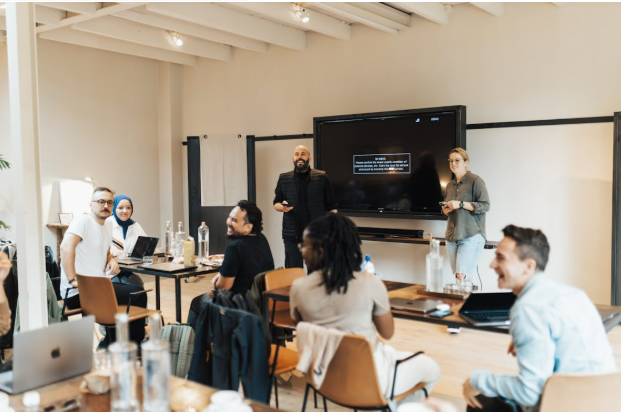
Before a single greeting is exchanged, the office environment is already doing a bit of talking. Most clients pick up on layout, colours, and textures without even thinking about it.
A bright entryway with soft edges feels friendly, while a streamlined reception with crisp lines gives off a sharper, more focused impression. Even the direction of foot traffic matters because it subtly guides where attention goes first. That’s the power of Adelaide office fitout services.
Clients rarely stand there analysing décor like it’s an art exam, yet they instinctively sense the mood the moment they step in. This quick read becomes a kind of silent handshake, setting the tone before any proper conversation begins. When the space is planned well, it quietly shows confidence and clarity long before the meeting room door closes.
The Look and the Feel: How Design Choices Build Identity
Design choices often say more than any company profile ever could. A workspace with timber accents and earthy tones carries a warm, grounded feel, while sleek matte-black fixtures send a message of precision.
Even bold accent colours can bring out a lively, modern vibe. Every texture and finish tells a story, and clients pick up those cues through all their senses. “Look and feel” covers:
- The temperature of the lighting
- The warmth or coolness of the palette
- The sturdiness or softness of the furniture
- The openness or enclosure of the rooms
These aren’t random decisions. Each one supports the message a business wants to send, whether that’s trust, creativity, steadiness, or something a little more daring. Long before discussion begins, clients already have an idea of the type of organisation they’re dealing with. That’s the beauty of design—it speaks even when everyone’s still settling in.
Layout as Language: How Space Planning Shapes Client Experience
The arrangement of space plays its own role in communicating values. A broad, open layout often hints at openness and teamwork, while a more structured plan with defined meeting zones can suggest emphasis on precision and formality. Pathways guide how clients move through the office, and well-considered sightlines gently shape where their eyes land first.
The placement of chairs or the distance between workstations can influence how welcoming or focused a space feels. Thoughtful space planning uses the environment itself to guide behaviour, almost like the walls and corridors are quietly nudging everyone along.
The Human Touch: Staff Areas That Reflect Internal Culture
Clients sometimes catch glimpses of where staff unwind or collaborate, and those small moments can reveal a lot about the culture. A relaxed breakout nook with soft seating suggests a team that values breathing room, while a tidy shared table hints at strong teamwork rhythms.
Spaces designed with care show commitment to the wellbeing of the people who keep the business running. Clients may not consciously analyse every detail, yet they often sense how well the space supports the team. A workplace that balances focus areas with comfortable corners sends a message of respect for both productivity and people, something that inspires quiet confidence.
Small Details, Big Messages: Subtle Cues Clients Notice
The little touches, while easy to overlook, often make the strongest impression. These finer details round out the personality of the office and shape how clients interpret the space as a whole. Examples include:
- Artwork that hints at values or creative flair
- Plants and natural textures that bring a welcoming feel
- Quality lighting and fixtures that show care and intention
Each detail contributes its own note, and together they create a steady rhythm that clients pick up on. Even when visitors don’t mention it, these subtle touches reinforce the broader story being told by the fitout.
Technology, Comfort, and Client Confidence
A workspace that blends comfort with smooth technology instantly sets clients at ease. Digital check-ins that work without fuss, meeting rooms with screens ready to go, and seating that feels good even during longer discussions all send a message of capability.
When everything works with no complications, clients naturally trust the process. Even small hints of smart integration signal that the business is organised, thoughtful, and prepared for whatever the day throws at it.
Wrapping It All Up: Your Space as Your Story
An office fitout is a living expression of personality. When every detail, from the flow of the layout to the accents in the meeting rooms, supports a shared message, clients can sense that unity right away. A well-planned space gives shape to values that might otherwise be hard to describe.
When the environment reflects the heart of the business, clients don’t just see it; they feel it. It’s like the space itself is giving them a nod of recognition, almost as if to say everything’s on the up-and-up.