Farm Supply Basics: What You Actually Need
When setting out to build a successful farming operation, understanding the basics of farm supply is essential. The right supplies can make all the difference in efficiency, productivity, and profitability. Whether you are running a small hobby farm or a large commercial enterprise, ensuring you have the necessary equipment and materials is crucial.
Understanding Your Farm’s Needs
Every farm is unique, and its needs will vary depending on the type of farming conducted, the size of the operation, and the specific crops or livestock involved. Evaluating these factors will help in determining the essential supplies needed for your operation.
Essential Equipment for Farming
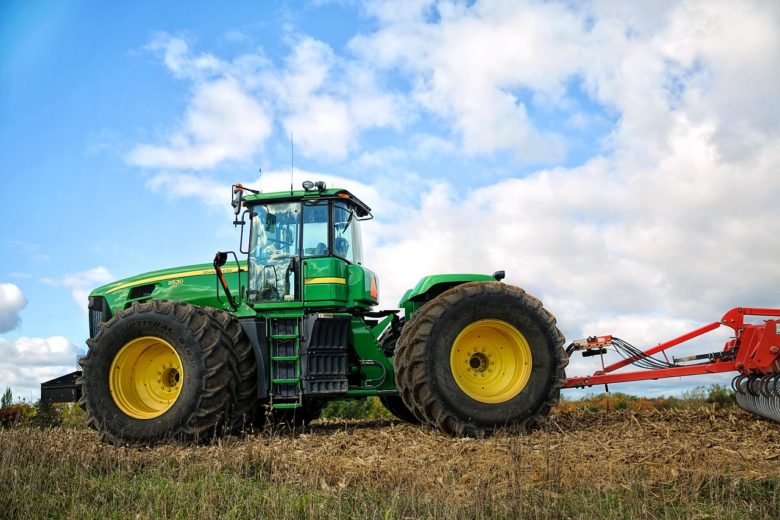
The equipment you require depends largely on your farming activities. Tractors are a staple for most farms, providing the power needed for heavy tasks such as ploughing, planting, and hauling. Invest in reliable machinery to increase productivity.
Additional machinery might include harvesters for grain or forage, as well as planters and seeders that ensure the efficient distribution of seeds. Not to forget essential hand tools, from shovels to rakes, which are used for various tasks around the farm.
Safety First: Protective Gear
Safety should never be an afterthought in farming. Proper protective gear is fundamental to safeguarding workers from potential hazards. This includes gloves, goggles, boots, and overalls, each catering to specific safety requirements that may arise while handling equipment or chemicals.
Fencing and Enclosures
For those involved in livestock farming, adequate fencing and enclosures are necessary to maintain and manage animals efficiently. The type of fencing will depend on the type of livestock you keep. From electric fences to traditional wooden setups, selecting the correct system is vital to prevent escapes and protect livestock.
Crop Management Supplies
Cultivating crops requires specific supplies, including seeds, fertilisers, herbicides, and pesticides. Choosing the right products is important to optimise yield while also considering environmental impact and sustainability. Researching and selecting quality seeds is the first step in successful crop production.
Feed and Nutritional Supplies
Both crop and livestock farming require an understanding of nutrition. Livestock feed should be balanced and tailored to the species’ needs to promote health and productivity. Conduct regular assessments of livestock dietary requirements to make informed purchasing decisions.
Water Management Systems
Efficient water management is critical in farming. Irrigation systems, such as drip or sprinkler systems, help in maximising water use and ensuring crops receive adequate hydration. Regular maintenance of these systems is essential to prevent breakdowns that could jeopardise crop health.
Storage Solutions
Proper storage of supplies, crops, and equipment prolongs their lifespan and maintains their effectiveness. Silos and sheds are commonly used for this purpose, protecting from weather damage and pests. Organised storage also aids in quick access and inventory management.
Maintenance and Repair Tools
Farming equipment requires regular maintenance to function efficiently. Having a toolkit with essential repair tools such as wrenches, screwdrivers, and lubricants ensures you can perform necessary repairs without delay. Scheduled maintenance can prevent long-term damage.
Technology and Farm Management Software
The integration of technology in farming cannot be overlooked. Modern farm management software can track inventory, manage finances, and provide data that can improve decision-making processes. Selecting the right technological tools can streamline operations and increase efficiency.
Pest and Disease Control
Mitigating pest and disease outbreaks is crucial for both crops and livestock. Investing in quality pest control products and establishing a preventative strategy can protect your farm from potential losses and ensure healthy growth and production.
Seasonal Supplies
The seasonal nature of farming requires a flexible approach to supply management. From winter cover crops to summer irrigation equipment, preparing for seasonal changes ensures the farm continues to operate smoothly throughout the year.
Financial Planning for Supplies
Budgeting for supplies is an integral aspect of farm management. Costs can fluctuate based on market prices and seasonal availability. Maintaining a well-planned budget helps manage expenses and prepares the farm for unforeseen circumstances.
Local and Legal Considerations
Farming practices are often subject to local regulations. Staying informed about legal requirements, whether related to pesticide usage or livestock welfare, helps avoid potential legal issues and ensures the farm operates within the legal framework.
Sourcing Quality Suppliers
Building relationships with trusted suppliers guarantees the quality of the farm supply. A reliable supplier, such as OzFarmer, offers a wide range of products suitable for diverse farming needs, ensuring you have access to the best resources for your farm.