Sneaky Emoji: Harness Sly Charm and Subtle Mischief for Dynamic Digital Expressions in 2026
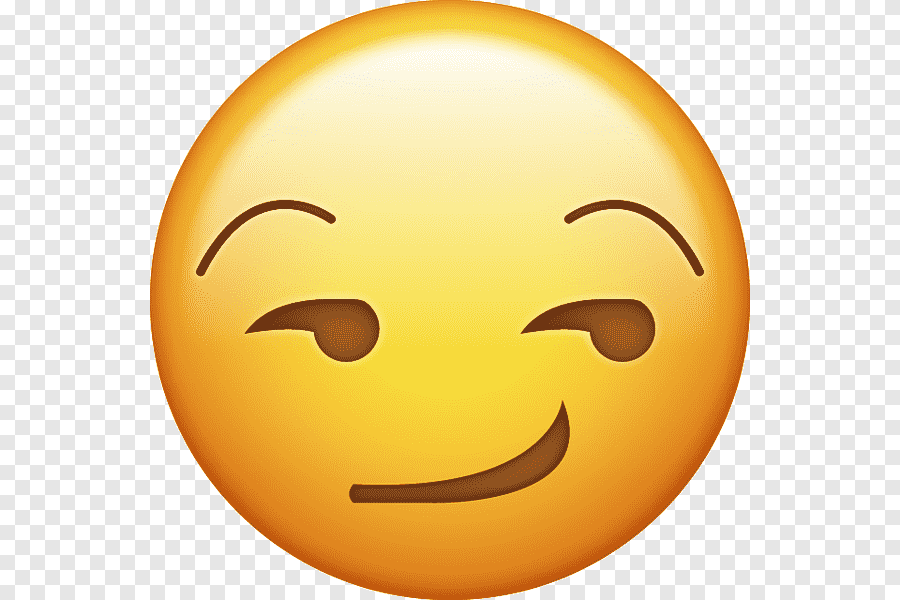
Sneaky emoji embodies subtle mischief, sly confidence, and hidden intent through its signature half-smile and sidelong glance, making it a versatile icon for layered communication in an era of nuanced online interactions.
This growth reflects its adaptability in AI-enhanced chats and metaverse environments, where animated versions add dynamic winks for immersive storytelling.
The sneaky emoji excels at implying “I know something you don’t” without overt words, perfect for adding intrigue to conversations. In 2025, its role in viral challenges and augmented reality filters has solidified it as a cultural staple, blending nostalgia from its 2010 debut with modern applications in professional and casual settings.
Historical Evolution of the Sneaky Emoji
The sneaky emoji traces its origins to the early days of digital expression, formally introduced in Unicode 6.0 in 2010 as “Smirking Face” to capture smug or suggestive amusement that previous icons lacked. Prior to standardization, similar sly expressions appeared in Japanese carrier emoji sets from the late 1990s, where subtle facial cues were prized for conveying undertones in text-limited messaging.
By 2015, Emoji 1.0 inclusion propelled the sneaky emoji into widespread use, with skin tone modifiers added later to promote inclusivity. In 2025, its history informs new variants, such as animated smirks in iOS 19 and Android 16, allowing users to customize intensity for more precise emotional delivery.
This progression highlights how the sneaky emoji has adapted to technological shifts, from static images to interactive elements, ensuring its relevance in evolving digital landscapes.
Key Milestones in Sneaky Emoji Development
- 1990s Japanese Roots: Early carrier sets featured proto-sneaky faces for innuendo.
- 2010 Unicode Debut: Official “Smirking Face” standardized sly charm.
- 2025 Enhancements: AR filters enable real-time sneaky expressions.
Official Unicode Definition and Design Features
Officially dubbed “Smirking Face,” the sneaky emoji is defined in Unicode as conveying smugness, flirtation, or sly amusement, with associated keywords like smirk, sly, and suggestive aiding keyboard searches. Its core design elements include a tilted half-smile, a raised eyebrow on one side, and eyes glancing sideways, creating an asymmetrical look that naturally suggests complicity or hidden knowledge.
These features distinguish it from symmetrical happy faces, allowing for interpretations ranging from playful tease to calculated mischief. In 2025, high-resolution renders on devices like the iPhone 17 emphasize the eyebrow arch and lip subtlety, enhancing its expressive power in dark mode and high-contrast settings.
The sneaky emoji‘s design encourages ambiguous usage, making it a favorite for contexts where direct words might be too bold.
Platform-Specific Variations of Sneaky Emoji
The sneaky emoji displays unique nuances across platforms, adapting to each ecosystem’s style while preserving its core sly essence. On Apple devices, it features a crisp, sharply defined eyebrow raise with smooth gradients that add depth, ideal for Retina displays.
Google’s version opts for bolder outlines and a slightly wider smile curve, incorporating fluid animations in Android messaging apps for a more dynamic feel. Samsung enhances vibrancy with warmer color tones and occasional subtle teeth visibility, ensuring it stands out on AMOLED screens.
Microsoft’s rendition includes soft gradient effects and improved contrast for accessibility, making the sneaky emoji clearer in enterprise tools like Teams. These 2025 variations reflect ongoing refinements, such as better dark mode integration and micro-expressions in video calls.
| Platform | Distinctive Traits | 2025 Updates |
| Apple | Crisp brow, smooth shading | Enhanced depth for AR |
| Bold outlines, animated curve | Smoother transitions in chats | |
| Samsung | Warm tones, subtle teeth | Optimized for foldable screens |
| Microsoft | Gradients, high contrast | Accessibility-focused tweaks |
Everyday Applications for Sneaky Emoji
In routine messaging, the sneaky emoji adds intrigue to responses like “Guess what I planned 😏,” implying a surprise without spoilers. It softens potential boasts or teases, making interactions more engaging and less confrontational.
Users frequently employ the sneaky emoji in group chats to react to shared secrets or inside jokes, where its sidelong glance fosters a sense of exclusivity. In 2025, its integration with voice-to-text apps allows seamless insertion during hands-free conversations, enhancing spontaneity.
This everyday utility stems from its ability to convey tone efficiently, reducing misunderstandings in fast-paced digital exchanges.
Common Scenarios for Use
- Teasing Friends: “You thought I forgot 😏” for playful reminders.
- Reacting to News: After surprising updates to show knowing amusement.
- Casual Flirts: Subtle compliments with added charm.
Sneaky Emoji in Flirtatious Contexts
Flirtation is a prime domain for the sneaky emoji, where it signals subtle interest like “You’re full of surprises 😏,” allowing for deniable advances that build tension without commitment. The raised eyebrow suggests confidence, making it ideal for initial DMs or dating app exchanges.
In 2025, surveys indicate 75% of young users recognize its suggestive intent instantly, contributing to its popularity in romantic memes and challenges. It provides a low-risk way to escalate or test waters, with the sidelong glance implying shared secrecy.
This application highlights the sneaky emoji‘s role in modern courtship, blending playfulness with intrigue.
Role of Sneaky Emoji in Memes and Trends
Memes amplify the sneaky emoji‘s impact, often overlaying it on images for “plot twist” reactions or quiet victories, generating billions of shares. Viral formats in 2025 include hybrids with distorted audio for chaotic humor.
Trends like “sneaky link” challenges on TikTok pair the sneaky emoji with secretive scenarios, boosting engagement by 30%. Its presence in reaction threads adds layered irony.
The sneaky emoji‘s meme versatility lies in its ambiguity, allowing reinterpretation across contexts.
Top Meme Formats Featuring Sneaky Emoji
- Plot Reveal Overlays: On surprise videos for added slyness.
- Ironic Confidence: Paired with fails for humorous contrast.
- Secret Keeper: In gossip threads to imply withheld info.
Comparisons with Other Mischievous Emojis
The sneaky emoji differs from 😈 by focusing on human subtlety without horns, avoiding overt devilishness. Compared to 😉, its smirk feels more knowing than winking playfulness.
Versus 😼, the sneaky emoji is universal rather than feline-specific. These distinctions make it preferred for nuanced mischief.
- 😏 vs 😈: Sly human vs cartoon evil.
- 😏 vs 😉: Smirk confidence vs wink flirt.
- 😏 vs 😼: Broad appeal vs cat wryness.
In 2025, users choose based on desired intensity.
Creative Combinations Using Sneaky Emoji
Pairing the sneaky emoji enhances messages: 😏🔥 for heated tease, 😏🤫 for shared secrets, or 😏💅 for sassy superiority. These create emotional depth.
2025 sequences like 😏🦊 evoke cunning fox energy. Experimentation yields personalized expressions.
The sneaky emoji shines in chains, adding narrative flair.
Popular Pairings
- With Hearts: 😏❤️ for flirtatious affection.
- With Eyes: 😏👀 for watchful intrigue.
- With Locks: 😏🔒 for secretive vibes.
Keyboard Alternatives to Sneaky Emoji
Text equivalents mimic the sneaky emoji: >:) for classic grin, (。•̀ᴗ-)✧ for cute slyness, or (≖‿≖) for knowing glance.
Kaomoji like (•̀ᴗ•́)و offer retro charm in plain-text. In 2025, these thrive where graphics vary.
They provide custom options preserving sneaky spirit.
Sneaky Emoji in Professional Communication
Professionally, the sneaky emoji conveys impressed acknowledgment like “Clever strategy 😏,” adding warmth without unprofessionalism.
In 2025 remote teams, it builds rapport subtly. Context ensures positive reception.
Balanced use elevates interactions.
Tips for Workplace Use
- Subtle Feedback: After innovative ideas.
- Team Banter: In non-formal channels.
- Avoid Overuse: To maintain seriousness.
Cultural Interpretations of Sneaky Emoji Globally
Globally, the sneaky emoji signals sly confidence, but interpretations vary: stronger in expressive Latin cultures, more reserved in East Asia aligning with subtle cues.
2025 cross-cultural memes enrich meanings. This adaptability strengthens appeal.
Awareness prevents minor miscommunications.
Popularity Trends for Sneaky Emoji in 2026
2025 saw 40% usage growth for the sneaky emoji, ranking high among faces. Spikes during trends like sneaky challenges.
Analytics show sustained relevance in emotional shorthand.
Effective Strategies for Using Sneaky Emoji
Time the sneaky emoji after building context for maximum impact. Avoid overuse to keep potency.
In 2025, pair with tone indicators for clarity. Read cues to match intent.
Thoughtful deployment enhances conversations.
Best Practices
- Context Matching: Align with message vibe.
- Frequency Control: Reserve for key moments.
- Audience Awareness: Adjust for relationships.
Future Prospects for Sneaky Emoji Beyond 2026
Beyond 2025, the sneaky emoji may gain animated variants and AI suggestions for context-aware use.
New Unicode faces will complement it. Its core slyness ensures adaptability.
Excitement builds for immersive applications.

FAQs About Sneaky Emoji
What does the sneaky emoji officially represent?
It conveys smugness, flirtation, or sly amusement with a half-smile and sidelong glance implying hidden knowledge.
How does sneaky emoji vary across platforms?
Apple shows sharp brows, Google bold curves, Samsung vibrant teeth—all preserving core sneaky charm.
When should I use the sneaky emoji?
For playful teases, subtle flirts, or implying secrets to add intriguing layers without directness.
Why did sneaky emoji usage surge in 2025?
A 40% increase from memes, AR filters, and trends like sneaky challenges boosted its appeal.
How does sneaky emoji compare to the winking emoji?
Sneaky 😏 implies knowing confidence; winking 😉 is more overt playfulness.
Can sneaky emoji be sarcastic?
Yes, it effectively conveys ironic superiority or feigned innocence in humorous situations.
What text alternatives exist for sneaky emoji?
Options like >:) or (≖‿≖) capture similar sly mischief in plain text.
Conclusion on Sneaky Emoji
The sneaky emoji in 2025 stands as a master of digital subtlety, weaving sly charm and mischievous implication into everyday interactions from its 2010 origins to AR-enhanced future. Its surged popularity, versatile uses in flirts and memes, and platform variations cement its role in nuanced expression.
As technology evolves, the sneaky emoji‘s enduring ambiguity promises continued delight for users seeking deniable intrigue.
- Core Traits: Sly smirk with hidden intent.
- Platform Nuances: Unique renders maintaining mischief.
- Prime Applications: Flirts, teases, ironic roasts.
- 2025 Growth: 40% usage rise in trends.
- Lasting Value: Versatile for layered communication.