A Practical Guide to Earth Ground Resistance Testing for Electrical Safety
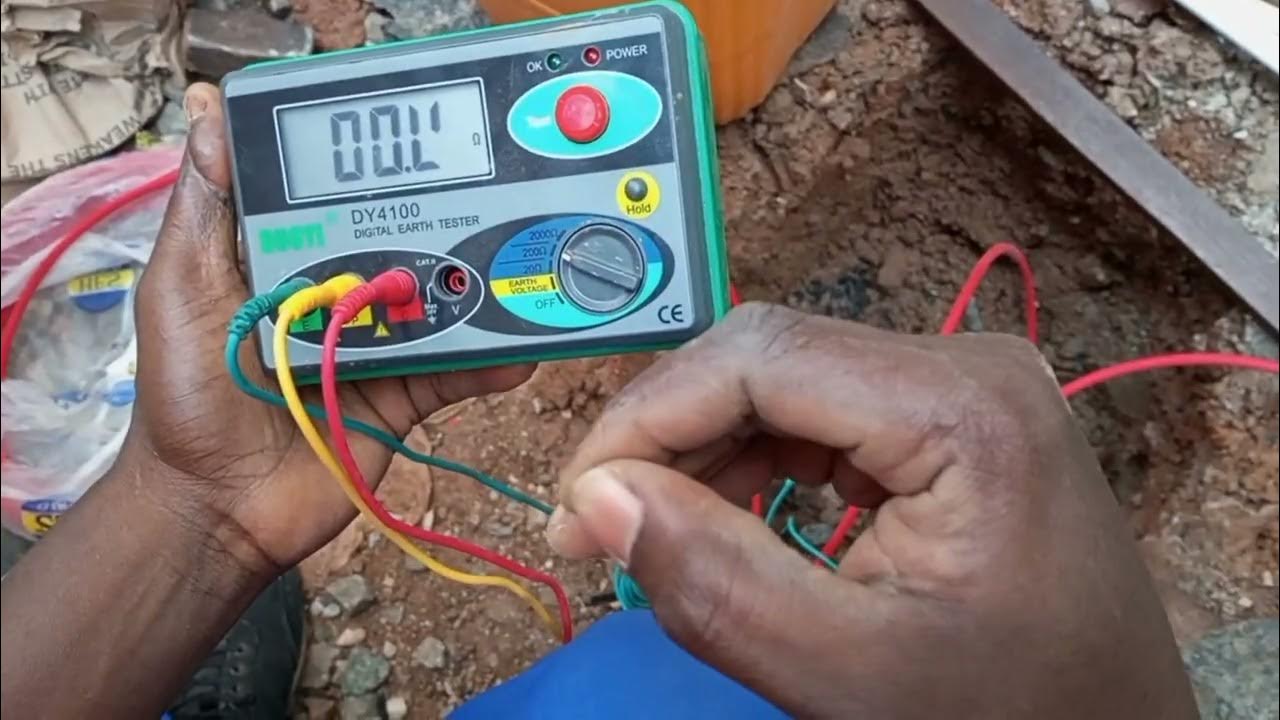
A properly designed grounding system is one of the most important elements of any electrical installation. It provides a safe path for fault current, helps stabilise system voltage, and protects both people and equipment from electrical hazards. However, installing a grounding system is only part of the process. Regular testing is equally important to verify that the system continues to perform as intended over time.
Grounding systems can deteriorate because of soil conditions, corrosion, construction work, or environmental changes. Without periodic inspection, these issues may go unnoticed until they contribute to equipment failure or safety risks.
For electricians, engineers, and maintenance professionals, an earth ground resistance tester is an essential instrument for evaluating the effectiveness of grounding systems and supporting compliance with electrical safety standards. Earth testers are designed to measure the resistance between a grounding system and the earth, helping verify that fault current has a safe and reliable path to ground in industrial, commercial, and utility installations.
What Is an Earth Ground Resistance Tester?
An earth ground resistance tester is a specialised electrical testing instrument used to measure the resistance of a grounding system.
The tester injects a controlled electrical current into the ground and measures the resulting voltage drop to calculate the resistance value.
This measurement helps determine whether the grounding system can safely dissipate fault current during electrical faults or lightning events.
Why Ground Resistance Testing Matters
Grounding systems are designed to provide a low-resistance path that safely directs unwanted electrical energy into the earth.
Routine testing helps:
- Verify grounding effectiveness.
- Improve electrical safety.
- Protect sensitive equipment.
- Reduce the risk of electric shock.
- Support regulatory compliance.
- Detect deteriorating grounding systems.
- Minimise unexpected equipment failures.
Regular inspections are particularly important for facilities operating critical electrical infrastructure.
How Earth Resistance Testing Works
Most earth testers operate by introducing a known test current into the ground and measuring the corresponding voltage.
Using these values, the instrument calculates ground resistance based on electrical principles.
Depending on the testing method, measurements may involve auxiliary ground stakes or clamp-on sensors that simplify testing without disconnecting the grounding conductor.
Modern digital instruments provide fast and accurate readings while reducing operator error.
Common Testing Methods
Different grounding installations require different testing techniques.
Three Point Testing
This is one of the most widely used methods for measuring earth resistance.
Temporary test stakes are driven into the ground at specified distances, allowing the tester to calculate the resistance of the grounding system accurately.
Four Point Testing
The four point method is often used for more precise soil resistivity and grounding system analysis, particularly during system design or large installation projects.
Clamp On Testing
Clamp on testers measure ground resistance without disconnecting the grounding conductor.
This method is particularly useful for:
- Operational facilities.
- Commercial buildings.
- Industrial plants.
- Preventive maintenance programmes.
Because system downtime is minimised, clamp on testing has become increasingly popular for routine inspections.
Earth testers are available in clamp-on, handheld digital, and traditional two-point, three-point, and four-point testing configurations, allowing users to select the most appropriate method for different grounding applications.
Applications Across Different Industries
Ground resistance testing supports many industries where electrical safety is essential.
Industrial Facilities
Manufacturing plants rely on effective grounding to protect machinery, automation systems, and electrical distribution equipment.
Electrical Utilities
Substations and power distribution networks require reliable grounding to support safe operation and lightning protection.
Commercial Buildings
Ground testing helps maintain the integrity of electrical installations within office buildings, shopping centres, and mixed-use developments.
Telecommunications
Communication towers and networking infrastructure depend on low-resistance grounding to protect sensitive electronic equipment.
Renewable Energy Systems
Solar farms, battery storage installations, and wind energy systems require properly maintained grounding systems for safe operation.
Features to Consider
Selecting the right tester depends on the intended application.
Important considerations include:
- Maximum resistance measurement range.
- Testing method.
- Display type.
- Measurement accuracy.
- Safety category rating.
- Data logging capability.
- Battery life.
- Portability.
Choosing equipment that matches the operating environment improves both efficiency and measurement reliability.
Best Practices for Ground Testing
Reliable test results depend on proper testing procedures.
Recommended practices include:
- Following the manufacturer’s instructions.
- Inspecting test leads before use.
- Performing measurements under suitable conditions.
- Recording results for future comparison.
- Testing grounding systems at regular intervals.
Comparing historical measurements can help identify gradual deterioration before it becomes a safety concern.
Supporting Preventive Maintenance
Ground resistance testing is an important part of preventive maintenance programmes.
Regular inspections help maintenance teams:
- Detect corrosion.
- Identify damaged grounding conductors.
- Monitor changes in soil conditions.
- Prevent unexpected electrical faults.
- Extend equipment service life.
A proactive maintenance strategy reduces both operational risk and long-term repair costs.
Choosing the Right Instrument
The most suitable earth tester depends on the complexity of the installation and the frequency of testing.
Basic portable models may be appropriate for routine inspections, while advanced digital instruments with multiple testing methods and data logging capabilities are often preferred for industrial facilities and utility applications.
Selecting the correct instrument helps improve testing efficiency while providing accurate and repeatable measurements.
Conclusion
An effective grounding system is fundamental to electrical safety, equipment protection, and reliable power distribution. Regular testing ensures that grounding systems continue to perform as intended despite environmental changes and long-term wear.
Whether inspecting industrial facilities, commercial buildings, substations, or renewable energy installations, an earth ground resistance tester provides an accurate and dependable method of verifying grounding performance and supporting safe electrical operation. RS Philippines offers a wide range of earth testers, including clamp-on, digital, handheld, and earth tester kits from trusted manufacturers such as Fluke, Megger, Chauvin Arnoux, Kewtech, Extech, and RS PRO.