Behind the Design: What Makes a Floor Plan Functional, Compliant & Beautiful?
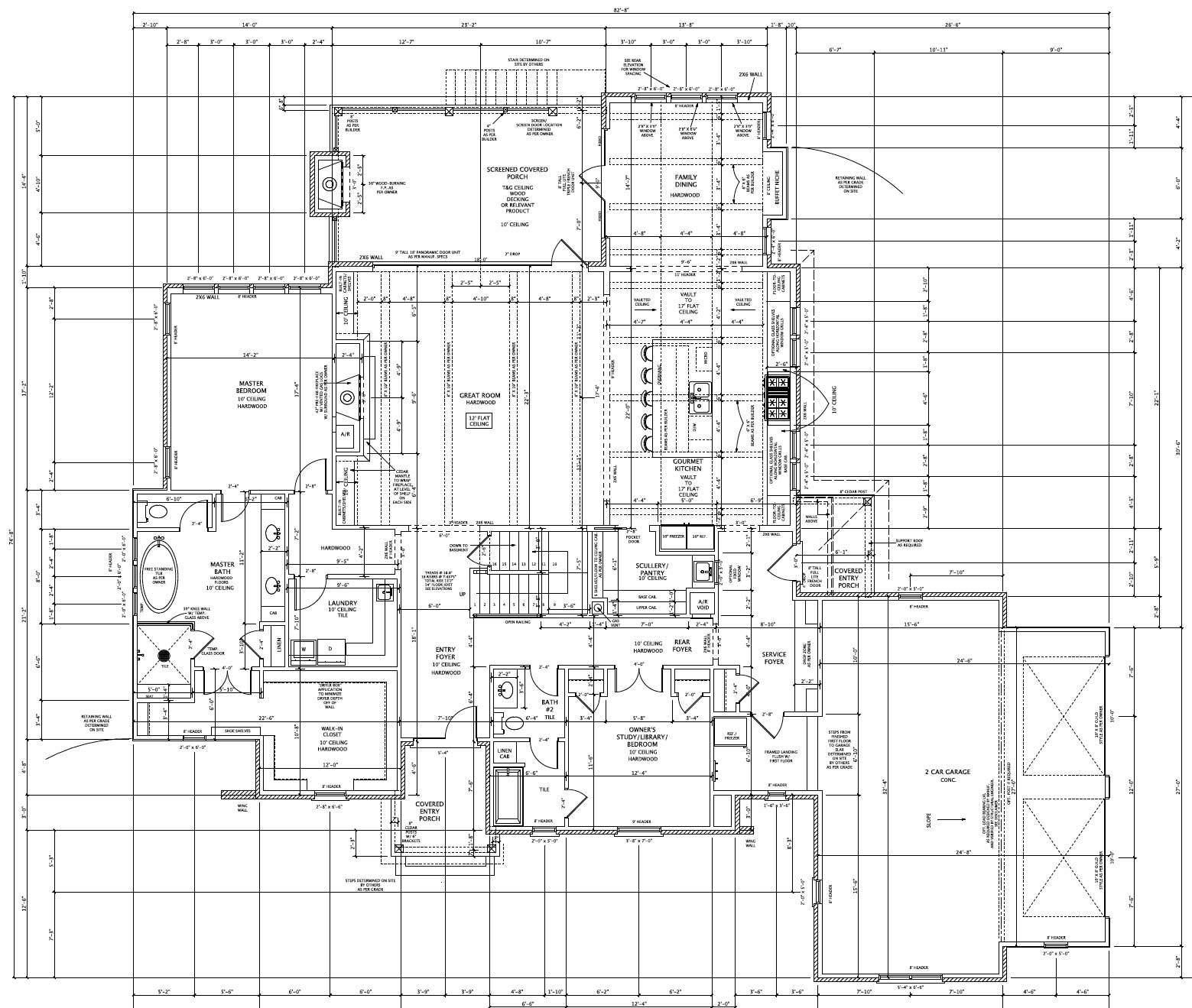
A floor plan is more than a simple sketch of rooms and walls — it’s the foundation of how a home feels, operates and supports the people who live in it. A well-crafted layout brings together practicality, regulation and visual harmony, resulting in a home that’s both enjoyable and built for longevity.
Here’s what designers consider when shaping a truly successful floor plan.
What Makes a Floor Plan Functional?
A functional floor plan supports daily routines with comfort and ease. It’s designed with real-life living in mind.
1. Smart Circulation & Flow
Movement through the home should feel effortless. A functional layout avoids:
- tight or awkward corridors
- confusing dead ends
- narrow or uncomfortable transitions
Instead, it promotes smooth connections between key living spaces, especially the kitchen, family areas and outdoors.
2. Purposeful Use of Space
Every part of the layout should have intention. Highly functional plans:
- limit unnecessary hallway length
- combine zones creatively (e.g., laundry within the bathroom)
- include multi-use areas like study nooks, mudrooms or flexible storage
3. Effective Zoning
Zoning ensures that noisy areas and quiet rooms coexist comfortably. For example:
- bedrooms placed away from main living hubs
- bathrooms positioned discreetly
- dedicated guest, children’s or retreat zones
Zoning improves privacy, comfort and liveability.
4. Appropriately Sized Rooms
A functional room isn’t just sized to fit furniture — it provides comfortable circulation, logical door swings and proportions that feel right.
What Makes a Floor Plan Compliant?
Compliance ensures the design meets essential building codes, safety standards and local council rules.
1. Setback, Height & Boundary Rules
Every floor plan must fit within the site’s legal building envelope, including:
- front, side and rear setbacks
- maximum height limits
- footprint restrictions (especially relevant for granny flats)
2. MinimumSize & Light Requirements
Regulations often specify minimums for:
- bedroom sizes
- window openings and ventilation
- ceiling heights
- natural light access
A compliant plan works these requirements in from the start, without compromising design quality.
3. Safety & Accessibility
Depending on the project, compliance may include:
- step-free entries
- appropriate corridor and door widths
- logical circulation paths
- placement of smoke alarms and essential safety features
These elements ensure the home is safe, accessible and ready for all stages of life.
4. Services & Build Practicalities
A great plan accounts for what you can’t see, such as:
- plumbing stack locations
- electrical planning
- structural load paths
- drainage restrictions
Behind every polished floor plan is careful coordination to ensure the home can actually be built efficiently and correctly.
What Makes a Floor Plan Beautiful?
A beautiful floor plan creates a sense of balance, calm and connection. It’s not just about looks — it shapes how the home feels.
1. MaximisingNatural Light
Thoughtful orientation brings sunlight into the home at the right times of day, enriching warmth, comfort and the perceived spaciousness of every room.
2. Visual Harmony
Aesthetically pleasing layouts consider:
- proportion
- balance
- alignment of interior elements
Small adjustments — like shifting a doorway or aligning windows — can transform how a space feels.
3. Strong Indoor–Outdoor Connection
Designs that open up to alfresco spaces or gardens enhance both beauty and liveability. Well-placed openings create seamless flow between inside and outside.
4. Memorable Design Features
These intentional details elevate a home:
- a picture window showcasing greenery
- an inviting entry that frames the first impression
- a thoughtfully placed island bench
- a cosy nook or reading corner
Beauty is about the atmosphere — the sense of ease and delight the layout creates.
How Designers Balance All Three Elements
An exceptional floor plan blends:
- function (daily comfort and usability)
- compliance (regulation and buildability)
- beauty (emotional and visual appeal)
Designers must interpret block shape, orientation, council requirements, lifestyle needs and construction constraints to achieve a layout that feels natural and works in every way.
When function, compliance and beauty come together seamlessly — that’s when a floor plan truly stands out.