Curly Wig Styling Tips: Heat, Parting, Volume, and Frizz Control
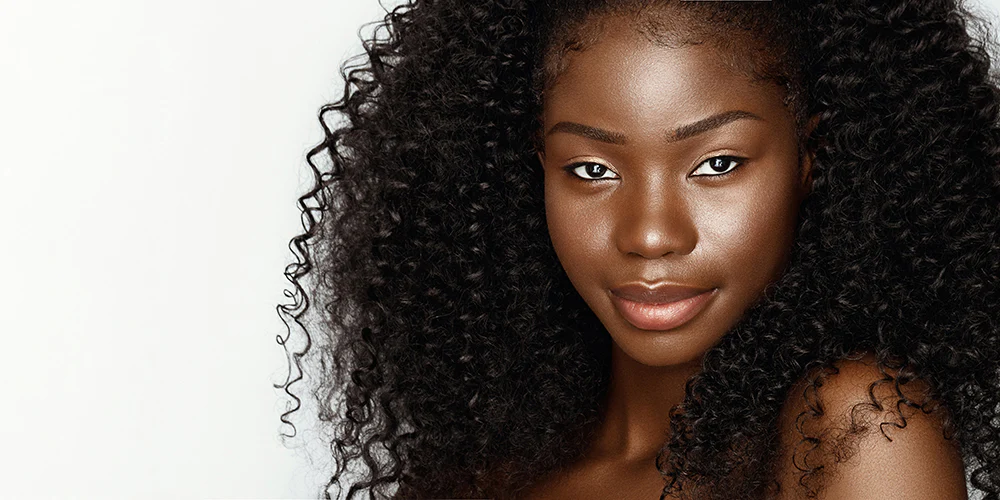
Styling a curly wig is different from styling straight hair because curls “remember” shape, react to humidity, and change dramatically depending on how much you manipulate them. The goal is to work with the curl pattern, not against it. Below are practical, beginner-friendly tips for using heat safely, changing your part, boosting volume, and keeping frizz under control—whether you’re wearing tight coils from luvme curly wigs or a softer curl pattern with a more effortless finish.
1) Heat styling: when to use it, and how to avoid ruining curls
Most curly wigs look best with minimal heat. Heat can loosen curl pattern over time, especially on lighter or color-treated shades. That said, heat can be useful for small adjustments like flattening the top, shaping face-framing pieces, or smoothing the ends for a cleaner silhouette.
Best practices for heat
- Use heat only on clean, dry hair. Damp hair + heat increases damage risk and can create frizz.
- Always apply heat protectant (light mist, not heavy oil).
- Keep temperature moderate. For many human-hair wigs, staying around 300–350°F (150–175°C) helps reduce curl loosening. Use the lowest setting that works.
- Use heat strategically. Instead of flattening all curls, press only the root area near the part or lightly shape the surface layer.
If curls loosen: You can often bring pattern back by washing, conditioning, then re-defining on soaking-wet hair with mousse or curl cream. However, repeated high heat can permanently relax the curl.
2) Parting tips: natural-looking scalp, symmetry, and realism
Changing the part is one of the fastest ways to refresh your look. The key is making the part look realistic and keeping the curl pattern intact.
How to create a clean part
- Put the wig on, align it, then use the end of a rat-tail comb to draw a part line.
- Clip hair away from the part and lightly mist the root area.
- For lace wigs, use a little foundation powder on the lace/scalp area to match your skin tone (avoid heavy product that can stain the lace).
How to “train” the part
- If the hair keeps springing back, use low heat: wrap the root area around the part with a satin scarf for 5–10 minutes after lightly blow-drying on low (or use warm air briefly). This helps the hair set without crushing curls.
Side part vs middle part
- A middle part looks sleek and balanced and can make curls appear more uniform.
- A deep side part adds instant volume and drama and can help soften facial angles.
3) Volume: build it at the roots without turning it into frizz
Volume should come from lifting at the roots, not from brushing out the entire curl pattern.
Methods that work
- Root fluffing only: Once the wig is fully dry, insert fingers at the roots and gently lift. Avoid raking through mid-lengths.
- Pick at the root (carefully): Use a wide-tooth pick and stop before you reach the curl lengths.
- Targeted diffusing: Flip your head slightly (or place the wig on a stand and tilt it) and diffuse the roots on low airflow.
- Clip-and-dry: Place small clips at the roots while the hair dries to create lift without disturbing curl clumps.
What to avoid
- Brushing curls dry if you want definition. Dry brushing creates maximum volume but usually increases frizz and reduces curl clumping.
4) Frizz control: humidity-proof habits that actually help
Frizz is usually caused by one (or more) of these: dryness, too much touching while drying, product buildup, or high humidity.
Frizz control checklist
- Style on very wet hair so curls form clumps.
- Use lighter layers of product (mousse or curl cream first; gel only if needed).
- Hands off while drying. Touching curls as they dry separates clumps and creates fuzz.
- Seal the ends. A tiny amount of lightweight serum on the ends can reduce friction and flyaways (use sparingly to avoid buildup).
- Clarify occasionally. If curls feel sticky, limp, or tangle easily, buildup may be the cause. A gentle clarifying wash (not too frequent) can reset the hair.
Humidity tip: In humid weather, a small amount of gel or anti-humidity mousse can help curls hold together longer than cream alone.
5) Quick style upgrades: define, soften, and frame the face
Curly wigs look most natural when they have intentional shape.
- Finger-coil a few curls near the face to make the front look polished.
- Create soft layers by pinning sections while drying (instead of cutting immediately). This lets you preview shape.
- Use a light edge brush effect (if you like baby hairs), but keep it minimal—over-styled edges can make wigs look less natural.
6) Feature focus: styling the Ready-to-Go Blonde Highlight Water Wave Short Curly Bob (Glueless, Pre-Cut Lace)
This wig style is a great example of how texture, length, and construction influence your styling routine. It’s a short curly bob with a water-wave pattern, blonde highlights, and a glueless minimalist HD lace design with pre-cut lace—meaning it’s built for quick wear, but still benefits from smart styling.
How to style the water-wave pattern
- Choose lightweight stylers (mousse is often ideal). Water-wave textures can lose bounce if overloaded with heavy creams or oils.
- Refresh by misting with water and scrunching. If needed, add a small amount of mousse to the mid-lengths and ends, then let it air-dry.
How to keep a bob shape crisp
- For a bob, the perimeter matters. If one side puffs out, re-wet that section and scrunch upward, then let it dry without touching.
- Avoid over-fluffing the sides; lift volume mainly at the crown and roots to keep a clean silhouette.
How to protect highlighted hair
- Highlighted shades can feel drier. Use a moisturizing conditioner and minimize heat.
- If you do use heat to smooth the top, keep it quick and low-temp, and avoid repeated passes.
Working with glueless HD lace + pre-cut lace
- Since the lace is designed for easy wear, keep products away from the hairline so the lace stays clean and invisible.
- If you want extra security, use a light wig grip band rather than heavy glue, especially for daily wear.
7) Human hair curly wigs: styling flexibility with realistic movement
A curly wig human hair usually offers the most natural movement and the easiest restyling, but it also behaves like real hair: it can dry out, react to weather, and change over time depending on heat and product use. The upside is control—you can reshape, redefine, and refresh with consistent results as long as you keep moisture and gentle handling in your routine.
Key takeaway
For the best curly wig styling results, focus on root control, curl clumping, and minimal manipulation. Use heat only where it adds value (roots, part line, surface smoothing), build volume at the roots instead of brushing through curls, and fight frizz with water-based definition and hands-off drying. Once you learn how your texture responds, styling becomes fast, repeatable, and effortlessly natural-looking.