Top Healthcare Franchise Opportunities: Home Care, Medical Staffing, Urgent Care, and More
Healthcare franchises attract owners because demand is tied to real life: aging populations, chronic conditions, busy families, and employers who need reliable coverage for their teams. Unlike many consumer trends that rise and fall, healthcare services are often needed in every economy. Franchises can also offer a clearer launch path, with established branding, operating systems, vendor relationships, and training for clinical and non-clinical roles. Still, success depends on matching the model to your market, staffing reality, and comfort level with regulations. A smart choice starts with understanding how each segment earns revenue, manages risk, and delivers consistent patient experiences while protecting trust and safety.
A roadmap to high-demand care models.
Home Care Franchises Built Around Daily Support
Home care franchises are centered on helping people remain safe and comfortable in their own homes while maintaining independence. Many models focus on non-medical assistance such as companionship, mobility support, meal preparation, and help with routines, which can create steady recurring schedules rather than one-time visits. On the business side, growth is built through repeatable operations caregiver recruiting and retention, reliable scheduling, strong compliance habits, and systems that support consistent service delivery across a territory. For investors and operators evaluating franchise models, A Better Solution In Home Care Franchise opportunity can sit naturally as a B2B-oriented option tied to scalable processes and a recognizable identity. This space rewards operational discipline, careful matching of caregivers to client needs, and clear communication that protects service quality while supporting expansion.
Medical Staffing Franchises Solving Workforce Gaps
Medical staffing franchises operate like a bridge between facilities and licensed professionals, helping hospitals, clinics, long-term care centers, and home health agencies fill shifts when internal schedules cannot keep up. The value is speed and reliability: a facility can maintain patient coverage without burning out its permanent team, and clinicians can choose flexible work options. Franchise owners focus heavily on recruiting pipelines, credential verification, compliance documentation, and relationship management with staffing coordinators. Revenue is driven by bill rates and utilization, so margins depend on accurate timekeeping, well-managed payroll, and clear contracts that outline cancellation terms and overtime rules. This model can scale quickly in metro areas with multiple facilities, but it also requires consistent attention to risk controls, background checks, and performance feedback loops that keep quality high and repeat requests coming.
Urgent Care Franchises for Convenient, Same-Day Access
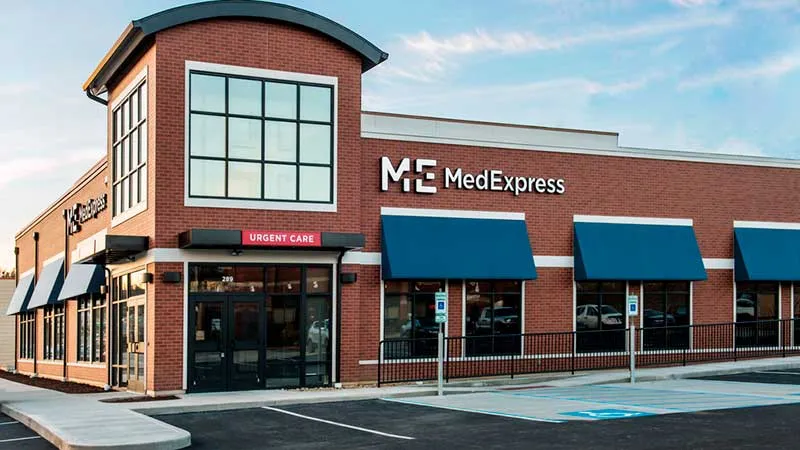
Urgent care franchises meet a simple need: convenient clinical care for non-emergency problems when primary care appointments are not available. Many centers handle minor injuries, infections, basic diagnostic testing, and occupational health services, which can diversify revenue beyond walk-in visits. Operational success depends on patient flow, staffing mix, hours that match community behavior, and a front-desk process that prevents long waits from damaging reviews. Technology choices matter here—online check-in, transparent pricing communication, and clean documentation can reduce frustration while improving throughput. Owners also need strong local awareness, because urgent care is often chosen based on proximity, visibility, and trust. A well-run center can become part of the community’s routine, serving families after work and supporting employers with pre-employment exams, return-to-work evaluations, and injury triage that lowers lost-time incidents.
Behavioral Health and Therapy Franchises Addressing Everyday Strain
Behavioral health franchises, including counseling, outpatient therapy, and related wellness services, are expanding as more people seek support for anxiety, stress, family conflict, and life transitions. These models can be clinic-based, hybrid, or coordinated with telehealth, depending on the brand and local requirements. Operationally, the biggest driver is clinician availability and retention, since access and continuity influence outcomes and referrals. Many owners grow through partnerships with schools, employers, and primary care offices that want a dependable referral option. Clear intake processes, privacy safeguards, and consistent care coordination create stability for clients who may already feel overwhelmed. This segment also benefits from thoughtful community presence—educational workshops, local outreach, and a patient-first tone that reduces stigma. Franchise systems that provide training in scheduling, documentation standards, and client communication can help owners build a practice that feels organized, calm, and trustworthy.
Diagnostics, Rehab, and Preventive Care Franchises With Repeat Visits
Diagnostics and preventive care franchises can include physical therapy, imaging support, lab services, wellness screenings, and other clinic-based offerings designed to catch problems early or restore function after injury. These models often generate repeat visits, which can support predictable scheduling and stronger patient relationships over time. Success depends on referral channels, insurance navigation, and an experience that makes people comfortable returning week after week. For rehabilitation-focused locations, outcomes and patient motivation matter, so owners benefit from teams that communicate progress clearly and celebrate small improvements without hype. Preventive models often rely on convenience and clarity—patients want to understand what a test means and what next steps look like. This category can be attractive in areas with growing populations, active lifestyles, and employer groups seeking screening programs. Strong operational systems help keep documentation accurate, reduce billing friction, and protect the brand’s reputation.
Conclusion: Choosing a Model That Fits Your Market and Team
Healthcare franchise opportunities can be rewarding when the business model matches local demand and your ability to recruit and retain the right people. Home care leans on scheduling and caregiver stability, staffing leans on recruiting pipelines and compliance, urgent care leans on patient flow and visibility, therapy leans on clinician access and trust, and diagnostics or rehab leans on repeat visits and referral confidence. The strongest decision often comes from a grounded look at your community: demographics, facility density, insurance mix, competition, and the real availability of clinicians or caregivers. A franchise can provide structure, but daily execution still determines outcomes. Choose a segment you can operate consistently, build relationships carefully, and run with steady standards that keep patients and partners comfortable over time.