Why Does My Crown Hurt When I Put Pressure On? Signs 2026
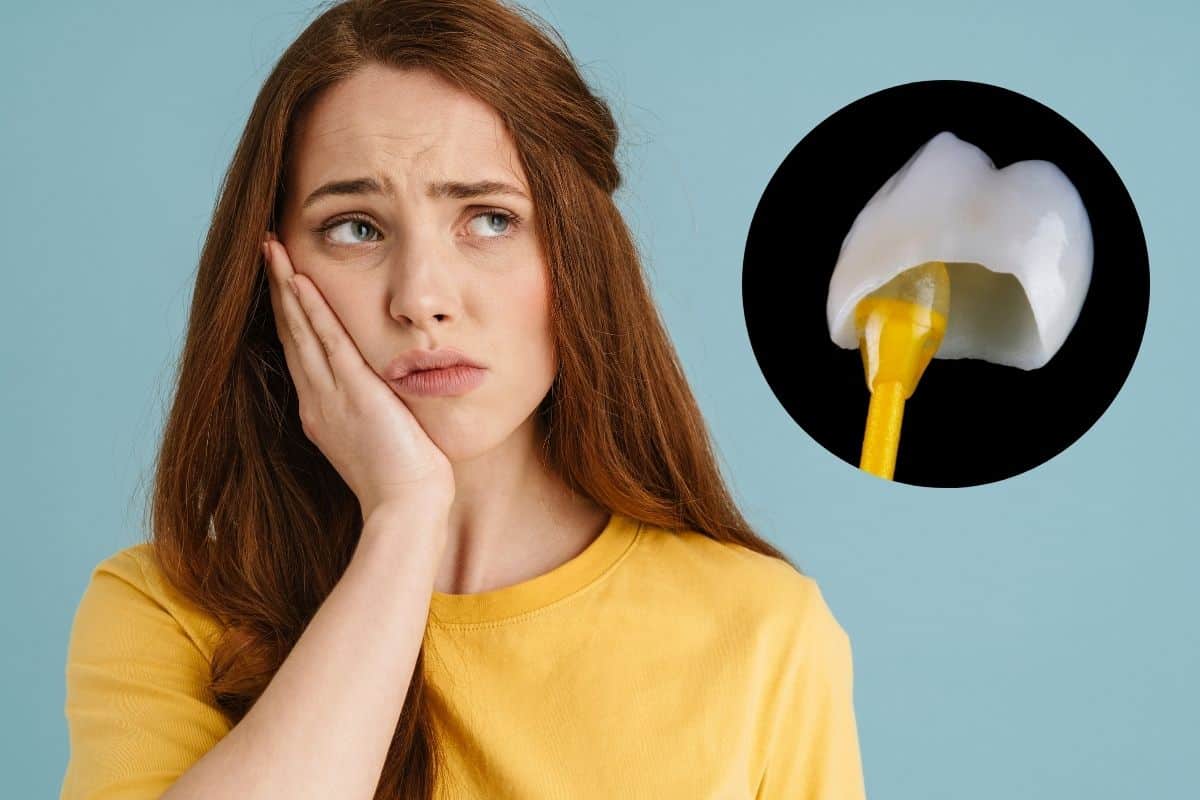
Why does my crown hurt when I put pressure on it — this question is one of the most common concerns dentists hear from patients every week. Dental crowns are designed to protect damaged teeth and restore normal biting function.
So when pressure creates sharp or throbbing pain, it is your tooth signaling that something needs attention. Some discomfort in the first few days after a new crown is normal. But pain that lingers, worsens, or appears suddenly in an older crown is not.
What Is a Dental Crown and Why Can It Cause Pain?

A dental crown is a tooth-shaped cap placed over a damaged or weakened natural tooth. It restores the tooth’s shape, size, strength, and appearance. Crowns are commonly placed after root canals, large fillings, or significant tooth decay.
The crown itself is artificial. It cannot feel pain. But the tooth structure beneath the crown, the nerve, the ligament, and the surrounding gum tissue — all of those are very much alive and capable of pain.
When pressure on the crown triggers pain, the source is almost always something happening below the crown. Identifying that source is what leads to relief.
Is It Normal for a Crown to Hurt Under Pressure?
Some sensitivity in the first three to five days after getting a new crown is completely normal. Your tooth has been prepared, shaped, and fitted with a new restoration. The surrounding tissues need time to settle.
Mild soreness when chewing during the first week is generally not a concern, especially when it is slowly improving each day.
Pain that persists beyond two weeks, pain that is worsening instead of improving, or pain that appears suddenly in an existing crown that was previously comfortable — none of these are normal. All of them require a dental evaluation.
Top 11 Reasons Why Does My Crown Hurt When I Put Pressure On
1. High Bite — Crown Placed Too High
This is the single most common reason crown pain under pressure occurs. When a crown is placed even slightly too high, it becomes the first point of contact when you bite down. Every chew sends more pressure to that one tooth than it can handle.
Even a fraction of a millimeter too high creates a noticeable imbalance. Over time, the excess force inflames the periodontal ligament — the tissue connecting the tooth root to the jawbone — causing a deep, persistent ache.
The fix is quick. Your dentist reshapes the crown surface using articulating paper to identify the exact high spot. Most patients feel relief within days.
2. Bite Misalignment
Bite misalignment can develop immediately after crown placement or gradually over time as your natural bite shifts with age.
When your teeth do not meet evenly, certain teeth absorb disproportionate force. The crowned tooth may feel sore, especially after meals that involve a lot of chewing.
Misalignment can also cause headaches, jaw soreness, and tension in the face muscles — all connected to an uneven bite putting stress on the crowned area.
3. Nerve Irritation (Reversible Pulpitis)
Even a well-placed crown can irritate the nerve inside the tooth during the preparation process. This is called reversible pulpitis — inflammation of the pulp that the tooth can heal from on its own.
The tooth was reshaped and fitted with a new restoration. The nerve inside reacts to that process. You feel sensitivity to pressure, hot, and cold during the healing period.
Reversible pulpitis usually resolves within a few weeks without any additional treatment. Your dentist may recommend a desensitizing toothpaste and anti-inflammatory medication to manage symptoms while healing occurs.
4. Nerve Infection (Irreversible Pulpitis)
If the nerve inside the crowned tooth becomes severely inflamed or infected, reversible pulpitis progresses into irreversible pulpitis. This does not heal on its own.
Symptoms include throbbing pain that comes and goes, sharp pain when biting, prolonged sensitivity to heat, and sometimes swelling around the gum near the tooth.
Irreversible pulpitis almost always requires root canal therapy. The infected nerve tissue is removed, the canal is cleaned and sealed, and a crown is placed back over the treated tooth.
5. Decay or Cavity Under the Crown
A crown covers the visible portion of the tooth, but the margin where the crown meets the gumline can develop a gap over time. Bacteria enter through that gap and begin decaying the tooth structure underneath.
This process is silent at first. Eventually, the decay reaches the sensitive inner layers of the tooth and starts causing pain under pressure. You may also notice sensitivity to sweets or cold foods.
Regular dental checkups catch this early. X-rays can detect decay beneath the crown before it becomes a serious infection.
6. Cracked Tooth Under the Crown
A cracked tooth under the crown is one of the most frequently missed causes of crown pain under pressure. The crack may be invisible to the eye but large enough to let temperature, bacteria, and pressure reach the nerve.
A classic sign of a hidden crack is pain that occurs when you release biting pressure — not just when you press down. The crack opens under pressure and snaps shut upon release, pinching the nerve.
Diagnosis requires a bite test using a small tool called a Tooth Slooth, along with digital X-rays or CBCT imaging in some cases. Treatment depends on the depth and severity of the crack.
7. Cracked or Damaged Crown
The crown itself can crack, chip, or fracture under strong bite forces or trauma. A damaged crown can shift slightly or press unevenly on the underlying tooth.
This creates both structural problems and bacterial entry points. Bacteria sneak under the broken crown and begin attacking the tooth.
A visibly chipped crown or one that feels sharp against your tongue needs immediate attention. Your dentist will assess whether the crown can be repaired or needs full replacement.
8. Loose Crown or Failed Cement
Dental crowns are cemented into place with a strong bonding agent. Over time, the cement can break down, especially if the crown has been in place for many years.
A loose crown shifts slightly when you bite. That movement creates pain and exposes the tooth underneath to saliva and bacteria. Once bacteria get under the crown, decay and infection can develop quickly.
Signs of a loose crown include a clicking or rocking sensation when you bite, a change in how the crown feels in your mouth, or sudden sensitivity after years of no problems.
Contact your dentist immediately if your crown feels loose. Do not try to remove it at home.
9. Gum Recession Around the Crown
When gum tissue around a crowned tooth pulls back, the margin between the crown and the tooth root becomes exposed. This area has no enamel protection and is highly sensitive to pressure, temperature, and bacteria.
Gum recession can result from gum disease, aggressive brushing, age, bruxism, or tobacco use. Once exposed, the root surface becomes sore when any pressure is applied.
Treatment depends on how far recession has progressed. Options range from improved oral hygiene and desensitizing agents to gum graft surgery in more severe cases.
10. Teeth Grinding (Bruxism)
Many people clench or grind their teeth at night without knowing it. This habit is called bruxism, and it is one of the most damaging habits for both natural teeth and dental crowns.
Grinding places enormous repeated force on the crown and the tooth beneath it. Over time this wears down the crown material, stresses the underlying tooth, and inflames the periodontal ligament.
Bruxism patients often wake up with jaw soreness, headaches, or facial muscle tension. Their sleep partners may also hear grinding sounds at night. A custom-fitted night guard from the dentist distributes pressure more evenly and protects the crown from grinding forces.
11. Gum Disease Around the Crown
Bacteria and plaque can build up around the base of a crown just as they do around natural teeth. If plaque is not removed regularly through brushing and flossing, gingivitis or periodontitis can develop around the crown margin.
Inflamed gums become swollen, tender, and painful when pressed or chewed against. The gum pocket around the crowned tooth deepens as disease progresses, exposing more of the root.
Good oral hygiene around the crown prevents this entirely. But if gum disease has already developed, a professional dental cleaning and possibly antibiotic treatment are needed.
Warning Signs: When Crown Pain Under Pressure Is Serious
Not all crown pain is equal. Some types are mild and resolve quickly. Others signal a serious problem that needs urgent care.
Signs That Need Prompt Dental Attention
Pain that lasts more than two weeks without improvement is a red flag. Pain that is getting progressively worse rather than staying the same needs to be evaluated.
Throbbing or constant aching that does not need a trigger — just aches on its own — usually means a nerve infection is developing. This does not go away without treatment.
Swelling in the gum around the crowned tooth, visible pus, or a pimple-like bump on the gum near the tooth indicates an abscess. This is a dental emergency. An abscess is a bacterial infection and can spread if left untreated.
A bad taste in your mouth near the crowned tooth, pain when touching the gum with your tongue, or swelling in the face are all emergency-level symptoms.
Crown Pain Severity Guide
| Symptom | How Serious | Recommended Action |
|---|---|---|
| Mild soreness 1–5 days after new crown | Normal | Monitor, use OTC pain relief |
| Sensitivity to hot or cold for 1–2 weeks | Low concern | Desensitizing toothpaste, monitor |
| Pain when biting that persists beyond 2 weeks | Moderate concern | Schedule dental visit |
| Throbbing or constant ache under the crown | High concern | See dentist within days |
| Swelling around the crown | Urgent | Same-day or next-day dental visit |
| Swelling in the face, difficulty swallowing, fever | Emergency | Emergency dental care immediately |
| Loose or rocking crown | Urgent | Same-day dental visit |
| Visible pus near the crown | Emergency | Emergency dental care immediately |
How Does a Dentist Diagnose Why Your Crown Hurts?
When you visit your dentist with crown pain under pressure, they use a systematic approach to find the exact cause.
They start by reviewing your dental history — how long the crown has been in place, when the pain started, what type of pain it is, and what makes it better or worse.
Next comes a clinical exam. The dentist visually inspects the crown and surrounding gum tissue for swelling, discoloration, or recession. They apply pressure to different areas to locate the pain precisely.
The bite is checked using articulating paper — a thin colored paper that marks where your teeth contact. Any high spot on the crown shows up immediately on the paper.
Digital X-rays reveal decay beneath the crown, infection at the root tip, changes in the bone, or a cracked root. In complex cases, a CBCT scan provides a 3D image of the tooth and surrounding structures.
A bite test using a Tooth Slooth — a small plastic tool you bite down on — helps isolate which cusp or surface of the tooth is causing the pain. This is especially useful for diagnosing cracked tooth syndrome.
Treatment Options for Crown Pain Under Pressure
Bite Adjustment
This is the most common and simplest fix. If the crown is sitting too high, the dentist reshapes its surface by removing tiny amounts of material until the bite is balanced.
The procedure is quick and painless. Most patients feel relief within two to three days as the periodontal ligament recovers from the excess pressure.
Root Canal Therapy
When nerve infection (irreversible pulpitis) is confirmed, root canal therapy is necessary. The dentist or an endodontist removes the infected nerve tissue, cleans the canal system, and seals the tooth.
Root canal therapy today is nothing like its outdated reputation. Modern techniques and local anesthesia make it comparable in discomfort to getting a filling. The existing crown can often stay in place. In some cases a new crown is needed after treatment.
Crown Replacement
A crown that is cracked, chipped, ill-fitting, or has failed cement needs to be replaced. The dentist removes the old crown, checks the underlying tooth, treats any decay present, and fabricates a new, properly fitted crown.
Temporary crowns are placed while the permanent crown is made in a dental lab. Temporary crowns are more prone to discomfort — so most of this discomfort resolves once the permanent crown is placed.
Custom Night Guard
For patients with confirmed bruxism, a custom-fitted night guard is one of the most protective investments they can make. It fits precisely over the teeth and absorbs grinding forces during sleep.
Over-the-counter guards offer some protection but do not match the precision or durability of a dentist-made guard. For patients with significant bruxism, the custom option is always recommended.
Gum Treatment
If gum disease is causing the crown pain, a professional deep cleaning — called scaling and root planing — removes plaque and tartar from beneath the gumline.
More advanced gum recession may require a gum graft. Soft tissue from the roof of the mouth is used to cover the exposed root surface and restore the protective seal around the crown.
Treating Infection With Antibiotics and Drainage
If an abscess has formed beneath the crown, antibiotics are used to control the bacterial spread. However, antibiotics alone do not cure an abscess. The source of infection — whether a root canal retreat or tooth extraction — must also be addressed.
Draining the abscess provides immediate relief and prevents the infection from spreading to surrounding teeth or bone.
Treatment Summary Table
| Cause of Crown Pain | Primary Treatment | Additional Notes |
|---|---|---|
| High bite / misaligned crown | Bite adjustment | Quick, painless, same-day fix |
| Reversible pulpitis | Anti-inflammatories, desensitizing toothpaste | Resolves on its own in weeks |
| Irreversible pulpitis / nerve infection | Root canal therapy | May keep or replace existing crown |
| Decay under the crown | Remove decay, re-crown | Extent of decay determines complexity |
| Cracked tooth | Crown, root canal, or extraction | Depth of crack determines option |
| Cracked or damaged crown | Crown repair or replacement | X-rays and exam guide decision |
| Loose or failed cement | Re-cement or replace crown | Prompt treatment prevents decay |
| Gum recession | Deep clean, gum graft | Severity determines treatment level |
| Bruxism / teeth grinding | Custom night guard | Prevents ongoing crown damage |
| Gum disease | Scaling, root planing, antibiotics | Regular maintenance required |
Home Remedies for Temporary Crown Pain Relief
Home remedies do not fix the underlying cause. But they can reduce discomfort while you wait for your dental appointment.
Over-the-Counter Pain Relievers
Ibuprofen is particularly effective for dental pain because it reduces both pain and inflammation. Acetaminophen also helps manage pain. Always follow dosage instructions on the packaging.
Salt Water Rinse
Dissolve half a teaspoon of salt in a cup of warm water. Rinse gently around the affected crown for 30 seconds. Salt water reduces inflammation and helps keep the area clean.
Cold Compress
Apply a cold pack wrapped in a cloth to the outside of your cheek for 15 minutes at a time. This reduces swelling and numbs surface pain. Never apply ice directly to the skin.
Clove Oil
Clove oil contains eugenol, a natural analgesic with mild antibacterial properties. Apply a tiny amount to a cotton ball and dab it gently on the gum area around the painful crown. Do not use it inside the mouth in large amounts.
Soft Diet
Avoid hard, chewy, sticky, or crunchy foods until you can see your dentist. Stick to soft foods like yogurt, mashed potatoes, eggs, and soup. This reduces pressure on the crowned tooth and prevents making the problem worse.
Avoid Temperature Extremes
Hot coffee, cold ice water, and acidic drinks can all trigger or intensify crown pain. Stick to room temperature foods and drinks while symptoms are active.
Crown Pain After a Root Canal — What You Should Know
It is common for patients who have had a root canal to later ask why does my crown hurt when I put pressure on it. Root canal teeth can still develop pain under pressure for several reasons.
The most common cause is a high crown placed after the procedure. Since the nerve was removed, you cannot feel the crown being shaped as precisely. Small high spots are common and easy to correct with a bite adjustment.
The periodontal ligament — the tissue surrounding the root — was not removed during the root canal. It remains alive and sensitive. If inflamed from the original infection or the procedure itself, it causes aching when pressure is applied. This usually resolves within two to four weeks.
Persistent pain in a root canal tooth months or years later often means reinfection, a cracked root, or a failed crown seal that allowed new decay to develop beneath. These all require professional evaluation and retreatment.
Crown Pain Months or Years After Placement — What Changed?
Many people are confused when a crown that has been comfortable for years suddenly starts hurting under pressure.
Several things can change over time. The cement holding the crown in place can slowly break down, allowing micromovement. Gum tissue naturally recedes with age, exposing root surfaces. Old fillings beneath the crown can develop secondary decay.
Bite patterns shift as we age or lose other teeth. A crown that was once balanced in the bite may gradually become a high point as surrounding teeth move or wear down.
Any sudden change in how a long-standing crown feels — more sensitive, slightly loose, painful under pressure — is worth a dental visit to assess before the situation progresses.
How to Prevent Crown Pain Under Pressure
Prevention is always easier and less expensive than treatment. These habits protect your crown and the tooth beneath it.
Maintain Good Oral Hygiene Around the Crown
Brush twice a day with a soft-bristled toothbrush. Floss daily, using flossing tools or a water flosser to clean around the crown margin. Plaque at the gumline leads to decay and gum disease — both of which cause crown pain.
Attend Regular Dental Checkups
Every six months your dentist checks your crown for wear, fit, and any early signs of decay beneath it. Catching a problem at the small stage is always far simpler than treating it at the serious stage.
Wear a Night Guard If You Grind
If you grind your teeth, a night guard is essential. It prevents the grinding forces that wear down crowns and inflame the underlying tooth over time.
Avoid Chewing Hard Objects
Ice, hard candy, popcorn kernels, and fingernails all place excessive force on crowns. A crown is durable but not indestructible. One well-placed bite on something hard can crack a crown or a tooth under it.
Address Bite Changes Promptly
If your bite ever feels different after a new crown — even slightly off — return to your dentist for an adjustment right away. The sooner a high bite is corrected, the less inflammation and pain develop.
Crown Pain in Special Situations

Crown Hurts When Biting But Not Sensitive to Hot or Cold
This specific pattern usually points to a high bite or a crack in the tooth structure rather than a nerve infection. Temperature sensitivity is more associated with nerve involvement. Pressure-only pain with no temperature sensitivity often means the nerve is intact and the issue is mechanical.
Crown Hurts After Years With No Problems
Sudden pain in an old, previously comfortable crown can mean the cement has failed, new decay has developed underneath, the bite has shifted, or gum recession has exposed the root margin. All of these are identifiable and treatable once examined.
Crown Hurts Only When Chewing Hard Foods
This often points to a cracked tooth or cracked crown. Hard foods generate the impact force necessary to trigger the crack-related nerve pain, while soft foods do not. A bite test at the dentist can isolate the exact cusp responsible.
Crown Hurts More at Night
Nocturnal crown pain that is aching and constant suggests nerve involvement — either inflammation or infection. Night-time pressure from bruxism can also cause crowns to feel sore by morning.
Differences Between Normal and Abnormal Crown Pain
Understanding the difference helps you decide when to act.
| Situation | Type of Pain | Duration | Action |
|---|---|---|---|
| New crown, first few days | Mild pressure sensitivity | 3–7 days | Normal, monitor |
| New crown, temperature sensitivity | Sharp but brief | Up to 2 weeks | Normal if improving |
| New crown, pain that is worsening | Sharp when biting | Beyond 2 weeks | See dentist |
| Old crown, sudden new pain | Sharp or throbbing | Ongoing | See dentist soon |
| Any crown, constant ache | Throbbing or dull | Not improving | Urgent dental visit |
| Any crown, swelling or fever | Severe | Ongoing | Emergency care now |
Frequently Asked Questions (FAQs)
Why does my crown hurt when I put pressure on it even though I had a root canal?
The nerve is removed but the surrounding ligament is still alive. A high bite, reinfection, or cracked root can all cause pressure pain after a root canal.
How long is it normal for a crown to hurt after placement?
Mild soreness for three to seven days is normal. If pain continues past two weeks or is getting worse, see your dentist for an evaluation.
Can a crown get a cavity underneath it?
Yes. Bacteria can enter through the margin where the crown meets the gumline and decay the underlying tooth. Regular X-rays detect this early before it causes severe damage.
What does it mean when my crown throbs?
Throbbing pain under a crown usually signals nerve inflammation or infection. This does not resolve on its own and typically requires root canal therapy.
Can a crown crack or break?
Yes. Hard foods, trauma, or teeth grinding can all crack a dental crown. A cracked crown exposes the underlying tooth and needs prompt replacement or repair.
Is it normal to feel pressure on a new crown when biting?
A slight sensation of the crown when biting is normal for the first few days. But actual pain or a feeling that the crown is hitting harder than other teeth means a bite adjustment is needed.
What happens if I ignore crown pain?
Ignored crown pain almost always worsens. A minor bite issue becomes nerve inflammation. An early infection becomes an abscess. Delaying care increases both pain and cost of treatment significantly.
Can gum disease cause crown pain under pressure?
Yes. Inflamed gum tissue around a crowned tooth becomes tender and painful when any pressure is applied. Treating the gum disease relieves this type of crown pain.
My crown has been fine for years and now hurts. What happened?
Long-standing crowns can develop issues over time. Cement breaks down, gums recede, new decay forms, or the bite shifts. A dental exam will identify which factor has changed.
Can I fix crown pain at home without seeing a dentist?
Home remedies like ibuprofen, salt water rinses, and a soft diet reduce discomfort temporarily. They do not fix the underlying cause. Professional care is always needed for lasting relief.
Conclusion
Why does my crown hurt when I put pressure on it — the answer is almost never a mystery once your dentist examines you properly. From a simple high bite to nerve infection, a hidden crack, or decay beneath the crown, each cause has a clear path to treatment. What matters most is not ignoring the signal your tooth is sending.
In 2026, dental technology makes diagnosing crown pain faster and more accurate than ever. Digital X-rays, CBCT scans, and precision bite testing allow dentists to pinpoint the exact source of discomfort quickly and treat it appropriately. Most causes of crown pain are highly treatable — especially when caught early.
If your crown hurts when you put pressure on it, start with basic home relief. Avoid hard foods. Take ibuprofen as directed. But do not stop there. Book a dental evaluation within days, not weeks. The sooner the cause is identified, the simpler the fix tends to be. Your crown was placed to protect your tooth — let your dentist protect your crown.