Is Bluey a Boy or a Girl? Facts You Should Know 2026
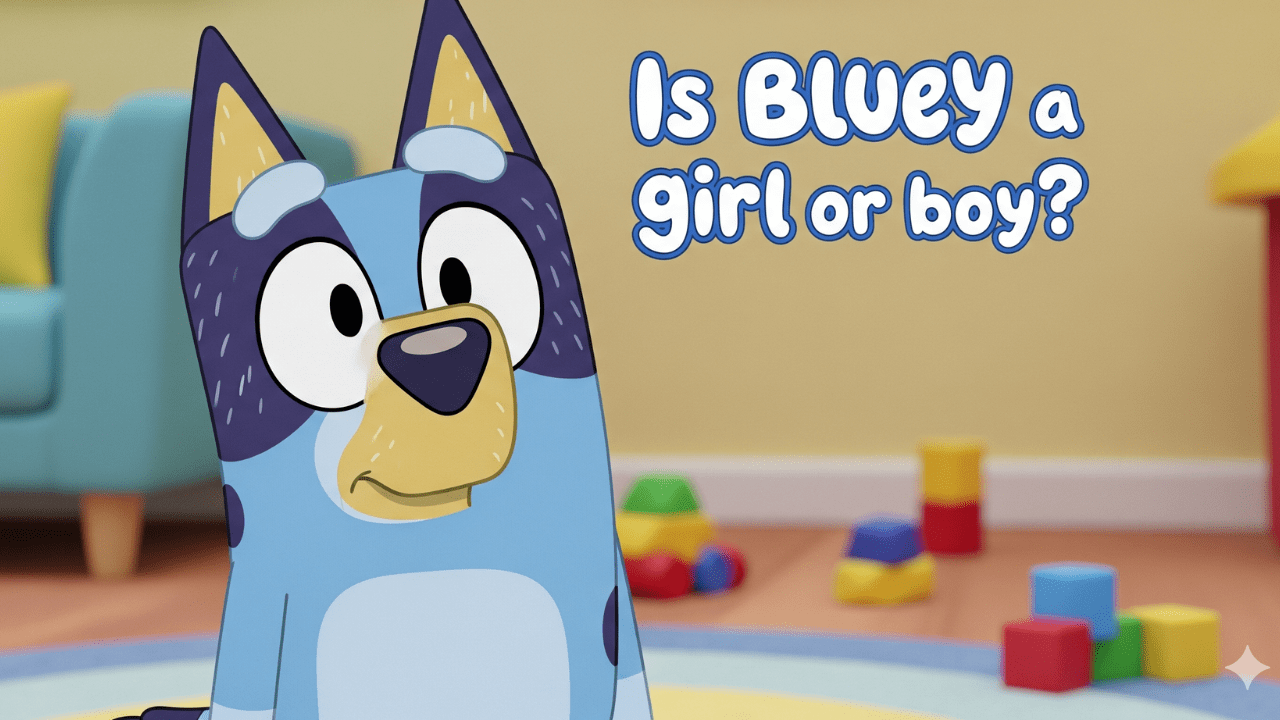
Is Bluey a boy or a girl? This is one of the most searched questions about the hit Australian animated series Bluey. Millions of parents and kids around the world have wondered about the gender of the show’s lovable blue main character.
The answer is simple: Bluey is a girl. But there is so much more to understand about why people get confused, what the show’s creators intended, and why Bluey’s gender actually matters for children’s television. Let us break it all down for you in this complete guide.
Quick Facts Table
| Fact | Detail |
|---|---|
| Is Bluey a boy or a girl? | Girl |
| Full name | Bluey Christine Heeler |
| Age | 6–7 years old |
| Breed | Blue Heeler (Australian Cattle Dog) |
| Sister | Bingo Heeler (younger, also a girl) |
| Dad | Bandit Heeler |
| Mum | Chilli Heeler |
| Creator | Joe Brumm |
| Country of origin | Australia |
| Network | ABC Kids (Australia), Disney+ (worldwide) |
| First aired | 2018 |
| Confirmed gender in show | Season 2, Episode 39 “Double Babysitter” |
What Is Bluey?
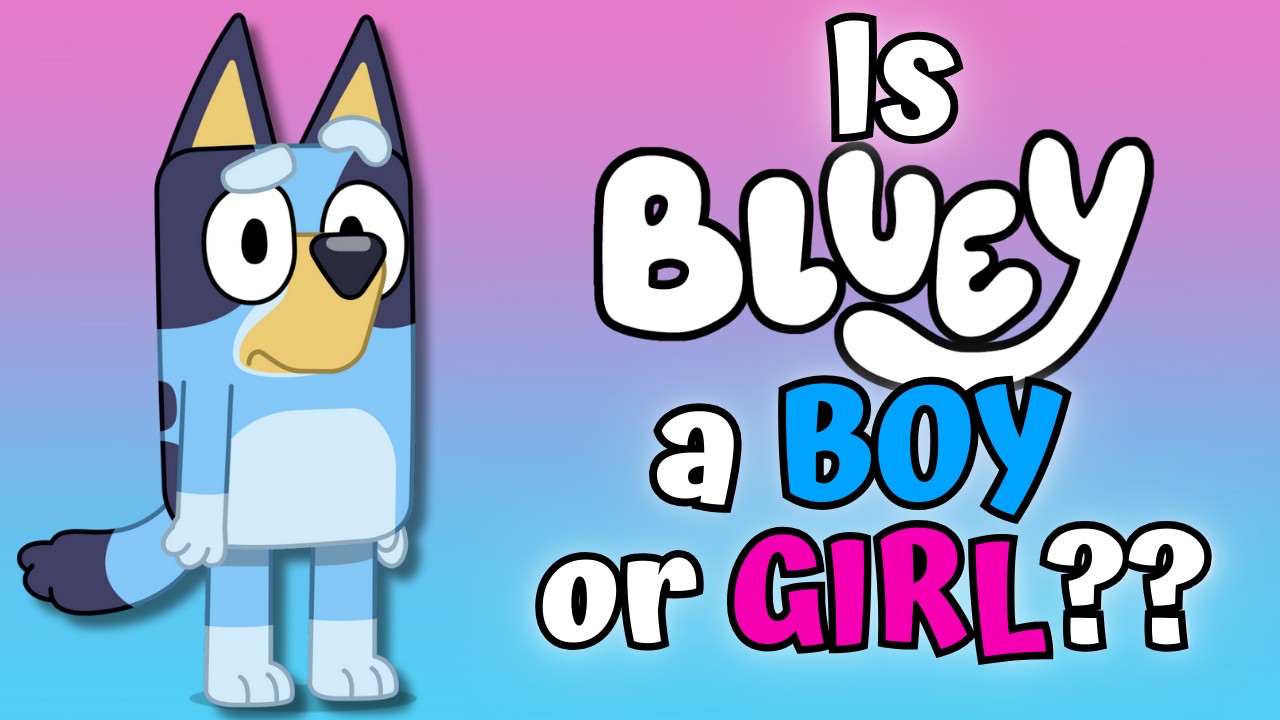
Bluey is an Australian animated children’s television series created by Joe Brumm. It first aired in 2018 on ABC Kids in Australia and later became available worldwide on Disney+.
The show follows a six-year-old Blue Heeler puppy named Bluey who lives in Brisbane, Australia, with her mum Chilli, her dad Bandit, and her younger sister Bingo. Each episode is about seven minutes long.
Bluey is not just a kids’ show. It has become a cultural phenomenon loved equally by children and parents. According to Nielsen rankings, Bluey surpassed Cocomelon as the most popular children’s program in the United States in 2023. In terms of minutes watched, it ranked second only to the legal drama Suits among all streaming content that year.
Is Bluey a Boy or a Girl? The Direct Answer
Bluey is a girl. This is confirmed directly by the show’s official website, the show’s creator Joe Brumm, and within the series itself.
In Season 2, Episode 39, titled “Double Babysitter,” Bluey’s uncle Radley Heeler jokingly refers to Bluey as a boy. Bluey immediately responds by shouting, “I’m a girl!” This moment was clearly included by the writers to directly address the widespread confusion among viewers.
Bandit, her father, also refers to Bluey using the pronouns “she” and “her.” The parents call Bluey and Bingo “the girls” throughout the series. There is no ambiguity from the creators’ side. Bluey is unquestionably female.
Why Do People Think Bluey Is a Boy?
This is the real question. The confusion around Bluey’s gender is genuine and has multiple causes.
The Color Blue Association
The most common reason people assume Bluey is a boy is because of the color blue. In many cultures, especially Western ones, blue has long been associated with boys and pink with girls.
Bluey has blue fur, a blue body, and a blue appearance overall. For viewers who are watching for the first time and relying on color cues, this immediately triggers the assumption that the character must be male.
She Looks Like Her Dad
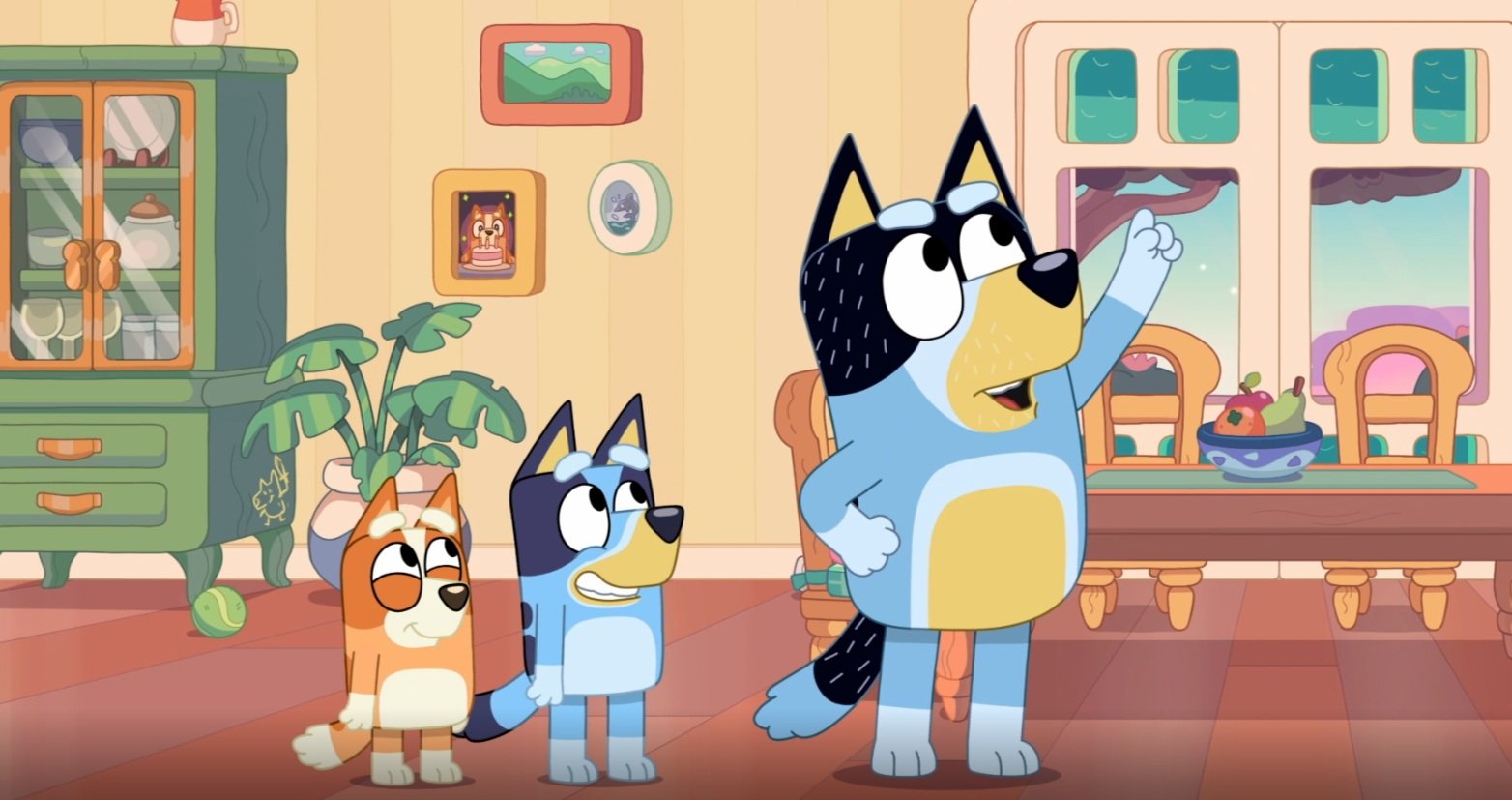
Bluey’s coat color matches her father Bandit’s coat color. Both are blue heelers with similar blue-toned appearances. Bingo and Chilli, meanwhile, are red heelers with warm reddish-brown tones.
Because Bluey looks like her dad rather than her mum, some viewers assume the father-daughter color match means she must be male. But this is simply how genetics and the breed’s natural coat colors work.
The Breed Explanation
Blue Heelers are Australian Cattle Dogs that can have either a blue or red coat. The coat color comes from black or red hair mixed with white, giving the visual appearance of either blue-grey or reddish-orange coloring.
In the Heeler family, Bandit and Bluey share the blue coat while Chilli and Bingo share the red coat. This is a breed characteristic, not a gender marker.
No Typical Feminine Visual Cues
Most children’s cartoon characters that are female have obvious feminine markers: dresses, bows, ribbons, pink accessories, eyelashes, or makeup. Think of characters like Minnie Mouse or Daisy Duck.
Bluey has none of these. She does not wear dresses. She has no bows or ribbons. She plays rough, tumble games and runs around with boundless energy. For viewers who are used to visual gender coding in cartoons, the absence of these markers creates confusion.
Gender-Neutral Play and Activities
Bluey plays games like Keepy Uppy, Octopus, and Tickle Crab. These are not stereotypically gendered games. She climbs, runs, tackles, and gets dirty. She does not play with dolls or tea sets. She does not engage in activities that are traditionally coded as feminine in children’s entertainment.
This is a deliberate creative choice that makes some viewers assume she must be a boy.
The Blue’s Clues Comparison
Older viewers might remember a similar situation with Blue’s Clues, a children’s Nickelodeon show that ran from 1996 to 2006. The main character Blue was also a blue-colored dog and also turned out to be a girl. The same pattern of blue-colored-dog-assumed-to-be-male has repeated itself with Bluey.
Australian Accent Confusion
This one is subtle but real. When Bluey is praised with phrases like “good work” or “good job” spoken in Australian accents, some non-Australian listeners have reported that it can sound like “good boy” to unfamiliar ears. This small auditory confusion can reinforce the assumption that Bluey is male.
Bluey’s Full Name and Identity
Bluey’s full name is Bluey Christine Heeler. She is a six-year-old Blue Heeler puppy who lives in Brisbane, Australia.
Bluey is the eldest daughter of Bandit and Chilli Heeler. Her younger sister is Bingo, who is also a girl. Both sisters are central characters in the show.
In some episodes, Bluey takes on different character names during imaginative play. She has been called Margaret and Karen during various roleplay games, which further confirms her female identity within the story.
Why Was Bluey Originally Almost a Boy?
Creator Joe Brumm has confirmed that his original concept for the show focused on a male heeler puppy named Rusty. Rusty was going to be the main character before the show was developed further.
The decision to change the main character to a girl came later in the development process. Along with this change came the creation of the characters Chilli, Bandit, and Bingo as a complete family unit.
Rusty did eventually make it into the show as one of Bluey’s classmates. Many fans notice that Rusty and Bluey look very similar, and now they know why. They were originally designed around the same concept.
The choice to make Bluey a girl was meaningful. It allowed the show to explore the relationship between two sisters, which creates unique storytelling opportunities that would not have been possible with a male lead.
How Bluey Breaks Gender Stereotypes
The fact that Bluey is a girl but does not fit traditional female character archetypes is intentional and important.
Bluey Plays Like a Real Kid
Bluey plays the way real children play, regardless of gender. She climbs, invents games, pretends, runs, wrestles, and explores. The games she plays are universal, not gendered.
This reflects how children actually behave when left to their natural instincts. Children of all genders enjoy building, running, pretending, and playing freely. Bluey mirrors this reality.
Her Parents Challenge Gender Norms Too
Bandit, Bluey’s dad, is very involved in childcare and household activities. He plays games with the kids, takes them on adventures, and handles domestic duties. He is the “fun parent” in many ways.
Chilli, Bluey’s mum, works a part-time job, fixes toilets, teaches her kids to throw a ball, and handles practical problems. She is capable, assertive, and not limited to nurturing roles.
Together, Bandit and Chilli model a modern, equitable parenting relationship that challenges both male and female stereotypes at the same time.
The Blue Color Is Reclaimed
By giving the female lead a blue coat, the show directly challenges the cultural association between blue and boys. Bluey’s blue color is not an accident. It is a creative statement.
The show asks viewers to stop coding color as gender. A girl can be blue. A girl can be rough. A girl can be loud, active, and adventurous. Bluey makes this point not through lectures but simply by existing and being wonderful.
Inclusive for All Children
Because Bluey does not conform to feminine stereotypes, both boys and girls can watch the show and relate to her equally. Boys are not made to feel like they are watching a “girl’s show.” Girls are not limited to pink, passive, quiet behavior as a model.
This is rare in children’s entertainment, where shows are typically heavily marketed toward either boys or girls with very different visual and narrative styles.
Bingo’s Gender: Also a Girl
While the question “Is Bluey a boy or a girl” usually focuses on Bluey, it is worth clarifying that Bingo, Bluey’s younger sister, is also a girl.
Bingo has a reddish-orange coat similar to her mother Chilli. Her coloring is warmer, which some people associate with femininity. As a result, fewer people question Bingo’s gender.
However, both Heeler children are girls. The show is built around two sisters and their relationship with their parents. This family dynamic is central to the stories the show tells.
The Cultural Impact of Bluey Being a Girl
Bluey is not just a popular show. It is a cultural conversation starter.
Parents Discover the Truth Late
It is not uncommon for parents to watch multiple episodes of Bluey before realizing the main character is female. TikTok mom @ohhowcharming posted in February 2024 that she had no idea Bluey was a girl until she bought a board book for her child. Her post went viral because so many parents shared the same experience.
This pattern reveals something important: the show has succeeded so well at stripping gender from its storytelling that even engaged, caring parents watching with their children do not always pick up on the gender cues that do exist.
A Strong Female Lead That Does Not Feel Like One
In most children’s media, a strong female lead character is positioned as a role model specifically because she is female and strong. The show announces her gender and her strength together.
Bluey simply is. She is active and imaginative and joyful and imperfect and complicated, and the show never makes a big deal of the fact that she is a girl. Her gender is not a theme. It is just a fact. This is what makes it radical.
Joe Brumm’s Real Life Inspiration
Joe Brumm based the show on his own life. He grew up in Brisbane with a real blue heeler dog named Bluey. He and his wife are raising two young daughters of their own.
The show is a love letter to parenthood and to the specific experience of raising girls in modern Australia. Brumm told Deadline in a 2024 interview that showing how children change you completely was central to his vision for the show. The show is deeply personal and the fact that both children are girls reflects his own family.
Bluey and Bingo: The Sister Relationship
The relationship between Bluey and Bingo is one of the emotional cores of the show.
Bluey is six to seven years old. Bingo is four to five years old. They fight, play, make up, compete, and love each other deeply. The episodes explore sibling dynamics with remarkable accuracy and warmth.
This sister-sister dynamic creates storytelling possibilities that a brother-sister or brother-brother dynamic would not. The show explores how older sisters lead and younger sisters follow, how jealousy and admiration coexist, and how siblings build each other up even when they argue.
The Heeler Family: Understanding the Breed Colors
To understand why the color confusion exists, it helps to understand the actual breed.
Australian Cattle Dogs come in two varieties: Blue Heelers and Red Heelers.
Blue Heelers have a coat where black or dark hairs are mixed with white, giving a blue-grey appearance. Red Heelers have red or orange hairs mixed with white, giving a reddish appearance.
In the Heeler family on the show:
Bandit is a Blue Heeler. Bluey is a Blue Heeler who inherited her father’s coat color. Chilli is a Red Heeler. Bingo is a Red Heeler who inherited her mother’s coat color.
The coat color division in the family is about genetics and breed, not about gender. Grandpa Heeler has darker grey and black tones. Uncle Stripe is predominantly blue with reddish stripes. None of these color variations correspond to the gender of the character.
What Age Is Bluey in the Show?
Bluey is six years old when the show begins. Across the series, she is sometimes depicted as slightly older, around seven years old.
Bingo is four years old at the start of the show.
Bandit and Chilli are the parents. The show deliberately keeps their ages ambiguous, but they are portrayed as a couple in their late thirties.
Where Can You Watch Bluey?
Bluey is available on several platforms depending on your location.
In Australia, the show airs on ABC Kids and can be streamed on ABC iView. In the United States, Bluey is available on Disney+ and Disney Junior. In the United Kingdom, it is available on BBC iPlayer and CBeebies. It has also been broadcast in Canada, New Zealand, and many other countries through various regional streaming and broadcast partners.
The show is one of the most streamed children’s programs in the world and continues to grow its audience.
Episodes That Confirm Bluey Is a Girl
The clearest in-show confirmation comes from Season 2, Episode 39, “Double Babysitter.” In this episode, Uncle Rad refers to Bluey as a boy as a joke. Bluey immediately and firmly responds, “I’m a girl.” This line was clearly written to address the audience confusion directly.
Throughout the show, Bandit refers to Bluey and Bingo collectively as “the girls.” Chilli uses female pronouns when talking about both her daughters. These references are consistent throughout all three seasons.
Bluey Season 4: What We Know
As of 2026, Bluey Season 4 has been confirmed and is in development. The creators have indicated they will take time to develop the new season carefully, which is why the gap between seasons has been longer than fans hoped.
The final episode of Season 3 gave viewers a hint of Bluey and Bingo growing older, which suggests future seasons may follow them as they mature. The show has always been grounded in real childhood milestones and family changes, so Season 4 is expected to continue that tradition.
The Educational Value of Bluey
Bluey is not just entertaining. It covers serious and meaningful topics within its short seven-minute episodes.
The show has explored bullying, disabilities, grief and death, infertility, and family changes. It handles these topics with honesty and sensitivity, making it a valuable teaching tool for parents.
Creator Joe Brumm has described each episode as a chance to make a short film, with its own emotional arc, humor, and meaning. This commitment to quality is what has made the show resonate so deeply with adult viewers as well as children.
Why Bluey’s Gender Actually Matters
Some people say gender does not matter when it comes to a children’s show. And in one sense they are right. Children do not need to know or care about Bluey’s gender to enjoy the show.
But on a broader cultural level, it does matter. Children’s media shapes how children understand the world, gender roles, and what is possible for people like them.
By presenting a female lead who does not fit any feminine stereotype, Bluey quietly expands what children believe is possible. A girl can be blue. A girl can be adventurous. A girl can be the hero of her own story without being explicitly feminine.
And by confusing adults who rely on gender stereotypes to identify characters, Bluey reveals exactly how deep those stereotypes run. If a character needs to be pink or wear a bow to register as female, that says something important about our assumptions.
Bluey challenges those assumptions and does it with joy and humor, which is the most effective way to change minds.
Readability and Summary for New Viewers
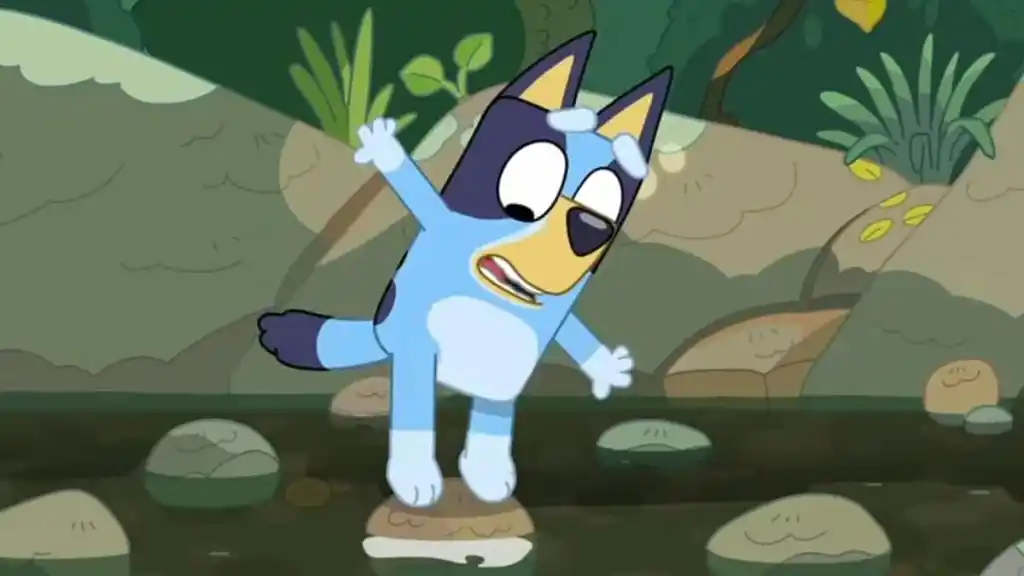
If you are new to Bluey and landed here wondering whether to start watching, here is a quick summary.
Bluey is a girl. She is six years old. She lives in Brisbane with her parents and her younger sister Bingo, who is also a girl. The show follows their everyday adventures.
The show is funny, warm, emotionally intelligent, and genuinely useful for parents who want to talk to their kids about real life topics. It is one of the best children’s shows ever made, and the fact that the lead character is a girl who does not act like a stereotypical girl is a feature, not a bug.
Watch it. You will not regret it.
Frequently Asked Questions (FAQs)
Is Bluey a boy or a girl?
Bluey is a girl. This is confirmed by the show’s creator, the official website, and within the show itself when Bluey says, “I’m a girl” in Season 2 Episode 39.
Why does Bluey look like a boy?
Bluey has blue fur and plays active, rough-and-tumble games without any traditionally feminine accessories. This breaks typical cartoon gender coding, which is why many viewers assume she is male.
Is Bingo a boy or a girl?
Bingo is also a girl. She is Bluey’s younger sister and has a reddish-orange coat similar to her mother Chilli, though her gender is less frequently questioned than Bluey’s.
What is Bluey’s full name?
Bluey’s full name is Bluey Christine Heeler. She is a six-year-old Blue Heeler puppy living in Brisbane, Australia, with her family.
Who created Bluey?
Bluey was created by Joe Brumm and produced by Ludo Studio in Brisbane, Australia. The show is based on Brumm’s personal experiences raising his two daughters.
Why is Bluey blue if she is a girl?
Bluey’s blue coat reflects her breed. She is a Blue Heeler, an Australian Cattle Dog with a blue-grey coat caused by black and white hairs mixing together. The color represents her breed and her connection to her dad, not her gender.
Where can I watch Bluey?
Bluey is available on Disney+ in the United States, ABC iView in Australia, BBC iPlayer in the United Kingdom, and various other regional streaming and broadcast platforms worldwide.
How old is Bluey?
Bluey is six years old at the start of the show. She is sometimes portrayed as six or seven years old across different seasons. Her younger sister Bingo is around four to five years old.
Was Bluey originally going to be a boy?
Yes. Creator Joe Brumm originally planned to center the show on a male heeler named Rusty. The decision to make the main character a girl came later in development. Rusty eventually became one of Bluey’s classmates in the show.
Is Bluey Season 4 confirmed?
Yes, Bluey Season 4 has been confirmed and is in development as of 2026. The creators are taking time to develop the new season carefully, with hints from Season 3 suggesting the characters may be shown growing older.
Conclusion
So, is Bluey a boy or a girl? Bluey is a girl, confirmed by her creator, the show’s official materials, and a memorable moment in Season 2 where she says so herself.
The confusion is understandable given that she has blue fur, plays without gender stereotypes, and carries none of the typical visual markers that cartoons use to signal female characters.
But that confusion is exactly the point. Bluey challenges us to stop reading gender from colors and behaviors. In doing so, it creates a character that every child can love and relate to regardless of their own gender. And that is what makes Bluey one of the most important children’s shows of this generation.