The Role of Emergency Lighting in Fire Safety and Evacuation
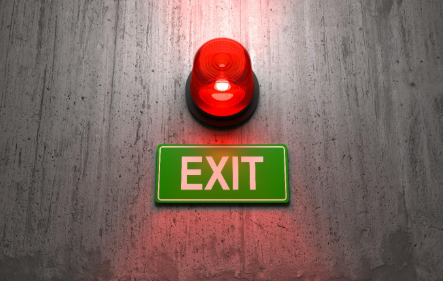
Emergency lighting is a vital part of fire safety systems, designed to provide illumination when the main power supply fails. It ensures that people can see clearly, find exits, and evacuate safely without confusion. In critical moments, it works hand in hand with fire alarm systems to guide occupants out of danger quickly and efficiently.
In many buildings, safety providers, like R.P. Biederman Company, highlight how emergency lighting strengthens fire safety systems by improving visibility and reducing panic during evacuations. When alarms trigger, having a well-lit escape path can make a significant difference in how smoothly people exit the building.
How Emergency Lighting Improves Visibility During Emergencies
Whenever there is smoke due to fire or sudden power loss, emergency lighting immediately activates to keep essential areas illuminated.
It helps by:
- Lighting up corridors, staircases, and exits.
- Making safety signage visible even in low visibility conditions.
- Preventing accidents like slips, trips, or falls.
This simple function ensures that people are not left disoriented in a high-risk situation.
Guiding Safe and Organized Evacuation
In an emergency, people often panic. Emergency lighting plays a quiet but powerful role in bringing order to chaos.
Here’s how it supports evacuation:
- Highlights Exit Routes: Clearly marks pathways leading to safe exits.
- Reduces Confusion: Helps occupants avoid wrong turns or blocked paths.
- Maintains Flow: Prevents overcrowding by guiding movement in the right direction.
When people can see where to go, they move faster and more confidently.
Supporting Fire Alarm System Effectiveness
Emergency lighting becomes even more effective when integrated with fire alarm systems. While alarms alert people about the danger, lighting shows them exactly what to do next.
This coordination ensures:
- Instant activation when alarms are triggered.
- Continuous lighting even during power outages.
- A more structured and efficient evacuation process.
Together, these systems create a safer environment where alerts and actions are perfectly aligned.
Enhancing Safety for Occupants and Responders
Emergency lighting doesn’t just help occupants. It also assists emergency responders. Firefighters and rescue teams rely on proper lighting to navigate the building and carry out operations safely.
It helps them:
- Locate people who may be trapped.
- Identify hazardous areas quickly.
- Move efficiently within the building.
This added layer of safety can be crucial in saving lives.
Key Takeaways
- Emergency lighting ensures visibility when power fails during a fire.
- It guides occupants safely toward exits and reduces panic.
- Integration with fire alarm systems improves evacuation efficiency.
- Proper lighting minimizes injuries and confusion.
- It supports both occupants and emergency responders during critical situations.
In essence, emergency lighting is not just a backup system. It’s a key component that makes fire safety and evacuation strategies truly effective.