How Online Multiplayer Games Are Changing Social Interaction
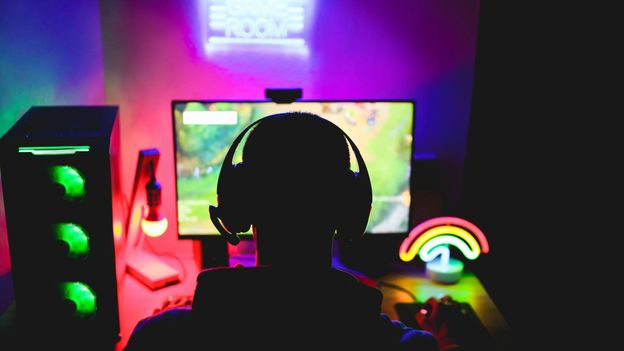
Online multiplayer games have come a long way from simple co-op modes and local split-screen sessions. Today, they’ve become massive social ecosystems where millions of players connect, communicate, and build relationships every single day. Whether it’s teaming up in competitive shooters, exploring open-world RPGs, or even casually spinning slot-style mini games, the way people interact through gaming has shifted dramatically.
At its core, online gaming is no longer just about gameplay it’s about connection.
From Solo Play to Global Communities
Back in the early days, gaming was mostly a solo experience. Even when multiplayer existed, it was often limited to friends sitting in the same room. Now, with high-speed internet and advanced platforms, players can instantly connect with others across the globe.
Games like MMORPGs and battle royale titles have created virtual worlds where people meet strangers, form teams, and build communities. Voice chat, text messaging, and even in-game emotes have replaced traditional forms of communication, making interaction faster and more dynamic.
Interestingly, this shift has also influenced other niches within gaming. For example, communities around togel predictions and slot gacor discussions often form inside gaming forums, Discord servers, or even within game-related chat groups. These conversations might not be directly tied to gameplay mechanics, but they show how online spaces naturally evolve into broader social hubs.
Gaming as a Social Platform
For many people today, online games function almost like social media. Instead of scrolling through feeds, players log into their favorite games to hang out with friends. They might not even focus heavily on winning or progressing—sometimes it’s just about spending time together.
Games with open environments, like sandbox or simulation games, allow players to create their own experiences. Whether it’s hosting virtual events, building shared spaces, or just chatting while completing simple tasks, these interactions feel surprisingly real.
In Southeast Asia, for instance, it’s common to see gaming groups that mix casual play with discussions about trending topics like slot gacor hari ini or sharing insights about numbers in togel online. It creates a hybrid social environment where entertainment and conversation blend naturally.
Breaking Down Social Barriers
One of the biggest impacts of online multiplayer games is how they break down social barriers. Age, location, and even language become less of an obstacle when people share a common interest in a game.
Players often form friendships with people they’ve never met in real life. Over time, these connections can become meaningful, sometimes even leading to real-world meetups or long-term relationships.
There’s also a sense of identity freedom. In games, players can present themselves however they choose—through avatars, usernames, and playstyle. This can make social interaction feel less intimidating, especially for those who are shy or introverted in real life.
At the same time, conversations can drift beyond the game itself. It’s not unusual for players to exchange tips about side interests, including trending topics like slot gacor malam ini or strategies related to number-based games. These shared discussions strengthen group bonds in unexpected ways.
The Rise of Voice and Real-Time Communication
Voice chat has played a huge role in transforming how players interact. Instead of typing messages, players can talk in real time, making communication more natural and expressive.
This has led to stronger teamwork in competitive games, but also deeper personal connections. Hearing someone’s voice adds a human element that text alone can’t fully capture.
However, it’s not always perfect. Toxic behavior and harassment can still occur, especially in highly competitive environments. Game developers have been working on moderation tools and reporting systems to improve the experience, but it remains an ongoing challenge.
Despite that, many communities self-regulate. Private groups, guilds, and clans often create their own safe spaces where members feel comfortable sharing not only gameplay strategies but also casual topics—including light discussions about trends like togel terpercaya or which platform currently feels “gacor.”
Economic and Cultural Influence
Online multiplayer games have also created new economic opportunities. Streamers, content creators, and esports players have turned gaming into full-time careers. Platforms like Twitch and YouTube allow players to share their gameplay and interact with audiences in real time.
This has further expanded the social aspect of gaming. Viewers don’t just watch—they engage, comment, and become part of a larger community.
At the same time, gaming culture has influenced other entertainment sectors. Concepts like daily rewards, chance-based mechanics, and progression systems have even crossed over into areas like casual betting games, including digital slot-style experiences.
It’s not surprising that discussions around slot gacor mechanics sometimes mirror gaming conversations—players analyze patterns, share “lucky moments,” and build theories together, much like they would in a typical multiplayer game.
The Future of Social Interaction in Gaming
Looking ahead, the role of online multiplayer games in shaping social interaction is only going to grow. With the rise of virtual reality (VR) and augmented reality (AR), the line between digital and real-world interaction will become even thinner.
Imagine stepping into a fully immersive virtual world where you can see and interact with other players as if they were physically there. Meetings, hangouts, and even events could all take place inside games.
We’re already seeing early versions of this with metaverse-style platforms. These environments combine gaming, social networking, and digital economies into a single experience.
And just like today, these spaces will likely host a wide range of conversations—from gameplay strategies to trending topics like togel online terpercaya or finding the latest slot gacor patterns. The social layer will continue to expand beyond the game itself.
Final Thoughts
Online multiplayer games have fundamentally changed how people connect and interact. They’ve transformed gaming from a solitary activity into a shared social experience that crosses borders and cultures.
What makes this evolution interesting is how organic it feels. Players don’t just log in to play—they log in to socialize, share ideas, and be part of something bigger.
Whether it’s coordinating a team strategy, chatting casually with friends, or even discussing trending topics like togel and slot gacor, these interactions highlight how gaming has become one of the most influential social platforms of our time.
How Online Multiplayer Games Are Changing Social Interaction
Online multiplayer games have come a long way from simple co-op modes and local split-screen sessions. Today, they’ve become massive social ecosystems where millions of players connect, communicate, and build relationships every single day. Whether it’s teaming up in competitive shooters, exploring open-world RPGs, or even casually spinning slot-style mini games, the way people interact through gaming has shifted dramatically.
At its core, online gaming is no longer just about gameplay it’s about connection.
From Solo Play to Global Communities
Back in the early days, gaming was mostly a solo experience. Even when multiplayer existed, it was often limited to friends sitting in the same room. Now, with high-speed internet and advanced platforms, players can instantly connect with others across the globe.
Games like MMORPGs and battle royale titles have created virtual worlds where people meet strangers, form teams, and build communities. Voice chat, text messaging, and even in-game emotes have replaced traditional forms of communication, making interaction faster and more dynamic.
Interestingly, this shift has also influenced other niches within gaming. For example, communities around togel predictions and slot gacor discussions often form inside gaming forums, Discord servers, or even within game-related chat groups. These conversations might not be directly tied to gameplay mechanics, but they show how online spaces naturally evolve into broader social hubs.
Gaming as a Social Platform
For many people today, online games function almost like social media. Instead of scrolling through feeds, players log into their favorite games to hang out with friends. They might not even focus heavily on winning or progressing—sometimes it’s just about spending time together.
Games with open environments, like sandbox or simulation games, allow players to create their own experiences. Whether it’s hosting virtual events, building shared spaces, or just chatting while completing simple tasks, these interactions feel surprisingly real.
In Southeast Asia, for instance, it’s common to see gaming groups that mix casual play with discussions about trending topics like slot gacor hari ini or sharing insights about numbers in togel online. It creates a hybrid social environment where entertainment and conversation blend naturally.
Breaking Down Social Barriers
One of the biggest impacts of online multiplayer games is how they break down social barriers. Age, location, and even language become less of an obstacle when people share a common interest in a game.
Players often form friendships with people they’ve never met in real life. Over time, these connections can become meaningful, sometimes even leading to real-world meetups or long-term relationships.
There’s also a sense of identity freedom. In games, players can present themselves however they choose—through avatars, usernames, and playstyle. This can make social interaction feel less intimidating, especially for those who are shy or introverted in real life.
At the same time, conversations can drift beyond the game itself. It’s not unusual for players to exchange tips about side interests, including trending topics like slot gacor malam ini or strategies related to number-based games. These shared discussions strengthen group bonds in unexpected ways.
The Rise of Voice and Real-Time Communication
Voice chat has played a huge role in transforming how players interact. Instead of typing messages, players can talk in real time, making communication more natural and expressive.
This has led to stronger teamwork in competitive games, but also deeper personal connections. Hearing someone’s voice adds a human element that text alone can’t fully capture.
However, it’s not always perfect. Toxic behavior and harassment can still occur, especially in highly competitive environments. Game developers have been working on moderation tools and reporting systems to improve the experience, but it remains an ongoing challenge.
Despite that, many communities self-regulate. Private groups, guilds, and clans often create their own safe spaces where members feel comfortable sharing not only gameplay strategies but also casual topics—including light discussions about trends like togel terpercaya or which platform currently feels “gacor.”
Economic and Cultural Influence
Online multiplayer games have also created new economic opportunities. Streamers, content creators, and esports players have turned gaming into full-time careers. Platforms like Twitch and YouTube allow players to share their gameplay and interact with audiences in real time.
This has further expanded the social aspect of gaming. Viewers don’t just watch—they engage, comment, and become part of a larger community.
At the same time, gaming culture has influenced other entertainment sectors. Concepts like daily rewards, chance-based mechanics, and progression systems have even crossed over into areas like casual betting games, including digital slot-style experiences.
It’s not surprising that discussions around slot gacor mechanics sometimes mirror gaming conversations—players analyze patterns, share “lucky moments,” and build theories together, much like they would in a typical multiplayer game.
The Future of Social Interaction in Gaming
Looking ahead, the role of online multiplayer games in shaping social interaction is only going to grow. With the rise of virtual reality (VR) and augmented reality (AR), the line between digital and real-world interaction will become even thinner.
Imagine stepping into a fully immersive virtual world where you can see and interact with other players as if they were physically there. Meetings, hangouts, and even events could all take place inside games.
We’re already seeing early versions of this with metaverse-style platforms. These environments combine gaming, social networking, and digital economies into a single experience.
And just like today, these spaces will likely host a wide range of conversations—from gameplay strategies to trending topics like togel online terpercaya or finding the latest slot gacor patterns. The social layer will continue to expand beyond the game itself.
Final Thoughts
Online multiplayer games have fundamentally changed how people connect and interact. They’ve transformed gaming from a solitary activity into a shared social experience that crosses borders and cultures.
What makes this evolution interesting is how organic it feels. Players don’t just log in to play—they log in to socialize, share ideas, and be part of something bigger.
Whether it’s coordinating a team strategy, chatting casually with friends, or even discussing trending topics like togel and slot gacor, these interactions highlight how gaming has become one of the most influential social platforms of our time.