Why Does My Hair Get Greasy After One Day? Fix It 2026
Why does my hair get greasy after one day is one of the most searched hair concerns in 2026 — and for good reason. You wash your hair in the morning, and by evening the roots already look flat, oily, and lifeless.
This is not about poor hygiene. It is about excess sebum, the natural oil your scalp produces to protect your hair. When that production goes into overdrive, grease builds up in hours not days.
What Is Sebum and Why Does It Make Hair Greasy
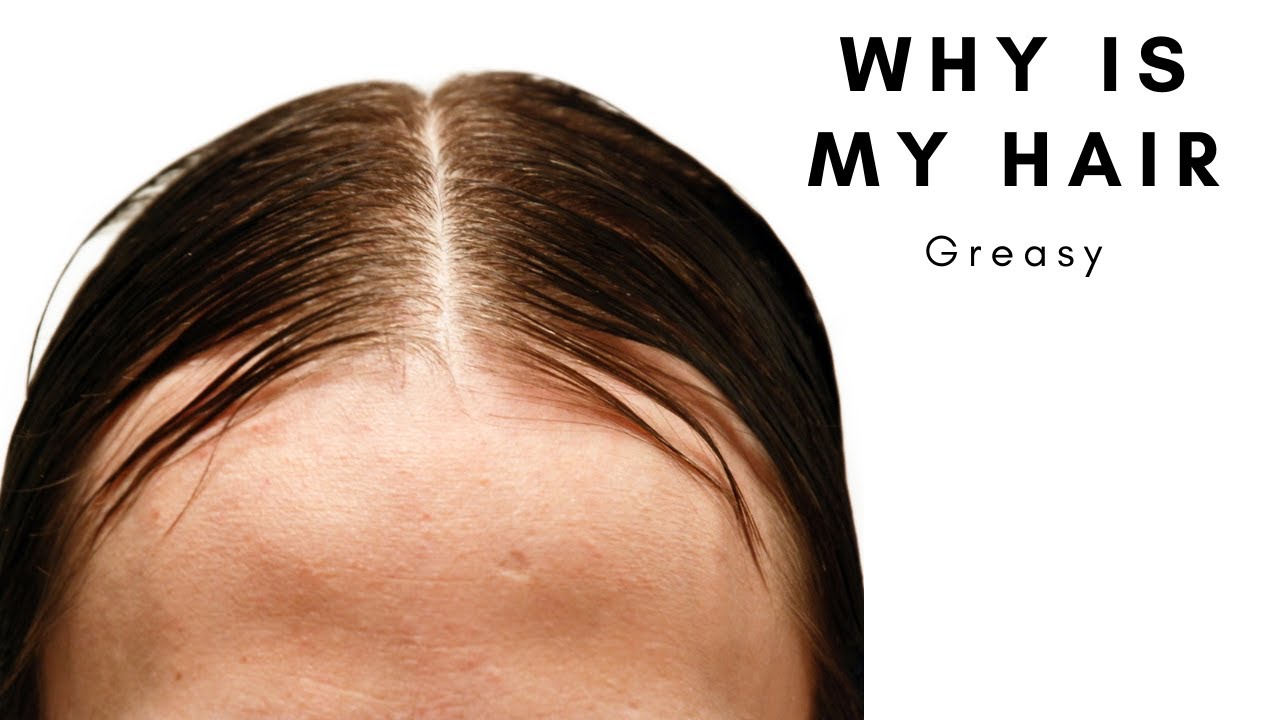
Sebum is a waxy, lipid-rich oil produced by sebaceous glands located at the base of each hair follicle. Its job is to moisturize the scalp and lubricate the hair shaft from root to tip.
Without sebum, hair would be brittle, dry, and prone to breakage. The problem begins when those glands produce far more than your scalp actually needs.
Excess sebum travels down the hair shaft, coats each strand, and mixes with sweat, dead skin cells, and product residue — creating that greasy, flat, heavy look within 24 hours.
Why Does My Hair Get Greasy After One Day: The Main Causes
There is never just one reason. Greasy hair after a single day is almost always the result of multiple factors working together — some biological, some habit-based, some environmental.
Understanding which triggers apply to you is the most important step before choosing a fix. The sections below break down every cause in detail.
Cause 1: Overwashing Is Making Things Worse
This is the most common mistake and the hardest one to accept. When you wash your hair every single day, the shampoo strips your scalp of its natural oils completely.
Your scalp detects this loss and responds by ramping up sebum production to compensate. The result is an oily scalp that feels greasy even faster the very next day — a frustrating cycle that feeds itself.
Celebrity hairstylists refer to this as the “overproduction loop” — the more you wash, the greasier your scalp becomes, which makes you want to wash again.
Cause 2: Wrong Shampoo for Your Hair Type
Using a rich, moisturizing, or hydrating shampoo on an already oily scalp is like adding fuel to a fire. Heavy formulas coat the scalp and add extra residue that amplifies grease.
Shampoos containing sulfates strip the scalp aggressively, triggering the same overproduction response as overwashing. Silicone-based conditioners applied to the roots create buildup that mimics oiliness.
The wrong formula is one of the most overlooked reasons why hair gets greasy after one day despite a regular washing routine.
Cause 3: Product Buildup on the Scalp
Dry shampoo, leave-in conditioners, styling sprays, and serums all leave residue on the scalp over time. This residue accumulates, clogs follicles, and mixes with natural sebum.
The result is a thick, heavy layer at the roots that looks and feels greasy regardless of how recently you washed. Many people mistake product buildup for excess oil production.
A clarifying shampoo used once every one to two weeks removes this buildup completely and gives the scalp a proper reset.
Cause 4: Hormonal Changes Driving Sebum Overproduction
Androgens — including testosterone and DHT — directly stimulate sebaceous gland activity. When androgen levels rise, sebum production rises with them.
This explains why hair suddenly becomes greasier during puberty, menstrual cycles, pregnancy, menopause, and periods of chronic stress. Stress raises cortisol, which in turn disrupts hormonal balance and increases oil output.
If your greasy hair appeared suddenly without any change in routine, hormones are likely the primary cause.
Cause 5: Genetics and Hair Type
Some people are simply born with more sebaceous glands, or larger ones that produce higher volumes of sebum. If your parents dealt with oily hair, your chances of experiencing the same are significantly higher.
Hair texture also plays a major role. Straight and fine hair provides a smooth, unobstructed path for sebum to travel from root to tip, coating the entire strand quickly.
Curly and thick hair slows sebum distribution because of the twists and bends in each strand — this is why curly-haired people often go longer between washes without looking greasy.
Hair Type and Grease Speed: A Comparison
| Hair Type | How Fast Sebum Travels | Grease Visible After |
|---|---|---|
| Fine / Straight | Very fast – smooth path | Often within 12–24 hours |
| Medium / Wavy | Moderate distribution | 1–2 days |
| Thick / Straight | Slower – more surface area | 2–3 days |
| Curly / Coily | Slowest – bends slow travel | 3–7 days |
| Colored / Damaged | Variable – depends on porosity | 1–3 days |
Cause 6: Touching Your Hair Too Often
Every time your fingers run through your hair, you transfer oils, dirt, and bacteria from your skin to your strands. This directly adds external oil on top of natural sebum.
Over-brushing does the same thing — it distributes oil from the scalp down the full length of the hair shaft, making the entire head look greasy rather than just the roots.
Tying your hair back or using a hair clip during the day significantly reduces the number of times your hands contact the scalp.
Cause 7: Dirty Pillowcases and Hairbrushes
Your pillowcase absorbs scalp oil, sweat, and product residue every single night. Sleeping on the same pillowcase for a week means that oil transfers back onto freshly washed hair within hours.
A dirty hairbrush does the same thing — it picks up sebum and product residue from each use, then transfers that buildup back onto clean hair the next morning.
Washing pillowcases at least twice a week and cleaning your brush every seven days are simple changes that make a noticeable difference.
Cause 8: Hot Water Stimulating the Scalp
Washing your hair in very hot water strips the scalp of its natural oils more aggressively than warm water. The scalp responds by producing extra oil to replace what was lost.
Hot water also opens the hair cuticle too wide, making each strand more porous and more likely to absorb excess sebum quickly after washing.
Rinsing with cool or lukewarm water — and finishing with a brief cold water rinse — closes the cuticle and slows oil distribution along the shaft.
Cause 9: Applying Conditioner to Your Roots
Conditioner is formulated to moisturize and soften the mid-lengths and ends of hair — not the scalp. Applying it to the roots adds heavy residue directly to the area that is already overproducing oil.
This residue weighs the roots down, coats the scalp, and creates the appearance of greasiness within hours of washing — even if sebum production is completely normal.
The fix is simple: apply conditioner from the ears down only, and rinse thoroughly before stepping out of the shower.
Cause 10: Environmental Factors
Humidity signals to the scalp that moisture levels are high, which can alter how sebum is produced and distributed. Summer months consistently produce more grease complaints for this reason.
Air pollution deposits fine particles onto the scalp throughout the day. These particles mix with sebum, accelerating the appearance of greasiness and potentially inflaming hair follicles.
Wearing tight hats or scarves traps heat and moisture against the scalp, creating a warm environment that encourages sebaceous gland activity.
Cause 11: Diet and Internal Triggers
Research suggests a high-glycemic diet — one rich in processed foods, sugar, and refined carbohydrates — can stimulate androgen hormones that increase sebum production.
Dairy consumption has also been flagged in dermatology literature as a potential factor in sebum output through similar hormonal pathways.
Staying hydrated supports scalp health from the inside out. When the body is dehydrated, the scalp may overcompensate by producing extra oil to maintain moisture levels.
Cause 12: Scalp Conditions Like Seborrheic Dermatitis
Seborrheic dermatitis is a skin condition where the scalp produces excess oil alongside flaking, redness, and itching. It is one of the medical reasons hair gets greasy extremely fast.
It is often linked to an overgrowth of Malassezia, a naturally occurring scalp fungus that feeds on sebum and triggers an inflammatory response that further increases oil production.
If greasy hair is accompanied by persistent itching, visible flaking, or scalp redness, a dermatologist consultation is the right next step.
Fix 1: Adjust Your Washing Frequency
The single most impactful change most people can make is reducing how often they wash. Every two to three days is recommended for most hair types — not every day.
The transition takes patience. During the first two to three weeks, your scalp may produce extra oil as it adjusts to the new rhythm. Stick with it — sebum production genuinely recalibrates.
Incrementally extending your wash interval by one day at a time is the most effective way to retrain your scalp’s oil production cycle.
Fix 2: Switch to a Sulfate-Free, Oil-Balancing Shampoo
A sulfate-free shampoo cleanses thoroughly without stripping the scalp’s natural moisture barrier. This prevents the overproduction rebound that harsh sulfate-heavy formulas trigger.
Look for oil-control or balancing formulas specifically designed for oily scalp types. These contain ingredients that regulate sebum without creating dryness or causing compensatory overproduction.
Avoid anything labeled “hydrating,” “nourishing,” or “rich” — these formulas are designed for dry or damaged hair and will add unnecessary moisture to an already oily scalp.
Fix 3: Use a Clarifying Shampoo Weekly
A clarifying shampoo removes product buildup, excess sebum, and scalp residue that regular shampoos miss. Used once every one to two weeks, it gives the scalp a genuine reset.
Do not use it more frequently than that — over-clarifying strips the scalp just as aggressively as overwashing with a harsh formula, triggering the same rebound oil cycle.
After a clarifying wash, follow with a lightweight conditioner applied only to the mid-lengths and ends, never the scalp.
Fix 4: Always Finish With a Cool Water Rinse
After washing and rinsing out conditioner, do a final rinse with the coolest water temperature you can tolerate. This closes the hair cuticle and reduces how quickly sebum travels down the shaft.
Cool water also tightens the scalp slightly, which can slow sebaceous gland activity immediately post-wash — giving you several extra hours of freshness.
This single habit costs nothing and takes less than thirty seconds. It is one of the most consistently recommended tips by dermatologists and trichologists.
Fix 5: Apply Dry Shampoo Correctly
Dry shampoo absorbs excess oil at the roots and restores volume between washes. But most people apply it wrong — using it only after hair looks greasy rather than proactively.
Apply a light layer to the roots before bed on non-wash days. It absorbs overnight oil production while you sleep, so you wake up with fresh-looking roots in the morning.
Do not rely on dry shampoo every day — it causes its own buildup. Use it two to three times between washes at most, and clarify regularly to clear the residue it leaves behind.
Fix 6: Exfoliate the Scalp Monthly
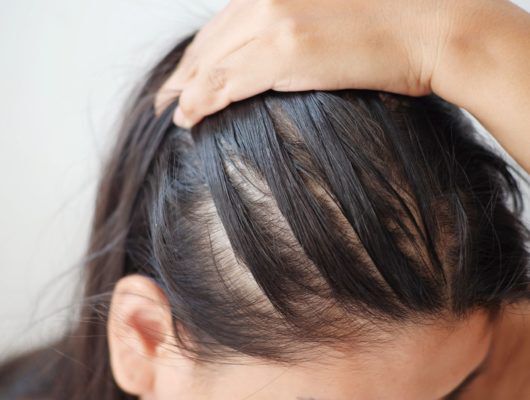
A gentle scalp scrub removes dead skin cells, excess sebum, and residue that accumulates between washes. It also improves circulation, which supports healthier sebaceous gland regulation.
Use a dedicated scalp scrub or a shampoo with gentle exfoliating ingredients once every ten to fourteen days. More frequent use can irritate the scalp and trigger more oil.
Scalp exfoliation is especially beneficial for people who use dry shampoo regularly, as it clears the product residue that dry shampoo leaves behind.
Fix 7: Clean Your Brushes and Change Your Pillowcase
Wash your hairbrush with warm soapy water every seven days. Remove hair from the bristles first, then soak the head of the brush for a few minutes and rinse clean.
Switch to a clean pillowcase every two to three days. Silk or satin pillowcases are often recommended because they are less absorbent than cotton — meaning they pick up less oil and return less of it to your hair.
These are maintenance habits that take minimal effort but deliver consistent improvement to how long freshly washed hair stays clean.
Fix 8: Stop Touching Your Hair During the Day
This is harder than it sounds because hair touching is often a subconscious habit. But every touch transfers oil from your fingertips directly onto clean strands.
Try wearing your hair in a loose braid, low ponytail, or updo on days when you notice yourself touching it frequently. Keeping hair off your face and shoulders also reduces oil transfer from facial skin.
Over-brushing is equally problematic. Brush your hair no more than two to three times per day, and always with a clean brush.
Fix 9: Reassess Your Conditioner Placement
If you currently apply conditioner from roots to ends, stop. Scalp-applied conditioner is one of the easiest causes of next-day grease to eliminate.
Run conditioner through your hair from the ears downward only. Focus it on the ends, which are the driest, most damaged section and the part that actually needs that moisture.
Rinse thoroughly after every conditioning step. Incomplete rinsing leaves residue on the scalp that contributes heavily to fast grease buildup.
Product Choice Guide: What to Use vs. What to Avoid
| Product Category | Use This | Avoid This |
|---|---|---|
| Shampoo | Sulfate-free, oil-balancing, or clarifying | Hydrating, nourishing, or rich formulas |
| Conditioner | Lightweight, volumizing | Creamy, heavy, or leave-in at roots |
| Styling Products | Lightweight sprays, mousses | Wax, heavy creams, oil-based serums |
| Dry Shampoo | Absorbing, root-only application | Daily use or scalp-wide application |
| Scalp Treatment | Clarifying, exfoliating, tea tree | Heavy scalp oils or serums at roots |
Fix 10: Manage Stress and Review Your Diet
Chronic stress raises cortisol, which disrupts hormonal balance and increases androgen activity — directly stimulating the sebaceous glands to produce more oil.
Regular exercise, consistent sleep, and stress management practices all contribute to lower cortisol levels over time and can have a measurable effect on scalp oil production.
Reducing high-glycemic foods like white bread, sugary drinks, and processed snacks while increasing water intake supports the internal hormonal environment that regulates sebum output.
Daily vs. Extended Wash Routine: What Works Better
| Habit | Daily Washing | Every 2–3 Day Washing |
|---|---|---|
| Sebum Production | Elevated (rebound effect) | Balanced over time |
| Scalp Health | Stripped and irritated | Natural barrier maintained |
| Hair Volume | Flat after washing | Fuller between washes |
| Product Buildup | Fast accumulation | Slower, easier to manage |
| Grease Timeline | Greasy within 12–24 hours | Stays fresh 2–3 days |
| Long-Term Result | Cycle gets worse | Scalp recalibrates and improves |
When to See a Dermatologist
If you have genuinely adjusted your washing routine, switched products, cleaned your tools, and managed lifestyle factors — and your hair is still greasy within a few hours of washing — an underlying condition may be at play.
Seborrheic dermatitis, hormonal disorders like polycystic ovary syndrome (PCOS), or thyroid imbalances can all cause extreme scalp oiliness that does not respond to routine changes.
A dermatologist can assess your scalp condition, check hormone levels if needed, and prescribe targeted treatments such as medicated shampoos or topical therapies.
Signs You Should Consult a Professional
| Symptom | Possible Cause | Professional Action |
|---|---|---|
| Extreme grease plus flaking | Seborrheic dermatitis | Dermatologist – medicated shampoo |
| Greasy scalp plus thinning hair | Hormonal imbalance or PCOS | GP or endocrinologist |
| Oiliness plus persistent itching | Fungal overgrowth (Malassezia) | Dermatologist – antifungal treatment |
| Sudden onset after medication | Drug-induced sebum increase | Review with prescribing doctor |
| Greasy scalp plus inflamed skin | Seborrhea or contact dermatitis | Dermatologist assessment |
How Long Does It Take to Retrain Your Scalp
Most people who reduce their wash frequency notice the transition takes two to four weeks. During this period, the scalp may temporarily overproduce oil as it adjusts.
Using dry shampoo strategically during this transition helps manage the appearance while the scalp recalibrates its oil output to match the new routine.
After the adjustment period, the majority of people report that their hair genuinely stays fresher longer — sometimes going from greasy after one day to staying clean for two to three days without any other changes.
Frequently Asked Questions (FAQs)
Why does my hair get greasy after one day even after washing it?
Your scalp’s sebaceous glands are overproducing sebum, often triggered by overwashing, the wrong shampoo, or hormonal fluctuations. The more aggressively you wash, the more oil your scalp produces to compensate.
Does washing hair every day make it greasier?
Yes. Daily washing strips natural oils and triggers a compensatory rebound where the scalp produces even more sebum, making hair greasier faster. Washing every two to three days breaks this cycle.
What type of shampoo is best for greasy hair that gets oily after one day?
A sulfate-free, oil-balancing or clarifying shampoo works best. Avoid hydrating, nourishing, or rich formulas — these are designed for dry hair and will add unnecessary moisture to an oily scalp.
Can diet affect how quickly hair gets greasy?
Yes. High-glycemic foods and dairy can stimulate androgen hormones that increase sebum output. Staying well-hydrated and reducing processed food intake supports healthier scalp oil regulation.
Is greasy hair after one day a sign of a scalp condition?
It can be. Seborrheic dermatitis, fungal overgrowth, and hormonal disorders can all cause rapid oil buildup. If grease is accompanied by itching, flaking, or redness, see a dermatologist.
How do I use dry shampoo correctly for greasy roots?
Apply dry shampoo to the roots before bed on non-wash days, not after hair already looks greasy. This absorbs overnight oil production so you wake up with fresher roots.
Does stress cause greasy hair?
Yes. Stress raises cortisol, which disrupts hormonal balance and elevates androgen levels, directly stimulating sebaceous glands to produce more sebum. Stress management genuinely improves scalp oil regulation.
Should I apply conditioner to my scalp if my hair gets greasy fast?
No. Apply conditioner from the ears down only. Scalp-applied conditioner leaves residue that mimics greasiness and compounds the effect of natural sebum overproduction.
How long does it take for hair to stop getting greasy so fast after changing routine?
Allow two to four weeks for the scalp to recalibrate. The transition may feel oilier at first, but sebum production genuinely adjusts to a less frequent washing schedule within about a month.
What is the best wash frequency for oily hair?
Every two to three days is the recommended starting point for most hair types. Some people with very fine or straight hair may need every other day, while others with thicker hair can go longer.
Conclusion
Why does my hair get greasy after one day is a question with a clear answer once you understand the sebum cycle. It is almost never about poor hygiene — it is about overactive sebaceous glands, the wrong products, aggressive washing habits, or a combination of all three.
The fixes are practical and consistent: wash less often, use the right shampoo, keep your hands and tools clean, stop applying conditioner to your scalp, and give your scalp the two to four weeks it needs to recalibrate. In 2026, the science and the expert consensus are aligned — daily washing is the enemy of a healthy oil balance.
Shift your routine, be patient through the adjustment period, and most people will see significant improvement in how long their hair stays fresh. If the problem persists despite all of these changes, a dermatologist can rule out underlying scalp conditions that require targeted treatment.