Why Does My Eyeball Hurt? Causes Explained 2026
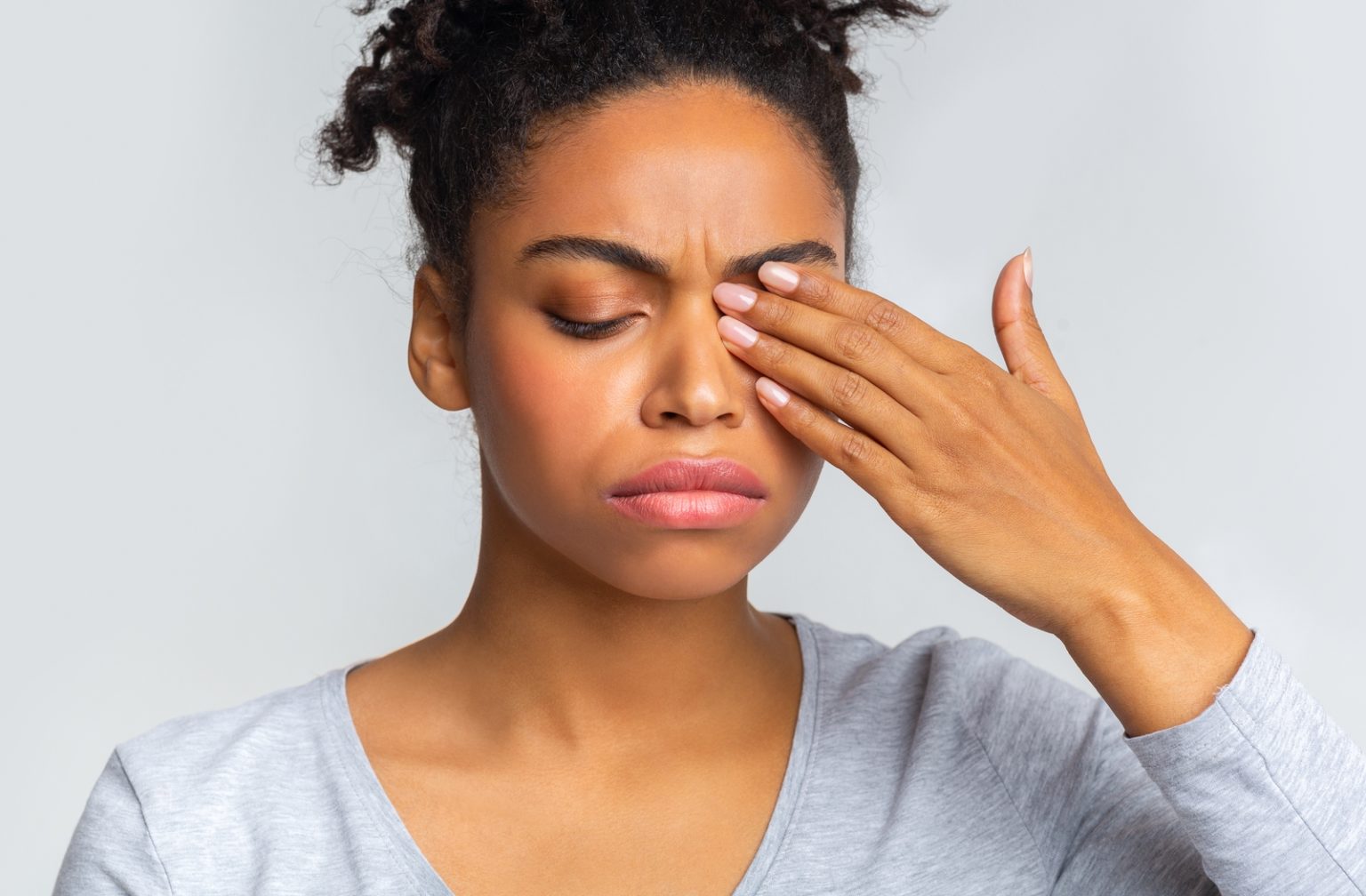
Why does my eyeball hurt is one of the most searched eye health questions online — and for good reason. Eye pain can range from a mild, dull ache after long screen time to a sudden, sharp pain that signals a serious medical emergency.
Your eyes are among the most sensitive organs in your body, and any discomfort deserves attention.
Understanding Eye Pain — What It Actually Is
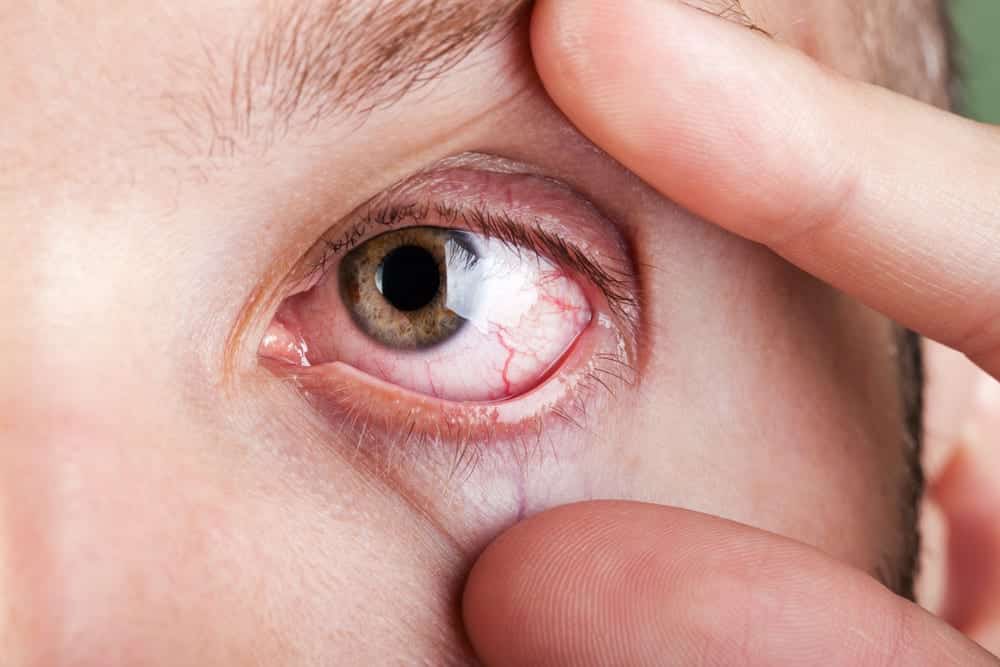
Eye pain, medically known as ophthalmalgia, refers to any discomfort felt in or around the eye. This includes pain in the eyelid, conjunctiva, cornea, sclera, or eye socket (orbit).
The pain can feel sharp, throbbing, aching, burning, or like pressure building behind the eye. It may affect one eye or both at the same time.
Importantly, not all eye conditions cause pain. The inner structures of the eye lack nociceptors — nerve endings that detect pain — which means some serious conditions like early glaucoma can develop with zero discomfort.
Types of Eye Pain and What They Indicate
The character of your pain provides the first clue about its cause. Different pain types point toward different underlying conditions.
| Pain Type | What It Often Indicates |
|---|---|
| Sharp, stabbing pain | Foreign body, corneal abrasion, corneal ulcer |
| Dull, aching pain | Eye strain, sinusitis, dry eye syndrome |
| Throbbing pain | Glaucoma, migraine, uveitis |
| Burning or stinging | Dry eyes, chemical exposure, allergies, blepharitis |
| Pressure behind eye | Sinus infection, migraine, optic neuritis |
| Pain when moving eye | Optic neuritis, scleritis, eye muscle strain |
| Pain when blinking | Foreign body, corneal abrasion, stye, conjunctivitis |
Understanding your pain type helps you and your doctor narrow down the cause faster and start the right treatment sooner.
15 Most Common Causes of Eyeball Pain
1. Digital Eye Strain (Computer Vision Syndrome)
Digital eye strain is the single most common cause of eye pain in 2026. Hours of staring at screens — phones, laptops, tablets, TVs — overwork the muscles inside and around your eye.
Symptoms include dull aching behind the eyes, headaches, blurred vision, neck stiffness, and light sensitivity. The pain typically eases after resting your eyes.
The 20-20-20 rule is the most widely recommended prevention: every 20 minutes, look at something 20 feet away for 20 seconds.
2. Dry Eye Syndrome
Dry eye occurs when your eyes do not produce enough tears, or when your tears evaporate too quickly. The National Eye Institute estimates nearly 16 million Americans suffer from this condition.
The pain feels gritty, scratchy, or burning — like something is stuck in your eye. Staring at screens, dry environments, aging, and certain medications all worsen dry eye.
Lubricating eye drops (artificial tears) provide relief for most mild cases. Severe dry eye may require prescription medication or procedures to block tear ducts.
3. Conjunctivitis (Pink Eye)
Conjunctivitis is inflammation of the conjunctiva — the thin membrane covering the white of the eye and inner eyelids. It can be caused by a bacterial infection, viral infection, or allergic reaction.
Symptoms include red eyes, itching, burning, discharge, and crusting of the eyelid after sleep. Bacterial conjunctivitis affects one eye and produces thick yellow or green discharge. Viral conjunctivitis is highly contagious and spreads rapidly in schools and workplaces.
Bacterial cases are treated with antibiotic eye drops. Viral cases typically clear up on their own within one to two weeks with supportive care.
4. Corneal Abrasion
A corneal abrasion is a scratch on the cornea — the clear dome that covers the iris and pupil. Despite being small, corneal scratches are extremely painful because the cornea is densely packed with nerve endings.
Common causes include rubbing your eye too hard, a fingernail scratch, sand or dust particles, and improper contact lens handling. Symptoms include intense pain, watering eyes, light sensitivity, and a sensation that something is in the eye.
Most corneal abrasions heal within 24 to 72 hours with antibiotic drops and lubricating eye drops. Always have a professional evaluate the injury to rule out deeper damage.
5. Foreign Body in the Eye
Even a tiny speck of dust, an eyelash, a grain of sand, or a metal fragment can cause sharp, intense pain. Foreign bodies usually lodge under the eyelid or on the corneal surface.
Do not rub the eye — rubbing can push the object deeper and cause a corneal scratch. Try blinking rapidly or rinsing with clean water or preservative-free saline solution first.
If flushing does not work, or if the object is embedded, seek immediate medical attention. Embedded foreign bodies require professional removal to prevent infection and permanent scarring.
6. Glaucoma
Glaucoma is a group of eye diseases caused by increased intraocular pressure that damages the optic nerve. It is called “the silent thief of sight” because most types cause no pain or symptoms until significant vision loss has already occurred.
However, acute angle-closure glaucoma is a medical emergency. It causes a sudden, severe increase in eye pressure that produces intense throbbing pain, halos around lights, nausea, vomiting, and rapid vision loss.
If you experience sudden severe eye pain combined with nausea and vision changes, go to an emergency room immediately. Delay can result in permanent blindness within hours.
7. Uveitis (Iritis)
Uveitis is inflammation of the uvea — the middle layer of the eye that includes the iris, ciliary body, and choroid. It can be triggered by trauma, infection, or autoimmune conditions.
Symptoms include a deep, aching eye pain that worsens with activity like reading, significant light sensitivity (photophobia), redness, blurred vision, and floaters.
Uveitis requires prompt treatment with steroid and dilating eye drops. Left untreated, it can cause cataracts, glaucoma, and permanent vision loss.
8. Corneal Infections (Keratitis)
Keratitis is inflammation or infection of the cornea caused by bacteria, viruses, fungi, or parasites. It is most commonly linked to improper contact lens care.
Wearing contacts overnight, using expired lens solution, or wearing dirty lenses dramatically increases infection risk. Symptoms include severe pain, significant redness, blurred vision, discharge, and extreme light sensitivity.
Keratitis requires urgent medical treatment. Depending on the cause, antiviral, antibacterial, or antifungal eye drops are prescribed. Delayed treatment can permanently scar the cornea and cause lasting vision damage.
9. Optic Neuritis
Optic neuritis is inflammation of the optic nerve — the nerve that transmits visual signals from the eye to the brain. It is one of the most common early symptoms of multiple sclerosis (MS).
Pain with optic neuritis is distinctive — it worsens when you move your eyes from side to side. You may also experience sudden vision loss, colors appearing washed out, and a dull ache behind the eye.
Any eye pain that worsens with eye movement should prompt an urgent visit to an eye doctor or neurologist. MRI imaging is typically needed to evaluate the optic nerve and rule out underlying neurological conditions.
10. Stye (Hordeolum)
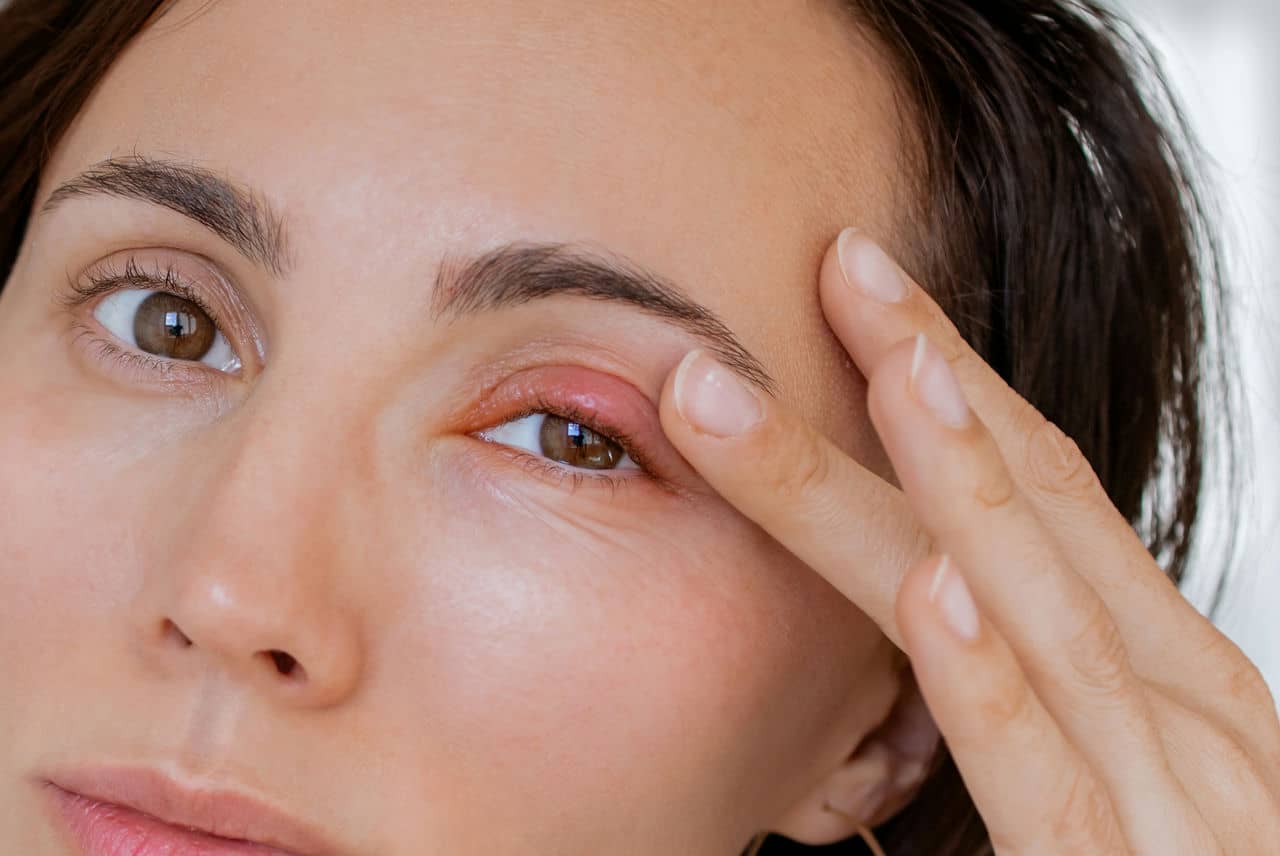
A stye is a painful, red, pus-filled bump that forms on the edge of the eyelid when an oil gland, eyelash follicle, or hair follicle becomes infected or inflamed.
The eyelid swells, becomes tender to touch, and may feel like a general soreness in the entire eye area. Most styes resolve within one to two weeks with warm compresses applied for 10 to 15 minutes, three to four times daily.
Do not squeeze or pop a stye. If it does not improve within two weeks, or if it grows rapidly or affects vision, see a doctor. Prescription antibiotics or minor drainage procedures may be needed.
11. Sinusitis (Sinus Infection)
The sinuses sit directly around and behind the eyes. When they become inflamed or infected, the resulting pressure radiates into and around the eyes, creating pain that feels like it is coming from the eyeball itself.
The pain is usually described as a dull, aching pressure — often worse when bending forward or lying down. It is accompanied by nasal congestion, post-nasal drip, facial tenderness, and sometimes fever.
This is not technically an eye condition, but the symptoms can perfectly mimic eye pain. Treating the underlying sinus infection — with decongestants, nasal rinses, or antibiotics for bacterial cases — resolves the eye discomfort.
12. Migraine and Cluster Headaches
Migraines frequently cause intense pain behind or around the eyes. The throbbing, one-sided head pain of a migraine is often described as originating behind one eye.
Cluster headaches are considered the most painful headache type known to medicine. They cause excruciating pain concentrated around or behind one eye, along with watering eyes, nasal congestion, and eye redness.
Both conditions require medical management. Identifying and avoiding triggers — such as certain foods, lights, hormonal changes, or stress — is central to long-term prevention.
13. Blepharitis
Blepharitis is chronic inflammation of the eyelids, usually involving the area where eyelashes grow. It causes redness, swelling, burning, and a crusty buildup at the base of the lashes.
The inflammation makes the entire eye area feel sore, irritated, and uncomfortable. It is often linked to bacterial overgrowth, skin conditions like rosacea, or Demodex mite infestation of the eyelid glands.
Daily eyelid hygiene — warm compresses followed by gentle scrubbing of the lash line with diluted baby shampoo or specialized lid scrub wipes — is the cornerstone of management.
14. Contact Lens Complications
Improperly used contact lenses are a leading cause of eye pain and serious eye infections. Wearing lenses too long, sleeping in daily-wear contacts, using old solutions, or handling lenses with unwashed hands all increase risk dramatically.
Symptoms of contact lens complications include redness, irritation, dryness, light sensitivity, blurred vision, and sharp pain. Any pain while wearing contacts should prompt immediate lens removal.
Never continue wearing contacts through pain. Remove them immediately and allow your eyes to rest. If symptoms persist beyond 24 hours, consult an eye doctor.
15. Scleritis
Scleritis is inflammation of the sclera — the white outer coating of the eyeball. It is one of the more serious causes of eye pain and is often associated with autoimmune diseases like rheumatoid arthritis, lupus, and inflammatory bowel disease.
The pain is severe, deep, boring, and constant — often described as the worst eye pain a person has ever experienced. The white of the eye takes on a deep red or purple hue.
Scleritis requires urgent medical evaluation and typically treated with high-dose oral anti-inflammatory medications or immunosuppressants.
Eye Pain Based on Location
Where exactly your eyeball hurts provides important diagnostic information. Different locations point to different underlying causes.
| Location of Pain | Most Likely Causes |
|---|---|
| Surface of eye | Foreign body, corneal abrasion, dry eye, conjunctivitis |
| Behind the eye | Sinusitis, migraine, optic neuritis, uveitis |
| Around the eye socket | Orbital cellulitis, periorbital cellulitis, trauma |
| One eyelid only | Stye, chalazion, blepharitis, eyelid infection |
| Deep inside eyeball | Glaucoma, uveitis, scleritis |
| Pain when moving eye | Optic neuritis, scleritis, eye muscle strain |
| Both eyes simultaneously | Allergies, viral conjunctivitis, dry eye, digital eye strain |
What Other Symptoms Accompany Eye Pain?
Eye pain rarely appears in complete isolation. Accompanying symptoms help distinguish minor issues from serious conditions.
| Accompanying Symptom | What It May Suggest |
|---|---|
| Redness | Infection, conjunctivitis, uveitis, scleritis |
| Discharge or crusting | Bacterial or viral conjunctivitis, blepharitis |
| Blurred vision | Glaucoma, keratitis, uveitis, corneal ulcer |
| Light sensitivity | Uveitis, corneal abrasion, optic neuritis, migraine |
| Halos around lights | Acute angle-closure glaucoma (EMERGENCY) |
| Nausea or vomiting | Acute angle-closure glaucoma (EMERGENCY) |
| Floaters or flashes | Uveitis, retinal detachment (urgent care needed) |
| Eye discharge + fever | Periorbital or orbital cellulitis (EMERGENCY) |
| Pain only when moving eye | Optic neuritis (urgent care needed) |
When Is Eye Pain a Medical Emergency?
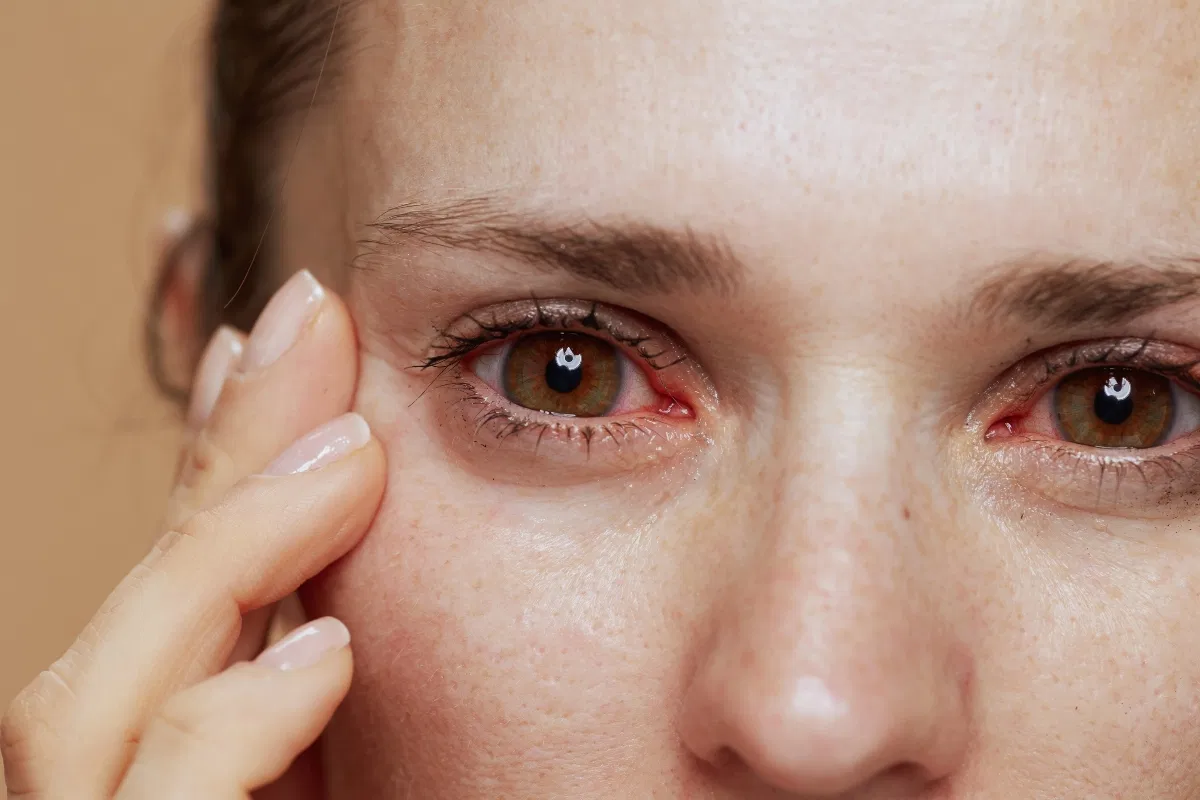
Some causes of eyeball pain require immediate emergency care. Delaying treatment in these situations can result in permanent vision loss or life-threatening complications.
Seek emergency medical care immediately if you experience any of the following.
Sudden, severe eye pain combined with nausea and vomiting — this is the classic presentation of acute angle-closure glaucoma, which can cause permanent blindness within hours if untreated.
Sudden vision loss in one or both eyes — any abrupt change in vision requires emergency evaluation.
Halos or rainbow rings around lights combined with eye pain — another hallmark sign of acute glaucoma.
Eye pain after chemical splash — rinse continuously with clean water for at least 15 to 20 minutes and go to an emergency room immediately.
Eye pain accompanied by bulging of the eyeball or inability to move the eye — these suggest orbital cellulitis, a serious infection of the tissue behind the eye.
Eye pain with fever, swelling from eyebrow to cheek, and redness — this is the presentation of periorbital or orbital cellulitis, a medical emergency especially common in children.
Pain that worsens every time you move your eyes — consider optic neuritis, which requires urgent neurological evaluation.
Eye Pain and Screen Use — A 2026 Reality
Screen-related eye pain has become the most widespread eye complaint of this era. The average adult spends over 11 hours per day in front of digital screens.
Digital eye strain causes a specific combination of symptoms: dull aching behind the eyes, dry and irritated eyes, blurred vision, headaches, and difficulty focusing after prolonged screen use.
Blue light emitted by screens disrupts tear film stability and contributes to dry eye. Reduced blink rate during screen use — from a normal 15 blinks per minute to as few as 5 — drastically reduces eye moisture.
Simple strategies that make a significant difference include applying the 20-20-20 rule consistently, using artificial tears every few hours, adjusting screen brightness to match ambient lighting, and positioning screens at arm’s length slightly below eye level.
Eye Pain and Contact Lenses — What You Must Know
| Risky Behavior | Risk It Creates |
|---|---|
| Sleeping in daily-wear contacts | Bacterial keratitis, corneal oxygen deprivation |
| Using expired solution | Infection, chemical irritation |
| Wearing contacts past disposal date | Protein buildup, corneal scratching |
| Handling lenses with unwashed hands | Transfer of bacteria and viruses |
| Swimming or showering with lenses | Acanthamoeba infection (serious and rare) |
| Continuing to wear contacts through pain | Worsening infection or injury |
The golden rule for contact lens wearers: if your eye hurts while wearing a lens, remove it immediately and rest your eyes. If pain persists after removal, see an eye care professional within 24 hours.
Diagnosing Eye Pain — What Doctors Use
An accurate diagnosis of eye pain requires a professional examination. Eye care providers use specialized tools that cannot be replicated at home.
A slit-lamp examination uses a high-powered microscope with bright illumination to examine all structures of the eye in detail — cornea, iris, lens, and anterior chamber.
Dilating drops widen the pupil to allow examination of the retina, optic nerve, and posterior eye structures. This is how optic neuritis, retinal problems, and posterior uveitis are detected.
A tonometer measures intraocular pressure. This is the tool used to screen for glaucoma. Normal eye pressure ranges from 10 to 21 mmHg. Acute glaucoma typically produces pressures above 40 mmHg.
Fluorescein staining uses orange dye and blue light to highlight corneal scratches, abrasions, and ulcers that would otherwise be invisible to the naked eye.
Treatment Options for Eye Pain
Treatment depends entirely on the underlying cause. Never self-treat severe or persistent eye pain without a proper diagnosis.
| Cause | First-Line Treatment |
|---|---|
| Digital eye strain | 20-20-20 rule, artificial tears, screen breaks |
| Dry eye syndrome | Lubricating drops, omega-3 supplements, prescription drops |
| Bacterial conjunctivitis | Antibiotic eye drops |
| Corneal abrasion | Antibiotic drops, lubricating drops, eye rest |
| Stye | Warm compresses, antibiotic ointment if needed |
| Acute glaucoma | Emergency laser treatment or surgery, pressure-lowering drops |
| Uveitis | Steroid drops, dilating drops, treatment of underlying cause |
| Optic neuritis | IV or oral corticosteroids, MS evaluation |
| Sinusitis | Decongestants, nasal rinse, antibiotics for bacterial cases |
| Keratitis | Antiviral, antibacterial, or antifungal drops |
| Scleritis | Oral NSAIDs, corticosteroids, immunosuppressants |
Safe Home Remedies for Mild Eye Pain
For mild, non-emergency causes of eye pain, these home strategies can provide meaningful relief.
Cold Compress
A clean cloth soaked in cold water and applied over closed eyes for 5 to 10 minutes can reduce inflammation and burning, particularly for mild swelling, allergies, and irritation.
Always place a barrier between the cold compress and your skin. Never apply ice directly to the eye or eyelid.
Warm Compress
A warm (not hot) moist compress held against the closed eye for 10 to 15 minutes helps with styes, blepharitis, blocked oil glands, and general eyelid discomfort.
The warmth loosens crusty debris, improves oil gland secretion, and reduces eyelid inflammation. This is one of the most effective first-line treatments for styes and blepharitis.
Artificial Tears
Over-the-counter preservative-free artificial tears are safe to use several times a day and provide relief for dry eye, mild irritation, and post-screen strain.
Avoid eye drops that claim to “get the red out” for daily use — these work by constricting blood vessels and can cause rebound redness with regular use.
Eye Rest
For screen-related strain, simply resting your eyes in a darkened room for 20 to 30 minutes can dramatically reduce discomfort. Close your eyes and breathe slowly.
Adequate sleep is also critical — your eyes repair and rehydrate during sleep. Chronic sleep deprivation is a significant contributor to persistent eye strain and dryness.
Hydration
Dehydration reduces tear production and worsens dry eye symptoms. Drinking adequate water throughout the day helps maintain healthy tear film and reduces the gritty, aching discomfort of dry eyes.
Preventing Eye Pain — Practical Daily Habits
Most common causes of eye pain are preventable with consistent habits.
Wash your hands thoroughly before touching your eyes or handling contact lenses. This single habit prevents the majority of eye infections.
Follow the 20-20-20 rule without exception during extended screen use. Set a timer if necessary.
Replace contact lenses on schedule. Never extend wear beyond the prescribed replacement period, and never sleep in daily-wear lenses.
Wear UV-protective sunglasses outdoors. UV exposure contributes to cataracts, pterygium, and corneal damage over time.
Schedule annual comprehensive eye exams. Many serious conditions — glaucoma, diabetic retinopathy, early retinal detachment — are detectable before symptoms begin.
Eye Pain in Children — What Parents Should Watch For
Children often cannot articulate eye pain clearly. They may rub their eyes frequently, squint, tilt their head, hold objects very close to their face, or complain of headaches.
Any child with a red, swollen, painful eye — especially with fever — needs same-day medical evaluation. Orbital cellulitis is more common in children and is a genuine medical emergency.
Children who are overusing screens are increasingly presenting with digital eye strain symptoms including headaches, eye rubbing, and complaints that eyes feel tired or sore.
Frequently Asked Questions (FAQs)
Why does my eyeball hurt when I move it?
Pain when moving the eye is a hallmark symptom of optic neuritis — inflammation of the optic nerve that is often associated with multiple sclerosis. It requires urgent evaluation by an eye doctor or neurologist.
Why does my eyeball hurt but looks normal?
Many causes of eye pain — including dry eye, digital eye strain, sinusitis, and migraine — produce pain without visible external changes. If pain persists more than 48 hours without improvement, see an eye doctor.
Why does one eyeball hurt more than the other?
Pain in one eye specifically is common with corneal abrasions, foreign bodies, styes, bacterial conjunctivitis, uveitis, and glaucoma. One-sided eye pain should always be evaluated to rule out serious single-eye conditions.
Why does my eyeball hurt after looking at screens all day?
This is digital eye strain. Prolonged screen use overworks the focusing muscles of the eye, reduces blink rate, and causes tear evaporation. Taking regular screen breaks and using artificial tears relieves most screen-related eye pain.
Can sinus problems cause my eyeball to hurt?
Yes. The sinuses sit directly around the eyes, and when they become inflamed or infected, the pressure radiates into the eye area. Treating the sinus infection resolves the associated eye pain.
When should I go to the emergency room for eye pain?
Go immediately if you have sudden severe eye pain with nausea, vomiting, or vision changes — these are signs of acute glaucoma. Also go immediately for eye pain after chemical exposure, trauma with foreign body penetration, or sudden complete vision loss.
Why does my eyeball hurt and feel like pressure?
Pressure behind or in the eye can indicate glaucoma, uveitis, sinusitis, or migraine. Persistent pressure sensation — especially with any vision changes — requires prompt evaluation by an eye care professional.
Can dry eyes cause my eyeball to hurt?
Yes. Dry eye syndrome causes a burning, gritty, or aching pain that is one of the most common causes of daily eye discomfort. Lubricating eye drops and addressing the underlying cause provide significant relief.
Is it normal for my eyeball to hurt when I wake up?
Morning eye pain can result from dry eye (particularly if you sleep with eyes slightly open), nocturnal lagophthalmos, overnight contact lens wear, or a stye that has developed overnight. Persistent morning pain warrants an eye exam.
Can stress cause my eyeball to hurt?
Stress contributes to eye pain indirectly through tension headaches, increased screen use, reduced blink rate, and disrupted sleep — all of which worsen eye strain and dry eye. Managing stress and screen habits reduces stress-related eye discomfort significantly.
Conclusion
Why does my eyeball hurt is a question with a wide range of answers — from the completely benign to the genuinely urgent. Most everyday eye pain comes from digital eye strain, dry eyes, minor infections, or allergies and responds well to simple remedies and rest.
But some causes of eye pain — including acute glaucoma, optic neuritis, scleritis, keratitis, and orbital cellulitis — are medical emergencies that can lead to permanent vision loss if not treated immediately.
The key is knowing the difference. Sharp sudden pain, vision changes, halos around lights, or pain that worsens with eye movement all demand same-day or emergency care. For everything else, start with rest, artificial tears, and a scheduled eye exam. Your eyesight is irreplaceable — take every episode of eye pain seriously.