Why Is My Dog Not Eating His Food but Will Eat Treats at Night? 2026
Why is my dog not eating his food but will eat treats This is one of the most searched pet health questions in 2026, and it confuses dog owners every single day.
If your dog walks away from his bowl but the moment you pull out a treat he acts like he has not eaten in weeks, something specific is happening. It is not random.
The gap between rejecting regular food and eagerly eating treats reveals a lot about your dog’s health, behavior, and environment.
Why Is My Dog Not Eating His Food but Will Eat Treats
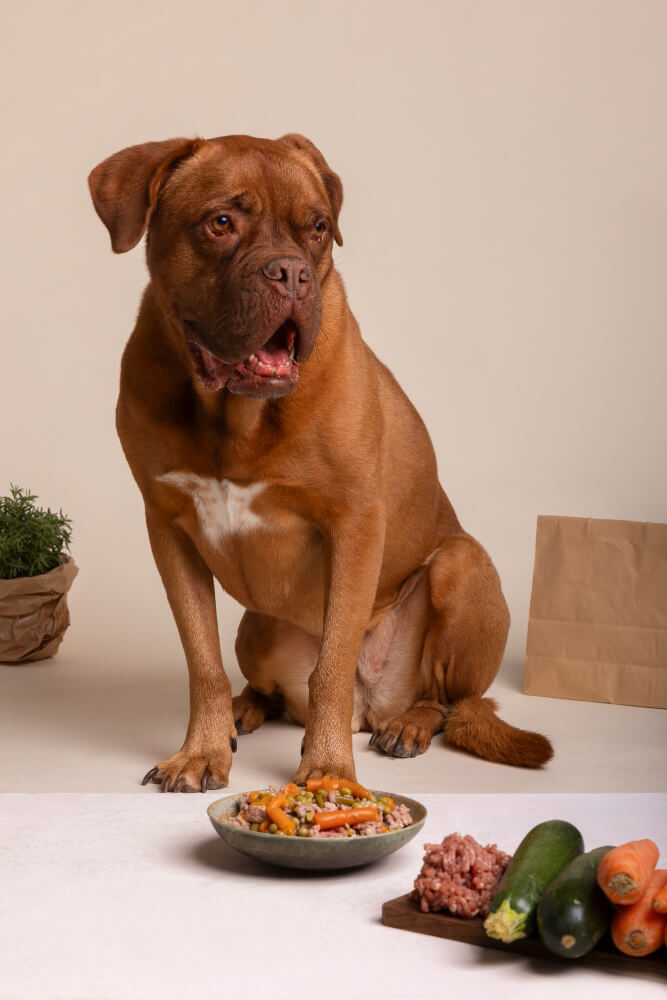
When your dog is not eating his food but will eat treats, this condition has a clinical name. It is called partial anorexia — meaning the dog still eats, but only selectively.
Full anorexia is when a dog refuses absolutely everything. Partial anorexia is when your dog refuses regular food but still accepts treats, table scraps, or specific foods. Partial anorexia is far more common and is usually behavioral rather than medical — but not always.
The fact that your dog eats treats tells you his swallowing reflex is fine, he has some appetite, and there is no total shutdown of hunger. The issue is specifically about what he is being offered, how it is being offered, or what is happening in his body that makes regular food feel unappealing.
Why Treats Are Always More Appealing Than Kibble
Before getting into specific causes, it is important to understand why treats win almost every time. This context matters.
Most commercial dog treats are engineered to be irresistible. They are high in fat, salt, and concentrated flavor — far more so than everyday kibble. Their smell is stronger, their texture is softer, and their taste is richer than standard dry food.
Treats are also associated in your dog’s mind with praise, training, bonding, and reward. Every time you give your dog a treat, it comes with positive emotional reinforcement. Regular kibble in a bowl carries no such emotional charge. It is simply food.
This palatability gap is the foundation of the problem. Once a dog learns that refusing regular food can result in getting something more exciting, the behavior becomes a pattern that is surprisingly easy to accidentally teach.
Behavioral Reasons Your Dog Skips Meals but Eats Treats
Most cases of a dog not eating his food but eating treats are rooted in behavior, not illness. These are the most common behavioral causes.
Learned Picky Eating
Dogs are smart. If your dog has discovered that refusing his bowl leads to you offering treats, wet food, table scraps, or more exciting options, he will keep doing it. It is simply effective from his perspective.
This behavior is especially common in small breeds, which are statistically more prone to developing selective eating habits. It is also common in dogs who have been given a wide variety of human foods from a young age.
The good news is that learned picky eating is a trained behavior — which means it can be untrained with consistent, patient effort over time.
Too Many Treats Throughout the Day
Treats are calorie-dense. Even a handful of small training treats can add up to a significant portion of your dog’s daily calorie needs. If your dog has been snacking on treats during the day, he may simply not be hungry by mealtime.
The widely accepted guideline from veterinarians is that treats should never exceed 10 percent of your dog’s total daily caloric intake. Many owners significantly exceed this without realizing it, especially if multiple family members are giving treats independently.
Tracking every treat given in a day — including from every person in the household — often reveals the real reason behind meal refusal.
Food Boredom
Dogs can get genuinely bored eating the exact same food for months or years in a row. Imagine eating the same meal every single day with zero variation. Most dogs adapt, but some become increasingly disinterested over time.
Treats offer novelty — new flavors, new textures, new smells — while the same kibble in the same bowl offers nothing new. For dogs with a more curious or sensitive temperament, this monotony is enough to trigger meal skipping.
Rotating between two or three high-quality dog food formulas, or adding safe food toppers, can resolve food boredom quickly without compromising nutrition.
Inconsistent Feeding Routine
Dogs thrive on predictable routines. If meal times shift from day to day, if different people feed your dog at different hours, or if food is left out all day for free grazing, your dog loses the concept of structured mealtimes.
When food is always available, there is no urgency to eat it at any particular time. Dogs instinctively respond to scheduled meals — when they know food will be removed after 15 to 20 minutes, hunger naturally builds before mealtime.
Irregular feeding schedules also make it harder to detect genuine appetite loss, since you have no clear baseline for what normal looks like for your individual dog.
Anxiety and Stress
Stress and anxiety significantly impact a dog’s appetite for regular food while leaving treat interest largely intact. Treats are associated with comfort and positive reward — food is just food.
Common stress triggers include moving to a new home, a new baby or pet in the household, a family member leaving, loud noises like fireworks or thunderstorms, changes to the daily schedule, or even a rearranged piece of furniture for sensitive dogs.
Separation anxiety is a particularly common trigger. Some dogs refuse to eat while their owner is away but will eat immediately upon the owner’s return — and will always accept a treat because treats are associated directly with the owner’s presence and praise.
Presence or Absence of the Owner
Some dogs are uncomfortable eating alone. They are pack animals by nature and feel more secure and relaxed eating when their person is nearby. A dog that refuses food while you are out but eats happily the moment you are home is showing this classic pack behavior.
This is not dominance or manipulation — it is genuine emotional comfort. Sitting near your dog during meals, or feeding him in a location where he feels secure, often resolves this quickly.
Resource Guarding Around Other Pets
If you have multiple pets, your dog may feel threatened or uncomfortable eating near another animal. A dog who feels he needs to guard his food, or who is anxious that another pet might steal his meal, may avoid the bowl entirely while still accepting treats from your hand in a safer context.
Feeding dogs in separate rooms or at staggered times immediately resolves competition-related food refusal.
Medical Reasons Your Dog Won’t Eat Food but Will Eat Treats
When behavioral causes have been ruled out, medical issues need to be considered. Several health conditions specifically cause a dog to reject hard, regular kibble while still accepting smaller or softer treats.
Dental Pain and Oral Disease
Dental pain is one of the most underdiagnosed causes of food refusal in dogs. Periodontal disease, a cracked or broken tooth, a dental abscess, gingivitis, or an oral infection can make chewing hard kibble genuinely painful.
Soft treats, by contrast, require little to no chewing. They are smaller, dissolve quickly, and can be swallowed with minimal jaw effort — which is why a dog with a painful mouth will still accept them happily.
Warning signs include bad breath, drooling, pawing at the mouth, tilting the head to one side while chewing, redness or swelling of the gums, or visible broken teeth. Regular dental checkups — at least once a year — are essential for catching these issues early.
Gastrointestinal Upset and Digestive Issues
An upset stomach, mild gastritis, dietary indiscretion (eating something it should not have), or a developing gastrointestinal condition can reduce a dog’s appetite for large regular meals. A full bowl of food can feel overwhelming when the stomach is uncomfortable.
Treats are small, easy to chew, and quick to swallow, which makes them less likely to trigger nausea or discomfort. Dogs with GI issues often develop a selective appetite rather than refusing everything outright.
Watch for accompanying symptoms such as vomiting, diarrhea, soft stool, excessive gas, stomach gurgling, or a hunched posture that suggests abdominal discomfort.
Underlying Illness and Systemic Disease
A sudden change in eating habits — especially refusing regular food — can be an early sign of an underlying medical condition. Dogs are instinctively skilled at hiding illness, and appetite change is often the first visible signal that something is wrong.
Conditions that commonly cause appetite loss in dogs include kidney disease, liver disease, pancreatitis, inflammatory bowel disease (IBD), diabetes, hormonal imbalances like hypothyroidism or Addison’s disease, and in serious cases, cancer.
If your dog’s food refusal came on suddenly, is accompanied by lethargy, unusual thirst, weight loss, vomiting, diarrhea, or any other behavioral change, a veterinary visit is not optional — it is urgent.
Food Allergies and Sensitivities
Dogs can develop allergies or sensitivities to specific ingredients in their regular food over time, even to foods they have eaten for years. Common allergens include certain protein sources, grains, artificial additives, or preservatives used in lower-quality kibble formulations.
If the treats your dog eats are made from different ingredients than his regular food, he may be avoiding the food that triggers his discomfort while still tolerating the treats. Signs of food allergies include itching, skin redness, paw licking, recurring ear infections, vomiting, or diarrhea.
An elimination diet — conducted under veterinary guidance — can identify the specific ingredient causing the problem.
Medication Side Effects
Many commonly prescribed medications list decreased appetite as a side effect. If your dog recently started a new medication and began skipping meals shortly after, the timing is likely not a coincidence.
Certain antibiotics, anti-inflammatory drugs, chemotherapy agents, and heartworm treatments are known to affect appetite. Your vet may be able to adjust the dosage, change the medication, or prescribe an appetite stimulant like mirtazapine or Entyce (capromorelin) to support your dog during treatment.
Nasal and Respiratory Conditions
Dogs rely heavily on their sense of smell to find food appealing. A dog with a nasal infection, nasal polyps, or any respiratory condition that blocks the sense of smell may lose interest in regular food because it has no detectable scent.
Treats, which tend to have a far more intense and concentrated aroma than kibble, may still trigger enough olfactory response to be accepted. If your dog has nasal discharge, sneezing, labored breathing, or a recently muffled sense of smell, respiratory issues may be at play.
Orthopedic Pain
A dog with arthritis, hip dysplasia, or any joint pain may struggle physically to walk to the bowl, lower his head, and hold the eating position for a full meal. The effort and discomfort involved in eating from a floor-level bowl can become a barrier.
Treats handed directly to the dog require no repositioning or sustained posture and are therefore more accessible. Raised food bowls can dramatically improve comfort for dogs with orthopedic conditions and often restore normal eating behavior quickly.
Causes, Symptoms and Solutions at a Glance
| Cause | Key Symptoms | Solution |
|---|---|---|
| Learned picky eating | Healthy dog, selectively refuses kibble | Strict meal schedule, remove bowl after 20 min |
| Too many treats | Full between meals, no interest at dinner | Track treats, keep under 10% of calories |
| Food boredom | Gradual refusal over weeks | Rotate foods, add safe toppers |
| Stress or anxiety | Coincides with change in environment | Identify stressor, create safe routine |
| Dental pain | Bad breath, pawing at mouth, tilted chewing | Vet dental exam, professional cleaning |
| GI upset | Vomiting, diarrhea, soft stool | Bland diet, vet visit if persistent |
| Underlying illness | Lethargy, weight loss, unusual thirst | Vet visit urgently |
| Food allergy | Itching, skin issues, recurring ear infections | Elimination diet under vet guidance |
| Medication side effect | Refusal began after new medication | Consult vet about adjustment |
| Orthopedic pain | Reluctance to walk to bowl, stiff posture | Raised bowl, pain assessment by vet |
Why Your Dog Won’t Eat at Night Specifically
The nighttime angle is important and most competing pages miss it entirely. If your dog eats fine during the day but specifically refuses his food at night, specific factors are at play.
Dogs fed on a two-meal schedule — morning and evening — may have received enough treats and snacks throughout the day to be genuinely full by evening. The calorie accumulation from daytime treats can eliminate dinner hunger entirely.
Evenings are also often more stimulating in many households. Family activity, television, movement, and smells from human cooking all compete for your dog’s attention. Some dogs become too distracted or excited to focus on eating during the busiest household hours.
Some dogs also experience more anxiety-related symptoms in the evenings, particularly if they have separation anxiety patterns tied to the end of the workday. Anxiety suppresses appetite for regular food while high-value treats still break through the stress response.
If nighttime food refusal is the specific pattern, consider moving the evening meal to a quieter hour with less household activity, reducing or eliminating daytime treats, and creating a calm, low-stimulation feeding environment.
Age-Specific Guidance for Food Refusal
Puppies Not Eating Food but Eating Treats
Puppies are inherently curious and highly distractible. A puppy refusing food is common during the adjustment period after coming home — new sights, smells, people, and routines are overwhelming.
Puppies should not go more than 12 hours without eating due to blood sugar risks. If your puppy refuses food for more than 12 hours, call your vet. Do not wait the 24 to 48 hours that applies to healthy adult dogs.
Establish a firm feeding routine from day one. Remove uneaten food after 15 minutes. Never substitute treats for meals in a puppy, as they need precisely balanced nutrition for healthy growth and development.
Adult Dogs Not Eating Food but Eating Treats
Healthy adult dogs can safely skip meals for 24 to 48 hours without immediate medical concern, as long as they are drinking water normally, remain active, and show no other symptoms.
Monitor closely during this window. If refusal extends past 48 hours or any other symptoms appear — lethargy, vomiting, diarrhea, unusual thirst, visible weight loss — contact your vet without further delay.
Senior Dogs Not Eating Food but Eating Treats
Senior dogs require the most attention when it comes to appetite changes. Decreased appetite in older dogs more frequently signals underlying conditions including kidney disease, liver problems, cancer, or cognitive dysfunction than in younger dogs.
Senior dogs also lose some sense of smell with age, which reduces food palatability. They may develop dental problems that make chewing painful. Warming food slightly to enhance aroma and switching to softer textures can help senior dogs regain interest in meals.
| Age Group | Safe Wait Before Vet Call | Most Common Cause |
|---|---|---|
| Puppy (under 6 months) | 12 hours maximum | Adjustment, stress, blood sugar risk |
| Adult (1–7 years) | 24–48 hours | Behavioral, picky eating, treats overload |
| Senior (7+ years) | 24 hours maximum | Medical, dental, sensory decline |
Practical Solutions to Get Your Dog Eating Again
Establish a Strict Meal Schedule
Offer food at the same time every day — ideally twice daily for adult dogs. Set the bowl down and give your dog 15 to 20 minutes to eat. If he does not eat, remove the bowl without offering treats or alternatives.
This teaches your dog that meals happen at specific times and that the window for eating is limited. Hunger builds predictably, and most dogs adjust within 3 to 5 days of consistent scheduling.
Cut Back on Treats Immediately
Calculate your dog’s daily calorie needs based on weight, age, and activity level. Ensure treats make up no more than 10 percent of that total. Communicate this limit to every person in the household, including children, to prevent unauthorized treat giving.
Replace high-calorie treats with pieces of your dog’s regular kibble used as training rewards. This keeps the treat interaction without adding extra calories or reinforcing the preference gap between treats and meals.
Improve the Appeal of Regular Food
Warm your dog’s kibble slightly with a small amount of warm water or low-sodium chicken broth. Warming releases aromas that make the food significantly more enticing, especially for dogs whose food enthusiasm has faded.
Add a small amount of plain cooked chicken, a spoonful of wet dog food, freeze-dried meat topper, or safe fruits like blueberries to make the meal more interesting. Keep additions small — the goal is to enhance regular food, not replace it entirely.
Try a Gradual Food Transition
If you suspect food boredom or a mild sensitivity, transition your dog to a new high-quality formula over 7 to 10 days. Mix the new food in gradually — 25 percent new on days 1 to 3, 50 percent on days 4 to 6, 75 percent on days 7 to 9, and 100 percent new by day 10.
Switching food too quickly causes digestive upset, which creates new problems on top of the original one. Always transition slowly and observe stool quality throughout the process.
Create a Calm, Distraction-Free Eating Environment
Feed your dog in a quiet area away from heavy foot traffic, other pets, and household noise. Some dogs eat better in a crate or a specific corner of the house where they feel secure and undisturbed.
Remove the bowl from the eating area entirely between meals so it does not become invisible background furniture. The appearance of the bowl signals mealtime and creates anticipation when it is only present during scheduled feeding windows.
Use Kibble as Treats
Replace purchased treats with pieces of your dog’s regular kibble for training rewards and reinforcement. This closes the palatability gap over time by associating the same food with positive interactions and praise.
It also naturally controls calorie intake and prevents the creation of a two-tier system in your dog’s mind where treats are exciting and kibble is ordinary.
When to Call the Vet
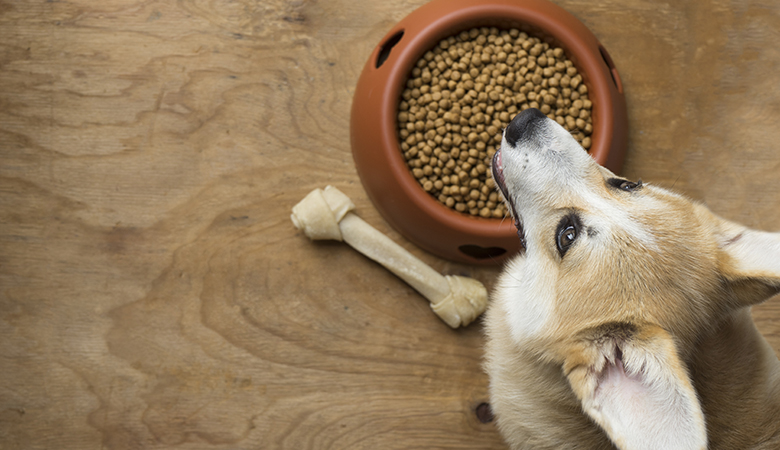
corgi dog besides a bowl of kibble food
Most behavioral causes of food refusal resolve with the practical steps above within a few days. But certain signs indicate a veterinary visit should not be delayed.
Contact your vet if your dog has not eaten for more than 48 hours (24 hours for puppies and senior dogs), if food refusal is accompanied by lethargy, vomiting, diarrhea, unusual thirst, or any visible pain, or if you notice rapid weight loss over a short period.
Also seek veterinary advice if your dog shows signs of dental pain such as bad breath, drooling, or reluctance to chew, if you suspect a medication is affecting appetite, or if the behavior change came on suddenly with no obvious behavioral explanation.
Your vet may recommend blood work, a dental examination, imaging, or dietary guidance depending on what the physical exam reveals. In some cases, an appetite stimulant such as mirtazapine may be prescribed to help re-establish normal eating patterns while the underlying cause is treated.
Frequently Asked Questions (FAQs)
Why is my dog not eating his food but will eat treats?
Your dog finds treats more palatable, has learned that refusing food leads to better options, or has a health issue like dental pain or GI upset that makes regular meals uncomfortable while treats remain manageable.
Is it okay if my dog only eats treats and skips meals?
No. Treats do not provide complete, balanced nutrition and cannot replace a full meal. Consistent reliance on treats over food signals either a behavioral pattern or an underlying health issue that needs to be addressed.
How long can a dog go without eating before I should worry?
Healthy adult dogs can safely skip meals for 24 to 48 hours. Puppies under 6 months should not go more than 12 hours. Senior dogs should be seen by a vet after 24 hours of food refusal.
Can stress cause my dog to stop eating his food but still eat treats?
Yes. Stress and anxiety suppress appetite for routine food but dogs often still accept treats because treats are associated with comfort, praise, and reward rather than daily routine.
Could dental problems be why my dog eats treats but not kibble?
Absolutely. Dental pain from gum disease, broken teeth, or oral infections makes chewing hard kibble painful. Soft treats require almost no chewing, making them far more comfortable for a dog with oral pain.
What should I add to my dog’s food to make him eat it?
Try adding a small amount of warm low-sodium broth, plain cooked chicken, wet dog food, or freeze-dried meat topper. Warm food slightly to intensify the aroma. Keep additions minimal and consistent.
Should I stop giving treats if my dog refuses his food?
Yes, temporarily. Eliminate treats entirely for 3 to 5 days and maintain a strict meal schedule. Offer food for 15 to 20 minutes then remove it. Most behavioral cases resolve within this window.
Can changing my dog’s food fix the problem?
Sometimes. If food boredom or a mild sensitivity is the cause, transitioning to a new quality formula over 7 to 10 days can restore interest. Never switch food abruptly as it causes digestive upset.
Why does my dog refuse food at night specifically?
Daytime treats accumulate calories that eliminate dinner hunger, evening household activity is distracting, or anxiety peaks in the evening. Try feeding earlier, cutting daytime treats, and creating a calmer feeding environment.
When should I take my dog to the vet for not eating?
Visit the vet if food refusal lasts more than 48 hours in adults, 12 hours in puppies, or 24 hours in seniors, or if any other symptoms appear including lethargy, vomiting, diarrhea, weight loss, or visible discomfort.
Conclusion
Why is my dog not eating his food but will eat treats — the answer almost always comes down to one of two things: your dog has learned that holding out leads to something better, or something in his body is making regular food feel uncomfortable or unappealing.
Both situations are fixable once you identify the real cause.
Start with behavior. Cut back treats to under 10 percent of daily calories, establish a strict feeding schedule, remove uneaten food after 20 minutes, and improve the appeal of regular meals with simple additions like warm broth or a food topper.
Most behavioral cases resolve within a week of consistent action.
If the behavior persists beyond 48 hours, or if any other symptoms appear, go straight to your vet.
Dental pain, gastrointestinal problems, food allergies, and underlying illness all require professional diagnosis and treatment.
The earlier you catch a health issue, the easier it is to treat. Your dog’s appetite is one of the clearest windows into his overall health — pay attention to it every single day.