Why Do My Balls Hurt on One Side? Causes & Fixes 2026
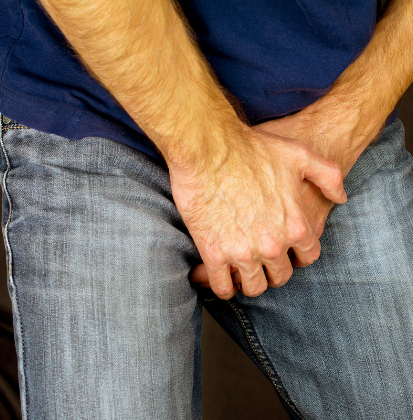
Why do my balls hurt Especially on just one side? This is one of the most searched men’s health questions online, and for good reason.
Testicular pain can range from a mild ache to a sharp, stabbing sensation that stops you cold.
It can signal something minor like a bruise or something serious like testicular torsion.
What Is Testicular Pain (Orchialgia)?
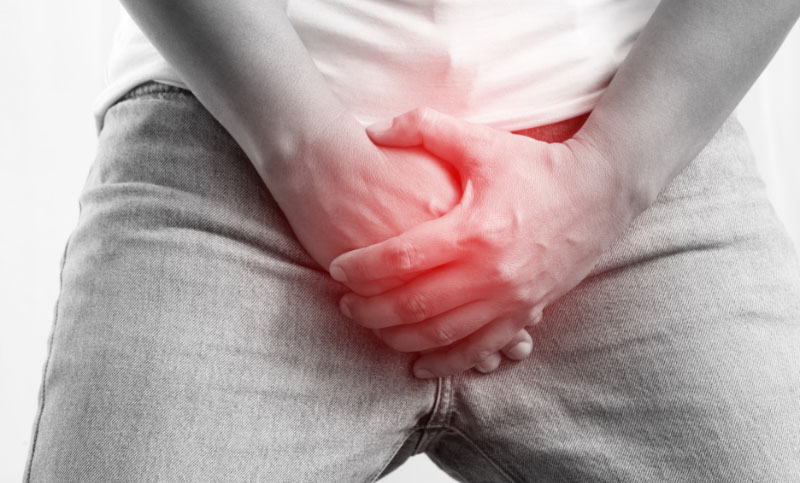
Testicular pain is medically known as orchialgia or scrotalgia. It refers to any discomfort, aching, or sharp pain felt in one or both testicles or the surrounding scrotum.
Pain in this area is always a symptom — never a diagnosis on its own. It signals that something else is going on, and that something can range from completely harmless to a genuine medical emergency.
The testicles sit in the scrotum outside the body for temperature regulation. This exposed position makes them vulnerable to injury, infection, and structural problems that can all cause pain.
Why Does Only One Ball Hurt?
One-sided testicular pain is actually very common. Anatomical differences between the left and right side explain a lot.
The left testicle hangs slightly lower and has a different vein structure, making it more prone to varicoceles. The right side is more commonly affected by testicular torsion due to a slightly different attachment angle.
Pain on one side does not automatically mean something is wrong with the testicle itself. Referred pain from the kidneys, spine, groin, or inguinal nerves can also appear to originate in just one testicle.
Common Causes: Why Do My Balls Hurt
Here is a breakdown of the most common reasons your balls hurt on one side, from most to least urgent.
1. Testicular Torsion — The Emergency You Cannot Ignore
Testicular torsion happens when the spermatic cord twists and cuts off blood supply to the testicle. It is the most dangerous cause of sudden one-sided testicular pain.
The pain comes on fast — usually severe, sudden, and without warning. You may also feel nausea, vomiting, and abdominal cramping alongside the scrotal pain.
This is a medical emergency. Permanent damage begins within 6 hours of torsion. Surgery within that window saves the testicle in most cases. After 12 hours, nearly 3 in 4 patients require the testicle to be removed.
Go to the emergency room immediately if you experience sudden, severe pain on one side.
| Feature | Details |
|---|---|
| Onset | Sudden, severe |
| Side Most Affected | Left more common |
| Emergency? | Yes — act within 6 hours |
| Treatment | Surgery (de-torsion) |
2. Epididymitis — The Most Common Cause in Adult Men
Epididymitis is inflammation of the epididymis, the coiled tube behind each testicle that stores and transports sperm. It is the leading cause of testicular pain in men between 18 and 35.
Most cases are caused by bacterial infections, including sexually transmitted infections (STIs) like chlamydia and gonorrhea, or urinary tract infections (UTIs). The pain usually builds gradually rather than striking all at once.
Symptoms include a dull, aching pain on one side, scrotal warmth and redness, swelling, and sometimes fever. Sitting for long periods often makes the pain worse by pressing on the inflamed tissue.
Treatment is antibiotics. Left untreated, epididymitis can cause chronic pain or fertility problems.
| Feature | Details |
|---|---|
| Onset | Gradual |
| Common Age Group | 18–35 |
| Cause | Bacterial infection (STIs, UTIs) |
| Treatment | Antibiotics |
3. Varicocele — The “Bag of Worms” in Your Scrotum
A varicocele is an enlargement of the veins inside the scrotum, similar to varicose veins in the legs. It is more common on the left side due to the angle at which the left testicular vein drains into the left renal vein.
The pain is typically a dull aching or heaviness that gets worse after standing or physical activity and improves when you lie down. Some men describe feeling a lumpy mass that resembles a bag of worms when the scrotum is examined.
Varicoceles are present in about 15% of all men and up to 40% of men who are dealing with infertility. Mild cases may not need treatment. Severe or fertility-affecting cases can be treated with varicocelectomy or embolization.
4. Orchitis — Inflammation of the Testicle Itself
Orchitis is direct inflammation of one or both testicles. It can result from bacterial infections (often spreading from epididymitis) or viral infections, most notably the mumps virus.
Pain can come on suddenly and feel severe. The affected testicle may become swollen, warm, and tender to touch. Fever, nausea, and a general feeling of illness often accompany it.
Bacterial orchitis is treated with antibiotics. Viral orchitis (from mumps) is managed with rest, pain relievers, and supportive care since antibiotics do not work on viruses.
5. Spermatocele — A Fluid-Filled Cyst Near the Testicle
A spermatocele is a benign, fluid-filled cyst that develops in the epididymis near the top of the testicle. It is not cancerous and is fairly common in adult men.
Most spermatoceles are small and painless. However, they can grow large enough to cause a feeling of pressure, heaviness, or discomfort — especially during or after ejaculation when the surrounding tissue becomes active.
Small cysts are usually left alone and monitored. Larger, painful ones can be surgically removed (spermatocelectomy), though surgery is only recommended when the discomfort significantly affects quality of life.
6. Hydrocele — Fluid Buildup Around the Testicle
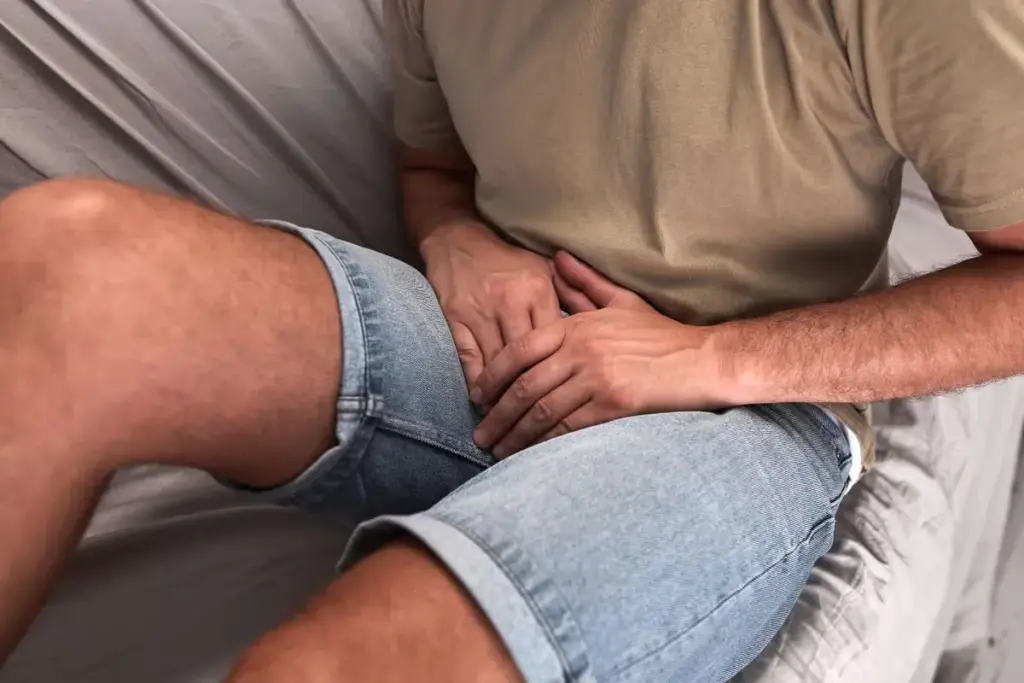
A hydrocele forms when abdominal fluid accumulates around one or both testicles inside the scrotum. It creates a painless, smooth swelling that can make the scrotum feel heavy or larger than normal.
While hydroceles are most common in newborns, they can also develop in adult men following injury or infection. Most adult hydroceles are not dangerous but can be uncomfortable.
Small hydroceles that are not causing symptoms are usually watched rather than treated. Larger ones that cause significant discomfort may require a minor surgical procedure called hydrocelectomy.
7. Inguinal Hernia — Pain That Feels Like It Comes From the Testicle
An inguinal hernia occurs when tissue, usually part of the intestine, pushes through a weak spot in the abdominal muscles near the groin. The referred pain can radiate down into the scrotum and feel like testicular pain.
You may notice a bulge near the groin or upper scrotum that becomes more prominent when you cough, bend over, or lift something heavy. The area may ache or feel sore throughout the day.
Inguinal hernias do not resolve on their own. Small, asymptomatic hernias may be monitored. Those causing pain or growing larger require surgical repair.
8. Kidney Stones — Referred Pain to the Testicle
Kidney stones can cause intense referred pain that travels from the flank down through the ureter and into the groin and testicle. This is because the testicular nerves and the ureteral nerves share overlapping pathways.
The pain is usually colicky — meaning it comes in waves and can be excruciating. It may be accompanied by blood in the urine, nausea, and difficulty urinating. The testicle itself will feel completely normal on examination.
Treatment depends on the stone’s size. Small stones often pass on their own with hydration. Larger stones may require shock wave lithotripsy or surgical removal.
9. Epididymal Hypertension — “Blue Balls”
Epididymal hypertension, commonly called “blue balls,” happens when prolonged sexual arousal does not result in ejaculation. Blood rushes to the genital area, and sperm builds up in the epididymis, causing temporary pressure and aching.
The condition is uncomfortable but not dangerous. It resolves on its own once arousal subsides, typically within a few hours. No medical treatment is required.
This is one of the most benign causes of temporary one-sided or bilateral testicular aching and requires no concern beyond temporary discomfort.
10. Trauma and Physical Injury
A direct hit, fall, or sports-related impact is one of the most obvious reasons why your balls hurt. The testicles are highly sensitive and lack the muscular protection that surrounds other organs.
Even a minor blow can cause significant pain, swelling, and nausea. Most mild trauma resolves within 30 to 60 minutes. Pain lasting more than an hour after an injury should be evaluated by a doctor to rule out testicular rupture or hematocele (blood collecting around the testicle).
Wearing an athletic cup or supportive underwear during sports is the simplest prevention strategy.
11. Testicular Cancer — Rare but Real
Testicular cancer is the most common cancer in men aged 15 to 35. Most cases begin as a painless lump inside the testicle rather than pain, which is why many men ignore early signs.
Some men do experience a dull ache, heaviness, or soreness in the affected testicle or lower abdomen. If you find a firm, painless lump or notice one testicle is noticeably harder or larger than usual, see a doctor promptly.
When caught early, testicular cancer has one of the highest survival rates of any cancer — over 95%. Monthly self-exams are the best way to detect changes early.
12. Diabetic Neuropathy — Nerve Damage Causing Scrotal Pain
Men with poorly controlled diabetes can develop nerve damage (neuropathy) that affects the nerves near the testicles. This creates a burning, tingling, or aching sensation that may feel like testicular pain.
The pain may be chronic and difficult to pinpoint. There is often no physical finding on examination that explains the discomfort, which is why a full medical history is important.
Managing blood sugar levels is the primary treatment. Medications like tricyclic antidepressants may help control neuropathic pain in these cases.
13. Post-Vasectomy Pain Syndrome
Some men experience chronic testicular aching or pain after a vasectomy. This is called post-vasectomy pain syndrome (PVPS) and affects an estimated 1 to 2% of men who undergo the procedure.
The pain is thought to result from pressure buildup in the vas deferens or epididymis due to blocked sperm flow. It can range from mild discomfort to debilitating chronic pain.
Treatment options include anti-inflammatory medications, nerve blocks, and in some cases a vasectomy reversal to relieve pressure in the reproductive system.
14. Referred Pain From the Back or Pelvis
Sometimes testicular pain has nothing to do with the testicles themselves. Lower back problems, pelvic floor dysfunction, or nerve irritation in the lumbar spine can refer pain directly into the scrotum.
The testicle will feel normal to touch and there will be no swelling or redness. The pain may improve with stretching, posture changes, or physical therapy targeting the lower back and pelvic floor.
Pelvic floor physical therapy has shown measurable results in managing chronic scrotal pain that does not respond to other treatments.
Quick Reference: Cause Comparison Table
| Cause | Pain Type | Side | Emergency? | Treatment |
|---|---|---|---|---|
| Testicular Torsion | Sudden, severe | Left more common | YES | Emergency surgery |
| Epididymitis | Gradual, dull ache | Either | No | Antibiotics |
| Varicocele | Dull, heavy | Left mostly | No | Surgery/embolization |
| Orchitis | Sudden, severe | Either | No | Antibiotics/rest |
| Spermatocele | Pressure, dull | Either | No | Monitor/surgery |
| Hydrocele | Heavy, swollen | Either | No | Monitor/surgery |
| Inguinal Hernia | Referred, aching | Either | No | Surgery |
| Kidney Stones | Waves, severe | Either | No | Hydration/lithotripsy |
| Blue Balls | Dull ache | Either | No | Self-resolves |
| Trauma | Immediate, sharp | Either | Sometimes | Rest/ice |
| Testicular Cancer | Dull, lump present | Either | No | Oncology care |
| Diabetic Neuropathy | Burning, chronic | Either | No | Blood sugar control |
| Post-Vasectomy Pain | Chronic ache | Either | No | Medication/reversal |
| Referred Back Pain | Dull, variable | Either | No | PT/stretching |
When Should You Go to the ER Right Now?
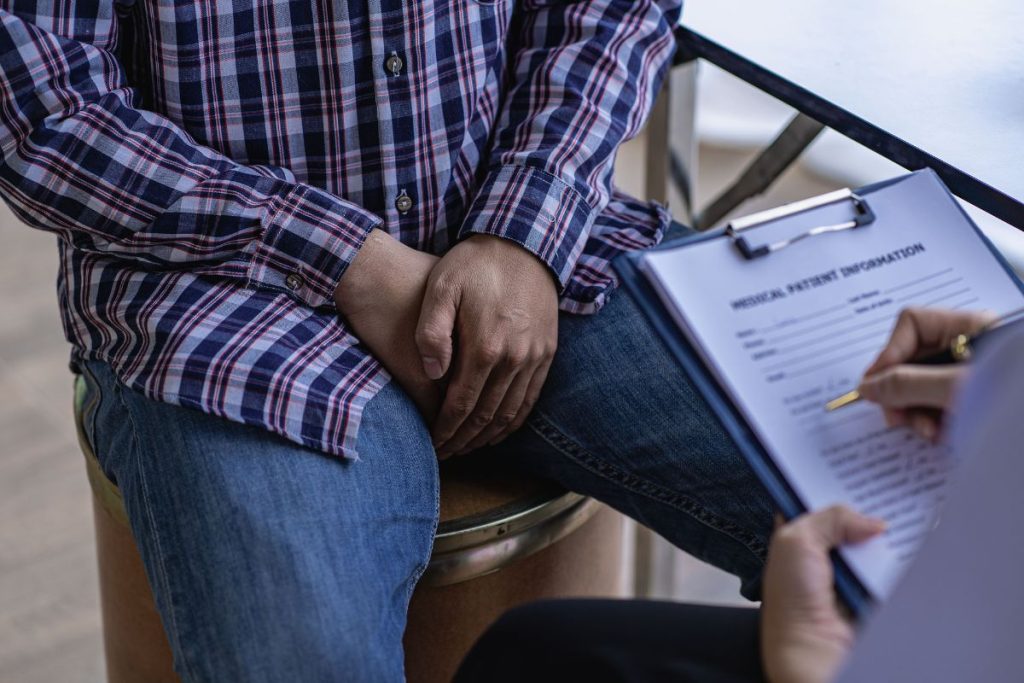
Not all testicular pain needs emergency care. But certain red flags mean you need to go immediately — do not wait until morning.
Go to the emergency room right away if:
- Pain came on suddenly and is severe
- The testicle is visibly higher than normal or looks twisted
- You feel nausea or vomiting along with scrotal pain
- There is significant swelling appearing within minutes
- The pain followed an injury and has not eased after 1 hour
- You have fever plus testicular pain together
These are signs of testicular torsion or serious infection. Every minute matters with torsion — the testicle may be lost if surgery is delayed.
When to See a Doctor (Non-Emergency)
You should make an appointment with your doctor or a urologist within a few days if:
- The pain has lasted more than a week
- You feel a new lump, firmness, or change in size of the testicle
- The pain keeps coming back
- You have pain after sex or ejaculation
- You notice scrotal swelling without obvious cause
A urologist specializes in exactly these conditions. They can order an ultrasound, urine test, or blood panel to pinpoint the cause.
How Doctors Diagnose Testicular Pain
Your doctor will typically start with a physical exam of the scrotum and testicles. They will also take a full medical history, including recent sexual activity, injury history, and any urinary symptoms.
Common diagnostic tools include:
- Scrotal ultrasound — checks blood flow, looks for torsion, cysts, tumors
- Urinalysis — detects bacterial infection or STIs
- STI swab or blood test — rules out chlamydia and gonorrhea
- CT scan — useful for detecting kidney stones and referred pain sources
In many cases, no specific cause is identified. This can be frustrating, but a thorough evaluation rules out all dangerous conditions, which is itself valuable information.
Treatment Options for Testicular Pain
Treatment depends entirely on what is causing the pain. Here is a summary of what different conditions require.
Medications commonly used:
- Antibiotics — for epididymitis, orchitis, and STI-related causes
- NSAIDs (ibuprofen, naproxen) — reduce inflammation and manage pain
- Tricyclic antidepressants — treat nerve-related or idiopathic testicular pain
- Alpha-blockers — can help with some prostate-related pain patterns
Surgical options:
- Testicular de-torsion — emergency surgery to untwist the spermatic cord
- Varicocelectomy — surgical removal or ligation of enlarged scrotal veins
- Spermatic cord denervation (MDSC) — cutting pain-transmitting nerves
- Orchiectomy — removal of the testicle in cancer or irreversible torsion
- Vasectomy reversal — for post-vasectomy pain syndrome
Non-surgical approaches:
- Scrotal support (jockstrap or supportive underwear)
- Ice packs wrapped in cloth — 20 minutes on, 20 minutes off
- Warm baths for infection-related discomfort
- Pelvic floor physical therapy for chronic idiopathic pain
- Spermatic cord nerve blocks for stubborn cases
Home Remedies to Ease Testicular Pain
These home measures can provide short-term relief while you wait for a medical appointment. They do not replace diagnosis or treatment.
Rest and elevation — lying down and placing a folded towel under the scrotum reduces pressure and improves blood flow.
Ice pack therapy — wrap ice in a thin cloth and apply to the area for 15 to 20 minutes, up to 4 times a day. Never apply ice directly to skin.
Supportive underwear — a snug-fitting brief or athletic supporter limits movement and reduces mechanical irritation.
Over-the-counter pain relief — ibuprofen or naproxen can reduce mild inflammation and dull the pain temporarily.
Avoid prolonged sitting — try to take standing or walking breaks every 30 to 45 minutes if you work at a desk.
These remedies work for mild cases. If pain is worsening, spreading, or accompanied by other symptoms, see a doctor rather than continuing to self-treat.
Testicular Self-Exam: How to Check Yourself
A monthly self-exam is the simplest way to catch changes early, including the early warning signs of testicular cancer or a growing cyst.
How to do a proper self-exam:
The best time is during or just after a warm shower when the scrotal skin is relaxed. Hold one testicle at a time between your thumb and fingers. Gently roll it to feel for any lumps, changes in firmness, or areas of tenderness. Compare both sides. The epididymis at the back of each testicle is supposed to feel like a soft ridge — that is normal.
See a doctor if you notice any new lump, hard spot, or change in size or shape. Most lumps are benign, but early evaluation is always the right call.
Prevention: How to Protect Your Testicular Health
You cannot prevent every cause of testicular pain, but these steps reduce your overall risk significantly.
Practice safe sex to reduce the risk of STIs that cause epididymitis and orchitis. Wearing condoms consistently is the most effective protection.
Use an athletic cup or supportive shorts during contact sports and any activity that could result in impact to the groin. Trauma is one of the most preventable causes of testicular pain.
Stay well-hydrated to reduce the risk of kidney stones, which are a surprisingly common cause of referred scrotal pain.
Avoid prolonged sitting without breaks. Long periods of compression in the groin area can aggravate existing inflammation and restrict blood flow.
Do not ignore mild or recurring pain. Conditions like varicoceles, hernias, and epididymitis are much easier to treat when caught early before they become chronic.
Frequently Asked Questions (FAQs)
Why do my balls hurt on one side only?
One-sided testicular pain is most commonly caused by epididymitis, varicocele, or testicular torsion. Anatomical differences between the left and right sides make one-sided pain very normal.
Is testicular pain ever a sign of cancer?
Testicular cancer usually causes a painless lump rather than pain. But a dull ache or heaviness paired with a noticeable lump should be evaluated by a doctor promptly.
My left ball hurts more than my right — why?
The left testicle is more prone to varicoceles due to its vein drainage angle. Left-sided pain is more often related to varicocele or epididymitis than to torsion.
How do I know if I have testicular torsion?
Testicular torsion causes sudden, severe pain that comes on rapidly — often with nausea, vomiting, and one testicle sitting noticeably higher. This is an emergency requiring immediate ER care.
Can sitting cause testicular pain?
Yes. Prolonged sitting can compress scrotal nerves and blood vessels, especially if you have an underlying condition like epididymitis or varicocele that makes the area more sensitive.
Why do my balls hurt after ejaculation?
Post-ejaculation pain is often linked to epididymitis, prostatitis, or a spermatocele that gets irritated during the muscular contractions of orgasm. A urologist can identify the exact cause.
Can a kidney stone make my testicle hurt?
Yes. Kidney stones cause referred pain that travels through shared nerve pathways into the groin and testicle. The testicle itself will appear and feel normal on exam.
What is the fastest way to relieve ball pain at home?
Lie down with a folded towel supporting the scrotum, apply an ice pack wrapped in cloth, take ibuprofen, and wear supportive underwear. These steps ease mild discomfort while you arrange medical evaluation.
Can stress or anxiety cause testicular pain?
Stress and anxiety can trigger or worsen chronic pelvic pain conditions, including scrotal pain, through muscle tension and nerve sensitivity changes. This type of pain is real but does not indicate physical damage.
When should I go to the ER for ball pain?
Go to the ER immediately if the pain is sudden and severe, the testicle looks twisted or sits higher than normal, you have nausea or vomiting alongside the pain, or swelling is developing rapidly.
Conclusion
Why do my balls hurt on one side? The answer varies — and getting it right matters. Some causes, like minor trauma or blue balls, resolve on their own within an hour.
Others, like testicular torsion, are medical emergencies that need surgical treatment within six hours or the testicle may be permanently lost.
Conditions like epididymitis, varicocele, and kidney stones fall somewhere in between — not emergencies, but not something to ignore either.
The key takeaway is this: testicular pain is always your body sending a signal. If the pain is sudden, severe, or paired with swelling and nausea, get to an emergency room right now.
If the pain is mild but persistent, lasting more than a week, or comes with a lump or change in the testicle’s feel or size, make an appointment with a urologist.
Monthly self-exams and protecting yourself during physical activity are the two simplest things you can do to stay ahead of problems before they escalate.