Why Does It Burn When I Pee After Sex? After Intimacy Tips 2026

Why does it burn when I pee after sex is one of the most common health questions people search but rarely ask out loud.
You are not alone — millions of people experience this uncomfortable sensation after intimacy.
The good news is that post-sex burning when urinating is usually temporary, very common, and has clear causes with real solutions.
Is It Normal to Have Burning When Peeing After Sex?

Yes, it is completely normal and very common. Many people experience a stinging or burning sensation the first time they urinate after sexual activity.
In most cases, it is not a sign of something serious. The burning is often caused by temporary irritation of the delicate urethral tissue during sex.
However, if the burning lasts more than 24 to 48 hours, gets worse, or comes with other symptoms, it deserves medical attention.
What Causes Burning When Peeing After Sex?
There are several reasons why burning when peeing after sex happens. Understanding the cause helps you choose the right solution.
| Cause | Typical Duration | Needs Doctor? |
|---|---|---|
| Urethral friction/irritation | Resolves in 24 hrs | No |
| Vaginal dryness | Resolves with lubricant | Sometimes |
| UTI (honeymoon cystitis) | Worsens without treatment | Yes |
| STI (chlamydia, gonorrhea) | Does not resolve alone | Yes |
| Product/latex allergy | Resolves after switching products | No |
| Urethritis | Varies | Yes |
| Yeast infection | Worsens without treatment | Sometimes |
| Bacterial vaginosis (BV) | Does not resolve alone | Yes |
Cause 1: Urethral Friction and Irritation
What It Is
The urethra is very delicate tissue. During sex, friction from penetration, sustained activity, or vigorous rubbing can inflame the tissue around and inside the urethra.
When urine — which is slightly acidic — then passes over that already-irritated tissue, it causes a stinging or burning feeling.
What It Feels Like
The burning usually appears only the first time you urinate after sex. It then fades quickly and is gone within 24 hours.
What To Do
This type of post-sex burning does not require medical treatment. Drink extra water, urinate soon after sex, and use a quality water-based lubricant next time.
Cause 2: UTI After Sex (Honeymoon Cystitis)
What It Is
A urinary tract infection after sex — sometimes called honeymoon cystitis — is one of the most common causes of burning urination after intercourse.
Sexual activity can push bacteria, often E. coli from the genital or anal area, toward the opening of the urethra. Once bacteria enter, they can travel to the bladder and cause an infection.
Symptoms of a Post-Sex UTI
- Burning or stinging during urination that does not go away
- A constant urge to pee even when the bladder is nearly empty
- Cloudy, dark, or strong-smelling urine
- Pelvic pressure or lower abdominal discomfort
- Symptoms that start or worsen 24 to 48 hours after sex
Why Women Get UTIs More Often After Sex
Women have a shorter urethra than men. This means bacteria have a shorter distance to travel to reach the bladder. Friction during sex makes it even easier for bacteria to migrate upward.
What To Do
UTIs do not go away on their own. You need antibiotic treatment from a doctor. Left untreated, a bladder infection can spread to the kidneys and become a serious illness.
If you get recurrent UTIs after sex, your doctor may prescribe a single-dose antibiotic to take after intercourse as a preventive measure.
Cause 3: Vaginal Dryness
What It Is
When the body does not produce enough natural lubrication during sex, friction becomes extreme. This creates tiny micro-tears in the delicate vaginal and urethral tissue.
Vaginal dryness is especially common during perimenopause or menopause, after childbirth, or while taking certain hormonal contraceptives.
What It Feels Like
Burning or soreness both during sex and when urinating afterward. The discomfort may also include rawness or tenderness around the vaginal opening.
What To Do
Use a high-quality, water-based, fragrance-free lubricant during sex. This significantly reduces friction and prevents tissue damage.
If vaginal dryness is chronic, speak with a doctor. Topical estrogen therapy is a safe and effective option for many people experiencing hormonal dryness.
Cause 4: Sexually Transmitted Infections (STIs)
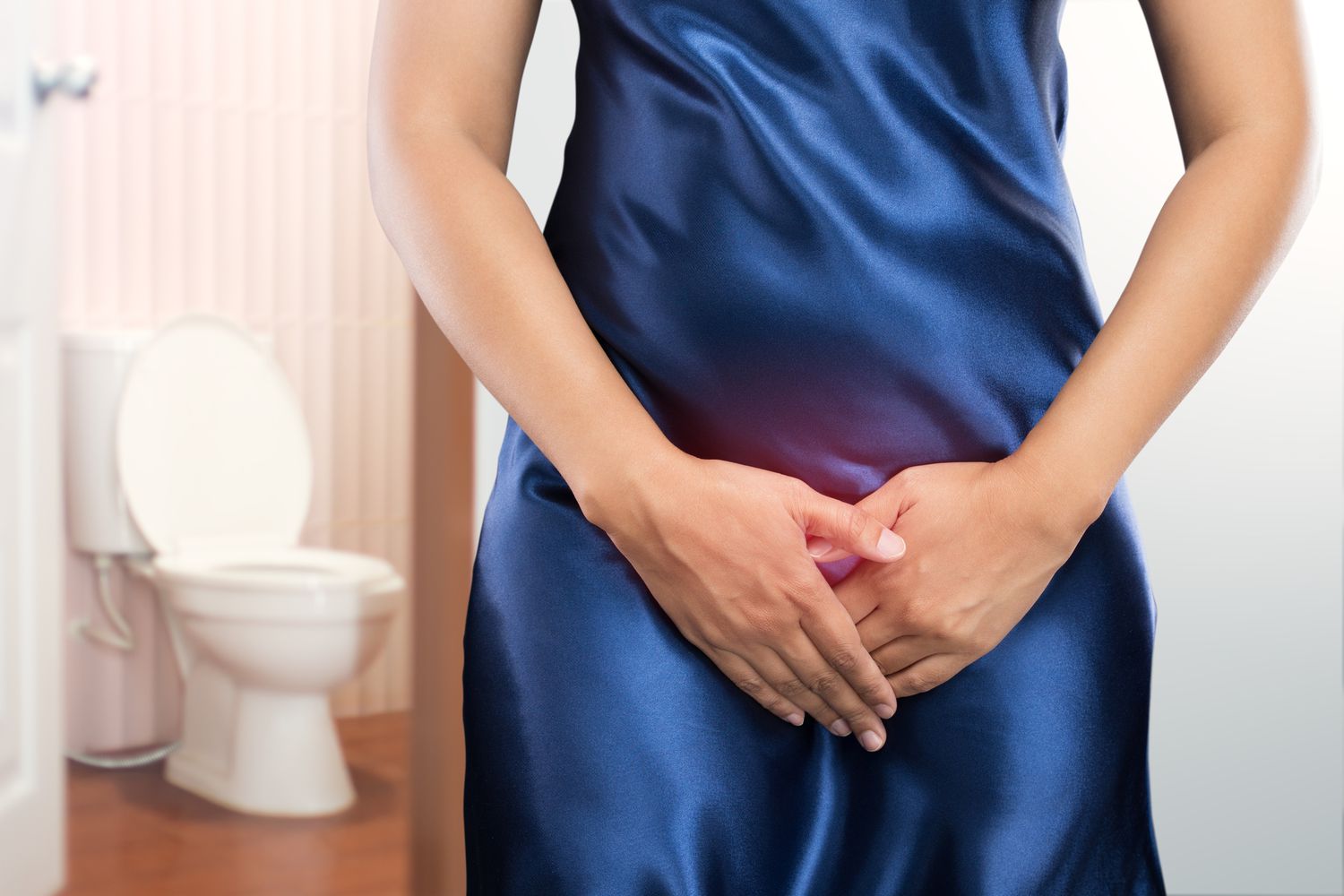
What It Is
Several sexually transmitted infections cause inflammation of the urethra and genital tissues that results in burning urination. These include chlamydia, gonorrhea, trichomoniasis, and genital herpes.
STI-related burning is different from friction-related burning because it does not go away on its own and is often accompanied by other symptoms.
STI Symptoms That Differ From Simple Irritation
- Unusual vaginal or penile discharge (yellow, green, or gray)
- Sores, blisters, or lesions on or around the genitals
- Pain during sex itself, not just when urinating
- Burning that persists for more than a few days
- Itching, swelling, or redness around the genital area
What To Do
If you suspect an STI, get tested immediately. Do not wait for symptoms to worsen.
Chlamydia and gonorrhea are treated with antibiotics. Trichomoniasis is also curable with medication. Herpes has no cure but can be managed effectively with antiviral medications.
Always ensure your partner is also tested and treated to prevent reinfection.
Cause 5: Product or Latex Sensitivity
What It Is
Your body can react to products used during sex, and this reaction can cause burning when you urinate afterward.
Common triggers include latex condoms, flavored or scented condoms, spermicidal lubricants, warming or tingling lubricants, fragranced body washes or soaps used before sex, and certain contraceptive creams.
What It Feels Like
The burning is usually external — around the vulva, vaginal opening, or tip of the urethra. There may also be redness, itching, or swelling in the area.
What To Do
Switch to unscented, fragrance-free, water-based lubricants and non-latex condoms if you suspect a sensitivity. The reaction usually clears up quickly once you remove the irritating product.
Avoid using scented soaps, douches, or perfumed products near your genitals before or after sex.
Cause 6: Urethritis
What It Is
Urethritis is inflammation of the urethra itself. It can be caused by bacterial infections including gonorrhea and chlamydia, or by non-infectious irritation from products, friction, or vigorous sexual activity.
It is more commonly discussed in men but affects people of all genders.
Symptoms
- Burning or pain when urinating
- Discharge from the urethra
- Frequent urge to urinate
- Discomfort at the tip of the urethra even when not urinating
What To Do
See a doctor. If caused by a bacterial infection, antibiotics are required. If caused by irritation, lifestyle changes and avoiding triggers usually resolve the inflammation.
Cause 7: Yeast Infection
What It Is
A yeast infection is caused by an overgrowth of Candida fungus in the vagina. Sex does not cause yeast infections but can trigger or worsen existing ones.
The burning from a yeast infection is usually felt in the vaginal area and around the vulva, which can make urination uncomfortable.
Other Yeast Infection Symptoms

- Thick, white, clumpy discharge (often described as cottage cheese-like)
- Intense vaginal itching
- Redness and swelling around the vulva
- Pain or discomfort during sex
What To Do
Many yeast infections can be treated with over-the-counter antifungal creams or suppositories. However, if symptoms persist or keep coming back, see a doctor for a proper diagnosis and prescription treatment.
Cause 8: Bacterial Vaginosis (BV)
What It Is
Bacterial vaginosis is caused by an imbalance of good and bad bacteria in the vagina. Sex can disrupt the vaginal pH and bacterial balance, triggering or worsening BV.
BV can cause burning during urination along with a distinctive fishy odor, itching, and gray, green, or white vaginal discharge.
What To Do
BV does not go away on its own. A doctor will typically prescribe antibiotic treatment, either oral or as a vaginal gel.
Avoid douching, as it disrupts the natural vaginal flora and can make BV worse.
Cause 9: Dehydration
What It Is
When you are dehydrated, your urine becomes more concentrated and acidic. Highly acidic urine can cause a stinging or burning sensation when it passes over already-sensitive urethral tissue after sex.
This is one of the most overlooked and easiest-to-fix causes of post-sex burning.
What To Do
Drink a full glass of water before sex and another glass right after. Well-hydrated urine is more dilute and far less likely to cause irritation when you urinate.
Cause 10: Pelvic Floor Tension
What It Is
Pelvic floor dysfunction or tension in the pelvic floor muscles can cause discomfort during and after sex, including burning or pain when urinating.
This is more common in people who have experienced sexual trauma, carry chronic stress, or have conditions like vaginismus.
What To Do
A pelvic floor physical therapist can assess and treat pelvic floor tension. This is a highly effective and evidence-based treatment that many people are unaware of.
After Intimacy Tips to Stop Burning When Peeing After Sex
Tip 1: Pee Within 30 Minutes After Sex
Urinating shortly after intercourse helps flush bacteria out of the urethra before they can travel to the bladder. Try to go within 30 minutes.
Drink a glass of water before sex so your bladder has something to work with afterward.
Tip 2: Use Water-Based Lubricant
Photo of Unrecognizable Man covering his painful crotch. Mature man with urological problems suffering from pain at home during the day.
Water-based, fragrance-free lubricants are the safest and most effective choice for preventing friction-related burning. They reduce friction dramatically and are compatible with all condom types.
Avoid lubricants with glycerin, warming additives, or scents — these can irritate sensitive tissue.
Tip 3: Stay Hydrated Before and After Sex
Drink water consistently throughout the day. Hydrated urine is more dilute and less acidic, which means it causes far less irritation when it passes over sensitive urethral tissue after sex.
Aim for at least 6 to 8 glasses of water daily.
Tip 4: Switch Your Condoms or Products
If you notice burning after sex regularly, your condom brand or lubricant may be the culprit. Switch to non-latex condoms and unscented, water-based products.
Avoid spermicidal condoms — spermicide kills the healthy bacteria that protect your urinary tract.
Tip 5: Gently Cleanse Before and After Sex
Wash the genital area gently with mild, unscented soap and warm water before sex. Rinse well afterward without scrubbing or using harsh products.
Never douche — it disrupts the natural vaginal bacterial balance and increases infection risk.
Tip 6: Baking Soda Water for Quick Relief
Drinking a glass of water with one teaspoon of baking soda can mildly alkalinize the urine and reduce the stinging sensation temporarily. This is a short-term comfort measure, not a medical treatment.
A lukewarm sitz bath with a tablespoon of baking soda can also calm external vulvar burning and irritated tissue.
Tip 7: Try AZO or Phenazopyridine for Temporary Relief
Phenazopyridine, sold over the counter as AZO or Uristat, can temporarily relieve the burning sensation during urination. It does not treat infections but does provide comfort while you wait for a doctor’s appointment.
Note: It turns urine bright orange — this is normal and harmless.
Tip 8: Track Your Symptoms
Keep a simple note of when burning occurs, how long it lasts, and what products were used. This makes it much easier for a doctor to identify the cause quickly.
Notice patterns — does it happen only with a certain partner, condom brand, or lubricant?
When to See a Doctor
| Symptom | Action |
|---|---|
| Burning lasts more than 48 hours | See a doctor — likely a UTI |
| Cloudy, dark, or strong-smelling urine | Get tested for UTI |
| Unusual discharge or odor | Get tested for STI or BV |
| Sores, blisters, or lesions | Get tested for STI immediately |
| Fever, chills, or back pain | Seek urgent care — possible kidney infection |
| Frequent urge to pee with little output | See a doctor — UTI or urethritis |
| Blood in urine | Seek care immediately |
| Burning that keeps coming back after sex | Talk to a doctor about preventive antibiotics |
Do not ignore symptoms that persist. Early treatment prevents infections from becoming more serious complications.
Men and Burning When Peeing After Sex
Men can also experience burning when urinating after sex, though it is less common.
In men, the urethra is longer, which means bacteria have a longer distance to travel. However, urethritis, STIs, and friction-related irritation can still cause post-sex burning in men and people with penises.
Men who experience burning after oral sex may have mild urethritis that resolves within a few hours. If symptoms persist beyond a day or worsen, medical evaluation is needed.
Post-Sex Burning During Menopause
It makes the urethra and vaginal tissue significantly more sensitive to friction, which means burning after sex is extremely common for people going through this stage of life.
Topical estrogen therapy, vaginal moisturizers, and quality lubricants are all effective options. Talk to a healthcare provider about the best approach for your situation.
Does Peeing After Sex Actually Prevent UTIs?
Research shows that urinating after sex can help reduce UTI risk, though it is not a guaranteed prevention method.
When you urinate, anything that was trying to enter the bladder gets pushed back out with the urine flow. This is why it is recommended to go within 30 minutes of intercourse.
It does not prevent STIs or pregnancy, but it is a simple, safe, and helpful habit that takes only a moment.
Frequently Asked Questions (FAQs)
Why does it burn when I pee after sex if I don’t have a UTI?
Burning without a UTI is often caused by urethral friction, vaginal dryness, a reaction to lubricants or condoms, or dehydration. It usually clears up within 24 hours on its own.
How long should burning after sex last?
Friction-related burning typically resolves within 24 hours. If burning lasts more than 48 hours or gets worse, it likely indicates a UTI or another condition that needs treatment.
Should I pee right after sex?
Yes, urinating within 30 minutes after sex helps flush bacteria from the urethra and reduces UTI risk. Drink water beforehand so your bladder is ready.
Can sex cause a UTI every time?
Not every time, but sex can repeatedly increase UTI risk if you are prone to them. If you get recurrent post-sex UTIs, a doctor can prescribe a low-dose preventive antibiotic to take after intercourse.
Is burning after sex a sign of an STI?
It can be, especially if accompanied by unusual discharge, sores, or pain during sex itself. Get tested if you notice these additional symptoms or had unprotected sex.
Why does it burn when I pee after sex as a man?
In men, burning after sex is usually caused by urethritis, STIs, or friction-related irritation. It is less common than in women but still worth attention if symptoms persist beyond 24 hours.
Can a yeast infection cause burning when peeing after sex?
Yes. Yeast infections cause vaginal and vulvar inflammation that makes urination uncomfortable. Other signs include thick white discharge and intense itching.
What lubricant should I use to prevent burning after sex?
Use a water-based, fragrance-free, glycerin-free lubricant. Avoid warming, tingling, flavored, or scented lubricants as these commonly cause irritation.
Can dehydration cause burning when peeing after sex?
Yes. Dehydrated urine is more concentrated and acidic, which increases irritation when passing over sensitive urethral tissue after sex. Drinking water before and after sex helps significantly.
When should I go to the doctor for burning after sex?
See a doctor if burning lasts more than 48 hours, if you have cloudy or strong-smelling urine, unusual discharge, sores, fever, back pain, or blood in your urine.
Conclusion
Why does it burn when I pee after sex is a question that deserves a clear, honest answer — and now you have one.
Post-sex burning is extremely common and usually caused by something straightforward: urethral friction, dehydration, a product sensitivity, or the early stages of a UTI.
In most cases, the right after intimacy tips — peeing soon after sex, staying hydrated, using the right lubricant, and switching to gentle products — are enough to stop the burning and prevent it from happening again.
When symptoms persist beyond 48 hours, worsen over time, or come with unusual discharge, sores, fever, or blood in the urine, see a doctor without delay.
UTIs require antibiotics to clear, and STIs need prompt treatment to protect both you and your partner.
The most important takeaway is this: listen to your body, act quickly when something feels wrong, and know that burning when peeing after sex is one of the most treatable and preventable discomforts in sexual health. You do not have to just live with it.