Why Do People Eat Corn Starch? Health Facts Revealed 2026
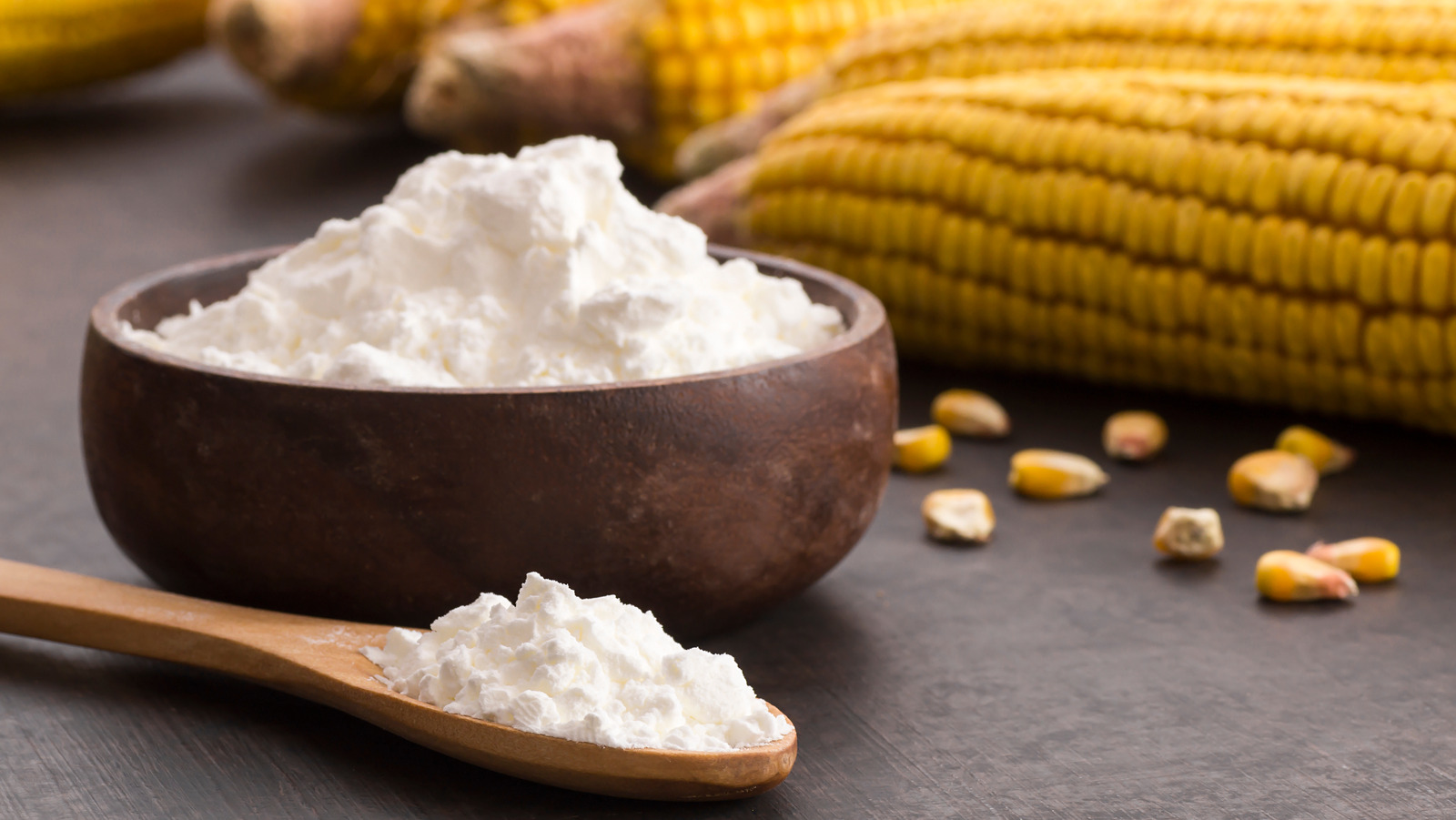
Why do people eat corn starch is a question that surprises many, yet it has real, medically recognized answers backed by science.
Corn starch is a fine white powder extracted from the endosperm of corn kernels, widely used as a thickening agent in cooking.
But a growing number of people consume it raw, straight from the box, for reasons that go far beyond the kitchen.
This behavior can be tied to a recognized eating disorder, nutritional deficiencies, medical conditions, sensory satisfaction, and even cultural habits.
What Is Corn Starch and Why Do People Eat It Raw?
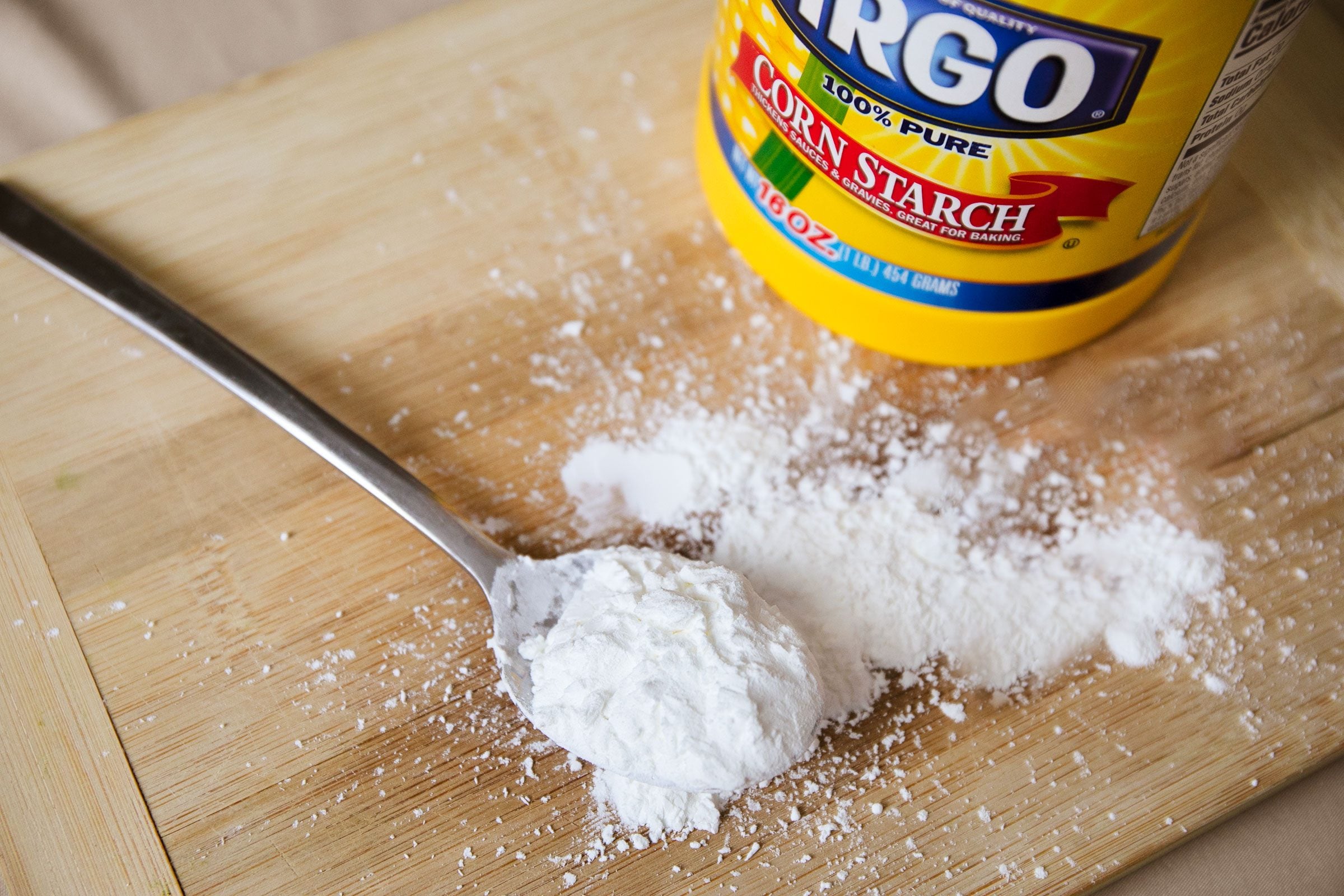
Corn starch, also written as cornstarch, is a refined carbohydrate derived from the endosperm of maize kernels. It is composed primarily of two polysaccharides called amylose and amylopectin.
In the kitchen, it is used to thicken sauces, gravies, soups, custards, and pie fillings. Manufacturers also dust it over powdered sugar and shredded cheese to prevent clumping.
The problem begins when people start eating it outside of its normal cooking context, consuming it raw, repeatedly, and in large amounts. This is not a cooking habit. It is a behavioral one, and it has a clinical name.
The Medical Term: Amylophagia Explained
The clinical term for compulsively eating starch is amylophagia. It comes from the Greek words amylon (starch) and phagein (to eat).
Amylophagia is classified as a subtype of pica, which is a broader eating disorder defined by persistent cravings for non-nutritive or non-food substances. Other pica subtypes include pagophagia (compulsive ice eating) and geophagia (eating dirt or clay).
Clinicians use DSM-5 pica criteria alongside lab work to diagnose amylophagia. It is important to note that this is very different from eating starchy foods like bread, pasta, or potatoes, which is entirely normal.
Why Do People Eat Corn Starch? The Main Causes
There is never just one answer. Multiple overlapping causes drive this behavior, and understanding each one helps explain why it affects such different groups of people.
Cause 1: Pica and Iron Deficiency Anemia
The most common and medically well-documented reason people eat raw corn starch is iron deficiency anemia (IDA).
Research repeatedly links pica to low iron levels. When the body is severely iron-deficient, it can trigger cravings for non-food substances as a kind of misdirected signal. Treating the iron deficiency often makes the craving disappear entirely within one to two weeks.
What makes this especially tricky is that eating raw corn starch actually makes iron deficiency worse. Corn starch binds to iron in the digestive tract, reducing how much the body can absorb. This creates a self-reinforcing cycle that is hard to break without professional help.
| Nutrient Deficiency | Associated Craving | Why It Happens |
|---|---|---|
| Iron | Corn starch, dirt, ice | Body sends misdirected hunger signals |
| Zinc | Starch, clay | Related to taste and appetite disruption |
| Calcium | Chalk, antacids | Body seeks mineral source |
| Multiple nutrients | Various non-food items | General malnutrition signal |
Cause 2: Pregnancy Cravings and Hormonal Changes
Pregnant women are among the most commonly affected groups. Hormonal changes during pregnancy increase nutritional demands significantly, and iron requirements more than double.
When iron levels drop during pregnancy, the likelihood of developing amylophagia increases substantially. Studies show that women who practice daily pica during pregnancy have significantly lower blood counts compared to those who do not.
Pregnancy-related corn starch cravings are a recognized medical concern. Doctors routinely screen pregnant women with pica symptoms for iron and other deficiencies. It is not unusual, but it is a signal the body is sending that needs to be heard.
Cause 3: Glycogen Storage Disease (GSD)
This is one of the most legitimate medical reasons to eat raw corn starch, and it is entirely doctor-prescribed.
Glycogen storage disease (GSD) is a group of inherited metabolic disorders where the body cannot break down glycogen properly. This causes dangerous drops in blood sugar, especially during fasting or sleep.
Raw corn starch is a complex carbohydrate that is difficult for the body to digest, so it acts as a slow-release glucose source. It was introduced as a GSD treatment in 1982 and dramatically changed survival outcomes for affected children.
Patients with GSD types I, III, VI, and IX are often prescribed uncooked corn starch every two to four hours to maintain safe blood glucose levels. In this specific medical context, eating corn starch raw is not just acceptable — it is life-saving.
| GSD Type | Common Name | Corn Starch Role |
|---|---|---|
| Type I (GSD Ia) | Von Gierke Disease | Primary glucose source between meals |
| Type III | Forbes-Cori Disease | Slow-release carbohydrate every 3-4 hours |
| Type VI | Hers Disease | Prevent hypoglycemia and ketosis |
| Type IX | Phosphorylase kinase def. | Blood sugar stabilization |
Cause 4: Sensory Satisfaction and ASMR Trends
Not every case involves a deficiency or medical disorder. For some people, eating corn starch is a purely sensory experience.
The fine, powdery texture and the way it dissolves slowly in the mouth creates a unique tactile satisfaction. Many people describe it as calming or oddly pleasurable, similar to the appeal of other ASMR content.
Social media platforms like TikTok and YouTube have seen a surge of corn starch eating videos. Content creators film themselves consuming it, describing the texture, the sound, and the mouthfeel. This has normalized the behavior for a niche audience, sometimes encouraging it in people who would not otherwise consider it.
Cause 5: Diabetes and Blood Sugar Management
Some people with diabetes consume small amounts of raw corn starch to prevent hypoglycemia, particularly at night.
Because raw corn starch resists rapid digestion, it releases glucose slowly. This makes it useful for stabilizing blood sugar over longer periods compared to simple sugars.
This is only appropriate when recommended by a physician or registered dietitian. Self-medicating with corn starch without medical guidance can backfire, especially since it is a high-glycemic index food when fully digested.
Cause 6: Cultural and Traditional Practices
In some communities, particularly among African American women in the Southern United States, eating laundry starch or corn starch has been a generational cultural practice.
Passed down through families, this habit was often associated with pregnancy and considered a tradition rather than a disorder. Researchers have documented it for over a century under the broader umbrella of pica behaviors.
Cultural familiarity does not make it safe, but it does help explain why some individuals do not recognize it as a problem. Awareness and non-judgmental medical conversations are essential in these communities.
Cause 7: Emotional Stress and Psychological Factors
Corn starch eating can also be a stress response or a form of emotional self-regulation. Similar to comfort eating, some people develop a craving for the texture or ritual of eating corn starch during periods of anxiety, boredom, or emotional difficulty.
Mental health conditions including obsessive-compulsive disorder (OCD), autism spectrum disorder (ASD), and certain developmental disabilities are associated with a higher likelihood of pica behaviors.
In these cases, the behavior may serve a self-soothing function and requires psychological support alongside any nutritional treatment.
Nutritional Profile of Corn Starch
It is important to understand what corn starch actually provides nutritionally before thinking about eating it raw.
| Nutrient | Per 1 Tablespoon (8g) | Per 1 Cup (128g) |
|---|---|---|
| Calories | 30 kcal | 488 kcal |
| Carbohydrates | 7g | 117g |
| Protein | 0g | 0g |
| Fat | 0g | 0g |
| Fiber | 0g | 0g |
| Vitamins | 0 | 0 |
| Minerals | 0 | 0 |
The key takeaway is that corn starch provides nothing but empty calories. It contains zero protein, zero fat, zero fiber, zero vitamins, and zero minerals. Eating large amounts regularly contributes to caloric intake without any nutritional benefit.
Health Risks of Eating Raw Corn Starch
Eating corn starch occasionally as part of a recipe is safe. Eating it raw, repeatedly, and in large quantities is a different matter entirely.
Digestive Problems
Raw starch is difficult for the digestive system to process efficiently. Consuming it in large quantities can cause:
Bloating, gas, abdominal pain, constipation, and in severe cases, intestinal obstruction or the formation of a hardened mass in the abdomen.
Worsening Iron Deficiency
This is critically important. Raw corn starch physically binds to iron molecules in the gut, blocking absorption. People who already have iron deficiency and eat corn starch are actively making their condition worse with every tablespoon.
Blood Sugar Spikes
Even though raw corn starch digests more slowly than refined sugar, consuming it in large amounts still causes significant blood sugar rises. For people with undiagnosed or poorly managed diabetes, this is a serious risk.
Weight Gain and Malnutrition
Large amounts of corn starch add significant calories without adding any nutrition. Regular consumption can lead to weight gain while simultaneously causing malnutrition because it displaces genuinely nutritious food in the diet.
Risk of Infection
There are documented cases linking compulsive corn starch consumption to infection and other complications when the behavior is chronic and unaddressed.
Who Is Most Likely to Eat Corn Starch?
Amylophagia and pica in general are not random. Certain groups have a statistically higher likelihood of developing this behavior.
| Group | Primary Risk Factor |
|---|---|
| Pregnant women | Iron deficiency, hormonal shifts |
| Children under age 3 | Developmental exploration |
| People with iron deficiency anemia | Nutritional deficiency trigger |
| African American women | Cultural practice and iron deficiency overlap |
| People with OCD or ASD | Sensory or compulsive patterns |
| GSD patients | Medically prescribed treatment |
| People under emotional stress | Psychological self-soothing |
How Is Amylophagia Diagnosed?
Diagnosis starts with honest communication. Many people feel embarrassed or reluctant to admit they eat corn starch, especially to healthcare providers. This delay can allow nutritional consequences to worsen.
A doctor assessing potential amylophagia will typically:
Ask about the frequency, quantity, and duration of corn starch consumption. They will also order blood tests including a complete blood count (CBC), ferritin levels, and iron studies. A zinc level check is also common. If pregnancy is a factor, additional prenatal panels are run.
The DSM-5 criteria for pica require that the behavior persist for at least one month, be developmentally inappropriate, not be part of cultural norms, and be significant enough to warrant clinical attention.
Treatment Options for Corn Starch Cravings

Treatment depends entirely on the underlying cause.
Treating Iron Deficiency
If iron deficiency anemia is the root cause, iron supplementation and dietary changes are the most effective intervention. Many patients report that their corn starch cravings disappear within one to two weeks of beginning iron therapy. Sometimes the craving does not just fade — it transforms into a sense of revulsion toward the substance they previously craved.
Nutritional Counseling
A registered dietitian can help identify what deficiencies exist and create a plan to address them through food or supplements. This is especially important for pregnant women, where nutritional demands are high and fetal health is at stake.
Behavioral and Psychological Support
For cases tied to mental health conditions, stress, or compulsive patterns, cognitive behavioral therapy (CBT) and other behavioral interventions are often recommended alongside nutritional treatment.
Treating only the nutritional side while ignoring the psychological component often leads to relapse.
For GSD Patients
In the context of glycogen storage disease, corn starch consumption continues under close medical supervision. These patients work with metabolic dietitians, endocrinologists, and geneticists to manage their intake precisely.
Corn Starch in Cooking vs. Eating It Raw
There is an important distinction between the two uses that often gets blurred in online discussions.
When corn starch is used in cooking, it is added in small quantities (typically one to two tablespoons), heated, and fully integrated into a dish. This process, called gelatinization, transforms starch granules and changes how they interact with the digestive system.
Raw corn starch is not gelatinized. The starch granules remain intact, which is why it digests more slowly. This is the same property that makes it useful in GSD management — but also what makes it harder on the digestive system in large amounts.
Using a tablespoon of corn starch to thicken a sauce: completely safe and nutritionally inconsequential.
Eating two or three tablespoons of raw corn starch daily from a box: a behavioral and health concern that deserves medical attention.
Signs That Corn Starch Eating Has Become a Problem
If any of the following are true, it is time to speak with a doctor:
The craving feels compulsive or hard to resist. The behavior happens daily or multiple times per day. You feel embarrassed or secretive about it. You are pregnant and craving corn starch regularly. You have been told your iron or zinc levels are low. You are replacing meals with corn starch. You are experiencing digestive symptoms like constipation or bloating.
None of these signs mean something is severely wrong. But they all mean the body is sending a signal worth paying attention to.
Corn Starch vs. Other Pica Substances
Corn starch is far from the only substance people with pica consume. Understanding where it sits among other common pica substances helps put its risks in perspective.
| Substance | Pica Term | Common Deficiency Linked |
|---|---|---|
| Ice | Pagophagia | Iron deficiency anemia |
| Dirt or clay | Geophagia | Iron, calcium |
| Corn starch | Amylophagia | Iron, zinc |
| Chalk | Lithophagia | Calcium |
| Laundry starch | Amylophagia | Iron |
| Paper | Xylophagia | Often iron or zinc |
| Ash | Cautopyreiophagia | Iron |
Corn starch is considered one of the more benign pica substances in small amounts, but that does not mean it is without risk. Unlike dirt or chalk, it is a food-adjacent substance, which is part of why people rationalize the behavior more easily.
What Happens in the Body When You Eat Raw Corn Starch?
When you eat raw corn starch, the starch granules enter the digestive tract intact. Salivary amylase begins breaking them down in the mouth, but the process is slow.
In the stomach and small intestine, digestive enzymes continue working on the starch, but because the granules are dense and ungelatinized, full digestion takes longer. This slow digestion is what produces the gradual glucose release that makes it medically useful in GSD.
The problem arises when large amounts are consumed. The digestive system can become overwhelmed. Starch granules that are not fully digested can cause gas and bloating as gut bacteria ferment them. In extreme cases, undigested starch accumulates and causes obstruction.
The Role of Social Media in Rising Corn Starch Consumption
TikTok and YouTube have played a measurable role in normalizing corn starch eating outside of any medical context.
ASMR content featuring corn starch eating has attracted millions of views. The visual appeal of the powder, the sound of it crunching or dissolving, and the texture-focused commentary has created a community around the experience.
This is worth noting because social media influence can cause people without iron deficiency or any underlying condition to adopt the behavior simply out of curiosity or trend-following. In healthy individuals, occasional small amounts may not cause harm. But the behavior can escalate, and for anyone with undetected iron deficiency, it can silently worsen the problem.
When Is Eating Corn Starch Actually Safe?
There are a few contexts in which consuming corn starch is entirely safe and appropriate:
As a cooking ingredient in standard recipe amounts, it is completely safe. For GSD patients following a medically prescribed regimen, it is not just safe but essential. Occasionally, in very small amounts, in a person without iron deficiency or digestive concerns, it is unlikely to cause harm.
The concern arises with frequency, volume, compulsiveness, and underlying health conditions. A single accidental taste of corn starch from a baking session is nothing to worry about. A daily craving that feels impossible to ignore is something to discuss with a doctor.
Frequently Asked Questions(FAQs)
Why do people eat corn starch when they are pregnant?
Pregnancy sharply increases iron requirements, and iron deficiency can trigger pica cravings including amylophagia. It is a medical signal that iron and other nutrient levels should be checked immediately.
Is eating corn starch a sign of iron deficiency?
Yes, in many cases it is. Corn starch cravings are one of the most commonly reported symptoms of iron deficiency anemia, especially in women and during pregnancy.
What is amylophagia?
Amylophagia is the clinical term for the compulsive consumption of starch, including raw corn starch and laundry starch. It is classified as a subtype of the eating disorder pica.
Can eating corn starch make you sick?
Yes. Large amounts of raw corn starch can cause digestive problems including bloating, constipation, abdominal pain, and intestinal obstruction. It also worsens iron deficiency by blocking absorption.
Why do people crave the texture of corn starch?
Some people find the fine, powdery texture of corn starch sensory-satisfying. This can be a component of pica, an ASMR-related sensory preference, or a stress response.
Is it safe to eat corn starch for diabetes management?
Only under medical supervision. Raw corn starch can help stabilize blood sugar slowly, but self-medicating without guidance is risky and should be discussed with a physician or dietitian.
Why do some doctors prescribe corn starch?
Physicians prescribe raw corn starch to patients with glycogen storage disease (GSD) because it acts as a slow-release glucose source, preventing dangerous drops in blood sugar between meals.
Can children eat corn starch safely?
Children under three occasionally explore non-food items, which is considered developmentally normal in small amounts. However, persistent or compulsive consumption in children is a pica behavior that warrants pediatric evaluation.
How do I stop craving corn starch?
Treating the underlying cause is the most effective solution. If iron deficiency is driving the craving, iron supplementation often eliminates it within one to two weeks. A doctor can run the right tests to identify what is triggering the behavior.
Does corn starch have any nutritional value?
Corn starch provides only empty calories. One tablespoon contains approximately 30 calories and zero protein, fat, fiber, vitamins, or minerals. It is nutritionally inert in raw form.
Conclusion
Why do people eat corn starch is not a question with a single easy answer.
The behavior spans a wide spectrum — from a medically prescribed treatment for glycogen storage disease to a symptom of iron deficiency, pregnancy cravings, cultural habits, sensory preferences, and psychological factors.
Understanding the root cause is what determines whether eating corn starch is a medical treatment, a health warning, or a risky habit picked up from social media.
In most cases where the craving is compulsive and frequent, it is the body signaling a nutritional deficiency, most often iron.
The good news is that once that deficiency is identified and treated, the craving typically disappears.
Anyone experiencing persistent corn starch cravings should speak honestly with a healthcare provider, get the relevant blood tests done, and avoid dismissing the behavior as harmless or strange.
It is neither weird nor shameful — it is a signal worth acting on.