Why Does My Butthole Itch? Treatment & Relief Tips 2026

Why does my butthole itch — it’s a question most people are too embarrassed to Google, but thousands ask every day.
Anal itching, medically called pruritus ani, is far more common than you think. It affects people of all ages and backgrounds.
The itch can range from mildly annoying to intensely uncomfortable, and it often gets worse at night. The good news is that most cases are treatable at home.
What Is Pruritus Ani?

Pruritus ani is the medical term for itching in or around the anal area. It is not a disease on its own — it is a symptom. Something triggers irritation in the delicate perianal skin, and that triggers the urge to scratch.
The condition can be short-term or chronic. When no specific cause can be found, it is called primary (idiopathic) pruritus ani. When there is an identifiable underlying condition causing it, it is called secondary pruritus ani.
How Common Is It?
Anal itching affects an estimated 1–5% of the general population at any given time. Men tend to report it more frequently than women. Despite being common, many people avoid bringing it up with a doctor due to embarrassment — which often delays proper treatment.
Why Does My Butthole Itch? The Main Causes
There is rarely one single reason. Usually a combination of factors — hygiene habits, diet, skin sensitivity, and sometimes infection — work together to trigger itching.
Poor Hygiene or Over-Cleaning
Both extremes cause problems. Not cleaning thoroughly after a bowel movement leaves stool residue on the perianal skin, which irritates it over time.
On the flip side, cleaning too aggressively with wet wipes, harsh soaps, or scrubbing creates a different problem. It strips away the skin’s natural protective barrier and triggers chemical irritation or allergic reactions.
Moisture and Sweat Buildup
Prolonged moisture around the anus is one of the most direct triggers for itching. Sweat, loose stools, or any leakage creates a warm, damp environment that weakens the skin and encourages fungal or bacterial growth.
Tight underwear made from synthetic fabrics traps heat and moisture and makes this significantly worse.
Diet and Food Triggers
What you eat affects how your anus feels. Certain foods and drinks pass through the digestive tract and leave irritating residues in stool that contact the perianal skin.
| Food / Drink | Why It Causes Itching |
|---|---|
| Coffee (caffeinated & decaf) | Acidic; irritates the anal mucosa |
| Alcohol (beer, wine) | Changes stool consistency; increases moisture |
| Spicy foods / chili peppers | Capsaicin survives digestion and irritates skin |
| Citrus fruits | High acidity in stool |
| Dairy products | Can cause loose stools in sensitive people |
| Chocolate | Linked to pruritus ani in clinical studies |
| Tomatoes & tomato sauce | Acidity irritates perianal tissue |
| Cola / carbonated drinks | Can alter gut motility and stool consistency |
Food-related itching typically appears 24–36 hours after consumption — the time it takes food to pass through the digestive system.
Hemorrhoids
Hemorrhoids are swollen veins inside or outside the rectum. External hemorrhoids create extra skin folds around the anus that are difficult to clean completely.
Internal hemorrhoids can cause leakage of mucus or small amounts of stool onto the perianal skin. This constant low-level moisture and fecal contact is a major driver of chronic anal itching.
Pinworms (Especially at Night)
If your butthole itches mainly at night, pinworms are a top suspect. These are tiny parasitic worms that live in the intestines. Female pinworms migrate out of the rectum at night to lay their eggs around the anus — and that process causes intense itching.
Pinworms are far more common in children, but adults can get them too through contact with contaminated surfaces or an infected household member.
A simple tape test done first thing in the morning (before bathing) can confirm pinworms — press clear tape near the anus, then examine it for eggs or worms under a light.
Fungal Infection (Yeast / Candida)
A yeast infection caused by Candida is one of the most common reasons for anal itching, particularly in people who take antibiotics frequently. Antibiotics disrupt the normal gut flora, allowing yeast to overgrow.
Signs of a fungal infection include redness, a rash with defined borders, and sometimes small skin cracks or discharge around the anus.
Skin Conditions
Several dermatological conditions can affect the perianal skin just as they affect skin elsewhere on the body.
Psoriasis — produces well-defined red patches that are intensely itchy and may cause pain during bowel movements.
Eczema (atopic dermatitis) — causes dry, inflamed, weeping skin around the anus.
Contact dermatitis — an allergic reaction to a product applied near the anus. Common culprits include scented toilet paper, moist wipes, hemorrhoid creams, or latex.
Lichen sclerosus — a chronic skin condition that causes thinning and whitening of the perianal skin with intense itch.
Anal Fissures
An anal fissure is a small tear in the lining of the anus or anal canal. It is usually caused by straining during bowel movements, constipation, or prolonged diarrhea. The tear causes pain, bleeding, and itching — particularly during and after passing stool.
Sexually Transmitted Infections (STIs)
Certain STIs can cause anal itching, including:
- Genital herpes — causes sores and itching around the anal area
- HPV / genital warts — warts near the anus produce persistent itch
- Gonorrhea or chlamydia — can cause rectal discharge and irritation
If you are sexually active and have itching alongside discharge, unusual sores, or burning, see a doctor.
Systemic Health Conditions
In rare cases, anal itching is a sign of an internal condition that needs medical attention. These include:
- Diabetes mellitus (increases infection risk)
- Liver disease or kidney failure (bile salts and toxins cause generalized itch)
- Thyroid disorders
- Inflammatory bowel disease (Crohn’s disease, ulcerative colitis)
- Leukemia or lymphoma (in very rare situations)
The Itch-Scratch-Itch Cycle
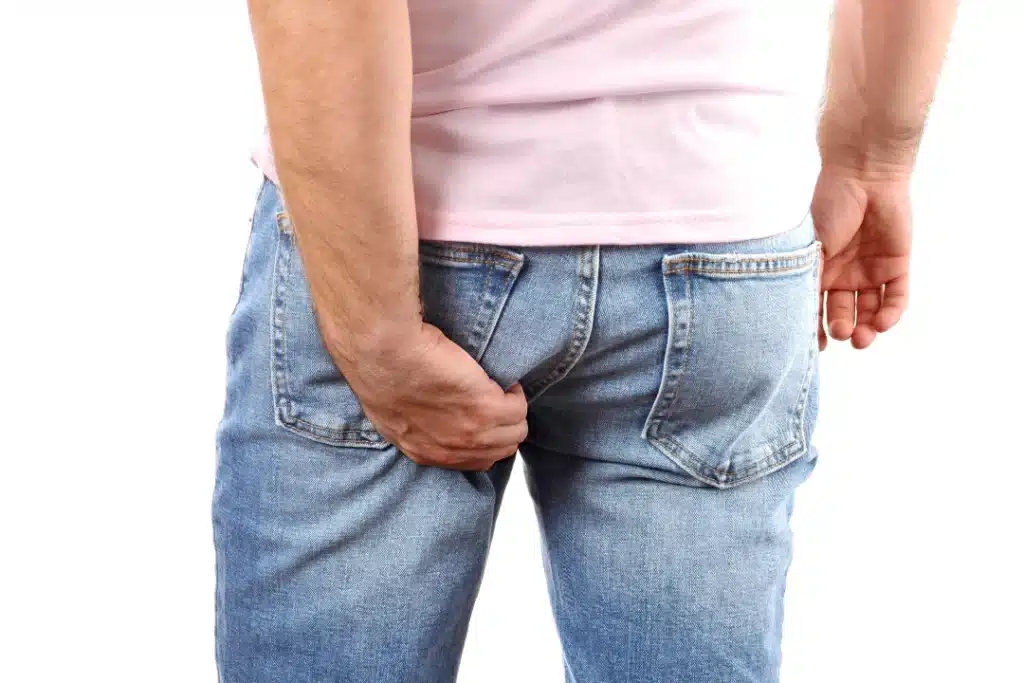
One of the biggest obstacles to recovery is the itch-scratch-itch cycle. Scratching brings momentary relief but causes microscopic skin damage. That damage makes the skin more sensitive and itchy — which leads to more scratching.
Over time, repeated scratching thickens the perianal skin (a process called lichenification), which makes the itch even more persistent and harder to treat. Breaking this cycle early is critical for recovery.
Why Is the Itch Worse at Night?
Many people notice that anal itching spikes at bedtime or in the early hours of the morning. There are several reasons for this pattern.
First, if pinworms are present, nighttime is when they are most active — laying eggs around the anus causes intense irritation.
Second, body temperature rises slightly during sleep, which increases sweating in the perianal region and worsens moisture-related itching.
Third, there are fewer distractions at night, so the sensation feels more intense. Also, scratching during sleep is unconscious — you may be scratching without realizing it.
How to Stop Anal Itching: Treatment Options
Hygiene Adjustments
Hygiene is almost always step one in treatment. Getting this right makes a significant difference.
After every bowel movement:
- Use plain water, a bidet, or moistened (unscented) toilet paper to clean gently
- Never scrub or rub vigorously
- Pat dry — do not rub dry
- Use a hair dryer on a cool setting if needed to ensure full dryness
Daily:
- Shower with plain water or a fragrance-free, pH-neutral soap
- Avoid applying soap directly inside or around the anal opening
- Change underwear daily; choose loose-fitting 100% cotton underwear
Over-the-Counter Treatments
| Product | Active Ingredient | What It Does |
|---|---|---|
| Hydrocortisone 1% cream | Corticosteroid | Reduces inflammation and itch |
| Zinc oxide ointment (e.g., Desitin) | Zinc oxide | Creates a moisture barrier |
| Witch hazel pads (e.g., Tucks) | Witch hazel | Soothes and dries the area |
| Calmoseptine | Menthol + zinc oxide | Numbs itch; protects skin |
| Capsaicin cream (0.006%) | Capsaicin | Long-term relief for chronic pruritus ani |
| Petroleum jelly (Vaseline) | Petroleum | Barrier protection; reduces friction |
Important note: Hydrocortisone cream should not be used for more than two consecutive weeks without medical supervision. Prolonged use can thin the perianal skin and worsen symptoms.
Prescription Treatments
If OTC options do not work, a doctor may prescribe:
- Antifungal creams (clotrimazole, miconazole) for confirmed yeast infections
- Antiparasitic medication (mebendazole, albendazole) for pinworms — usually the whole household is treated, and a second dose is given two weeks later
- Topical tacrolimus for atopic dermatitis or lichen sclerosus
- Oral antihistamines to reduce nighttime scratching
- Broad-spectrum antifungals for persistent fungal overgrowth
Home Remedies That Actually Help
Several natural options provide meaningful relief when used correctly.
Sitz bath — Soaking the anal area in warm water for 15–20 minutes after bowel movements reduces inflammation and soothes itching. Add colloidal oatmeal for extra anti-inflammatory benefit.
Coconut oil — Has antifungal and moisturizing properties. Apply a thin layer to the perianal skin after cleaning and drying.
Aloe vera gel — Pure, fragrance-free aloe vera calms irritated skin and reduces itching temporarily.
Cold compress — A clean cold pack applied for a few minutes numbs the area and provides instant short-term relief.
Cornstarch or talcum powder — Helps absorb moisture and keeps the area dry between bowel movements.
Cotton gauze pad — Placing a small square of clean cotton gauze against the anus between bowel movements absorbs moisture and prevents chafing.
Diet Changes for Anal Itching Relief
Diet plays a bigger role than most people realize. Beyond just eliminating trigger foods, a few positive dietary additions can speed up healing.
Increase fiber intake. Firm, well-formed stools are far less irritating to the perianal skin than loose or liquid stools. Aim for 25–38 grams of fiber daily from fruits, vegetables, legumes, and whole grains. Fiber supplements like psyllium (Metamucil) or methylcellulose (Citrucel) can help if dietary fiber is insufficient.
Stay well hydrated. Drinking 2–3 liters of water daily supports healthy bowel movements and prevents both constipation and diarrhea.
Add probiotics. Foods like yogurt, kefir, and fermented vegetables support healthy gut bacteria. This is especially important after antibiotic use, which disrupts normal gut flora and promotes yeast overgrowth.
Eliminate suspected trigger foods one at a time. Remove one food from the list above every few days to identify which specific item is contributing to your itching. Reintroduce it after a week to confirm.
Clothing and Lifestyle Tips
Small lifestyle changes can have a surprisingly large impact on anal itching.
Wear breathable underwear. 100% cotton boxer shorts or briefs prevent moisture buildup. Avoid nylon, polyester, and tight-fitting styles.
Avoid sitting for long periods. Prolonged sitting creates pressure and heat in the perianal area. Take breaks, shift position, and use a cushion if needed.
Trim nails short. This reduces skin trauma from unconscious nighttime scratching.
Wear cotton gloves to bed. If nighttime scratching is a problem, thin cotton gloves prevent the nails from breaking the skin while you sleep.
Avoid scented products near the anus. This includes scented toilet paper, deodorant sprays, scented wipes, and perfumed soaps. Even “gentle” products can trigger contact dermatitis in the sensitive perianal skin.
When to See a Doctor
Most cases of anal itching resolve within one to three weeks with proper self-care. However, some situations require professional evaluation.
See a doctor if you experience:
- Itching that does not improve after two to three weeks of home treatment
- Visible blood in stool or when wiping
- Unexplained weight loss alongside anal symptoms
- A lump, growth, or sore around the anus
- Signs of infection such as swelling, pus, or fever
- Persistent nighttime itching in a child (pinworms)
- Anal discharge or unusual odor
- Any symptom that significantly worsens despite treatment
A doctor will perform a physical exam of the perianal area, may take a swab for infection testing, and in some cases may refer you to a dermatologist or colorectal surgeon.
Primary vs. Secondary Pruritus Ani
Understanding which type you have helps guide treatment.
| Feature | Primary (Idiopathic) | Secondary |
|---|---|---|
| Identifiable cause | None found | Yes — infection, skin condition, hemorrhoids, etc. |
| Prevalence | ~50–90% of cases | ~10–50% of cases |
| Treatment focus | Hygiene, diet, barrier creams | Treat the underlying cause |
| Outlook | Usually resolves with lifestyle changes | Depends on the cause |
| When to see a doctor | If it persists beyond 3 weeks | As soon as possible |
Long-Term Prevention
Preventing recurrence is just as important as treating the current flare-up.
Keep a consistent post-bowel-movement cleaning routine using gentle, fragrance-free products. Dry the area fully every time. Maintain a high-fiber diet to keep stools firm and formed. Avoid prolonged use of topical steroids without medical guidance. Address any underlying hemorrhoids with your doctor — hemorrhoid banding is a highly effective outpatient procedure that reduces leakage and dramatically improves chronic anal itching.
If you use antibiotics, support your gut with probiotics during and after the course of treatment
Frequently Asked Questions (FAQs)
Why does my butthole itch at night?
Nighttime itching is most often caused by pinworms — they lay eggs around the anus while you sleep. It can also worsen at night due to increased body heat, sweating, and unconscious scratching.
Is an itchy butthole a sign of something serious?
In most cases, no — it is a benign symptom caused by hygiene, diet, or minor skin irritation. However, if itching persists beyond three weeks or comes with bleeding, discharge, or a visible growth, see a doctor.
Can poor wiping cause anal itching?
Yes. Both insufficient wiping (leaving stool residue) and excessive wiping (abrading the skin) cause irritation. Gentle cleaning with damp, unscented paper or water is the best approach.
Does coffee cause anal itching?
Yes, coffee — both regular and decaffeinated — is one of the most commonly identified dietary triggers for anal itching. The acidity irritates perianal tissue through the stool.
How do I know if I have pinworms?
The classic sign is intense anal itching at night. Do the tape test first thing in the morning (before bathing): place clear tape against the anal area, then examine it under a light for tiny white eggs or worms.
Can hemorrhoids cause anal itching?
Yes. Hemorrhoids cause mucus and stool leakage onto the perianal skin, creating constant moisture and irritation that leads to chronic itching.
What cream is best for anal itching?
Hydrocortisone 1% cream is the most commonly recommended OTC option for short-term use. Zinc oxide ointment works well as a long-term moisture barrier. Calmoseptine is another effective option for immediate itch relief.
Can a yeast infection cause anal itching?
Yes. Candida (yeast) infections commonly affect the perianal area, especially after antibiotic use. Signs include a red rash with defined edges and sometimes small skin cracks. Antifungal cream resolves it.
How long does anal itching last?
With proper hygiene and self-care, most cases clear up within one to three weeks. Chronic cases tied to an underlying condition may take longer until the root cause is treated.
Should I stop eating spicy food if my butthole itches?
Yes — temporarily. Eliminate spicy foods for one to two weeks and monitor whether itching improves. Capsaicin from chili peppers survives digestion and directly irritates the perianal skin on the way out.
Conclusion
Why does my butthole itch — now you have a real answer. Anal itching is rarely dangerous, but it is almost always fixable once you understand what is causing it.
Whether the culprit is diet, poor hygiene habits, hemorrhoids, pinworms, a yeast infection, or a skin condition, there is a direct path to relief.
Start with the basics: gentle cleaning, thorough drying, cotton underwear, and eliminating common dietary triggers.
Add a zinc oxide barrier cream or hydrocortisone 1% cream for faster relief. If pinworms are suspected, treat the whole household with antiparasitic medication.
And if symptoms persist beyond three weeks or come with alarming signs like bleeding or a visible lump, make the appointment with your doctor.
Your comfort is worth it, and this is a very treatable problem with the right approach.