Caviar 101: Types, Taste, and Tradition
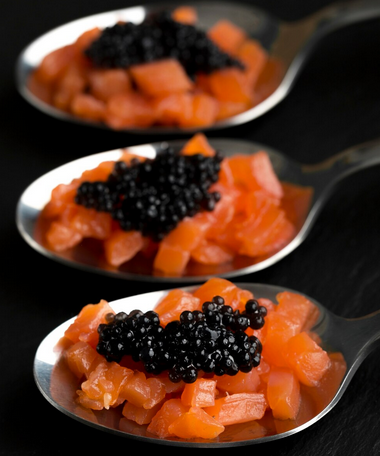
Caviar has long been considered one of the world’s most luxurious delicacies, associated with celebration, refinement, and centuries of culinary tradition. Though often spoken of in the same breath as luxury dining, caviar is more than just an expensive garnish—it is a product with deep ecological roots, a rich cultural history, and a surprisingly diverse range of flavors and textures.
What is caviar?
Strictly speaking, caviar refers to the salted eggs (roe) of sturgeon fish. True caviar comes from wild or farmed sturgeon species, most famously those historically found in the Caspian Sea region. Today, due to conservation efforts and strict regulations, most caviar is farmed rather than harvested from wild populations.
It is important to distinguish “true caviar” from other types of fish roe such as salmon roe or trout roe, which are often labeled as caviar in casual contexts but do not come from sturgeon and differ significantly in taste and texture.
The main types of caviar
Caviar is typically categorized by the species of sturgeon it comes from. Each type has its own flavor profile, egg size, color, and price point.
Beluga caviar
Beluga sturgeon produces the most famous and often most expensive caviar. The eggs are large, soft, and delicate with a glossy, pearl-gray appearance. Beluga caviar is prized for its buttery texture and mild, almost creamy flavor that melts on the tongue rather than bursting sharply. Kaluga caviar is often mentioned as a closely related alternative, as it comes from the Kaluga sturgeon and offers a similarly rich, buttery profile that appeals to those seeking a Beluga-like experience.
Due to overfishing and conservation protections, Beluga caviar is now extremely rare and heavily regulated, making it a luxury item typically sourced from controlled aquaculture.
Osetra caviar
Osetra sturgeon produces one of the most popular premium caviars available today. Osetra eggs are medium-sized and range in color from golden amber to deep brown.
Flavor-wise, Osetra is more complex than Beluga. It often has nutty, briny, and slightly fruity notes, with a firmer texture that provides a satisfying pop when eaten.
Sevruga caviar
Sevruga sturgeon produces smaller, more intensely flavored eggs. Sevruga caviar is known for its strong, salty, and oceanic character. The grains are small and gray in color, and the texture is more assertive compared to the creaminess of Beluga or Osetra.
Because Sevruga sturgeon mature faster and are more abundant in aquaculture, this type of caviar is often slightly more accessible, though still considered high-end.
Siberian caviar
Another widely available type comes from Siberian sturgeon. This caviar is commonly farmed and offers a balanced profile: medium-sized eggs, smooth texture, and a mild, slightly earthy flavor. It is often used as an entry point for those new to caviar due to its relatively approachable price and taste.
Taste and texture: what makes caviar unique?
Caviar is not meant to be eaten in large spoonfuls. Instead, it is enjoyed in small bites, allowing the eggs to gently burst on the palate.
The taste of caviar is often described as briny, buttery, and subtly nutty, with variations depending on the species, diet of the fish, and processing methods. High-quality caviar should taste fresh, clean, and slightly oceanic, without overwhelming fishiness.
Texture plays a major role in its appeal. Some varieties offer a soft, almost creamy melt, while others provide a firmer “pop” when pressed against the tongue. The balance between salt, fat, and texture is what defines a premium experience.
A tradition rooted in history
Caviar has been consumed for centuries, with early records tracing its popularity back to Persian fishermen along the Caspian Sea. Over time, it became a prized food among Russian nobility and later spread throughout European aristocratic circles.
By the 19th and early 20th centuries, caviar had become a symbol of luxury dining in France, England, and the United States. It was often served in high-end restaurants, opera houses, and royal banquets.
The Caspian Sea region, bordered by countries such as Russia, Iran, Kazakhstan, and Azerbaijan, became the historical center of caviar production. However, excessive harvesting in the 20th century led to severe population declines in wild sturgeon, prompting international regulations and conservation efforts.
Today, much of the caviar market relies on aquaculture, which allows sturgeon to be raised in controlled environments while protecting wild populations.
How caviar is served
Traditionally, caviar is served chilled and eaten with non-metallic utensils such as mother-of-pearl, bone, or plastic spoons. This is because metal can slightly alter the taste.
It is often paired simply with blinis (small pancakes), toast points, or lightly buttered bread. In more traditional settings, it may be served on its own to fully appreciate its flavor.
Common accompaniments include crème fraîche, chopped egg, or finely diced onion, though purists often prefer it unadorned.
Beverage pairings typically include chilled champagne or vodka, both of which complement caviar’s salty richness without overpowering it.
Sustainability and modern production
Modern caviar production has shifted significantly toward sustainable aquaculture. This change has been essential for protecting wild sturgeon populations, many of which are now endangered due to overfishing and habitat loss.
Farmed caviar allows producers to control water quality, fish diet, and breeding conditions, resulting in more consistent quality and traceability. Countries across Europe, Asia, and the Americas now produce high-quality caviar without relying on wild harvests.
Consumers today often look for certifications or sourcing information to ensure their caviar is sustainably produced.
Conclusion
Caviar remains one of the most iconic luxury foods in the world, blending history, craftsmanship, and sensory complexity. From the creamy richness of Beluga to the bold intensity of Sevruga, each variety offers a unique expression of its origins.
While once reserved for royalty and elite dining tables, caviar is now more accessible than ever thanks to sustainable farming. Yet it continues to carry an air of tradition and exclusivity, making it a lasting symbol of culinary refinement.
Understanding caviar is ultimately about appreciating its nuance—its textures, its flavors, and the centuries of culture behind every small, glistening pearl.