What Customers Really Expect from Modern Delivery Experiences
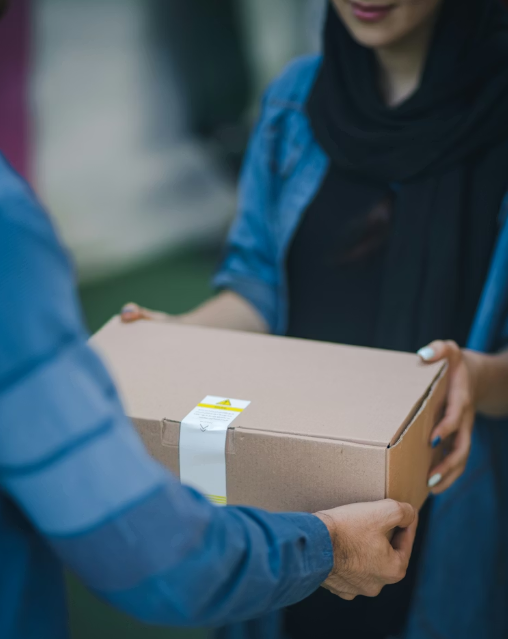
Delivery has become one of the most important parts of the online shopping experience. In many cases, it is the final moment that defines how a customer feels about a brand. Even if the product is excellent and the website experience is smooth, a poor delivery experience can undo all of that effort.
Today’s customers have higher expectations than ever before. They are no longer comparing online stores only within a single country or category—they are comparing every purchase experience against the best they’ve ever had. That means delivery is no longer just a logistics function; it is a core part of customer experience and brand perception.
Speed Is No Longer a Luxury
Fast delivery is now a baseline expectation. Customers are used to next-day and even same-day delivery options, and anything slower can feel outdated. However, speed is not just about how quickly a package arrives—it is also about how quickly the order is processed and shipped.
Customers expect immediate confirmation that their order is being handled. Long gaps between purchase and dispatch create uncertainty and reduce trust. Even if shipping itself is fast, delays in processing can negatively affect the overall experience.
Brands that consistently deliver quickly are more likely to earn repeat customers because speed signals efficiency, reliability, and professionalism.
Transparency Builds Trust
Modern customers want clarity at every stage of the delivery process. They expect to know:
- When their order will ship
- When it will arrive
- Where it is during transit
Unclear or vague delivery timelines often lead to frustration. For example, saying “3–7 business days” feels less reassuring than giving a specific estimated delivery date.
Real-time tracking has become a standard expectation. Customers want visibility, not uncertainty. If they cannot easily track their order, they are more likely to contact support or lose confidence in the purchase.
Flexibility Matters More Than Ever
Customers no longer accept a one-size-fits-all delivery model. They want options that match their needs, including speed, cost, and convenience.
Common expectations include:
- Standard affordable delivery
- Express or next-day delivery
- Weekend or evening delivery options
- Local pickup or collection points
Flexibility allows customers to choose what matters most to them. Some prioritize speed, while others prefer lower cost. Offering choices improves satisfaction and reduces cart abandonment.
Reliability Is More Important Than Speed Alone
While fast delivery is important, reliability is even more critical. Customers value consistency more than occasional speed.
A brand that delivers in two days consistently is often preferred over one that promises next-day delivery but frequently misses deadlines. Reliability builds trust, and trust is what drives long-term customer loyalty.
Late deliveries, missed time windows, or inconsistent performance can quickly damage a brand’s reputation, even if everything else about the experience is positive.
Clear Communication Reduces Friction
Communication is a major part of the delivery experience. Customers expect proactive updates, not just passive tracking links.
They want to be informed if:
- An order is delayed
- A package is out for delivery
- Delivery attempts have been made
Good communication reduces anxiety and prevents unnecessary support requests. It also reassures customers that the brand is in control of the process.
Easy Returns Are Part of the Delivery Experience
Customers don’t just think about delivery—they also think about what happens if something goes wrong. A simple, hassle-free returns process is now part of the expected delivery experience.
If returns are complicated, expensive, or unclear, customers may hesitate to buy in the first place. On the other hand, easy returns increase confidence and encourage purchases, especially for new customers.
A smooth returns process shows that a brand stands behind its products and values customer satisfaction.
Consistency Across Regions
As e-commerce becomes more global, customers expect consistent delivery experiences regardless of location. Whether ordering domestically or internationally, they expect similar speed, tracking quality, and reliability.
Brands that operate across multiple regions must ensure their delivery experience does not vary significantly by country.
In many cases, strong UK e-commerce fulfilment networks help businesses maintain consistent service standards by using localized warehousing and optimized shipping routes to ensure faster and more reliable delivery across regions.
Packaging and Unboxing Experience
Delivery is not just about speed—it is also about presentation. Customers increasingly value the unboxing experience as part of the overall purchase journey.
Well-packaged products, protective materials, and branded packaging all contribute to a positive impression. Even small details can influence how customers perceive quality.
A thoughtful unboxing experience can turn a simple delivery into a memorable moment, increasing the likelihood of repeat purchases and positive reviews.
Sustainability Is Becoming a Priority
More customers are becoming aware of environmental impact. They expect brands to consider sustainability in their delivery operations.
This includes:
- Eco-friendly packaging
- Reduced unnecessary packaging materials
- Efficient delivery routes
- Carbon-conscious logistics options
While not every customer prioritizes sustainability equally, it is becoming an increasingly important factor in brand perception.
The Role of Fulfillment in Meeting Expectations
Behind every great delivery experience is a strong fulfillment system. Customers rarely think about warehouses or logistics providers, but these systems determine whether expectations are met.
Efficient inventory management, accurate order processing, and optimized shipping networks all contribute to meeting modern delivery standards.
Brands that invest in strong fulfillment infrastructure are better positioned to meet rising expectations consistently.
Conclusion
Modern customers expect delivery experiences that are fast, transparent, flexible, and reliable. They want clear communication, predictable timelines, and hassle-free returns. At the same time, they also value presentation, sustainability, and consistency across regions.
Delivery is no longer just the final step of the purchase process—it is a defining part of the customer journey. Businesses that understand and meet these expectations are more likely to build trust, increase loyalty, and stand out in an increasingly competitive e-commerce landscape.