Why Pests Keep Coming Back and How to Stop Them
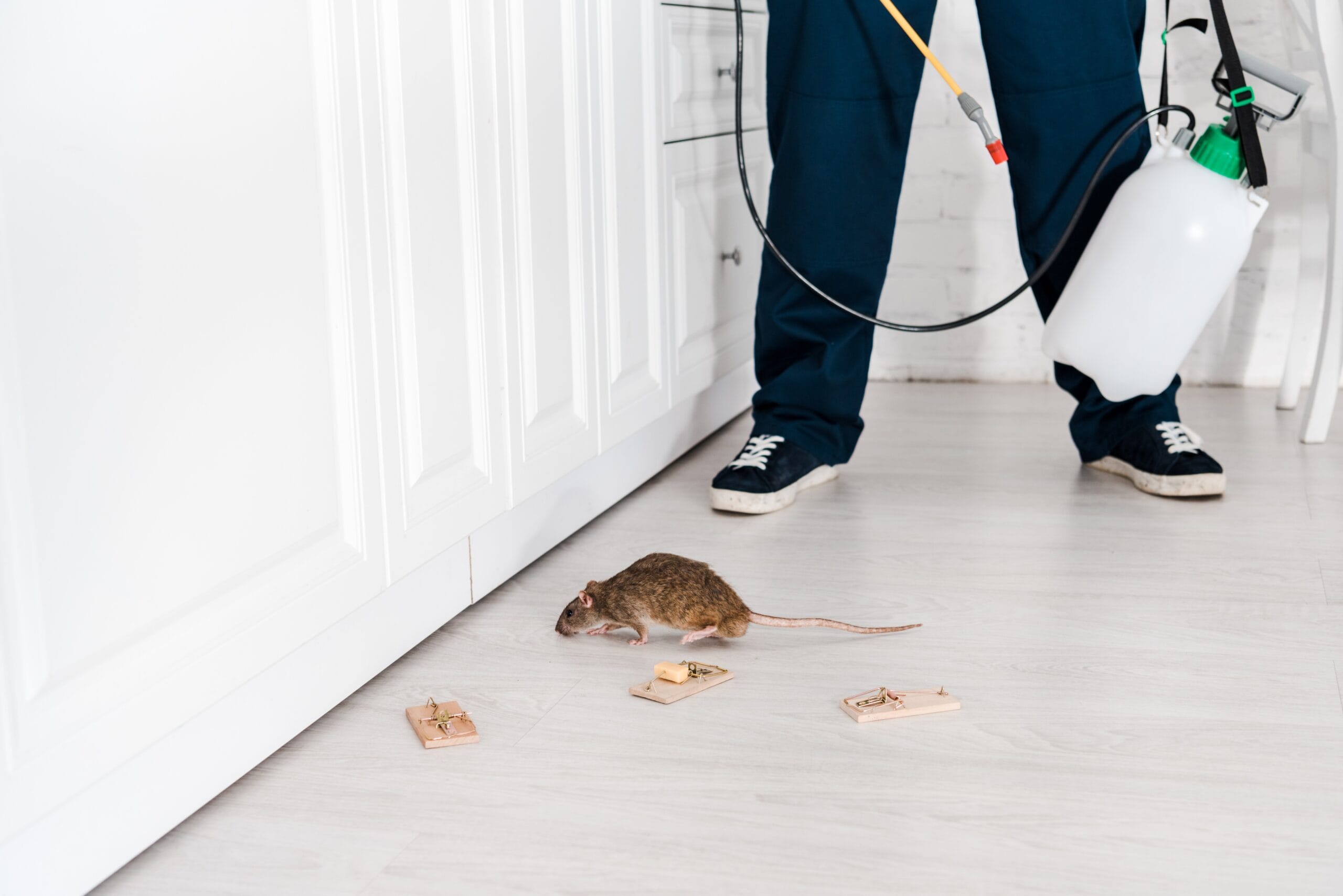
Few things are more frustrating than treating a pest problem, getting a few quiet days, then seeing the same pests again. You clean the kitchen, spray the baseboards, set traps, and hope that is the end of it. Then ants return to the counter. Roaches show up near the bathroom. Mice leave new droppings in the garage.
This usually means the real source was never fixed. Pests do not return by accident. They come back when your home still gives them food, water, shelter, warmth, or a way inside. Getting rid of the visible pests is only part of the job.
To stop pests from coming back, you need to look at the full picture. That means finding entry points, removing attractants, fixing moisture problems, treating hidden nesting areas, and keeping up with prevention. It is less like swatting flies and more like closing every door they keep using.
The Main Reason Pests Keep Returning
Pests come back when the conditions that attracted them are still there. A spray may kill the ants you see today, but it will not remove the trail that led them to your pantry. A trap may catch one mouse, but it will not seal the gap behind the garage. A roach bait may reduce activity, but it will not fix the water leak under the sink.
Recurring pest activity needs more than surface treatment. It needs an inspection that connects the visible signs to the source. This is where homeowners often turn to peak pest control reno when pests keep returning after cleaning, traps, sprays, or store-bought treatments.
Most pest problems follow a pattern. The pests find a weakness, use it repeatedly, then settle in if the conditions are right. Once they have a steady food or water source, they do not need much encouragement to stay.
The goal is to break that pattern. You have to remove what they want, block how they enter, and treat the places where they hide. If one piece is missing, the problem can restart.
Food Sources Are Still Available
Food is one of the biggest reasons pests return. This does not always mean a dirty home. Even clean homes can have crumbs under appliances, pet food left out overnight, open pantry items, grease near the stove, or spills inside cabinets.
Ants, roaches, mice, pantry moths, and flies can all survive on small food sources. A few crumbs behind the toaster can keep ants active. A bag of rice with a loose seal can attract pantry pests. Pet food bowls can turn into a nightly buffet for roaches and rodents.
Start by checking the places that get missed during regular cleaning. Pull out the stove if you can do it safely. Look under the fridge. Wipe inside drawers and cabinets. Store cereal, flour, rice, sugar, and snacks in sealed containers.
Garbage also matters. Use bins with tight lids, take trash out often, and rinse food containers before tossing them. Outdoor garbage cans should stay away from doors and windows. If pests find food near your home, it is only a short trip inside.
Water and Moisture Keep Pests Comfortable
Many pests need moisture to survive. Roaches, ants, silverfish, mosquitoes, termites, and rodents often gather near damp areas. If your home has leaks, poor drainage, or high humidity, pests have a reason to return.
Bathrooms, kitchens, laundry rooms, basements, crawl spaces, and utility areas deserve close attention. Look under sinks, around toilets, near water heaters, and behind appliances. A slow leak can attract pests long before it causes obvious water damage.
Outside the home, standing water can create another problem. Buckets, planters, clogged gutters, birdbaths, and low spots in the yard can attract mosquitoes and other pests. Poor drainage near the foundation can also invite moisture-loving insects closer to your home.
Fixing water problems can make pest control much more effective. Repair leaks, dry damp areas, clean gutters, and improve ventilation. A dry home is less inviting. Pests prefer easy living, and moisture gives them exactly that.
Entry Points Were Never Sealed
Pests can enter through surprisingly small openings. Mice can squeeze through tiny gaps. Ants and roaches can move through cracks around pipes, windows, doors, vents, and siding. Spiders and other insects often follow the same weak spots.
Many homeowners focus on killing pests inside but forget to ask how they got in. That is like mopping the floor while the sink is still overflowing. The mess keeps coming back because the source is still open.
Walk around the outside of your home and look closely. Check the foundation, door sweeps, garage seals, utility lines, crawl space vents, siding gaps, window screens, and roofline. Pay special attention to areas where pipes or wires enter the home.
Common entry points include:
- Gaps under exterior doors
- Cracks around windows and trim
- Openings around plumbing or utility lines
- Torn screens or loose vent covers
- Gaps around garage doors
Seal small cracks with the right material for the surface. Replace damaged weather stripping. Install door sweeps where light shows under the door. Use proper mesh on vents. Good exclusion work can reduce repeat pest problems in a big way.
Nests or Colonies Are Hidden Nearby
Pests often return because the nest was never found. You may see ants in the kitchen, but the colony may be outside under a patio stone. You may see roaches near the bathroom, but they may hide behind the vanity or inside wall gaps. You may catch a mouse in the garage, but more may be nesting in insulation.
This is why treating only what you see can fail. Visible pests are often the scouts, workers, or unlucky ones. The main population may stay hidden in walls, attics, crawl spaces, cabinets, or outdoor nesting sites.
Different pests hide in different places. Ants may nest in soil, wood, wall voids, or under concrete. Roaches prefer dark, warm, damp areas. Rodents use insulation, stored boxes, wall voids, and cluttered spaces. Bed bugs hide close to where people sleep or rest.
Finding the nesting area changes the whole plan. Once you know where pests live and breed, treatment becomes more targeted. You also reduce the chance of pests spreading to new rooms after being disturbed.
DIY Treatments Are Not Reaching the Source
Store-bought pest products can help with minor issues, but they have limits. They often treat the visible pest, not the root cause. Some products also work poorly when used in the wrong location or against the wrong pest.
Sprays can create a false sense of control. You may see dead insects for a day or two, then activity returns. In some cases, spraying can push pests deeper into walls or into nearby rooms. This is common with certain roach and ant problems.
Baits and traps also need proper placement. A trap in the wrong spot may catch nothing. A bait placed near competing food may get ignored. A product meant for one pest may do little against another.
DIY methods are most useful when the issue is small, recent, and easy to identify. Once pests return again and again, you need a source-based plan. That means inspection, identification, treatment, exclusion, and follow-up.
Outdoor Conditions Are Feeding the Problem
Sometimes the problem starts outside before it moves indoors. Overgrown plants, wood piles, standing water, yard debris, mulch, pet waste, and clutter can all attract pests. Once pests get comfortable around your home, indoor activity becomes more likely.
Vegetation should not touch the house. Branches can give pests a bridge to the roof. Dense shrubs can create damp hiding spots near walls. Mulch pushed against siding can hold moisture and attract insects.
Wood piles should stay away from the home and off the ground if possible. Firewood, old lumber, cardboard, and yard debris can shelter ants, spiders, termites, rodents, and other pests. Keep outdoor storage neat and inspect it often.
Yard maintenance plays a real role in pest prevention. Trim plants, clear debris, fix drainage, remove standing water, and keep bins closed. Your home’s exterior is the first line of defense. If it becomes a pest hangout, the inside is next.
Seasonal Changes Bring Pests Back
Some pest problems repeat at the same time every year. Ants may show up in spring. Mosquitoes may surge in warm months. Rodents may move inside during colder weather. Spiders may become more noticeable as seasons change.
This does not always mean treatment failed. It may mean your home has seasonal pressure from the surrounding environment. Weather, temperature, rain, drought, and food availability can change pest behavior.
For example, ants may enter during dry weather in search of water. Rodents may enter when outdoor shelter becomes less comfortable. Roaches may become more active when heat and moisture rise. Mosquitoes may increase after rain leaves standing water behind.
The best way to handle seasonal pests is to prepare before they peak. Seal gaps before colder months. Remove standing water before mosquito season. Refresh exterior prevention before ants become active. Timing matters. Waiting until pests are inside gives them the advantage.
Clutter Gives Pests Places to Hide
Clutter does not create pests by itself, but it gives them cover. Pests love quiet, dark, undisturbed spaces. Storage rooms, garages, basements, attics, closets, and sheds can all become hiding spots when they are crowded.
Cardboard boxes are especially attractive. Roaches, rodents, spiders, and silverfish can hide in or around them. Paper, fabric, insulation, and old packaging can also become nesting material. The less often an area gets disturbed, the easier it is for pests to settle in.
You do not need a perfect home to prevent pests. You just need fewer hiding spots. Replace cardboard storage with sealed plastic bins where possible. Keep items off the floor. Leave space along walls so you can inspect for droppings, webbing, or damage.
A cleaner storage area makes pest control easier too. Treatments reach more places, inspections become more accurate, and warning signs are easier to spot. Clutter is camouflage. Remove it, and pests lose some of their cover.
Neighboring Properties Can Affect Your Home
Pests do not respect property lines. If nearby homes, yards, dumpsters, vacant buildings, restaurants, or shared walls have pest pressure, your home can be affected too. This is common in apartments, townhomes, duplexes, and dense neighborhoods.
Shared walls can allow roaches, ants, bed bugs, and rodents to spread between units. Outdoor pests can move from one yard to another. Rodents may travel along fences, walls, utility lines, and landscaping.
This can make pest control more complicated. You may keep your home clean and still see activity if pests are coming from a nearby source. That does not mean prevention is pointless. It means your plan needs to be more consistent and better sealed.
Focus on what you can control. Seal entry points, keep food stored, manage moisture, and reduce outdoor attractants. If you live in a shared building, report pest activity early. Waiting gives pests more time to spread.
How to Stop Pests from Coming Back
The best pest control plan combines treatment and prevention. One without the other leaves a gap. Treatment handles the current activity. Prevention makes your home harder to invade again.
Start with correct identification. Ants, termites, roaches, rodents, fleas, bed bugs, and spiders all require different plans. Guessing wastes time and money. Once you know the pest, you can target the right areas and habits.
Then look for the reason they are there. Ask simple questions. Where are they getting in? What are they eating? Where are they hiding? Is there moisture? Is there clutter? Are they coming from outside or from a neighboring space?
A strong prevention plan often includes:
- Sealing cracks, gaps, and utility openings
- Storing food in sealed containers
- Fixing leaks and reducing damp areas
- Cleaning behind appliances and under cabinets
- Removing yard debris and standing water
Follow-up matters too. Some pests need more than one visit or treatment cycle. Eggs may hatch after the first treatment. Rodents may need trapping plus exclusion. Ant colonies may need time for bait to work through the nest.
Mistakes That Let Pests Return
Many repeat pest problems come from small mistakes. The homeowner treats the symptom, not the source. The wrong product is used. Entry points stay open. Food and water remain available. Follow-up is skipped once the activity slows down.
Another common mistake is stopping too early. Seeing fewer pests does not always mean the problem is gone. It may only mean the visible activity has dropped. Hidden pests, eggs, nests, or entry routes may still remain.
Some people also overuse sprays. More product does not always mean better control. Heavy spraying can contaminate surfaces, waste money, and scatter pests. Targeted treatment usually works better than random spraying.
The smartest plan is steady and practical. Identify the pest. Remove what attracts it. Treat the source. Seal entry points. Monitor for new signs. That process is not flashy, but it works.
Final Thoughts: Stop the Cycle, Not Just the Pest
Pests keep coming back for a reason. They are finding food, water, shelter, warmth, or access. Until that reason is fixed, the same problem can return again and again.
You do not need to panic every time you see a bug. You do need to pay attention to patterns. Repeated sightings, droppings, damage, nests, moisture problems, and failed DIY treatments all point to a deeper issue.
Start with the basics. Clean hidden food sources, fix leaks, seal gaps, reduce clutter, and inspect outdoor conditions. Then get the pest properly identified and treated at the source. The goal is not just a pest-free week. It is a home that pests have no reason to enter, no place to hide, and no easy way to return.