How Unattended Deaths Can Impact Indoor Air Quality
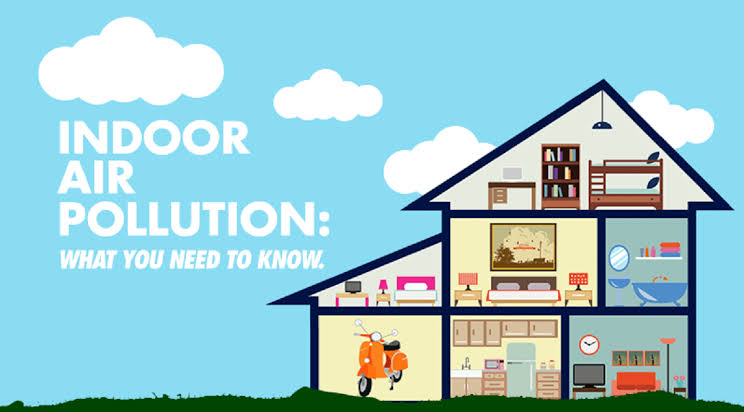
An unattended death can seriously affect indoor air quality because the natural decomposition process releases gases, bacteria, and other biological contaminants into the surrounding environment. These pollutants can spread through the air, settle on surfaces, and create health risks that often remain even after odors fade.
What Happens to Indoor Air After an Unattended Death?
When a person passes away and remains undiscovered for days or weeks, the body begins to decompose.
During decomposition, tissues break down and release a mixture of gases known as volatile organic compounds (VOCs). These compounds are responsible for the strong odors commonly associated with decomposition.
The impact is not limited to smell. VOCs can move through the air and absorb into porous materials such as:
- Carpet
- Drywall
- Furniture
- Upholstery
- Wood flooring
- Insulation
As a result, contamination can extend beyond the immediate area.
What Are VOCs and Why Do They Matter?
Volatile organic compounds (VOCs) are gases released from certain solids and liquids.
Research published in Forensic Science International identified more than 80 different VOCs produced during human decomposition, including sulfur-containing compounds, ketones, and hydrocarbons. These compounds contribute to odor and can remain in the environment if not properly removed.
Not every VOC poses the same level of risk. However, elevated concentrations of indoor airborne contaminants can affect the overall quality of the indoor environment and make a property unsafe or unpleasant to occupy.
Can Opening Windows Fix the Problem?
In most cases, no.
Ventilation can help reduce airborne odors temporarily, but it does not remove contamination that has soaked into surfaces.
This is an important distinction.
If decomposition fluids or VOCs have penetrated carpet, subflooring, drywall, or furniture, simply increasing airflow will not eliminate the source.
Research on indoor VOC contamination has shown that some compounds can persist on indoor surfaces and continue affecting air quality even after the original source is gone.
That is why odor often returns after a property is closed up again.
How Can Decomposition Affect People Inside the Property?
The effects vary depending on the situation.
Factors include:
- Time elapsed before discovery
- Temperature
- Humidity
- Ventilation
- Size of the affected area
People entering a contaminated property may experience:
- Headaches
- Nausea
- Eye irritation
- Respiratory discomfort
- Stress caused by persistent odors
Older adults, children, and individuals with respiratory conditions may be more sensitive to poor indoor air quality.
It is important to understand that odor alone is not a reliable measure of safety. Some contaminants can remain even when the smell becomes less noticeable.
Can Contamination Spread Beyond One Room?
Yes.
Many people assume the impact is limited to the room where the death occurred.
In reality, air movement can transport odors and airborne particles throughout a structure.
Contamination may spread through:
- HVAC systems
- Hallways
- Shared ventilation pathways
- Floor and wall cavities
- Adjacent rooms
In apartment buildings, condominiums, and multi-unit properties, this can create concerns for neighboring occupants as well.
The longer the situation remains undiscovered, the greater the chance that contamination will affect a larger area.
What Materials Are Most Likely to Hold Odors and Contaminants?
Porous materials present the biggest challenge.
These materials absorb moisture and airborne compounds more easily than non-porous surfaces.
Common examples include:
| Material | Risk Level |
| Carpet | High |
| Padding | High |
| Upholstered furniture | High |
| Drywall | High |
| Insulation | High |
| Tile | Low |
| Metal | Low |
| Glass | Low |
In severe cases, affected materials may need to be removed because cleaning alone cannot fully eliminate contamination.
Why Is Professional Remediation Often Necessary?
Standard household cleaning products are not designed to address biohazard contamination.
A proper remediation process usually involves:
- Identifying affected materials
- Removing contaminated items when necessary
- Cleaning and disinfecting impacted areas
- Treating odors at their source
- Verifying that the environment is safe for re-entry
The goal is not simply to remove the smell.
The goal is to restore healthy indoor conditions.
This distinction is often overlooked by property owners who focus only on visible damage.
How Long Can Air Quality Problems Last?
There is no universal timeline.
A death discovered within a day may create limited contamination.
A death that remains undiscovered for several weeks can produce much more extensive damage.
Factors that influence recovery time include:
- Duration of decomposition
- Building materials
- Temperature conditions
- Ventilation
- Effectiveness of cleanup efforts
Without proper remediation, odors and indoor air quality issues can persist for months.
In some situations, they may continue until contaminated materials are removed.
What Should Property Owners Do First?
If you discover a property affected by an unattended death, avoid rushing into cleanup yourself.
Instead:
- Limit access to the area
- Avoid disturbing contaminated materials
- Turn off HVAC systems if contamination may spread through ductwork
- Document visible damage for insurance purposes
- Consult qualified remediation professionals
If an unattended death has affected a property, professional remediation is often the safest path forward. In each climate, decomposition can progress quickly, increasing the risk of odors, airborne contaminants, and damage to building materials.
For property owners, families, landlords, and managers dealing with these situations, services such as unattended death cleanup can help address biohazard contamination, odor removal, air purification, and proper decontamination of affected areas. The goal is to restore the property to a safe condition while reducing health risks and preventing contamination from spreading further.
Taking shortcuts can make the problem worse and increase restoration costs later.
Final Thoughts
An unattended death can affect much more than a single room. The decomposition process releases VOCs, odors, and biological contaminants that can reduce indoor air quality and spread throughout a property.
The biggest mistake property owners make is assuming that once the odor disappears, the problem is solved.
In reality, contamination can remain hidden inside carpets, drywall, furniture, and other porous materials. Understanding how indoor air quality is affected helps property owners make informed decisions and restore a safe living environment for future occupants.