Why Is My Dog Limping? Common Causes Explained 2026
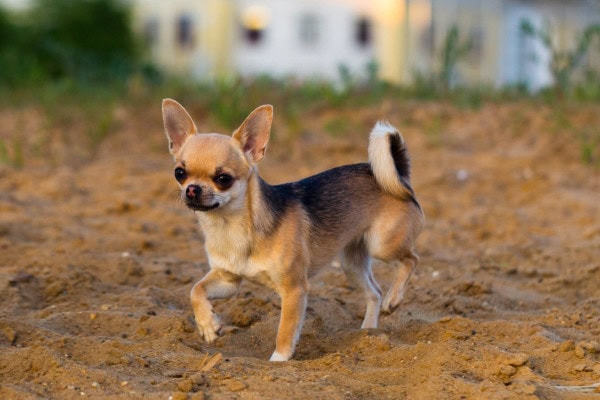
Why is my dog limping is one of the most stressful questions a dog owner can face.
Watching your pup hobble around or refuse to put weight on a leg is worrying — and it should be taken seriously.
Limping in dogs is never truly “normal,” even if it looks mild.
It can signal anything from a tiny thorn stuck in the paw to a torn ligament or serious joint disease.
Two Types of Dog Limping You Need to Know
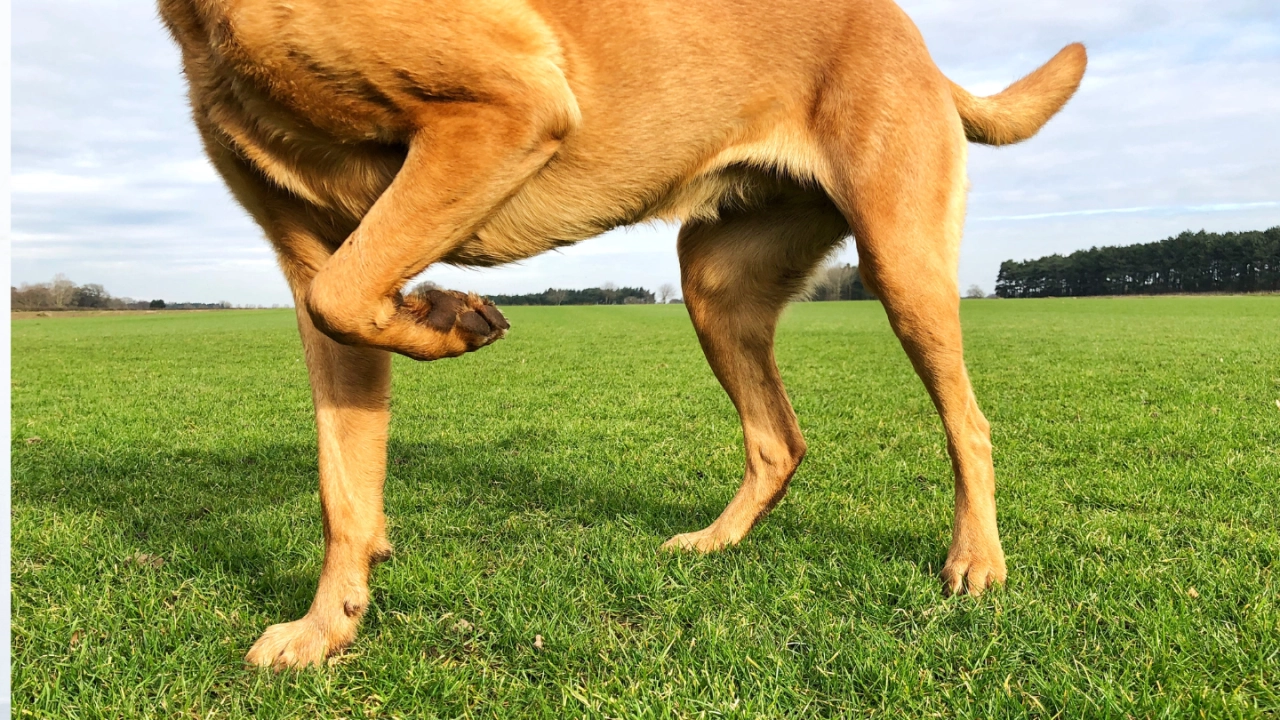
Before diving into causes, it helps to understand the two main categories of limping in dogs.
Sudden onset limping appears out of nowhere — usually after an injury, fall, or intense activity. It tends to be linked to trauma, acute injuries, or foreign objects in the paw.
Gradual onset limping develops slowly over days, weeks, or even months. It typically signals a chronic or progressive condition like arthritis, hip dysplasia, or bone disease. Even if gradual limping seems mild, it should not be ignored — early treatment leads to better outcomes.
Most Common Causes of Dog Limping
Paw Injuries and Foreign Objects
One of the most frequent reasons a dog starts limping is something stuck in the paw. Thorns, glass shards, gravel, or burrs can lodge between the toes and cause immediate discomfort.
Broken or torn nails are also common culprits. A cracked nail can be extremely painful and may bleed. Cut or burned paw pads — especially from hot pavement in summer — cause sudden limping as well.
Always check the paw first. Gently press between the toes and inspect the pads for redness, swelling, cuts, or debris.
Muscle Strains and Sprains
Active dogs can pull or strain muscles just like human athletes. Running hard, jumping, or rough play can lead to a soft tissue injury that causes sudden limping.
These injuries often look worse right after the incident and then improve with rest. Mild sprains typically resolve within 24 to 48 hours with rest and limited movement.
If the limp doesn’t improve in two days, a vet visit is warranted to rule out something more serious.
Cranial Cruciate Ligament (CCL) Tear
The cranial cruciate ligament — the canine equivalent of the ACL in humans — is one of the most commonly injured structures in a dog’s knee. A CCL tear causes sudden, significant lameness, especially in the back leg.
Breeds like German Shepherds, Labrador Retrievers, Golden Retrievers, Rottweilers, and Newfoundlands are at higher risk. Overweight dogs are also more vulnerable.
CCL injuries often require surgery and make up around 85% of all orthopedic surgeries performed on dogs.
Arthritis and Joint Degeneration
Osteoarthritis is extremely common in older dogs — studies suggest over 80% of dogs aged 8 and above develop it to some degree. It involves the gradual breakdown of cartilage in joints like the hips, knees, and ankles.
Dogs with arthritis tend to limp more after rest or sleep and in cold weather. They may be stiff after lying down but “warm up” and walk better after a few minutes of movement.
There is no cure for arthritis, but it can be managed well with medication, supplements, weight control, and physical therapy.
Hip Dysplasia
Hip dysplasia is a genetic condition where the hip joint doesn’t develop properly, causing the ball and socket to grind instead of glide smoothly. It is especially common in large breeds like German Shepherds, Labs, and Great Danes.
Dogs with hip dysplasia often limp on the back legs, show reluctance to climb stairs, and may have a “bunny hopping” gait. Symptoms can appear as early as 4 months in puppies.
Treatment ranges from weight management and anti-inflammatory medication to surgical correction in severe cases.
Patellar Luxation
Patellar luxation means the kneecap slips out of its normal position. It is one of the most common orthopedic conditions in small and toy breeds like Chihuahuas, Pomeranians, and Yorkshire Terriers.
A dog with patellar luxation may suddenly skip on three legs for a few steps, then return to normal. The kneecap pops in and out of place, causing intermittent limping.
Mild cases are managed conservatively, while severe luxation requires surgical correction.
Bone Diseases in Young Dogs
Growing puppies — especially large breeds — can develop painful bone conditions that cause limping without obvious injury.
Panosteitis (often called “growing pains”) causes shifting leg lameness that moves from one leg to another. It is most common in German Shepherds between 5 and 14 months.
Hypertrophic Osteodystrophy (HOD) causes fever and painful swelling near the growth plates of large-breed puppies. It can look alarming but often resolves as the puppy grows.
Osteochondritis Dissecans (OCD) affects cartilage development and can cause an intermittent limp in the shoulder or elbow of growing dogs.
Bone Cancer (Osteosarcoma)
Osteosarcoma is an aggressive bone cancer that most commonly affects large and giant breeds in middle age or older. It causes progressive, worsening lameness — often in a front leg.
The limping caused by bone cancer can look similar to arthritis at first, which is why any persistent limping in a large-breed dog over 5 years old should be evaluated promptly.
Early diagnosis matters significantly for treatment options and prognosis.
Lyme Disease and Tick-Borne Infections
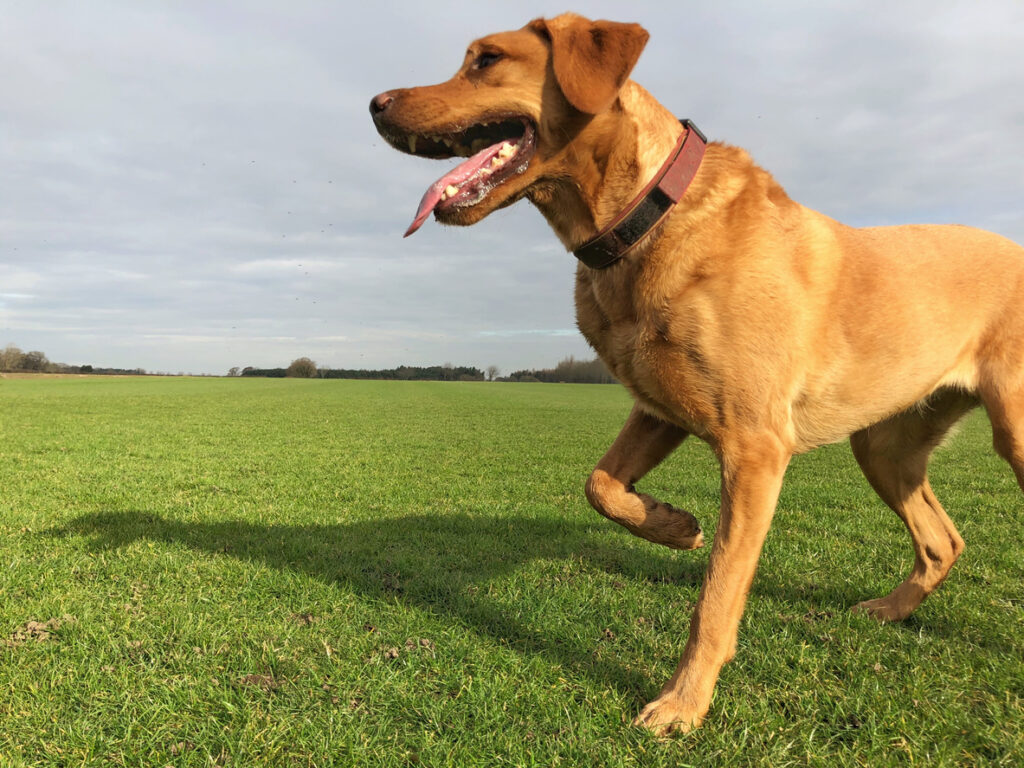
Lyme disease, caused by a tick-borne bacteria, can cause joint inflammation and sudden lameness that may shift between legs. Other tick-borne illnesses like Ehrlichia can also lead to limping.
If your dog has been in tick-prone areas and develops sudden joint pain or limping along with fever or lethargy, Lyme disease should be on the radar.
Antibiotic treatment is effective when caught early, and keeping your dog on tick prevention is key.
Neurological Causes
Sometimes limping is not about the leg itself but about the nervous system. Conditions like Intervertebral Disc Disease (IVDD) or degenerative myelopathy can cause weakness, stumbling, or dragging of the limbs.
IVDD involves a disc pressing on the spinal cord and can cause sudden hind leg weakness or knuckling of the paw. Degenerative myelopathy is a progressive disease that typically affects older dogs and starts with subtle hind leg weakness.
Neurological limping often looks different from orthopedic limping — dogs may cross their legs when walking, seem uncoordinated, or drag rather than lift the affected limb.
Dog Limping: Front Leg vs. Back Leg
The location of your dog’s limp can help narrow down the cause.
| Feature | Front Leg Limping | Back Leg Limping |
|---|---|---|
| Weight distribution | Dogs carry ~60% of weight on front legs | Back leg issues involve hips, knees, and spine |
| Common causes | Paw injuries, shoulder OCD, IVDD, fractures | CCL tear, hip dysplasia, patellar luxation, arthritis |
| Emergency signs | Bone visible, dangling limb, extreme pain | Cannot bear weight, dragging paw, paralysis |
| Breeds at risk | Any breed, especially large active dogs | German Shepherd, Labrador, Rottweiler, small breeds |
Front leg limping tends to be more urgent since the front legs bear the majority of a dog’s body weight.
When Is Dog Limping an Emergency?
Not every limp requires an ER visit, but some situations demand immediate care. Go to an emergency vet right away if your dog:
- Refuses to put any weight on the leg at all
- Has a visibly broken or dislocated bone
- Is crying out in pain or snapping when touched
- Has an open wound with significant bleeding
- Shows pale gums, rapid breathing, or signs of shock
- Has sudden paralysis or cannot stand up
These signs indicate a serious injury or condition that cannot safely wait.
A limp that is mild and doesn’t worsen can usually wait 24 to 48 hours to see if it resolves with rest. If it persists, worsens, or comes with other symptoms, schedule a vet appointment promptly.
Severity Assessment Guide
| Limp Severity | Signs | What to Do |
|---|---|---|
| Mild | Still bearing weight, walking normally otherwise | Rest for 24–48 hours, monitor closely |
| Moderate | Favoring leg, reduced activity, some pain | Call vet for an appointment within 24 hours |
| Severe | Won’t use leg, swelling, crying out | Go to emergency vet immediately |
| Critical | Paralysis, bone visible, shock signs | Emergency vet right now — do not wait |
What the Vet Will Do
When you bring your limping dog to the vet, expect a thorough process. The vet will ask when the limping started, whether it was sudden or gradual, and about your dog’s age, breed, and medical history.
A full physical exam follows, including watching your dog walk, checking joint range of motion, and pressing along bones and muscles to find the painful area.
Diagnostic tools may include X-rays (the most common), blood work, a CT scan, MRI, or joint fluid analysis depending on what is suspected. X-rays often require mild sedation to get clear images of bones, joints, and ligaments.
Treatment Options for Dog Limping
Treatment depends entirely on the underlying cause.
Rest and Restricted Activity
For mild strains and sprains, rest is the first step. Restrict running, jumping, and rough play. Keep outdoor time limited to leash walks for bathroom breaks only.
Even after the dog seems better, a few more days of rest helps prevent re-injury of a healing soft tissue.
Pain Medications and NSAIDs
Vets commonly prescribe non-steroidal anti-inflammatory drugs (NSAIDs) for pain and swelling. Common options include Carprofen (Rimadyl), Meloxicam (Metacam), and Deramaxx.
Never give your dog human pain relievers like ibuprofen or acetaminophen — these are toxic to dogs. Always use vet-prescribed medication.
Joint Supplements
For dogs with arthritis or dysplasia, glucosamine and chondroitin supplements support joint health over the long term. Brands like Nutramax Dasuquin and Cosequin are commonly recommended by vets.
Omega-3 fatty acids (fish oil) can also help reduce joint inflammation. These supplements are safe for most dogs and can be used alongside medication.
Surgery
Certain conditions require surgical intervention. CCL tears, severe hip dysplasia, patellar luxation, and bone fractures may all need surgery.
The good news is that surgical outcomes for most of these conditions are good, especially when the problem is caught early and the dog is otherwise healthy.
Physical Therapy and Rehabilitation
Physical therapy is increasingly used in dogs recovering from injuries or surgery. Exercises to strengthen muscles, hydrotherapy (water treadmill), and laser therapy can all speed up recovery.
Cold laser therapy in particular has shown benefits for muscle and joint pain, arthritis, and post-surgical healing.
Home First Aid While You Wait
If you can’t get to the vet immediately, here are safe at-home steps:
- Check the paw gently for foreign objects, cuts, or broken nails. Remove debris if visible and accessible.
- Apply a cold compress for 15 to 20 minutes if swelling is present — especially in the first 48 hours.
- After 48 hours, switch to warm compresses to relieve stiffness.
- Restrict movement — keep the dog calm, on a leash, and away from stairs and furniture.
- Do not give human pain medication — it is dangerous for dogs.
Breed-Specific Limping Risks
Some breeds are genetically predisposed to conditions that cause limping. Knowing your dog’s breed risk helps you stay proactive.
| Breed | Common Limping Cause |
|---|---|
| German Shepherd | Hip dysplasia, degenerative myelopathy, panosteitis |
| Labrador Retriever | CCL tear, hip/elbow dysplasia, arthritis |
| Golden Retriever | CCL tear, joint issues, osteosarcoma |
| Rottweiler | CCL tear, osteosarcoma, hip dysplasia |
| Chihuahua | Patellar luxation |
| Pomeranian | Patellar luxation |
| Great Dane | Hip dysplasia, osteosarcoma |
| Dachshund | IVDD (back/spine causing hind leg weakness) |
| Bulldog | Hip dysplasia, elbow dysplasia |
Preventing Dog Limping
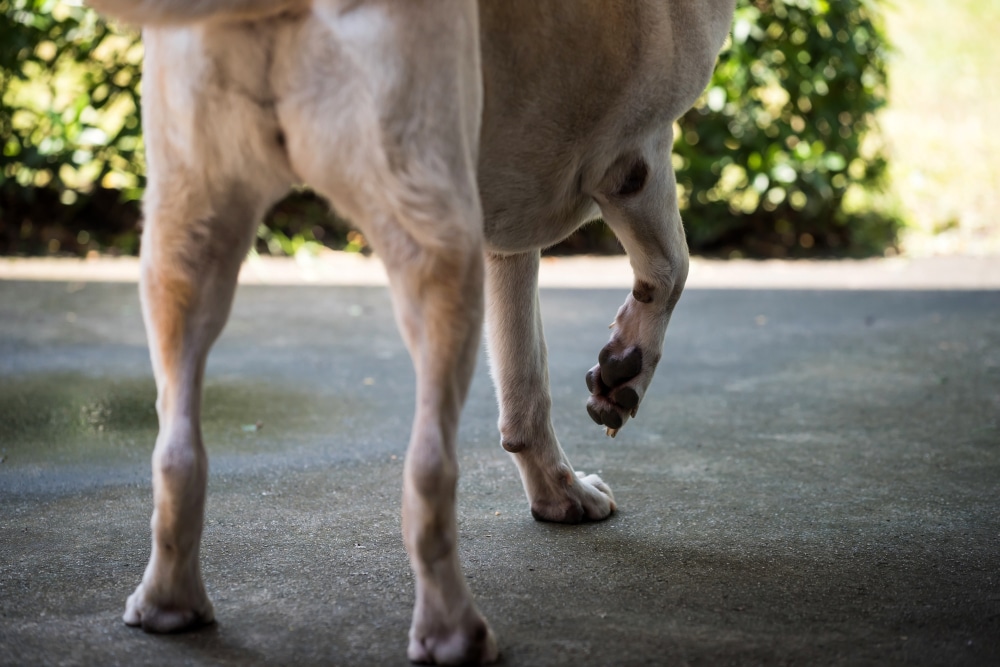
While not all causes of limping are preventable, these steps reduce the risk significantly.
Maintain a healthy weight. Excess weight puts enormous stress on joints and ligaments. Even a few extra pounds raises the risk of CCL tears and worsens arthritis significantly.
Exercise wisely. Regular, moderate exercise keeps muscles strong and joints lubricated. Avoid sudden bursts of intense exercise after long rest periods — the “weekend warrior” pattern is a common cause of soft tissue injuries in dogs.
Keep up with tick prevention. Year-round flea and tick prevention protects against Lyme disease and other tick-borne causes of limping.
Schedule regular vet checkups. Annual or bi-annual wellness exams catch early signs of joint disease, bone issues, and developmental problems before they become serious.
Use ramps and stairs. For older dogs or small breeds prone to patellar luxation, dog ramps help avoid repetitive jumping on and off furniture — a common way to aggravate joint issues.
Dog Limping After Sleep or Rest
Many dog owners notice their dog limping only in the morning or after naps. This is a classic sign of arthritis.
Stiff joints that have been still for hours become temporarily painful when the dog first starts moving. The limp often improves after 5 to 10 minutes of movement as the joint fluid warms up and lubricates the joint.
If this pattern is happening regularly, your dog needs a vet evaluation. Arthritis-related morning stiffness is very manageable with the right treatment plan.
Intermittent or On-and-Off Limping
Some dogs limp sometimes but seem fine at other times. This pattern can be deceptive — intermittent limping often signals an underlying condition that is slowly worsening.
Patellar luxation, early CCL injury, and early arthritis can all cause come-and-go limping. Even if the dog seems perfectly normal between episodes, the underlying problem is still there.
Keep a log of when the limping occurs, what the dog was doing beforehand, and how long it lasts. This information is genuinely useful to your vet in reaching a diagnosis.
My Dog Is Limping But Seems Fine Otherwise
Dogs are stoic by nature. Instinct drives them to mask pain and weakness — a survival behavior from their wild ancestors. A limping dog that is still eating, playing, and acting cheerful is absolutely still in pain.
Do not interpret a happy demeanor as a sign the limp is unimportant. Even a mild limp indicates discomfort that deserves attention. Ignoring it can allow the underlying condition to progress.
Frequently Asked Questions (FAQs)
What are the most common causes of limping in dogs?
The most common causes are paw injuries, CCL tears, arthritis, hip dysplasia, and muscle sprains. Foreign objects in the paw and patellar luxation are also frequent culprits.
When should I take my dog to the vet for limping?
See a vet if the limp lasts more than 48 hours, gets worse, or is accompanied by swelling, crying out, or refusal to bear weight. Go to an emergency vet immediately if your dog won’t use the leg at all.
Can my dog’s limping resolve on its own?
Mild limping from a minor sprain or debris in the paw can resolve with 24 to 48 hours of rest. However, persistent or worsening limping will not resolve without veterinary treatment.
Why does my dog only limp in the morning?
Morning limping that improves with movement is a classic sign of osteoarthritis. Stiff joints loosen up after a few minutes of activity — but a vet visit is still important to start proper management.
Can I give my dog ibuprofen or Tylenol for limping?
No — both ibuprofen and acetaminophen (Tylenol) are toxic to dogs and can cause life-threatening organ damage. Only use medications prescribed or approved by your vet.
Why is my dog limping on a back leg but seems fine?
Back leg limping without obvious pain can result from a CCL tear, patellar luxation, hip dysplasia, or early neurological conditions like degenerative myelopathy. Dogs naturally mask pain, so “seeming fine” does not mean there is no problem.
How do I know if my dog’s limping is serious?
A limp is serious if the dog refuses to put weight on the leg, has visible swelling or deformity, cries out when touched, or the limping does not improve within 48 hours. These signs warrant immediate vet care.
What home remedies help a limping dog?
Rest, cold compresses in the first 48 hours, and gentle examination of the paw are the safest home steps. Do not give human painkillers. If the limp doesn’t improve quickly, see a vet rather than continuing home management.
Is limping in old dogs just normal aging?
Limping in senior dogs is common but not something to dismiss as “just aging.” It often signals arthritis, joint degeneration, or other manageable conditions. Treatment can significantly improve quality of life.
How is dog limping diagnosed at the vet?
Vets use a combination of physical examination, watching the dog walk, checking joint range of motion, and diagnostics like X-rays, blood work, MRI, or joint fluid analysis to find the cause.
Conclusion
Why is my dog limping is a question no pet owner wants to ask — but knowing the answer can make all the difference for your dog’s health.
Limping is always a signal that something is wrong, whether it is a simple splinter in the paw or a complex orthopedic condition.
The type of limp, which leg is affected, your dog’s age and breed, and how long it has been going on all provide important clues.
Most causes of dog limping are very treatable when caught early.
The worst thing you can do is wait and hope it goes away on its own for more than a day or two.
Always check the paw first, restrict your dog’s activity, and reach out to your vet without delay if the limp persists or worsens.
Your dog depends on you to be their voice — and acting early gives them the best chance at a fast, full recovery.