The Human Side of Online Gaming That Beginners Often Miss
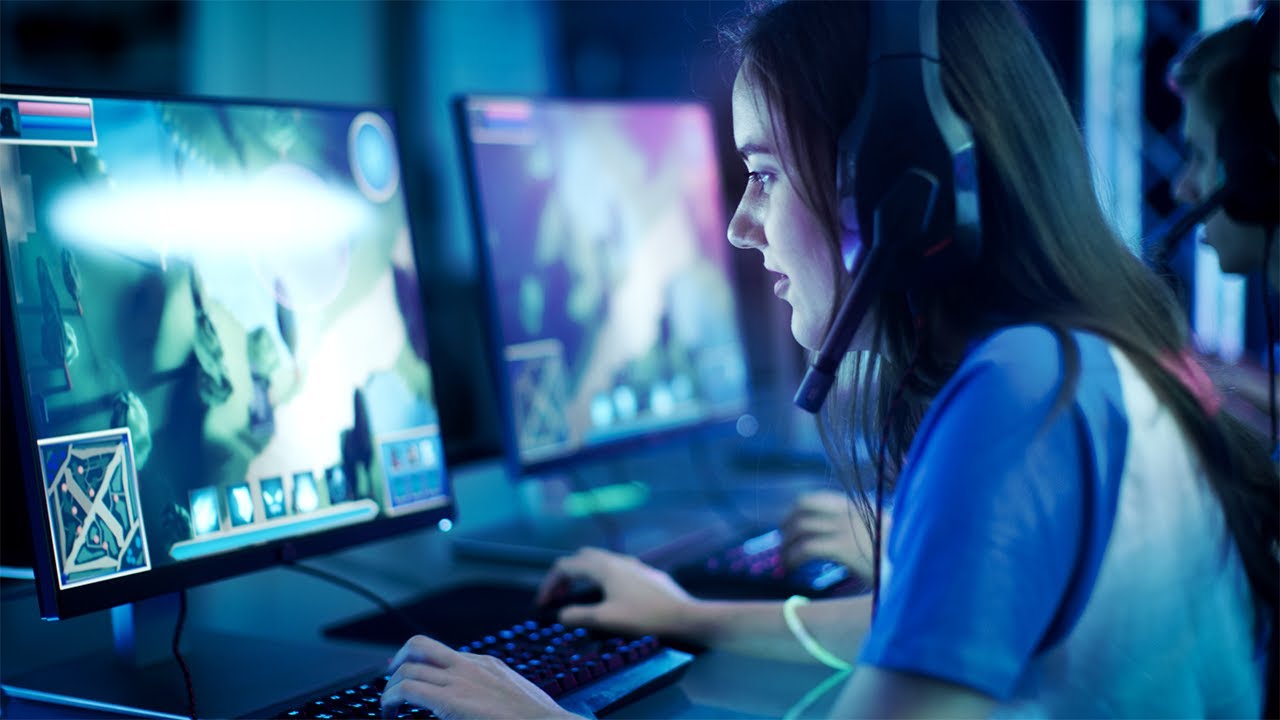
Have you ever joined an online game and focused so much on the controls that you almost forgot real people were playing beside you?
That happens to many beginners. At first, it is normal to think about buttons, goals, maps, levels, and what to do next. But once you settle in, you start to notice something warmer: online gaming is full of human moments.
Behind every character name, quick message, team signal, and funny reaction, there is a person choosing how to play, how to help, and how to connect. That is the part beginners often notice later, and it can make gaming feel much more meaningful.
Online Gaming Is Built on Shared Moments
Online sbobet gaming brings people together through small, shared experiences. A quick round, a team mission, or a simple group task can turn into something memorable when players react together.
These moments are often simple. Someone helps at the right time. Someone cheers after a clever move. Someone makes the group laugh. Little by little, the game starts to feel less like a screen and more like a shared activity.
Small Acts of Help Matter
One of the sweetest parts of online gaming is how often players help each other. A player may explain a control, share an item, mark a useful path, or wait while someone catches up.
These small actions tell beginners, “You are part of the group.” They make the space feel friendly and easier to understand.
Helpful moments may look like:
- A teammate showing where to go
- Someone giving a quick tip
- A player sharing resources
- A group waiting before starting
- A simple “good job” after a first try
These gestures may be small, but they can make a big difference.
Team Goals Create Togetherness
When players work toward one goal, they naturally feel more connected. The task might be finishing a mission, solving a puzzle, building something, or reaching the end of a round.
That shared goal gives everyone a reason to cooperate. It turns individual actions into group effort.
Communication Is More Than Chat
Many beginners think communication means typing or talking. In online gaming, it can be much wider than that. Players use movement, timing, gestures, markers, and short messages to understand each other.
This makes communication feel natural. Even quiet players can take part and show they are paying attention.
Quick Messages Can Feel Kind
Short messages can carry a lot of warmth. A simple “thanks,” “nice one,” or “let’s try this” can make the whole session feel better.
Players often use short phrases because games move quickly. The words are simple, but the meaning is clear.
Common friendly phrases include:
- “Nice play.”
- “I’ll help.”
- “Follow me.”
- “Good teamwork.”
- “You got it.”
These little lines help people feel noticed.
Actions Speak Clearly Too
A player can communicate without saying a word. They might stand near a teammate, point toward a goal, use a wave, or drop an item for someone else.
These actions feel human because they show care and attention. They remind beginners that connection can happen in quiet ways.
Every Player Brings a Different Style
Online gaming feels richer because people play in different ways. Some players like to lead. Some like to support. Some enjoy exploring. Others enjoy planning, building, collecting, or solving.
For beginners, this is useful to notice. You do not have to copy everyone else. You can find a style that feels comfortable for you.
Different Strengths Help the Group
A good group often has many types of players. Each person adds something useful.
| Player Style | What They Add |
| Helper | Supports teammates |
| Planner | Suggests smart steps |
| Explorer | Finds useful details |
| Builder | Creates structure |
| Listener | Follows the team flow |
| Cheerful player | Keeps the mood bright |
Seeing these styles can help beginners understand that there is no single “right” way to enjoy a game.
Beginners Bring Fresh Energy
New players often ask questions, try simple ideas, and notice things experienced players may pass by quickly. That fresh view can add charm to the group.
A beginner’s curiosity can make others slow down, explain, laugh, and enjoy the basics again.
Gaming Friendships Grow Slowly
Many online friendships begin with tiny moments. Maybe two players team up well. Maybe someone will give a useful tip. Maybe a group laughs at the same funny event.
Over time, these small moments can turn into regular play sessions and a real connection.
Routine Builds Closeness
Some players meet at the same time each week or play a few rounds after school, work, or daily chores. These routines can feel comforting.
The game becomes a place to catch up, talk, and share time. It can feel like a regular hangout with a fun activity in the middle.
Shared Memories Stick Around
Online gaming creates stories. A close finish, a clever plan, a funny outfit, or a perfect team move can become something players talk about later.
These shared memories give the group its own personality. They make the experience feel personal.
Kindness Makes the Experience Better
The human side of online gaming often comes down to simple kindness. Helping, thanking, cheering, waiting, and explaining all create a better space for everyone.
Beginners may come for the game, but they often stay because of the people.
Encouragement Builds Confidence
A kind word can help a beginner feel relaxed. When someone says “nice try” or “you’re getting it,” it can make learning feel much easier.
That encouragement turns practice into something positive and social.
Final Thoughts
The human side of online gaming is found in small moments: a helpful teammate, a quick thank-you, a shared laugh, a patient tip, or a group working toward the same goal. Beginners may first notice the graphics, controls, and rules. But the deeper charm often comes from the people behind the avatars.
Online gaming feels special because it blends play with real connection. Once beginners notice that, every match, mission, and message can feel a little more alive.