Why Do I Cough at Night? Remedies That Work 2026
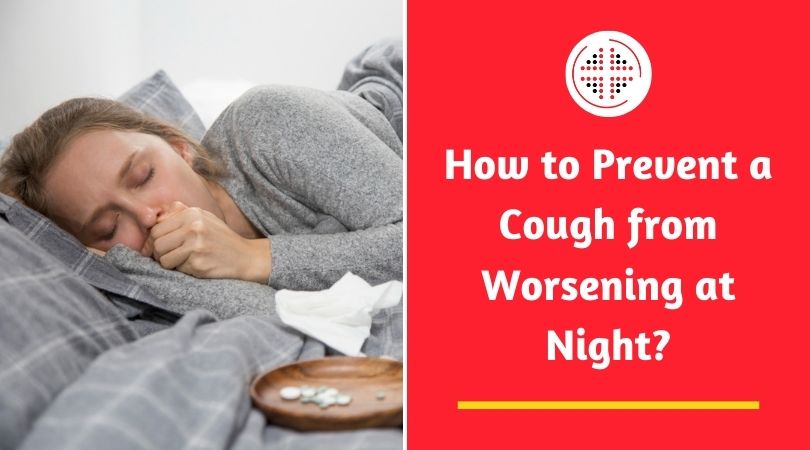
Why do I cough at night is one of the most common health questions asked in 2026, and if you find yourself fine during the day but hacking the moment your head hits the pillow, you are not alone.
Nighttime coughing disrupts sleep, drains your energy, and can leave you feeling worse than the original illness.
The causes range from simple gravity-related mucus pooling to chronic conditions like asthma, GERD, and allergies.
Why Do I Cough at Night

The single biggest reason coughing worsens at night is gravity. When you are upright during the day, gravity helps naturally drain mucus down and away from your airways.
The moment you lie down, that drainage stops working properly. Mucus pools at the back of your throat, stomach acid has an easier path upward, and irritants settle into your airway rather than clearing out.
Your body also produces fewer anti-inflammatory stress hormones like cortisol at night, which means airway inflammation goes unchecked. This is why conditions like asthma, allergies, and postnasal drip all tend to peak after midnight.
Quick Cause Reference Table
| Cause | Cough Type | Key Clue |
|---|---|---|
| Postnasal drip | Wet, productive | Worse lying down, tickle in throat |
| GERD or acid reflux | Dry, chronic | Sour taste, heartburn, worse after meals |
| Asthma (nocturnal) | Dry, wheezy | Worse midnight to early morning |
| Allergies | Dry or wet | Sneezing, itchy eyes, dust or pet exposure |
| Common cold or flu | Wet | Recent illness, runny nose, fever |
| Dry indoor air | Dry, tickling | Worse in winter, heated rooms |
| Heart failure | Wet | Swollen legs, breathlessness lying flat |
| ACE inhibitor medication | Dry, persistent | Started after new blood pressure drug |
| Whooping cough (pertussis) | Severe, spasmodic | Whoop sound, prolonged fits |
| Lung infection | Wet or dry | Fever, chest pain, coloured mucus |
Postnasal Drip: The Leading Cause of Nighttime Cough
Postnasal drip is the most common reason why people cough at night. The sinuses and upper airways constantly produce mucus to trap dust, bacteria, and other particles.
During the day, you swallow this mucus naturally without noticing. At night, lying down causes the mucus to collect at the back of the throat instead of draining properly, triggering the cough reflex.
What Causes Postnasal Drip to Worsen at Night
Allergies, sinus infections, colds, deviated septum, and even spicy food can increase mucus production. Once you are horizontal, all of that extra mucus has nowhere to go but down the back of your throat.
The mucus irritates the vocal cords and the lining of the upper airway. If enough mucus reaches the lungs, it produces a wet, phlegmy cough that can go on for hours.
How to Relieve Postnasal Drip Cough at Night
Saline nasal rinses performed 30 minutes before bed flush out excess mucus before you lie down. Elevating your head by four to six inches using extra pillows or a wedge pillow helps gravity work in your favour even while lying down.
Antihistamines like loratadine (Claritin) or diphenhydramine (Benadryl) dry up nasal mucus and significantly reduce nighttime postnasal drip coughing.
GERD and Acid Reflux Cough at Night
Gastroesophageal reflux disease (GERD) is the second most common cause of a persistent nighttime cough. When the muscle between the stomach and the oesophagus fails to close properly, stomach acid travels upward.
Lying down removes the protective effect of gravity that keeps acid in the stomach during the day. The acid reaches the throat and vocal cords, causing chronic irritation and a dry, nagging cough.
Recognising a GERD-Related Nighttime Cough
A GERD cough is typically dry and persistent. It often comes without obvious heartburn, which is why many people do not realise acid reflux is the cause.
You may notice a sour or bitter taste in your mouth when you wake up, a sensation of something stuck in your throat, hoarseness in the morning, or mild chest discomfort when lying flat.
Managing GERD Cough at Night
Stop eating at least two to three hours before going to bed. This gives your stomach time to empty so there is less acid available to reflux when you lie down.
Elevating the head of your bed by six to eight inches using bed risers or a wedge pillow helps keep stomach acid below the oesophagus while you sleep. Avoid trigger foods in the evening including spicy dishes, fatty meals, citrus, chocolate, coffee, and alcohol.
Over-the-counter antacids, H2 blockers like famotidine (Pepcid), and proton pump inhibitors like omeprazole (Prilosec) are the standard medical treatments. See your doctor if GERD symptoms are frequent or severe.
Asthma and Nocturnal Cough
Asthma causes the airways to become inflamed and narrow, making breathing difficult. Nocturnal asthma refers specifically to asthma symptoms that peak at night or in the early morning hours.
Airway inflammation naturally worsens between midnight and 4 AM due to changes in hormone levels, breathing patterns during sleep, and increased exposure to bedroom allergens like dust mites.
Cough-Variant Asthma

A specific form called cough-variant asthma presents with a persistent dry cough as the primary or only symptom, with no obvious wheezing. This makes it challenging to diagnose and is frequently missed.
Cold air, dust, pet dander, smoke, and exercise are common asthma triggers. If your nighttime cough has no clear cold or allergy cause and is chronic, cough-variant asthma is worth discussing with your doctor.
Treating Nocturnal Asthma Cough
Prescribed inhaled bronchodilators such as salbutamol (albuterol) used before bed can open the airways and prevent nighttime coughing fits. Long-acting inhaled corticosteroids help reduce chronic airway inflammation.
Keeping the bedroom free from dust mites, pet dander, and mould is critical. Washing bedding weekly in hot water, using allergen-proof mattress covers, and keeping pets out of the bedroom all make a significant difference.
Allergies and Indoor Allergens at Night
Allergic reactions are a major driver of coughing at night, especially for people with indoor allergies. Dust mites, mould spores, pet dander, and even cockroach allergens concentrate in bedrooms and bedding.
When you settle into bed, you disturb these allergens and inhale them directly into your airways. Your immune system releases histamine, causing inflammation, mucus production, and coughing that lasts throughout the night.
Seasonal vs. Indoor Allergy Coughs
Seasonal allergy coughs from pollen tend to be worse in spring and autumn when pollen counts are high. Indoor allergy coughs from dust mites and pet dander can happen year-round and are often worse in winter when windows are closed and allergen levels build up indoors.
If your nighttime cough is consistent throughout the year rather than seasonal, indoor allergens are likely involved.
Reducing Allergy-Related Nighttime Coughing
Showering before bed removes pollen and outdoor allergens from your skin and hair before they transfer to your pillow. Using an air purifier with a HEPA filter in your bedroom captures airborne allergens continuously.
Wash all bedding including pillowcases, sheets, and duvet covers weekly in water at 60 degrees Celsius or higher to kill dust mites. Keep bedroom windows closed during high pollen season. Over-the-counter antihistamines taken at night are very effective for allergy-driven coughing.
The Common Cold and Respiratory Infections
A cold or upper respiratory infection is one of the most obvious causes of coughing at night. The virus causes inflammation and increased mucus production in the nasal passages, sinuses, and throat.
All of this extra mucus accumulates more aggressively at night due to lying down, producing a persistent wet cough. Additionally, your body ramps up immune activity and cytokine production during sleep, which intensifies inflammation and the cough reflex.
Most cold-related nighttime coughs improve within five to ten days as the infection clears. Staying well hydrated, using saline nasal sprays, and taking over-the-counter cough medicine appropriate for adults can ease symptoms while you recover.
Dry Indoor Air
Dry air is a simple but very common trigger for a nighttime cough that many people overlook. Central heating systems in winter strip moisture from indoor air, leaving it extremely dry.
When you breathe this dry air through your nose and mouth during sleep, the mucous membranes of your throat and airways become dehydrated, irritated, and more prone to triggering a cough reflex. The sensation is often described as a dry, tickling cough.
A cool-mist humidifier in the bedroom set to a humidity level between 40 and 50 percent adds moisture back to the air and significantly reduces dry-air coughing. Keep the humidifier clean to prevent mould growth.
Heart Failure and Nighttime Cough
Heart failure is a less common but serious cause of a cough that worsens at night. When the heart cannot pump efficiently, fluid builds up in the lungs, a condition called pulmonary oedema.
Lying down worsens the fluid accumulation because it redistributes from the legs and lower body into the chest. This produces a wet, sometimes frothy cough and significant breathlessness when lying flat.
Other signs of heart failure include swollen ankles and legs, extreme fatigue, and shortness of breath with mild exertion. This is a medical emergency that requires immediate diagnosis and treatment. See a doctor right away if you suspect heart failure is causing your nighttime cough.
Medications That Cause Nighttime Cough
ACE inhibitors are a class of blood pressure and heart disease medications that are well known to cause a persistent dry cough as a side effect. Common ACE inhibitors include lisinopril (Prinivil, Zestril) and enalapril (Vasotec).
The cough occurs because these drugs increase levels of bradykinin, a substance that irritates the airway. The cough can develop weeks or even months after starting the medication and is often worse at night.
If you recently started a blood pressure medication and developed a new persistent cough, speak to your doctor. Switching to an angiotensin receptor blocker (ARB) like losartan typically resolves the cough without sacrificing blood pressure control.
Whooping Cough (Pertussis)
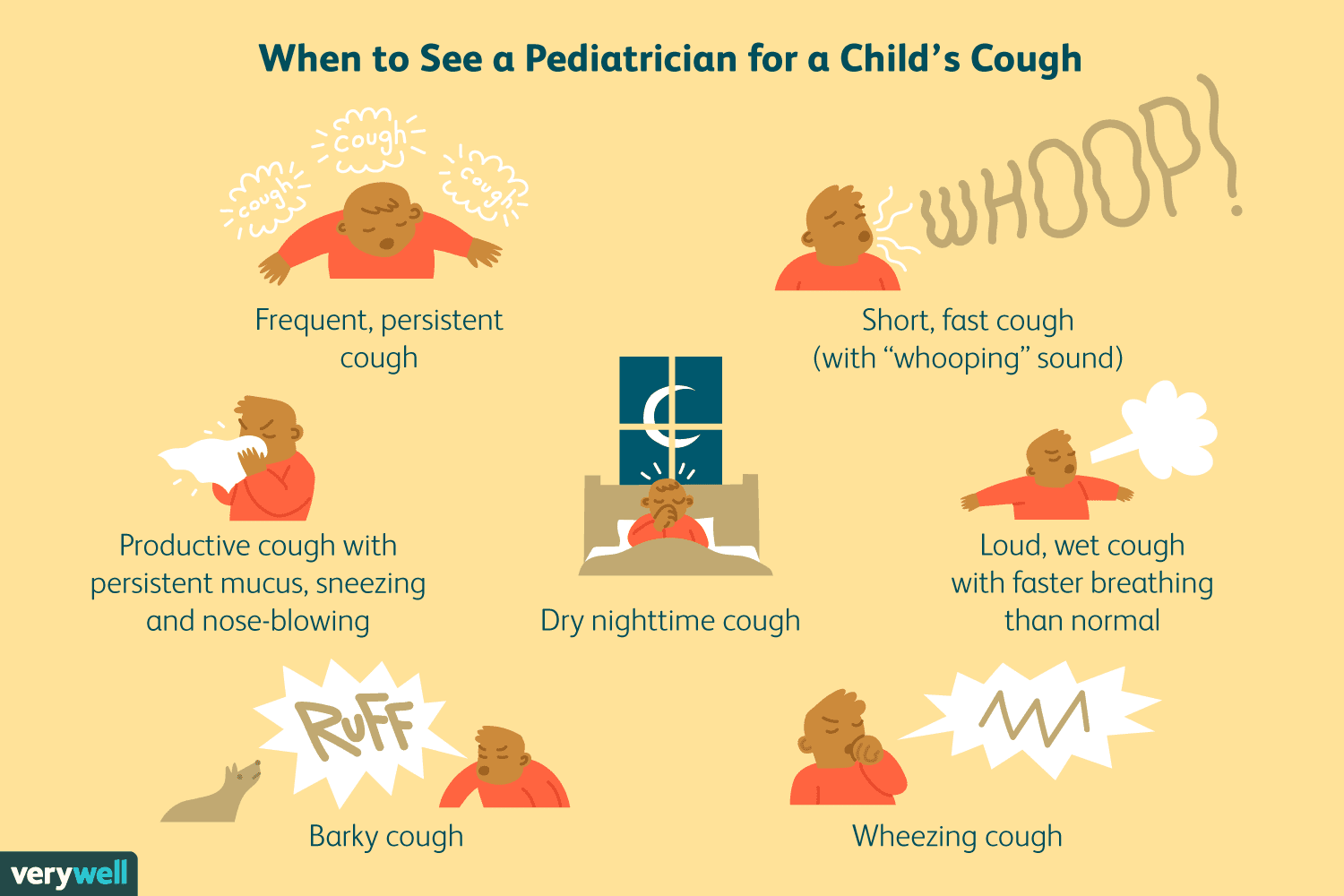
Whooping cough, caused by the bacteria Bordetella pertussis, produces severe coughing fits that are characteristically worse at night. The distinctive sound is a high-pitched whoop as the person gasps for air between fits.
Outbreaks occur periodically even in vaccinated populations. The coughing can last weeks or months and is especially dangerous in babies and young children.
If you or your child has a cough that comes in intense, prolonged fits and is accompanied by a whooping sound, vomiting after coughing, or turning red or blue during fits, seek medical attention immediately.
Dry vs. Wet Nighttime Cough: What Is the Difference?
Understanding whether your nighttime cough is dry or wet can help narrow down the cause quickly before you see a doctor.
| Feature | Dry Cough | Wet Cough |
|---|---|---|
| Sound | Tickling, hacking | Rattling, productive |
| Mucus produced | None | Yes, phlegm or mucus |
| Common causes | GERD, asthma, dry air, ACE inhibitors | Postnasal drip, cold, chest infection |
| Feeling | Throat irritation, scratch | Congestion, heaviness in chest |
| Key treatment | Soothe throat, treat underlying cause | Thin and clear mucus, expectorants |
| When to worry | Lasts more than 3 weeks, no clear cause | Coloured mucus, blood, chest pain |
Home Remedies That Work for Nighttime Cough
Several well-supported home remedies can provide genuine relief from a nighttime cough without requiring a prescription.
Honey Before Bed
Honey is one of the most effective natural cough suppressants available. Taking two to three teaspoons of raw honey before bed helps coat the throat, reduce irritation, and thin mucus.
You can stir honey into warm herbal tea or warm water with a squeeze of lemon for added benefit. Never give honey to children under one year of age due to the risk of infant botulism.
Elevating Your Head
Raising your head by four to six inches while sleeping is one of the simplest and most effective remedies for both postnasal drip and GERD-related coughs. Use a wedge pillow or place extra pillows under your head and shoulders.
Even a slight elevation changes the drainage angle enough to keep mucus and stomach acid from pooling in the throat. Many people notice an immediate improvement on the first night.
Warm Saltwater Gargle
Gargling with warm saltwater for 30 seconds before bed reduces throat inflammation and clears away irritants. Mix half a teaspoon of salt in a glass of warm water and gargle, then spit.
This is especially effective for coughs caused by postnasal drip, throat irritation from a cold, and mild allergic reactions. Repeat two to three times per day for best results.
Steam Inhalation
Inhaling steam from a bowl of hot water with a towel draped over your head for five to ten minutes before bed loosens mucus and opens the airways. A warm shower before bed achieves a similar effect.
Adding two to three drops of eucalyptus oil to the steam bowl may provide additional airway-opening benefit. People with asthma should be cautious with essential oils as they can occasionally trigger sensitivity reactions.
Saline Nasal Rinse
Regular saline nasal rinses, used consistently two to three times per day, can reduce nighttime postnasal drip coughing by up to 60 percent according to some studies. Performing a rinse 30 minutes before bed clears the nasal passages of allergens and excess mucus before you lie down.
Always use distilled or boiled and cooled water, never tap water, to perform nasal rinses safely.
Warm Fluids Before Bed
Drinking warm herbal tea, warm water with honey and lemon, or warm broth before bed helps thin mucus, soothes an irritated throat, and reduces the urge to cough. Aim for at least 8 ounces of warm liquid in the evening.
Avoid caffeine-containing drinks in the evening as these can disrupt sleep. Ginger tea is particularly useful because ginger has natural anti-inflammatory properties that help calm airway irritation.
Cool-Mist Humidifier
Running a cool-mist humidifier in your bedroom during the night keeps the air at a comfortable humidity level between 40 and 50 percent. This prevents the dryness that triggers throat irritation and coughing in heated or air-conditioned rooms.
Clean the humidifier regularly according to manufacturer instructions to prevent mould and bacteria growth, which would make the cough worse.
Air Purifier
A HEPA air purifier in the bedroom continuously filters dust mites, pollen, pet dander, mould spores, and other airborne allergens. This is one of the most impactful long-term investments for people with allergy-driven nighttime coughing.
Run the purifier on a low, quiet setting throughout the night so it works continuously without disturbing sleep.
Medical Treatments for Nighttime Cough
When home remedies are not enough, several over-the-counter and prescription treatments are available depending on the underlying cause.
Antihistamines
Oral antihistamines such as loratadine (Claritin), cetirizine (Zyrtec), and diphenhydramine (Benadryl) block histamine-driven inflammation and reduce mucus production. They are effective for allergy-related and postnasal drip coughs.
Diphenhydramine also has mild sedative properties which can help you stay asleep despite a cough, though it should not be used as a long-term sleep aid. Non-drowsy options like loratadine are better for daytime use.
Cough Suppressants and Expectorants
Dextromethorphan (DXM) found in many over-the-counter night-time cough syrups suppresses the cough reflex and is useful for dry, non-productive coughs that disrupt sleep.
Guaifenesin is an expectorant that thins mucus and makes it easier to clear. It is more appropriate for wet, productive coughs. Do not give any over-the-counter cough medicine to children under four years of age.
Nasal Corticosteroid Sprays
Fluticasone (Flonase) and mometasone (Nasonex) are available over the counter and reduce nasal inflammation that drives postnasal drip. They work best when used consistently every day during allergy season rather than only when symptoms peak.
These sprays take several days to reach their full effect, so starting them at the first sign of allergy season rather than waiting for symptoms to worsen gives the best results.
Prescription Treatments
For asthma-related nighttime cough, a doctor may prescribe inhaled corticosteroids and long-acting bronchodilators. Montelukast (Singulair) is a leukotriene receptor antagonist that reduces airway inflammation in both asthma and allergies.
For GERD-related cough, proton pump inhibitors prescribed at a therapeutic dose are the standard treatment. For whooping cough, antibiotics such as azithromycin or clarithromycin are required.
Bedroom Environment Changes That Reduce Nighttime Cough
Your sleeping environment plays a huge role in how much you cough at night. Making targeted changes to your bedroom can dramatically reduce symptoms.
| Change | Best For | How It Helps |
|---|---|---|
| Elevate head of bed 4-6 inches | GERD, postnasal drip | Keeps acid and mucus from pooling in throat |
| HEPA air purifier | Allergies, dust, pet dander | Continuously filters airborne allergens |
| Cool-mist humidifier | Dry air cough, cold, dry throat | Adds moisture to prevent airway dryness |
| Allergen-proof bedding covers | Dust mite allergy | Blocks dust mites from bedding contact |
| Wash bedding weekly at 60°C | Dust mite and mould allergy | Kills dust mites and removes mould spores |
| Keep pets out of bedroom | Pet dander allergy | Removes continuous allergen source |
| Close windows during pollen season | Seasonal allergy | Prevents outdoor pollen from entering |
| Shower before bed | Pollen, outdoor allergens | Removes allergens from skin and hair |
Dietary Habits That Affect Nighttime Coughing
What you eat and drink in the hours before bed has a direct impact on how much you cough during the night.
Stop eating at least two to three hours before bed to reduce the risk of acid reflux. A full stomach puts more pressure on the lower oesophageal sphincter, making reflux more likely when you lie down.
Avoid spicy, fatty, acidic, and fried foods in the evening as these relax the lower oesophageal sphincter and increase acid production. Common GERD triggers include tomatoes, citrus fruit, chocolate, coffee, alcohol, and peppermint.
Staying well hydrated throughout the day keeps mucus thin and easier to clear. However, avoid drinking large amounts of fluid right before bed to prevent disrupted sleep from bathroom trips.
When to See a Doctor About Nighttime Cough
Most nighttime coughs have a straightforward cause and respond well to home management. However, some warning signs mean you should see a doctor promptly.
Seek medical attention if your cough has lasted more than two to three weeks with no improvement, if you are coughing up blood or dark-coloured mucus, or if you have a high fever alongside your cough. Severe chest pain, significant shortness of breath, swelling in the legs, or a cough that is so violent it causes vomiting are all signs that need prompt medical evaluation.
See a doctor urgently if you suspect whooping cough, heart failure, pneumonia, or if a child under 12 months has a nighttime cough, as these require immediate professional assessment and treatment.
Cough Duration Guide: When Is It Serious?
| Duration | Likely Cause | Action |
|---|---|---|
| Less than 3 weeks | Cold, flu, viral infection | Home management, monitor |
| 3 to 8 weeks | Postnasal drip, GERD, lingering infection | See GP if no improvement |
| More than 8 weeks (chronic) | Asthma, GERD, allergies, medication side effect | Medical investigation needed |
| Sudden onset with other symptoms | Pneumonia, whooping cough, heart failure | Urgent medical care |
Frequently Asked Questions (FAQs)
Why do I only cough at night and not during the day?
Lying down removes gravity’s help in draining mucus and keeping stomach acid down, so postnasal drip and GERD both worsen when you are horizontal. Airway inflammation from asthma and allergies also peaks naturally between midnight and early morning.
How do I stop coughing at night immediately?
Drinking honey in warm water, elevating your head, using saline nasal spray, and sitting upright for a few minutes can provide fast relief. For allergy or postnasal drip coughs, taking an antihistamine before bed works well.
Can GERD really cause a cough with no heartburn?
Yes, up to 75 percent of people with GERD-related cough have no obvious heartburn symptoms. The acid irritates the vocal cords and upper airway without always reaching the lower chest, so the cough is the only noticeable symptom.
Is a nighttime cough a sign of asthma?
A persistent dry nighttime cough, especially one that worsens after midnight or in the early morning hours, can be a key sign of asthma or cough-variant asthma. See your doctor for a breathing test if this pattern matches your symptoms.
Can allergies cause coughing only at night?
Yes, indoor allergens like dust mites, pet dander, and mould in bedding and bedroom carpets cause coughing specifically at night because that is when you are most exposed to them. Allergy-proofing your bedroom is the most effective solution.
Is honey safe to use for a nighttime cough?
Honey is safe and effective for adults and children over one year of age. Two to three teaspoons taken before bed soothes throat irritation and reduces coughing. Never give honey to infants under 12 months due to the risk of botulism.
Does a humidifier help with nighttime coughing?
Yes, a cool-mist humidifier set to 40 to 50 percent humidity adds moisture to dry indoor air and reduces throat irritation. It is particularly helpful for dry coughs caused by heated winter air or air conditioning.
Why is my cough worse at night during winter?
Central heating dries out indoor air significantly in winter, causing throat and airway dryness that triggers coughing. Windows stay closed, allowing dust mites and other allergens to build up. Viral infections like colds and flu are also more common in winter.
When should I worry about a nighttime cough?
Worry if the cough lasts more than three weeks, if you cough up blood or dark mucus, if you have a high fever or chest pain, or if the cough causes breathlessness. These symptoms need professional medical evaluation.
Can my sleeping position help reduce my nighttime cough?
Yes, sleeping with your head and upper body elevated by four to six inches reduces both postnasal drip and acid reflux coughing. Sleeping on your left side also reduces GERD symptoms because of the position of the stomach relative to the oesophagus.
Conclusion
Why do I cough at night is a question with many answers, but the most common causes are postnasal drip, GERD, asthma, and allergies, all of which are made worse by lying down.
The good news is that most nighttime coughs respond well to a combination of targeted home remedies and simple bedroom environment changes.
Elevating your head, using honey before bed, running a humidifier, rinsing your nasal passages, and taking antihistamines when needed can all make a significant difference starting from the very first night.
If your cough is persistent, lasts more than two to three weeks, or comes with worrying symptoms like breathlessness, chest pain, or blood-tinged mucus, do not wait.
See a doctor to rule out serious causes and get a treatment plan tailored to your specific situation so you can finally sleep through the night again in 2026.