Why Does My Tooth Filling Hurt After Months? Common Reasons 2026
Why does my tooth filling hurt after months is one of the most common questions people ask their dentist — or search online in a panic at midnight.
A filling is supposed to fix a tooth, not cause lingering pain weeks or months later.
Yet delayed pain after a dental filling is more common than most people realize, and it almost always points to a specific, treatable cause.
Why Does My Tooth Filling Hurt After Months
Some sensitivity in the first two to four weeks after a filling is completely normal. The drilling and material placement can temporarily irritate the tooth’s nerve, and that settles on its own.
Pain that persists or appears months after a filling is not normal. It signals that something has gone wrong — either during the original procedure or as a result of changes in the tooth over time.
Do not ignore it and wait for it to resolve on its own. Delayed filling pain almost always requires a dental evaluation.
How a Dental Filling Works and Why Pain Can Develop Later
When a dentist treats a cavity, they remove decayed tooth material and fill the space with a restorative material. This restores the tooth’s shape, function, and protection against further bacterial invasion.
The filling creates a sealed barrier. If that seal stays intact and the surrounding tooth remains healthy, the filling does its job quietly for years.
Pain months later usually means something has disrupted that seal, put abnormal pressure on the tooth, or left underlying nerve tissue inflamed and unresolved.
Cause 1: High Bite — The Most Common Culprit
A high filling, also called occlusal misalignment, is the single most common reason a tooth filling hurts months later. If the filling was placed even slightly too high, your teeth do not close together evenly.
Every time you bite or chew, that filled tooth absorbs more pressure than it should. Over weeks and months, that repeated stress causes pain, jaw soreness, and sometimes micro-cracks around the filling.
The fix is simple and quick. A dentist grinds down the high spot in a few minutes during a routine adjustment visit. Many patients get instant relief the same day.
Cause 2: Pulpitis — Nerve Inflammation Inside the Tooth
Pulpitis is inflammation of the pulp — the soft inner tissue of the tooth that contains nerves and blood vessels. It is one of the most serious causes of tooth filling pain months later.
Deep cavities place the filling very close to the pulp. The drilling process itself can also irritate the nerve. Sometimes that irritation does not resolve and instead progresses into true pulpitis.
| Pulpitis Type | What It Means | Treatment |
|---|---|---|
| Reversible pulpitis | Mild inflammation, nerve can heal | Monitoring, bite adjustment, desensitizing treatment |
| Irreversible pulpitis | Severe nerve damage, will not heal on its own | Root canal therapy required |
| Pulp necrosis | Nerve has died, no temperature sensitivity | Root canal or extraction |
Reversible pulpitis may cause sensitivity that comes and goes. Irreversible pulpitis causes throbbing, spontaneous, or lingering pain — especially to heat — that is a clear signal you need root canal treatment.
Cause 3: Secondary Decay Under or Around the Filling
Fillings are not permanent, and their edges can weaken over time. When the seal between the filling and the tooth breaks down, bacteria slip underneath and begin forming new decay — called recurrent or secondary decay.
This process happens slowly and invisibly. You cannot see it from the outside. Pain and sensitivity months after a filling are often the first signs that secondary decay has developed beneath the surface.
Without treatment, that decay reaches the pulp, causes infection, and turns a simple filling replacement into a root canal or extraction situation. Catching it early through regular dental X-rays prevents that outcome.
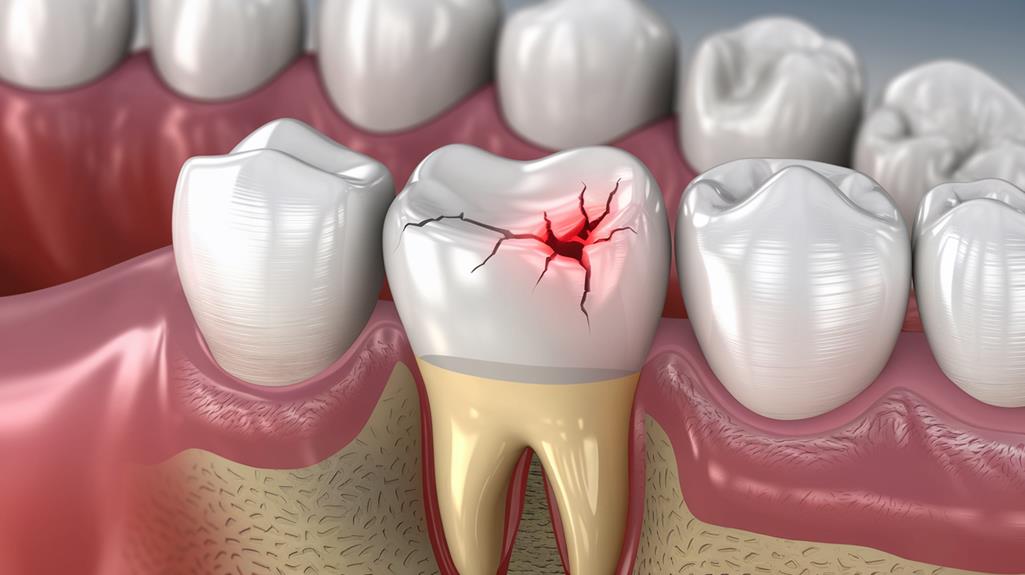
Cause 4: Cracked Tooth or Cracked Filling
Teeth with fillings are still vulnerable to cracking, especially under heavy biting forces or from grinding habits. A hairline crack in the tooth itself may not be visible on X-rays but causes sharp, sudden pain when biting in a specific direction.
A cracked filling exposes the sensitive inner layers of the tooth to temperature changes, bacteria, and pressure. The crack creates a direct pathway for bacteria to reach the pulp.
Cracked tooth syndrome is notorious for producing symptoms that appear and disappear unpredictably. The pain when biting that suddenly releases is a classic signal of a cracked tooth.
Cause 5: Leaking Filling or Failed Seal
Even without a visible crack, filling material can pull away from the tooth wall over time. This creates a microscopic gap at the margin — the junction between the filling edge and the tooth.
That gap allows saliva, food particles, and bacteria to enter. The inner dentinal tubules — microscopic channels leading to the nerve — become exposed, causing sensitivity to temperature and pressure.
A leaking filling is also called a microleakage failure. It is one of the most common reasons composite fillings fail, with annual failure rates for composite reaching as high as 9.43% in some studies.
Cause 6: Referred Pain From a Neighboring Tooth
Not all filling pain actually comes from the filled tooth. The human jaw is complex, and nerve pathways can make it genuinely difficult to locate the source of pain accurately.
A problem in a neighboring tooth — a new cavity, a cracked adjacent tooth, or a failing filling nearby — can cause pain that feels like it is coming from your filled tooth.
This is why dentists tap each tooth individually, use cold sensitivity tests, and sometimes take multiple X-ray angles to locate the true source of pain before recommending any treatment.
Cause 7: Bruxism — Tooth Grinding and Clenching
Bruxism is the habit of grinding or clenching your teeth, often during sleep. Many people do not know they grind their teeth until a dentist notices wear patterns or a partner reports the sound.
Grinding puts enormous repetitive force on fillings. It accelerates wear, creates micro-cracks in both the filling material and the tooth structure, and causes inflammation in the supporting jaw joint and muscles.
If you wake up with jaw soreness, headaches, or tooth sensitivity that is worse in the morning, bruxism may be the reason your filled tooth hurts months after the procedure.
A custom-fitted night guard worn during sleep protects both your natural teeth and your fillings from grinding damage.
Cause 8: Galvanic Shock From Dissimilar Metal Fillings
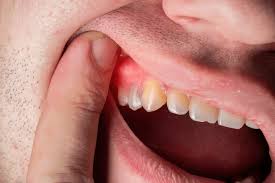
This cause is uncommon but real. If you have amalgam fillings in teeth that touch each other, or if a new metal crown contacts an old amalgam filling, a small electrical current can be generated between the two different metals.
This phenomenon is called galvanic shock. It produces a brief, sharp, electric-like sensation when the metals make contact — often described as “licking a battery.”
The sensation typically resolves on its own once the metals stop interacting, or it can be resolved by replacing one of the metals with a non-metallic material.
Cause 9: Allergic Reaction to Filling Material
Genuine allergic reactions to filling materials are rare but documented. They are more commonly reported with amalgam fillings, which contain mercury, silver, tin, and copper.
Signs of a material reaction include persistent swelling in the gum tissue near the filling, a metallic taste that does not go away, oral sores, or unusual sensitivity that does not fit the pattern of normal post-filling healing.
If you suspect a material sensitivity, your dentist can test for it and replace the filling with a biocompatible alternative, typically composite resin or ceramic.
Cause 10: Nerve Damage From a Deep Cavity Procedure
When a cavity is very deep — close to the pulp — the drilling and filling process creates unavoidable stress on the nerve. Sometimes that nerve remains chronically irritated long after the procedure.
This is not the dentist’s fault. It is a physiological response to working near sensitive nerve tissue. The nerve can take three to six months to fully settle after a deep cavity procedure.
However, if the nerve does not settle and pain continues or worsens beyond six months, that is no longer within the range of normal healing. A follow-up X-ray and pulp vitality test will determine if root canal treatment is needed.
Filling Lifespan: What You Need to Know
Understanding how long different filling types last helps explain why pain may develop months or years after placement. All fillings have a lifespan, and reaching the end of that lifespan causes predictable symptoms.
| Filling Type | Average Lifespan | Common Failure Pattern |
|---|---|---|
| Amalgam (silver) | 10–15 years | Gradual metal degradation, discoloration, marginal breakdown |
| Composite resin (tooth-colored) | 5–7 years | Microleakage, secondary decay, wear in high-pressure areas |
| Ceramic/porcelain | 10–15 years | Chipping under heavy bite forces |
| Glass ionomer | 3–5 years | Wear, limited strength in molar areas |
| Gold | 15–20+ years | Rare failure, mostly marginal breakdown over very long periods |
Composite fillings, which are the most commonly placed today due to their natural appearance, have a shorter lifespan than amalgam and are more prone to microleakage. This matters because a composite filling placed five years ago may be nearing the end of its functional life — and pain is often the first signal.
Warning Signs Your Filling Pain Is Serious
Most people wonder whether their filling pain is worth a dental visit or whether it will resolve on its own. Use these signals to decide.
Go to the dentist promptly if you have:
Throbbing pain that wakes you up at night — this suggests irreversible pulpitis or developing infection.
Sensitivity to heat that lingers more than 30 seconds after the heat source is removed — this is a classic sign of irreversible nerve damage.
Swelling in the gum, jaw, or face near the tooth — this signals an abscess that requires urgent treatment.
A bad taste in your mouth or pus near the gumline — clear signs of active infection.
Pain when biting that has worsened over weeks rather than improved — suggests ongoing structural problem.
Monitor at home but book soon if you have:
Mild sensitivity to cold that resolves within a few seconds.
Occasional discomfort when chewing on that side.
General awareness of the filled tooth without sharp or throbbing pain.
What Your Dentist Will Do to Find the Cause
A dentist diagnosing filling pain months after treatment will use a systematic approach. They are not guessing — they are working through a clinical checklist to find the source precisely.
Bite test: They tap the tooth gently and ask you to bite on a small stick. Pain with biting or tapping helps identify the location and type of problem.
Cold sensitivity test: A cotton pellet soaked in cold agent is placed on the tooth. A brief response is normal. Pain that lingers more than a few seconds points to pulp involvement.
X-rays: Periapical X-rays show the root and surrounding bone. They reveal secondary decay beneath fillings, bone loss from infection, and cracks in certain orientations.
Visual and probe examination: The dentist examines the filling margins closely for gaps, chips, or areas where the seal has broken down.
Transillumination: A bright light is shone through the tooth to reveal cracks that do not appear on X-rays.
Treatment Options Based on the Cause
The right treatment depends entirely on what is causing the pain. There is no one-size-fits-all answer.
| Cause | Treatment |
|---|---|
| High bite | Bite adjustment — filing down the filling height |
| Reversible pulpitis | Monitoring, desensitizing toothpaste, watchful waiting |
| Irreversible pulpitis | Root canal therapy |
| Secondary decay | Remove old filling, remove new decay, place new filling |
| Cracked tooth | Crown placement, or root canal plus crown if pulp is affected |
| Leaking filling | Replace the filling with proper seal |
| Bruxism | Night guard plus filling repair as needed |
| Allergic reaction | Replace filling material with biocompatible alternative |
Early treatment is almost always simpler, less expensive, and less painful than waiting until symptoms escalate.
Home Remedies That Can Help While You Wait
If your filling pain is mild and you cannot get a dental appointment immediately, these steps can reduce discomfort while you wait.
Use desensitizing toothpaste. Products containing potassium nitrate or stannous fluoride help block the dentinal tubule signals that create temperature sensitivity. Use twice daily and leave on without rinsing.
Chew on the opposite side. Reducing bite pressure on the affected tooth prevents further irritation until the dentist can examine it.
Avoid extreme temperature foods and drinks. Very hot coffee, ice cream, and cold water are common pain triggers for a sensitive filled tooth.
Take over-the-counter pain relief as directed — ibuprofen works well for dental inflammation because it addresses both pain and the inflammatory component.
Rinse with warm saltwater twice daily. It will not fix the underlying cause but can reduce gum irritation around the filling margin.
Important: home remedies manage symptoms only. They do not treat the underlying cause. Do not delay seeing a dentist if pain persists more than a few days or worsens.
How to Prevent Future Filling Pain
Prevention is always better than treatment. These habits protect your fillings and the teeth around them from developing problems months or years after placement.
Attend dental checkups every six months. Dentists spot failing fillings, secondary decay, and early pulp changes on X-rays long before they cause pain. Catching problems early keeps treatment simple.
Use a night guard if you grind your teeth. Bruxism is one of the most destructive habits for both natural teeth and dental restorations. A custom guard made by your dentist fits precisely and distributes forces evenly.
Brush twice daily with fluoride toothpaste. Fluoride strengthens the enamel around filling margins, reducing the risk of secondary decay forming at the edges.
Avoid biting hard objects. Ice, pens, hard candy, popcorn kernels, and using teeth as tools all put abnormal force on fillings and increase cracking risk.
Tell your dentist about any sensitivity at the next visit, even if it seems mild. Early sensitivity is the earliest warning sign of a filling that needs attention before a bigger problem develops.
Composite vs. Amalgam: Which Filling Is More Likely to Cause Pain Later
This is a common question and the answer depends on the clinical situation.
Composite (tooth-colored) fillings are more technique-sensitive. They require precise bonding and proper curing during placement. If the bonding process is not performed correctly, microleakage begins immediately and causes sensitivity and eventual failure.
Amalgam (silver) fillings are more tolerant of placement technique. They expand slightly as they set, which actually helps seal the margins. However, they can cause galvanic sensitivity if they contact other metals, and they do not bond chemically to the tooth.
In clinical studies, amalgam restorations showed a survival rate of approximately 94.4% over seven years compared to composite at approximately 85.5%. Composite has improved significantly with newer materials, but it remains more likely to require early replacement, especially in high-stress molar areas.
When Filling Pain Means You Need a Root Canal
Many people fear a root canal diagnosis. Understanding exactly when it is necessary removes some of that anxiety.
A root canal is needed when the nerve tissue inside the tooth is damaged beyond its ability to heal. This happens in cases of irreversible pulpitis or when infection has reached the pulp chamber.
Symptoms that specifically point toward root canal need include pain that is spontaneous (starts without a trigger), pain that is throbbing or pulsing, prolonged sensitivity to heat that takes more than 30 seconds to settle, and deep bone pain that feels like it comes from inside the jaw.
A root canal removes the damaged nerve tissue, cleans and shapes the root canals, fills them with a biocompatible material, and seals the tooth. It saves the natural tooth from extraction. Most modern root canal procedures are performed under local anesthesia with minimal discomfort.
How Long Is Too Long to Wait With Filling Pain
There is no safe waiting period for throbbing pain, swelling, or pain that wakes you at night. Those symptoms require same-day or next-day dental contact.
For mild sensitivity without other symptoms, waiting two to four weeks is reasonable if the pain is mild and not worsening. If it has not improved within that window, book an appointment.
For pain that began months after the original filling — as opposed to immediately after — the clock starts when the pain begins. Do not wait more than one to two weeks to get it evaluated.
Pain that has been present for months without improvement will not resolve on its own. It will worsen. What is a simple filling adjustment today becomes root canal treatment next quarter if left unaddressed.
Frequently Asked Questions (FAQs)
Is it normal for a tooth filling to hurt months after placement?
No, pain months after a filling is not normal. It usually indicates bite misalignment, nerve inflammation, secondary decay, or a failing filling seal that needs professional evaluation.
What does throbbing pain in a filled tooth mean?
Throbbing pain in a filled tooth typically signals irreversible pulpitis or a developing abscess. This is a serious symptom that requires prompt dental attention — do not wait for it to resolve on its own.
Can a filling cause pain years later?
Yes. Fillings have a lifespan of 5–15 years depending on material. As they age, margins break down, secondary decay forms, and filling material may crack, all of which can cause pain long after the original procedure.
How do I know if my filling needs replacing?
Signs include sensitivity to hot, cold, or sweets that did not exist before; pain when biting; visible cracks or chips in the filling; food getting stuck near the filling; or a bad taste from the area.
Can I treat filling pain at home?
Desensitizing toothpaste, chewing on the opposite side, and avoiding temperature extremes can help manage mild discomfort temporarily. These do not fix the underlying cause — a dentist visit is necessary.
What is pulpitis and does a filled tooth get it?
Pulpitis is inflammation of the tooth’s inner nerve tissue. Yes, filled teeth can develop pulpitis if the cavity was deep, the nerve was irritated during drilling, or bacteria reach the pulp through a failing filling seal.
Does a high filling always cause immediate pain?
Not always. Some bite misalignments cause immediate discomfort while others develop gradually over weeks or months as repeated pressure stress builds up in the tooth and surrounding tissues.
Can teeth grinding cause filling pain months later?
Yes. Bruxism puts repeated heavy force on fillings, accelerating wear and creating micro-cracks. The damage accumulates over months, and pain often appears well after the grinding habit begins affecting the filling.
How long does filling sensitivity normally last?
Normal post-filling sensitivity typically resolves within two to four weeks. Sensitivity lasting longer than six weeks, or that appears for the first time months after placement, should be evaluated by a dentist.
When does filling pain mean I need a root canal?
You likely need a root canal when pain is spontaneous, throbbing, worsens with heat, or does not resolve within seconds of removing the trigger. A dentist confirms this with pulp vitality testing and X-rays before proceeding.
Conclusion
Why does my tooth filling hurt after months is never a question you should dismiss or wait out indefinitely.
Dental fillings are designed to protect teeth, but they are not permanent and they are not immune to complications.
Pain that develops months after a filling — whether from a high bite, pulpitis, secondary decay, a crack, or a failing seal — always has a specific cause that a dentist can identify and treat. The earlier that cause is found, the simpler and less expensive the solution.
A bite adjustment today costs a fraction of a root canal next year. Mild sensitivity now is far easier to manage than an abscess three months from now.
If your filled tooth has been hurting for weeks or months, do not wait and hope it goes away. Book a dental appointment, describe your symptoms clearly, and let your dentist run the appropriate tests. Protecting that tooth now keeps it in your mouth for decades to come.