Why Can’t Babies Have Water? Important Facts 2026
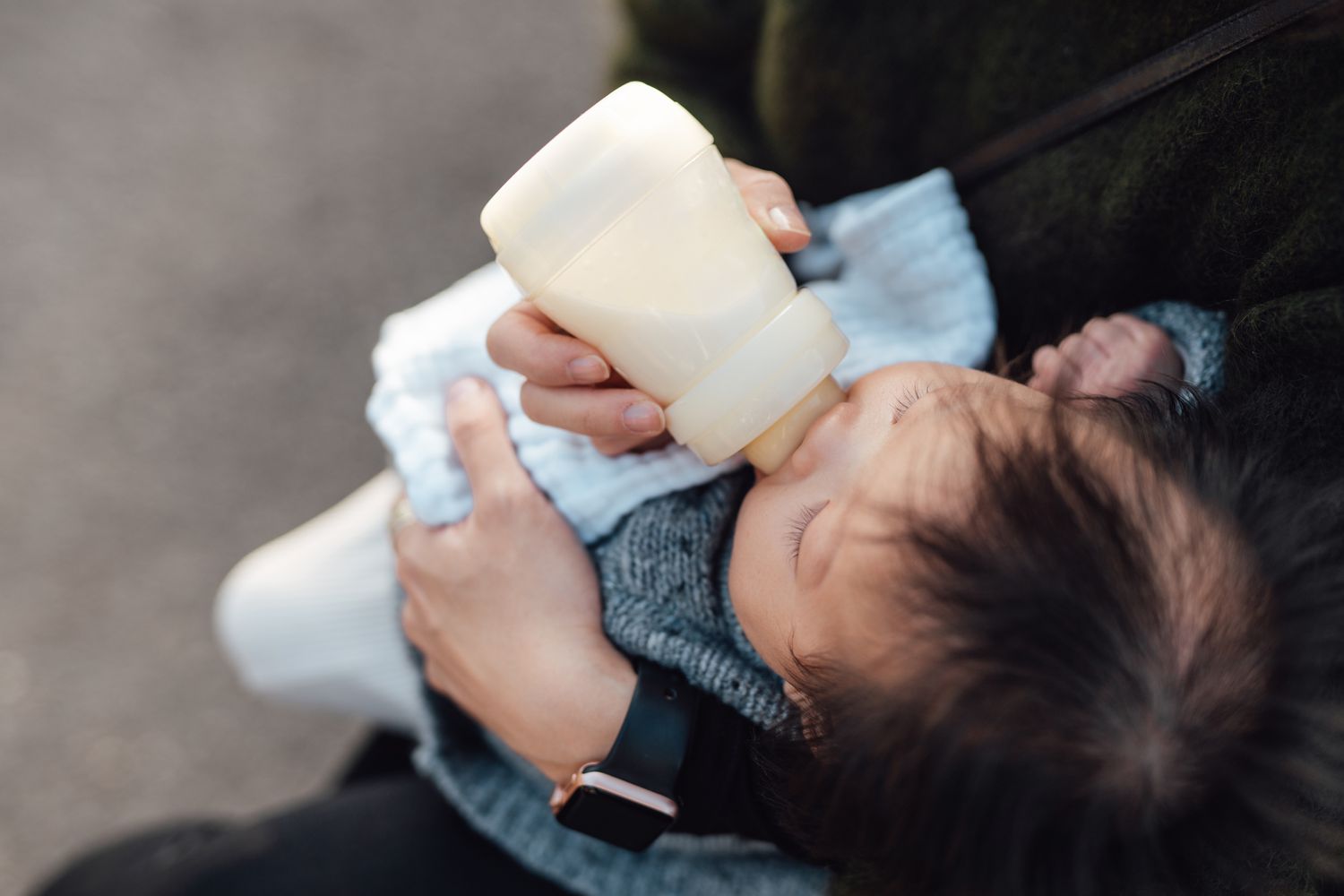
Why can’t babies have water is one of the most common questions new parents ask, and the answer surprises almost everyone.
Water is essential for life, so it seems natural to offer it to a newborn, especially on a hot day or when a baby seems fussy and thirsty.
But pediatricians and health organizations worldwide are clear: babies under six months old should never be given plain water.
Their bodies are not ready for it, and even small amounts can cause serious, life-threatening complications.
Why Can’t Babies Have Water?

Why can’t babies have water comes down to biology. A newborn’s body is fundamentally different from an adult’s. Their organs, particularly their kidneys, are still developing and cannot process water the way a mature system can.
Breast milk and infant formula are both made up of approximately 87 to 90 percent water. That means every feeding already delivers all the fluid a baby needs. Adding plain water on top of that throws the entire system out of balance.
What the American Academy of Pediatrics Says
The American Academy of Pediatrics (AAP) is unambiguous on this topic. Babies in the first six months of life should receive only breast milk or iron-fortified infant formula. No water, no juice, no other liquids.
This guideline is backed by the World Health Organization, the Dietary Guidelines for Americans, and every major pediatric body worldwide. The consistency of this recommendation across all medical authorities reflects how well-supported it is by clinical evidence.
Babies Have Tiny Stomachs That Fill Up Fast
At birth, a newborn’s stomach holds only about one to two teaspoons, which equals five to ten milliliters. It is barely larger than a marble. Every drop of liquid that enters that stomach needs to count nutritionally.
When water takes up space in a baby’s tiny stomach, it displaces breast milk or formula. That means the baby gets fewer calories, less protein, fewer vitamins, and fewer minerals at the exact time their brain and body are growing fastest. Even a few ounces of water can significantly reduce a feeding’s nutritional value.
Breast Milk Is Already Mostly Water
Many parents are surprised to learn that breast milk is approximately 87 to 90 percent water. A breastfed baby receives all the hydration they need through every feeding, even during hot weather, illness, or fever.
In warm conditions, a breastfeeding mother’s body naturally adjusts the composition of her milk. The foremilk at the beginning of a feed becomes more watery and thirst-quenching to meet the baby’s increased hydration needs. There is no situation in the first six months where additional water is necessary for a breastfed baby.
Formula Also Provides Complete Hydration
Infant formula is designed to match the hydration and nutritional profile of breast milk as closely as possible. When mixed correctly according to manufacturer instructions, formula contains all the fluid a baby needs.
The danger comes when parents dilute formula with extra water to stretch it further or reduce cost. This practice, while well-intentioned, creates exactly the same risk as giving plain water directly. It dilutes the concentration of sodium and other electrolytes and overwhelms the baby’s immature kidneys.
The Immature Infant Kidney: Why It Cannot Handle Water
An adult’s kidneys are efficient organs capable of filtering large volumes of fluid and adjusting what gets excreted in urine. A newborn’s kidneys are still developing and have a fraction of that capacity.
A baby’s kidneys cannot concentrate or dilute urine with the same efficiency as an adult’s. When extra water enters a baby’s bloodstream, their kidneys simply cannot remove it quickly enough. The excess water then spreads into the bloodstream, diluting vital minerals, and triggering a dangerous cascade of events.
What Is Water Intoxication in Babies?
Water intoxication sounds alarming, and it is. It occurs when too much plain water enters a baby’s system and dilutes the sodium concentration in the blood below safe levels. This condition is called hyponatremia.
Sodium is a critical electrolyte. It regulates fluid balance in and around cells, supports nerve signaling, and is essential for proper muscle function, including the heart. When sodium drops too low, cells begin to swell with water, including brain cells, which have no room to expand inside the skull.
How Hyponatremia Develops in Infants
When a baby drinks water, it enters the bloodstream and reduces sodium concentration. Because a baby’s kidneys cannot rapidly excrete the extra fluid, the dilution continues and worsens.
As sodium drops, brain cells absorb the excess water and swell. This creates pressure inside the skull that leads to neurological symptoms. The drop in sodium does not need to be dramatic to cause harm in infants. Even a moderate amount of water can tip a small baby’s system into dangerous territory.
Symptoms of Water Intoxication in Babies
Recognizing the signs of water intoxication is critical for parents and caregivers. The symptoms can develop quickly and escalate rapidly.
| Symptom | Severity Level |
|---|---|
| Unusual irritability or fussiness | Early warning |
| Swelling or puffiness around the face | Early warning |
| Drowsiness or difficulty staying awake | Moderate |
| Vomiting or nausea | Moderate |
| Low body temperature (hypothermia) | Moderate to serious |
| Muscle weakness or poor coordination | Serious |
| Seizures | Life-threatening |
| Loss of consciousness or coma | Life-threatening |
If a baby shows any of these symptoms after consuming water, seek emergency medical attention immediately. Water intoxication can deteriorate extremely fast in infants.
Real Cases: Why This Warning Matters
Medical literature documents real cases of healthy infants suffering seizures and emergency hospitalization from water intoxication. A case published in the journal Cureus described a five-month-old girl who developed status epilepticus, facial puffiness, and severe hyponatremia directly caused by water intake.
These cases are not rare enough to be dismissed. The CDC has investigated and documented clusters of hyponatremic seizures in infants fed with excessive water. This is not a theoretical risk. It is a documented, preventable medical emergency.
Hot Weather Does Not Change the Rule
One of the most common reasons parents give water to babies is concern about overheating in summer. It is a completely understandable instinct. But the medical answer is the same regardless of temperature: no water before six months.
During hot weather, a breastfed baby simply needs to feed more frequently. The mother’s body automatically adjusts milk composition to deliver more fluid. Formula-fed babies should be offered their usual formula more often. Both options meet hydration needs without the risk of sodium imbalance.
Can Babies Get Dehydrated Without Water?
Yes, babies can become dehydrated, but the answer is never plain water for babies under six months. Dehydration in young infants is managed by increasing the frequency of breast milk or formula feeds, not by adding water.
Signs of dehydration in babies include fewer than six wet diapers in twenty-four hours, a sunken fontanelle (the soft spot on the head), dry mouth, sunken eyes, reduced activity, and unusual fussiness. Any parent who suspects dehydration should contact a pediatrician immediately for proper guidance, not reach for a water bottle.
Why Diluting Formula Is Just as Dangerous
Some parents dilute formula with extra water when supplies run low, when finances are tight, or by accident during a tired midnight feeding. This is as dangerous as giving plain water directly.
When formula is watered down, the sodium and electrolyte concentration drops just as it does with plain water consumption. The baby gets fewer calories, less nutrition, and the same risk of hyponatremia. Always prepare formula strictly according to package instructions. If cost is a barrier to proper formula preparation, speak with a pediatrician about assistance programs.
What About Giving Water for Constipation?
It is a widespread piece of old-fashioned parenting advice to offer water to a constipated baby. For infants under six months, this should never be done. Water is not safe or effective for infant constipation at this age.
Constipation in young formula-fed babies may be addressed by adjusting formula type under pediatric supervision. For breastfed babies under six months, true constipation is rare. Any concerns about bowel movements in this age group should be discussed with a doctor, not self-treated with water.
Juice, Tea, and Other Liquids Are Also Off-Limits
Plain water is not the only liquid that poses risks for babies under six months. Fruit juice, herbal teas, rice water, and any other liquid that is not breast milk or formula should also be avoided entirely.
Juice contains natural sugars that can damage developing teeth, upset the gut microbiome, and displace nutritious feeds. Herbal teas can interfere with feeding and contain compounds that are unsafe for immature infant systems. The AAP recommends no juice whatsoever for babies under twelve months.
Why Breast Milk Adjusts in Hot Climates
Research has confirmed that breast milk provides adequate hydration for babies in warm and hot climates without any supplementation. A systematic review of eighteen studies found that exclusive breast milk or formula meets all hydration needs for infants under six months, even in hot environments.
Mothers living in hotter climates have been observed to produce milk with a higher water content to meet increased infant needs. This biological adaptation means that breastfeeding on demand is both the safest and most complete hydration strategy available, regardless of the weather outside.
The Nutritional Cost of Water in a Baby’s Diet
Beyond the risk of hyponatremia, giving water to babies has a second serious consequence: caloric and nutritional displacement. Babies under six months need very high calorie density relative to their body weight for proper growth and brain development.
Breast milk and formula deliver calories, protein, fat, iron, calcium, vitamins A, D, C, and K, and dozens of other growth-essential nutrients. Plain water delivers none of these. Every ounce of water a baby drinks is an ounce of nutritionally complete milk or formula they are not getting. Poor weight gain is one of the first signs that a baby is not receiving adequate nutrition.
When Can Babies Start Having Water Safely?
Around six months of age, when solid foods are introduced, small amounts of water become appropriate. This timing is not arbitrary. At six months, infant kidneys have matured enough to handle small fluid loads outside of milk, and solid foods require some water for swallowing and digestion.
The introduction of water at six months is gradual and supplementary, not a replacement for breast milk or formula, which remain the primary nutrition source through the first year of life.
How to Introduce Water at Six Months
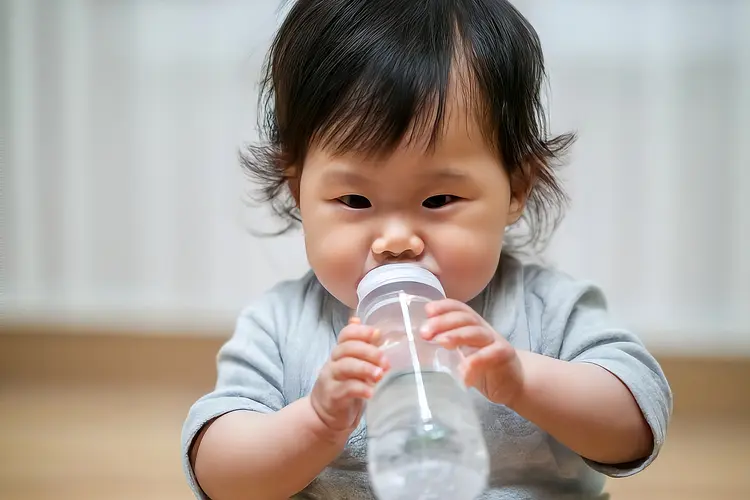
When introducing water at six months, small amounts offered with meals are the appropriate approach. The goal at this stage is familiarization and support for solid foods, not significant hydration.
A good practice is to offer water in an open cup or sippy cup alongside solid food meals. This also begins the process of teaching cup drinking, an important developmental skill. Keep the amounts small and always continue offering breast milk or formula as the main drink.
Recommended Water Amounts by Age
| Age | Water Recommendation |
|---|---|
| 0 – 6 months | None. Breast milk or formula only |
| 6 – 9 months | Small sips with meals, up to 2 oz (60 mL) per day |
| 9 – 12 months | Up to 4 to 8 oz (120 – 240 mL) per day with meals |
| 12 – 24 months | 8 to 32 oz (240 – 960 mL) per day alongside whole cow’s milk |
| 2 – 5 years | Freely available throughout the day |
Even between six and twelve months, water remains supplementary. Breast milk or formula should still account for the majority of daily fluid and calorie intake through the first birthday.
Choosing the Right Cup When Starting Water
When introducing water at six months, the type of cup matters. Open cups, sippy cups, and straw cups are all recommended by the AAP. They encourage proper swallowing mechanics and oral muscle development.
Bottles should not be used for water, even after six months, as babies may consume too much too quickly from a bottle. Using a small cup also naturally limits the amount consumed, reducing the risk of over-hydration even in older infants.
What About Fluoride and Tap Water?
Once water is safely introduced after six months, parents in areas with fluoridated tap water can offer tap water to their babies. Fluoride at appropriate levels in drinking water helps prevent future tooth decay and is safe for infants over six months.
Parents using well water or living in areas with water quality concerns should consult their local health authority or pediatrician. For formula preparation at any age, using fluoridated tap water is generally considered safe and may provide additional dental health benefits.
Signs Your Baby Is Well Hydrated on Breast Milk or Formula
Since parents often worry about hydration without being able to offer plain water, knowing the signs of good hydration in an exclusively milk-fed baby is reassuring and important.
A well-hydrated baby under six months will have at least six wet diapers per day. The urine should be light yellow or nearly clear. The baby should be alert and active during wake periods, have moist lips and mouth, and produce tears when crying. These signs collectively confirm adequate hydration from breast milk or formula alone.
Common Mistakes Parents Make With Baby Hydration
Understanding the most frequent errors helps parents avoid them before they happen. Many of these mistakes are rooted in good intentions but carry serious risks.
Diluting formula is one of the most common and dangerous mistakes, as described above. Giving water to soothe a fussy baby, assuming the baby is thirsty, is another frequent error. Fussiness in young infants almost always has a cause other than water thirst, such as hunger, gas, discomfort, or the need for comfort and contact.
Offering water during an illness, such as a fever or mild diarrhea, is also a mistake for babies under six months. During illness, increased breast milk or formula feeds are the correct response. For severe illness with significant fluid loss, a pediatrician may recommend an oral rehydration solution, never plain water.
What to Do If Your Baby Accidentally Drinks Water
A single small accidental sip of water is very unlikely to cause harm. Small accidents happen, and parents should not panic if a drop or two of water is accidentally ingested during bath time or from an older sibling’s cup.
The concern arises with larger volumes. If a baby under six months drinks more than a few ounces of water, or if any worrying symptoms develop such as unusual sleepiness, vomiting, or puffiness, contact a pediatrician immediately. When in doubt, always call for medical guidance rather than waiting to see if symptoms improve.
The Role of Pediatricians in Hydration Guidance
Pediatric check-ups in the first six months of life are the right time to raise any concerns about baby hydration. Pediatricians monitor weight gain, feeding frequency, wet diaper counts, and developmental milestones that all reflect whether a baby is adequately nourished and hydrated.
If a parent is unsure whether their baby is getting enough fluid, a feeding log tracking feeding times, duration, and wet diapers over twenty-four hours is a useful tool to bring to a doctor’s appointment. This concrete data helps pediatricians identify any real issues quickly.
The Bigger Picture: Trusting the Design of Breast Milk and Formula
The reason why can’t babies have water has such a clear answer is that nature and nutritional science have already solved the problem. Breast milk is one of the most complex biological fluids ever studied. It adapts in real time to a baby’s needs, changes composition across the day, and provides not just hydration and nutrition but also immune protection, hormones, enzymes, and beneficial bacteria.
Infant formula, while not identical to breast milk, is designed to approximate its nutritional and hydration profile as closely as modern science allows. Both are complete infant nutrition systems. Plain water adds nothing a young baby needs and poses risks their bodies are not yet equipped to handle.
Frequently Asked Questions (FAQs)
Why can’t babies have water before 6 months?
Their kidneys are too immature to process extra fluid, and water dilutes the sodium in their blood, causing a dangerous condition called hyponatremia. Breast milk and formula already provide all the hydration they need.
What happens if a baby accidentally drinks water?
A very small accidental sip is unlikely to cause harm. If a baby under six months drinks more than a few ounces or develops symptoms like swelling, vomiting, or unusual sleepiness, contact a pediatrician immediately.
Can I give my baby water in hot weather?
No, not before six months. In hot weather, offer more frequent breast milk or formula feeds instead. Breast milk naturally adjusts its water content to meet a baby’s increased hydration needs in the heat.
Is it safe to dilute formula with extra water?
No. Diluting formula reduces its nutritional concentration and creates the same sodium imbalance risk as giving plain water directly. Always prepare formula exactly according to package instructions.
How do I know if my baby is dehydrated without giving water?
Check for wet diapers. A well-hydrated baby should have at least six wet diapers per day. Signs of dehydration include sunken eyes, dry mouth, fewer wet diapers, and unusual lethargy. Contact a pediatrician if concerned.
When can I start giving my baby water?
Around six months of age, when solid foods are introduced. Start with very small amounts, around one to two ounces per day with meals, and continue breast milk or formula as the primary source of hydration through the first year.
Can water help a constipated baby?
Not for babies under six months. Water is not safe or effective for infant constipation at this age. Speak with a pediatrician about safe options specific to your baby’s situation.
Is fruit juice a safe alternative to water for babies?
No. Juice is not recommended for babies under twelve months. It contains sugars that can harm developing teeth, displace nutritious feeds, and upset a baby’s digestive system.
What type of cup should I use when introducing water at six months?
Open cups, sippy cups, or straw cups are all suitable. Avoid using bottles for water, as babies may consume too much too quickly. A small cup naturally limits the amount offered at one time.
What are the signs of water intoxication in babies?
Watch for unusual fussiness, facial puffiness, vomiting, drowsiness, low body temperature, and in severe cases, seizures. These symptoms after water consumption require immediate emergency medical attention.
Conclusion
Why can’t babies have water is a question with a firm, well-researched answer that every parent and caregiver should understand.
For the first six months of life, a baby’s kidneys are not developed enough to safely process plain water, and their tiny stomachs cannot afford to fill up on anything that does not deliver complete nutrition.
Breast milk and infant formula are already 87 to 90 percent water and are precisely calibrated to meet every hydration and nutritional need a young infant has, even during hot weather or mild illness.
Giving water before six months risks a dangerous drop in blood sodium, which can cause seizures, brain swelling, and life-threatening emergencies.
After six months, water can be introduced carefully and gradually alongside solid foods, always as a supplement to breast milk or formula, never a replacement.
When in doubt, trust your pediatrician and trust the extraordinary design of breast milk and formula to do exactly the job they were made to do.