Memory Foam vs Hybrid Mattress: Which One Is Actually Right for Your Sleep?
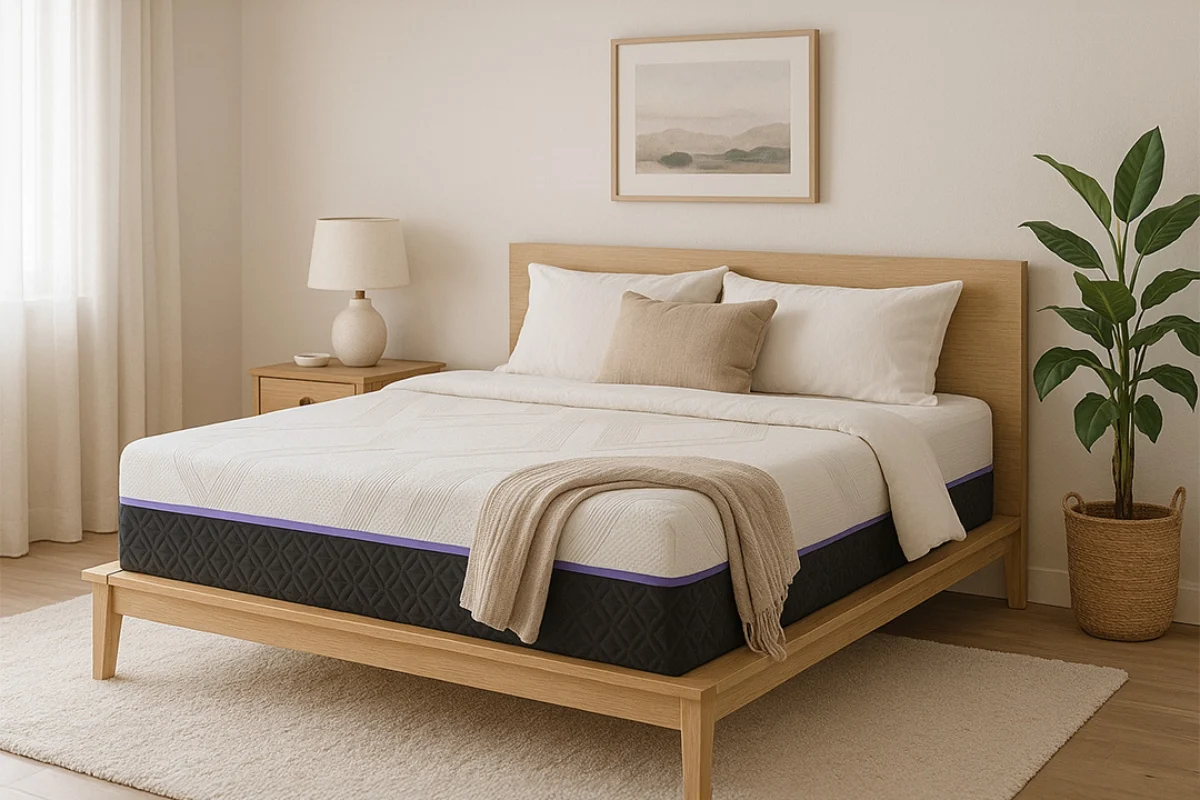
Few purchases have a more direct daily impact than a mattress, and few decisions in that purchase are more confusing than the choice between memory foam and hybrid designs. Both categories have been marketed aggressively, and both have legitimate strengths. What tends to get lost in the noise is a straightforward look at which type suits which sleeper, and why.
The memory foam vs hybrid mattress comparison comes down to three practical dimensions: how the mattress feels under load, how it manages heat, and how it supports different sleep positions and body types. Getting these three right is what determines whether you wake up rested or reach for a heat pack.
What Memory Foam Actually Is
Memory foam is a viscoelastic polyurethane material that responds to body heat and pressure. It softens where the body makes contact, contouring to the shape of the sleeper and distributing weight across the surface area. This pressure-distributing property is what makes memory foam particularly effective for people who sleep on their side, where the shoulder and hip create concentrated pressure points.
The limitation of memory foam is heat retention. The same dense structure that creates the contouring effect also traps body heat, which is why earlier memory foam mattresses became notorious for sleeping hot. Gel-infused and open-cell memory foams have improved this, but the fundamental material characteristic remains, and heat-sensitive sleepers often find all-foam mattresses uncomfortable regardless of the technology layer.
What a Hybrid Mattress Does Differently
A hybrid mattress combines an innerspring coil support base with one or more foam comfort layers on top. The coils create open space within the mattress through which air circulates, managing heat substantially better than a solid foam design. The foam layers above, typically two to four inches, provide the pressure relief and contouring that all-foam mattresses deliver, without locking in body heat.
The independently pocketed coils used in quality hybrids also move independently of each other, which minimizes motion transfer between sleep partners. A person rolling over on one side does not disturb the other. This is a significant advantage over older open-coil innerspring designs, which notoriously transmitted movement across the entire surface.
The Tiami Hybrid Mattress uses a double-pocketed coil system alongside Energex performance foam and an Active Anatomic Response system that adapts dynamically to body weight and sleep position. This addresses one of the consistent criticisms of hybrid mattresses, that the feel can vary depending on which firmness you choose, by allowing the mattress to adjust rather than requiring the sleeper to predict in advance which firmness will suit them.
Comparing the Key Factors
Motion isolation is stronger in all-foam mattresses because dense foam absorbs movement entirely. Quality hybrids with individually pocketed coils come close, but if motion isolation is the absolute priority (for example, if a partner has very disturbed sleep patterns), all-foam designs have the edge.
Temperature regulation is stronger in hybrid mattresses because the coil base generates natural airflow. Hot sleepers, those in warmer climates, and people who find memory foam uncomfortable at night almost universally report better results with hybrid designs.
Pressure relief is comparable at the high end of both categories. Entry-level hybrids may have thinner comfort layers that feel firmer and less cushioning. Quality memory foam performs well across a range of body types but can feel too restrictive for heavier sleepers over time.
Frequently Asked Questions
Which is better for back pain: memory foam or hybrid? Both can support back pain depending on the cause and sleep position. Hybrids tend to provide better support through their coil core, which prevents excessive sinkage that can misalign the spine. Side sleepers often prefer the cushioning of quality memory foam at the shoulder and hip.
Do hybrid mattresses sleep cooler than memory foam? Generally yes. The coil base in a hybrid promotes airflow that dissipates body heat, while solid foam structures retain more warmth. Hot sleepers consistently report more comfort on hybrid designs.
How long do memory foam and hybrid mattresses last? Quality memory foam mattresses typically last seven to ten years. Quality hybrids last similar periods but can extend to fifteen years in premium builds with dense foam and high-gauge coils.
Is a hybrid mattress heavier than memory foam? Yes. The steel coil system adds significant weight. This is worth factoring in if you expect to rotate or move the mattress frequently.
What is the best hybrid mattress for combination sleepers? Responsive hybrids that allow for easy repositioning are best suited to combination sleepers. The Tiami Hybrid Mattress, with its dynamic support system, is designed to adapt to position changes rather than requiring the sleeper to commit to a single sleep posture.