Why Do My Feet Smell? Expert Answers and Tips 2026
Why do my feet smell is a question millions of people search every day — and the answer is rooted in science, not shame.
Foot odor is one of the most common personal hygiene concerns in the world, affecting people of all ages, genders, and activity levels.
The medical name for it is bromodosis, and it happens when sweat mixes with bacteria naturally living on your skin.
Understanding what causes the smell, what different odors signal, and what genuinely works to eliminate it can transform your daily comfort.
What Is Bromodosis — The Medical Name for Smelly Feet
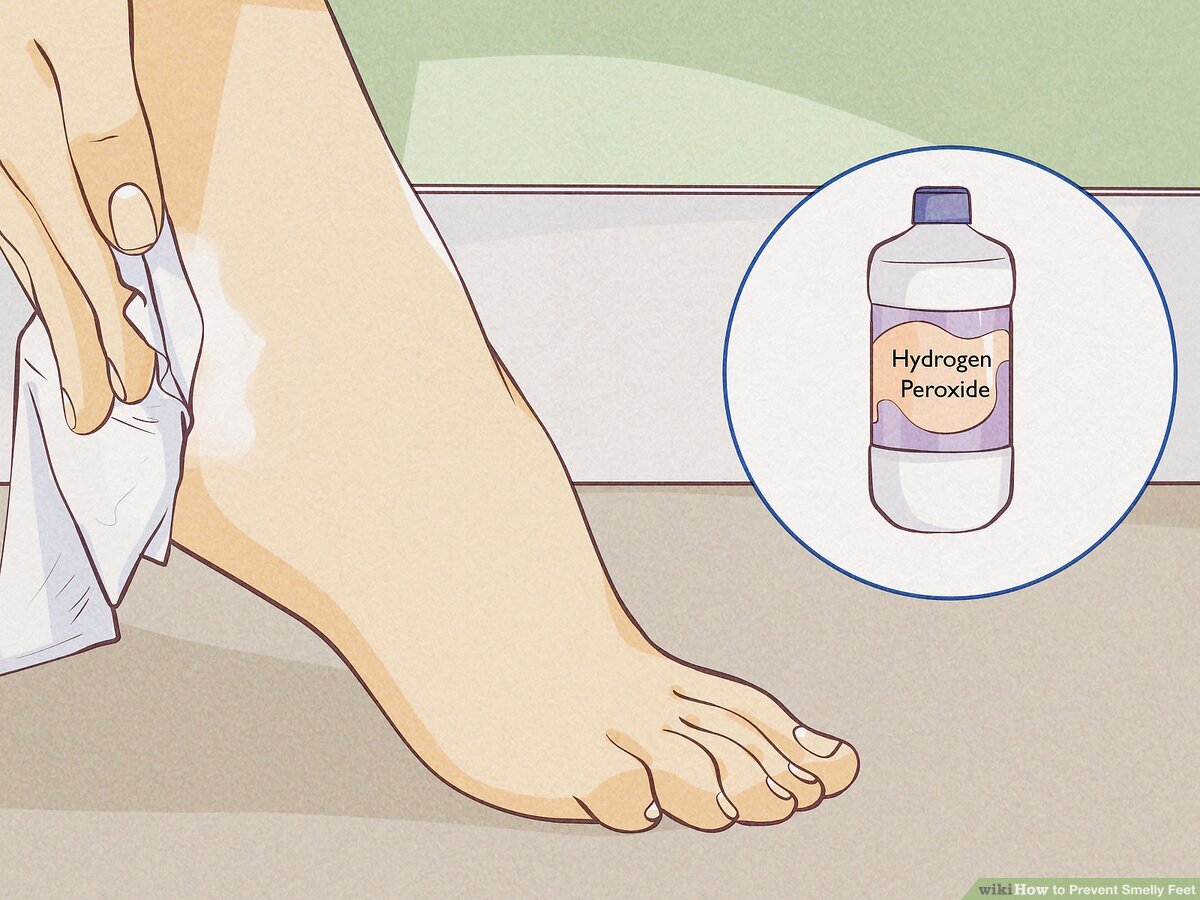
Bromodosis is the clinical term for persistent, unpleasant foot odor. It is not a disease but a condition caused by a combination of sweat, bacteria, and the enclosed environment created by shoes and socks.
It is extremely common. Most people experience it at some point in their lives, and up to 15% of the population deals with severe foot odor regularly.
The good news is that bromodosis is highly treatable. Most cases resolve with improved hygiene habits, better footwear choices, and targeted home remedies.
The Science Behind Why Your Feet Smell
Your feet do not actually produce an odor on their own. Sweat itself is odorless. The smell comes entirely from bacterial activity.
Your feet contain over 250,000 sweat glands — more per square inch than any other part of the body. These eccrine glands are always active, even when you are sitting still. Each foot can produce up to eight ounces of fluid every single day.
When sweat accumulates inside shoes and socks, it creates a warm, dark, moist environment. Bacteria thrive in exactly that environment. They feed on sweat, dead skin cells, and oils on your skin, and as they break these down, they release byproducts — organic acids and volatile compounds — that produce the odor you notice.
The Main Bacteria Responsible for Foot Odor
Not all bacteria on your feet are the same, and different bacteria produce different smells. Understanding which bacteria are active helps explain the type of odor you experience.
| Bacteria | Odor Produced | Location on Foot |
|---|---|---|
| Brevibacterium | Cheese-like, yeasty smell | Between toes, moist areas |
| Staphylococcus epidermidis | Cheesy, isovaleric acid odor | Skin surface, under nails |
| Propionibacterium | Vinegar-like, acidic odor | Sebaceous gland ducts |
| Corynebacterium | Musty, sharp body odor | All areas of the foot |
| Kyetococcus sedentarius | Sulfuric, rotten egg smell | Deep skin layers |
| Bacillus species | Ammonia-like compounds | Warm enclosed areas |
The same bacterium responsible for the cheese-like smell — Brevibacterium — is actually used to make Limburger and Muenster cheeses. That is not a coincidence.
What Does Your Foot Odor Smell Like? What It Tells You
The specific type of smell coming from your feet can tell you a great deal about what is happening biologically. Different odors point to different causes.
Feet That Smell Like Vinegar
A vinegar or sour smell is one of the most common foot odors. It is caused by Propionibacterium breaking down amino acids in sweat into propionic acid, which is chemically similar to acetic acid (vinegar).
This smell is more common after long periods of activity, in warm weather, or when wearing shoes with poor ventilation. It typically responds well to improved hygiene and moisture control.
Feet That Smell Like Cheese
A strong cheese odor is linked to Brevibacterium and Staphylococcus epidermidis. These bacteria release isovaleric acid when they metabolize sweat.
This type of odor is particularly common between the toes, where moisture is highest and airflow is lowest. It often intensifies when shoes are removed after a full day of wear.
Feet That Smell Like Rotten Eggs or Sulfur
A sulfuric or rotten egg smell is associated with Kyetococcus sedentarius. This bacterium produces volatile sulfur compounds through its metabolic process.
This type of odor is harder to manage with basic hygiene alone and may require topical antibiotics or prescription treatments prescribed by a podiatrist.
Feet That Smell Like Ammonia
An ammonia-like odor suggests high levels of Brevibacterium producing methanethiol from the amino acid methionine. It can also indicate dehydration, as concentrated urea compounds in sweat become more pungent.
Drinking more water and improving foot washing frequency usually addresses ammonia-type odors.
Feet That Smell Like Bleach or Chemicals
A bleach-like or chemical odor can be a sign of kidney or liver dysfunction. When these organs are not filtering waste effectively, toxins accumulate and are expelled through sweat.
This type of odor deserves medical attention, especially if it is new, persistent, or accompanied by other symptoms.
Top Causes of Smelly Feet
There is almost never just one cause. Most cases of foot odor involve multiple contributing factors working together.
Poor Foot Hygiene
Not washing feet daily — especially between the toes — allows bacteria to build up rapidly. Simply rinsing feet in the shower without scrubbing is not sufficient.
Dead skin cells accumulate in the crevices between toes and under nails. Bacteria feed on these cells constantly, and without regular removal, odor intensifies day by day.
Excessive Sweating (Hyperhidrosis)
Some people sweat significantly more than others, even without heat, exercise, or stress as a trigger. This condition is called hyperhidrosis, and the foot-specific version is called plantar hyperhidrosis.
Primary hyperhidrosis has no identifiable underlying cause. Secondary hyperhidrosis is linked to medical conditions including thyroid disorders, diabetes, hormonal changes, and certain medications.
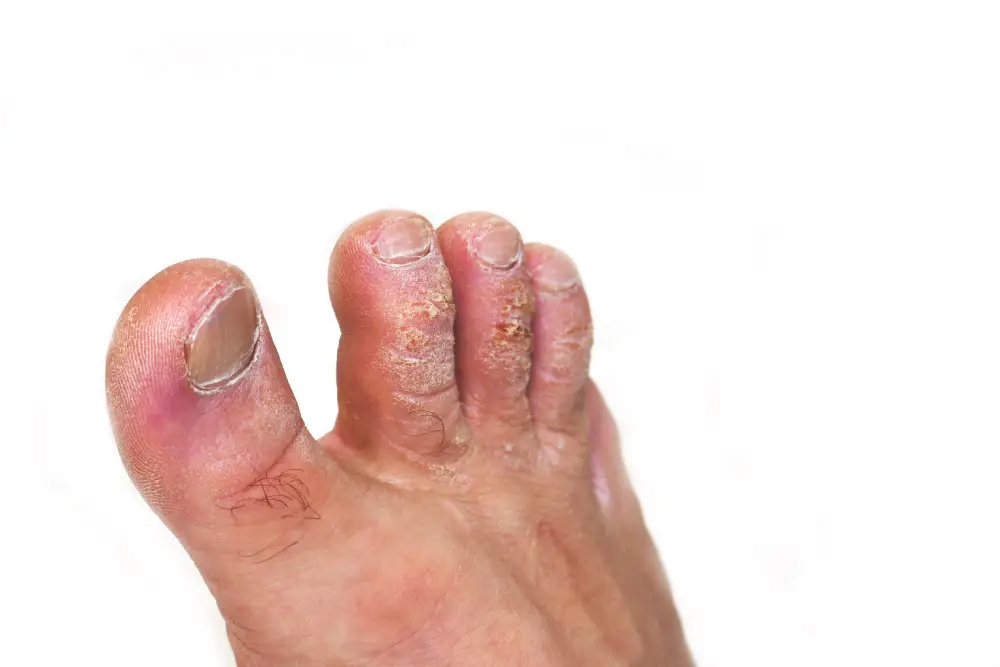
Athlete’s Foot (Tinea Pedis)
Athlete’s foot is a fungal infection caused by dermatophyte fungi. It thrives in warm, moist environments — exactly the conditions inside shoes.
While the fungus itself does not produce a strong smell, it damages skin tissue and creates ideal conditions for secondary bacterial infections. Those infections generate the odor. Athlete’s foot typically causes itching, redness, and peeling skin alongside the smell.
Wearing Non-Breathable Footwear
Shoes made from synthetic materials — plastic, rubber, or cheap leather alternatives — trap heat and moisture inside. This creates the perfect incubator for bacteria.
Wearing the same shoes every day without allowing them to dry out is one of the most common causes of persistent foot odor. Bacteria colonize the insoles and lining, continuously re-infecting the feet even after washing.
Wearing the Same Socks Repeatedly or Wearing No Socks
Socks absorb sweat and act as a barrier between your foot and your shoe. Wearing the same pair twice without washing allows bacteria and fungi to proliferate in the fabric.
Going sockless in closed shoes creates even worse conditions — sweat hits the shoe material directly, soaking into foam insoles and breeding odor-causing organisms with no barrier to slow them down.
Pitted Keratolysis
Pitted keratolysis is a bacterial skin infection that creates small pits or craters in the skin of the soles. It is caused by Corynebacterium and other bacteria that dissolve the outer skin layer.
This condition produces a particularly strong, sulfuric foot odor. It is more common in people who spend long hours on their feet or in warm, humid conditions. It requires antibiotic treatment to clear.
Diet and What You Eat
Certain foods contain sulfur compounds that your body processes and excretes through sweat. These compounds intensify foot odor noticeably.
Foods commonly linked to stronger foot odor include garlic, onions, cabbage, broccoli, cauliflower, eggs, and red meat. Reducing consumption of these foods can make a measurable difference, particularly in people already prone to bromodosis.
Stress and Emotional Sweating
Stress activates apocrine sweat glands, which produce a thicker, protein-rich type of sweat. While eccrine glands (which dominate the feet) produce clear sweat, emotional stress still increases overall sweat volume significantly.
More sweat means more bacterial activity. People who experience chronic stress or anxiety often notice that their foot odor worsens during high-stress periods.
Hormonal Changes
Teenagers, pregnant women, and people going through menopause often experience increased sweating due to hormonal fluctuations. Higher sweat levels directly increase the risk and severity of foot odor.
Teenagers are particularly susceptible during puberty because hormone surges increase sweating throughout the body, while also increasing activity levels and time spent in athletic footwear.
Certain Medications
Several categories of medications list increased sweating as a side effect, which directly contributes to foot odor. These include some antidepressants, blood pressure medications, fever reducers, and certain supplements.
If foot odor appeared or worsened after starting a new medication, speak with your prescribing doctor. A dosage adjustment or alternative medication may be available.
Underlying Medical Conditions
Some health conditions directly affect how feet smell, either by increasing sweat production or by altering the chemical composition of sweat.
| Medical Condition | How It Affects Foot Odor |
|---|---|
| Diabetes | Excessive sweating; foot wounds that become infected |
| Thyroid disorders | Hormonal disruption increases sweat production |
| Kidney disease | Toxin buildup excreted through sweat (bleach-like odor) |
| Liver disease | Impaired filtration leads to chemical-smelling sweat |
| Obesity | Hormonal changes and skin fold moisture increase odor |
| Hyperhidrosis | Chronic excessive sweating on feet regardless of temperature |
| Diabetic ketoacidosis | Fruity odor from high ketone levels — medical emergency |
Any new or unexplained change in foot odor, especially if accompanied by other symptoms, warrants a medical evaluation.
How to Get Rid of Smelly Feet — Home Remedies That Work
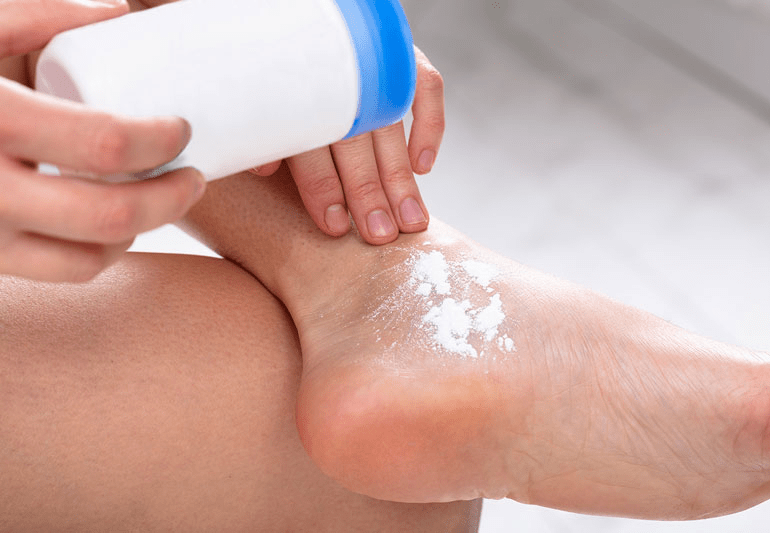
The foundation of treating foot odor is a consistent daily routine. Most mild to moderate cases of bromodosis respond fully to home care.
Wash Your Feet Properly Every Single Day
Rinsing is not enough. Use an antibacterial soap and a scrub brush or washcloth to clean every surface — the soles, the tops, the heels, and especially between every toe.
Wash for at least 30 seconds per foot. Pay extra attention to the areas between toes, which are the warmest and most bacteria-friendly zones. Morning showers are better than evening showers for this purpose, as you begin the day with a clean base.
Dry Your Feet Completely After Washing
Moisture left between the toes is one of the most common reasons foot odor persists despite washing. Bacteria begin multiplying in wet conditions within minutes.
Use a clean, dry towel and pat between each toe individually after every shower or foot wash. For extra protection, a hair dryer on the lowest heat setting can ensure complete dryness in persistent cases.
Soak Feet in Vinegar Water
A vinegar foot soak is one of the most effective and evidence-backed home remedies for foot odor. Vinegar is antimicrobial and kills both bacteria and fungi contributing to the smell.
Mix two parts warm water with one part white vinegar or apple cider vinegar. Soak your feet for 15 to 20 minutes. Always wash feet with regular soap before and after the soak. Do not use this remedy if you have open cuts, sores, or scratches on your feet.
Soak Feet in Warm Salt Water
Salt water draws moisture out of skin cells through osmosis, creating a less hospitable environment for bacteria. It also helps reduce inflammation and soften dead skin.
Dissolve half a cup of sea salt or Epsom salt in warm water and soak for 15 to 20 minutes. Epsom salt also provides magnesium, which supports muscle function and relaxation.
Use Baking Soda
Baking soda neutralizes the acidic byproducts of bacteria responsible for the smell. It also absorbs moisture and has mild antibacterial properties.
Sprinkle baking soda directly into your shoes before wearing them. You can also make a baking soda foot soak by dissolving a tablespoon in warm water and soaking for 10 to 15 minutes.
Apply Tea Tree Oil
Tea tree oil has well-documented antibacterial and antifungal properties. It directly targets the organisms causing foot odor without creating antibiotic resistance.
Dilute a few drops in a carrier oil (such as coconut oil) and apply between the toes and on the soles. Never apply essential oils directly to skin without dilution, as they can cause irritation.
Use Antifungal Powders or Sprays
Over-the-counter antifungal foot powders and sprays keep feet dry and prevent the growth of both bacteria and fungi. They are particularly useful for people who sweat heavily or who are prone to athlete’s foot.
Apply antifungal powder to clean, dry feet each morning before putting on socks. Also sprinkle inside shoes to address residual microbial colonies in the footwear itself.
Remove Dead Skin Regularly
Dead skin cells are a primary food source for the bacteria that cause foot odor. Allowing layers of dead skin to accumulate — especially on heels and the balls of the feet — provides a constant supply of bacterial nutrition.
Use a pumice stone or foot file on wet skin during showers. Focus on the heels and any areas of thickened skin. Trim toenails straight across and keep them short to reduce bacteria trapped underneath.
Choosing the Right Footwear to Prevent Foot Odor
What you put on your feet makes an enormous difference in how much bacteria builds up and how quickly.
Best Sock Materials for Reducing Foot Odor
| Sock Material | Moisture-Wicking | Odor Resistance | Best For |
|---|---|---|---|
| Merino wool | Excellent | Excellent | Everyday wear, sports |
| Bamboo | Very good | Very good | Sensitive skin |
| Cotton | Poor to moderate | Moderate | Light use only |
| Synthetic (polyester) | Moderate | Moderate | Athletics with good ventilation |
| Copper-infused fabric | Good | Very good | Active lifestyles, heavy sweaters |
| Nylon | Poor | Poor | Avoid for odor-prone feet |
Change socks at least once daily. If you are active or sweat heavily, change socks at midday as well. Never rewear socks without washing them.
Best Shoe Types for Odor Prevention
Choose shoes made from natural materials — leather, canvas, or mesh — that allow air circulation. Avoid fully synthetic shoes that trap heat and moisture.
Rotate between at least two pairs of shoes daily. Shoes need 24 to 48 hours to fully dry out after a day of wear. Using the same pair every day never allows complete drying, ensuring persistent bacterial growth inside the shoe.
How to Deodorize Your Shoes
Shoes absorb bacteria and odor compounds into their insoles and lining over time. Washing your feet perfectly does nothing if you put them back into contaminated shoes.
Place cedar shoe inserts or activated charcoal insoles in shoes between wears. These materials absorb moisture and neutralize odor compounds. Spray the interior of shoes with an antibacterial shoe spray weekly. Replace insoles every few months, especially in frequently worn athletic shoes.
Professional and Medical Treatments for Severe Foot Odor
When home remedies are not enough, medical options provide stronger and more targeted solutions.
Prescription Antiperspirants
Regular antiperspirants are designed for the underarms, but prescription-strength formulas containing aluminum chloride can be applied to the feet to significantly reduce sweat production.
These are applied to clean, dry feet at night and washed off in the morning. They are one of the first-line medical treatments for plantar hyperhidrosis.
Iontophoresis
Iontophoresis uses a mild electrical current delivered through water to temporarily block sweat gland activity. Feet are submerged in a shallow tray of water while the current passes through.
Studies show that most people who complete iontophoresis sessions report a significant reduction in foot sweating. Sessions are typically done several times per week initially, then less frequently for maintenance.
Botox Injections
Botulinum toxin (Botox) injected into the soles of the feet blocks the nerve signals that trigger sweating. The effect lasts several months.
This treatment is used for severe hyperhidrosis when other options have failed. It is effective but requires repetition as the effects wear off.
Topical Antibiotics
For bacterial infections causing odor — including pitted keratolysis — topical antibiotics like clindamycin or erythromycin are prescribed. They directly eliminate the odor-causing bacterial colonies.
These require a prescription and are applied directly to affected areas of the foot. Most cases clear within a few weeks of consistent use.
Antifungal Medications
When athlete’s foot or other fungal infections are driving the odor, antifungal treatments are essential. Over-the-counter options include terbinafine and clotrimazole creams.
Severe or persistent fungal infections may require oral antifungal medications such as terbinafine or itraconazole, prescribed by a doctor.
When to See a Doctor About Foot Odor
Most foot odor does not require medical attention. However, certain signs indicate that professional evaluation is needed.
See a podiatrist or doctor if:
- Foot odor does not improve after two to four weeks of consistent home treatment
- The odor is accompanied by itching, burning, redness, or peeling skin
- You notice small pits or craters forming on the soles of your feet
- The smell is bleach-like, chemical, or fruity — this may indicate an underlying condition
- You have diabetes and notice any foot wound, sore, or unusual smell
- The odor is causing significant emotional distress or social withdrawal
A podiatrist can determine whether the cause is bacterial, fungal, or related to an underlying health issue, and prescribe the appropriate targeted treatment.
Daily Prevention Routine for Odor-Free Feet
Preventing foot odor from returning is simpler than eliminating it once it takes hold. Consistency is the entire key.
| Time of Day | Action |
|---|---|
| Morning | Wash feet with antibacterial soap, dry completely, apply antifungal powder |
| After exercise | Change socks immediately, rinse feet if possible |
| Evening | Inspect feet, use pumice stone as needed, allow feet to air out |
| Weekly | Vinegar or salt foot soak, replace shoe insoles if worn |
| Monthly | Replace old shoes or rotate footwear, check toenails and trim |
This five-minute daily investment is enough to eliminate bromodosis in the vast majority of people.
Nutrition and Hydration for Foot Odor Control
What you eat and drink directly affects how your feet smell. Diet is one of the most underestimated contributors to chronic foot odor.
Staying well hydrated dilutes sweat concentration and reduces the intensity of odor-producing compounds. Aim for at least eight glasses of water daily.
Reduce or eliminate the following if foot odor is a persistent problem:
Garlic and onions contain sulfur compounds that are released through sweat. Cruciferous vegetables like broccoli, cauliflower, and cabbage have a similar effect. Eggs and red meat are high in sulfur-containing amino acids. Excessive alcohol and caffeine both increase overall sweating.
Foods that support healthy skin and reduce bacterial overgrowth include probiotic-rich foods (yogurt, kefir, fermented vegetables), zinc-rich foods (pumpkin seeds, chickpeas, lentils), and green tea, which has natural antibacterial properties.
Foot Odor in Special Situations
Foot Odor in Athletes
Athletes are at significantly higher risk of bromodosis due to prolonged periods in athletic footwear, heavy sweating, and frequent exposure to shared floors in locker rooms and gyms.
Using moisture-wicking socks, rotating between multiple pairs of shoes, and applying antifungal powder before and after workouts makes a major difference. Never walk barefoot on gym floors or in communal showers.
Foot Odor in Teenagers
Teenagers experience some of the most severe foot odor of any age group. Hormonal changes during puberty dramatically increase sweating throughout the body, while high activity levels and time spent in athletic shoes worsen conditions.
Teaching teenagers a daily foot hygiene routine early prevents the habit of ignoring the problem. Moisture-wicking socks and regular shoe rotation are particularly important in this group.
Foot Odor During Pregnancy
Hormonal changes during pregnancy increase sweating and can intensify existing foot odor significantly. Additionally, swollen feet mean tighter shoes, which traps more heat and moisture.
Safe approaches during pregnancy include daily washing with gentle antibacterial soap, breathable footwear, and salt or baking soda foot soaks. Consult a doctor before using medicated treatments.
Foot Odor in People with Diabetes
Diabetes affects foot health in multiple ways. Excessive sweating from blood sugar dysregulation increases bacterial activity. Reduced circulation and nerve damage can allow foot wounds to go unnoticed until they become infected.
Infected foot wounds in diabetic patients produce strong, unpleasant odors. People with diabetes should inspect their feet daily, maintain strict hygiene, and see a podiatrist regularly.
Frequently Asked Questions (FAQs)
H4: Why do my feet smell even after washing them?
Bacteria live inside your shoes and socks as well as on your skin. Clean feet placed in contaminated shoes re-develop odor within hours, so footwear also needs regular treatment.
H4: Why do my feet smell so bad at night?
Feet accumulate sweat and bacterial activity throughout the day. By evening, hours of enclosed, warm conditions inside shoes have given bacteria maximum time to produce odor compounds.
H4: Can diet cause smelly feet?
Yes. Foods high in sulfur — garlic, onions, eggs, and cruciferous vegetables — are processed by the body and their compounds released through sweat, intensifying foot odor noticeably.
H4: Why do my feet smell like cheese?
A cheese-like odor is caused by Brevibacterium and Staphylococcus epidermidis releasing isovaleric acid. These bacteria thrive between the toes in moist, warm conditions.
H4: Is foot odor a sign of a medical condition?
Usually not. However, a bleach-like, fruity, or unusually chemical smell can indicate kidney disease, diabetes, or liver problems and warrants medical evaluation promptly.
H4: What is the fastest way to stop smelly feet?
Wash thoroughly with antibacterial soap, dry completely between toes, apply baking soda or antifungal powder, and change into fresh socks and clean shoes immediately.
H4: Can stress make your feet smell worse?
Yes. Stress triggers increased sweating across the body. More sweat means more bacterial activity on the feet, directly worsening foot odor during stressful periods.
H4: How do I get rid of foot odor permanently?
There is no single permanent fix, but a consistent daily routine of washing, drying, using antifungal powder, rotating footwear, and changing socks keeps bromodosis fully under control for most people.
H4: Why do my feet smell like vinegar?
A vinegar smell comes from Propionibacterium producing propionic acid while breaking down sweat. It is one of the most common foot odors and responds well to improved hygiene and vinegar foot soaks.
H4: When should I see a doctor about smelly feet?
See a doctor if the odor persists after four weeks of home treatment, is accompanied by skin changes or pain, smells chemical or unusual, or if you have diabetes and notice any foot issues.
Conclusion
Why do my feet smell is a question with a clear, science-backed answer — and more importantly, a clear, science-backed solution.
Foot odor, or bromodosis, is caused by bacteria breaking down sweat on the warm, enclosed surface of your feet.
The type of smell, its intensity, and how often it occurs all depend on your hygiene habits, footwear choices, diet, stress levels, and overall health.
In the vast majority of cases, a consistent daily routine that includes proper washing, complete drying, moisture-wicking socks, rotating footwear, and regular use of antifungal or antibacterial products resolves the problem entirely.
For persistent or severe cases, effective medical treatments — from prescription antiperspirants to iontophoresis — provide real relief.
Do not ignore changes in foot odor that are sudden, unusual in smell, or accompanied by other symptoms, as they can signal underlying health conditions worth addressing.
Smelly feet are common, treatable, and nothing to be embarrassed about.