6 Insights Into Weight Regain After Discontinuing GLP-1s
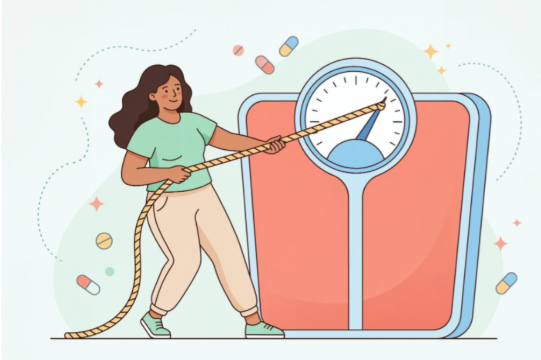
The GLP-1 medications are a popular choice for those looking for effective assistance in weight management. They function by suppressing appetite, slowing digestion, and raising satiety, making it simpler to consume much fewer calories and shed weight.
Therefore, there are many people who see a tremendous improvement in their weight loss and health when they are using this medication. But when treatment ends, an important question that frequently gets raised is: can those results be sustained?
Because the appetite-suppressing properties of this medicine gradually lessen after stopping the medicine, some people might experience hunger or changes in their eating habits and body weight after stopping the medicine.
As a result, it is important to have a clear plan for what to expect once treatment with GLP-1 is discontinued.
This article examines six key takeaways from the weight regain experience with GLP-1s.
- Weight Regain Can Start Earlier Than Anticipated
One of the most common questions that patients ask during and after therapy is how quickly weight tends to come back after stopping GLP-1s. This will depend on individual circumstances, but appetite and eating habits may begin to change when the effects of the medication start to decrease.
This doesn’t imply that lost weight is simply coming back. While GLP-1 medications are in use, they help control hunger, fullness, and food cravings. Those effects slowly fade away after treatment.
This makes it more difficult for many to be content with a smaller serving size. Knowing this timeline can help you to make proactive plans and reinforce healthy habits before you notice any weight gain.
- Appetite Changes Play a Major Role
GLP-1 drugs impact multiple pathways that regulate appetite. Many people find that they are less hungry and have less craving for food during treatment. These appetite-regulating effects may disappear following the end of treatment. Thoughts and cravings around food may return, making it harder to maintain weight.
Significantly, this answer is not only a question of resolve. Weight loss is accompanied by mechanisms within the body that try to regain weight. Hunger signals may make it more difficult to follow prior to eating habits.
This makes well-structured meal planning, protein- and fiber-containing foods, and mindful eating even more important when moving off medicines.
- The Body Will Protect Its Previous Weight
Another important takeaway is the fact that the body resists weight loss.
From a biological point of view, substantial weight loss can produce adaptive responses to conserve energy. Sometimes metabolism can slow down following weight loss, which can result in a lower calorie requirement. Meanwhile, hormones that regulate hunger can rise, stimulating more eating.
This means maintaining weight loss can be a continuous challenge beyond treatment. This can help to understand why weight management may be more difficult even though you have a healthy lifestyle. Knowledge of these physiological considerations can help develop some realistic expectations and an attitude of maintaining a long-term perspective.
- Lifestyle Habits Become More Important Than Ever
While GLP-1 medications do help with weight loss, there are still important habits that need to be established to achieve long-term results. After the medication is stopped, proper nutrition, fitness, quality sleep, and stress management become the top resources to maintain results.
Studies have repeatedly demonstrated that people who maintain healthy behaviors are more likely to have long-term results versus people who are only depending on the effects of medications.
Regular exercise, for instance, can maintain calorie balance and maintain your muscle mass. Similarly, a focus on eating protein can help control hunger and promote satiety. It’s important to consider lifestyle changes not as temporary supplements to medication, but rather as the basis for long-term weight management.
- Outcomes Vary Significantly Between Individuals
While weight regain is common, outcomes are far from identical.
Some people regain a substantial portion of lost weight, while others maintain much of their progress. Several factors may influence these differences, including the amount of weight lost, eating habits, physical activity levels, medical history, and ongoing professional support.
Therefore, it is important not to assume that one outcome applies to everyone. Individual circumstances play a major role, and personalized planning often leads to better long-term results.
- Long-Term Planning Matters More Than Stopping
Many discussions focus on the moment treatment ends. However, a more useful perspective involves planning long-term weight management before discontinuation occurs.
Healthcare professionals increasingly emphasize the importance of creating a maintenance strategy that addresses nutrition, exercise, behavioral support, and ongoing monitoring.
The key point is that successful weight management rarely depends on a single intervention. Instead, it is usually the result of multiple strategies working together over time. By developing a structured plan early, you can reduce the likelihood of setbacks and improve your ability to maintain the health improvements achieved during treatment.
Final Thoughts
Weight regain after discontinuing GLP-1 medications is influenced by biology, behavior, and long-term lifestyle choices. Research suggests that appetite often increases after treatment ends, and many individuals experience some degree of weight regain over time.
Nevertheless, outcomes are not identical for everyone. Factors such as dietary habits, physical activity, ongoing support, and individualized planning can influence long-term success. Most importantly, stopping a GLP-1 medication should be viewed as part of a broader weight-management journey rather than the end of one.
By understanding the factors behind weight regain and preparing them in advance, you can make informed decisions and build a sustainable strategy that supports lasting health and weight-management goals.