Why Do My Burps Smell Like Rotten Eggs? Top Reasons 2026
Why do my burps smell like rotten eggs is a question more people ask than you might expect.
That foul, sulfuric odor coming from your burps is not random — it has a clear biological explanation.
When bacteria in your digestive system break down certain foods, they produce a gas called hydrogen sulfide.
The good news is that sulfur burps are usually harmless and temporary.
What Are Sulfur Burps?
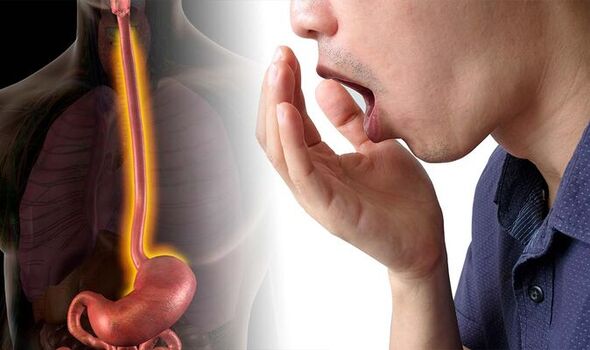
Sulfur burps are burps that carry a strong, foul odor similar to rotten eggs or a swamp. They are caused by hydrogen sulfide gas building up in the digestive tract.
Most regular burps are simply swallowed air escaping from the esophagus. They are odorless because the gas — mostly carbon dioxide and nitrogen — has no smell.
Sulfur burps are different. They form deeper in the digestive system when bacteria break down sulfur-containing compounds in food, releasing hydrogen sulfide as a byproduct.
What Causes the Rotten Egg Smell in Burps?
The rotten egg smell comes entirely from hydrogen sulfide gas, also written as H2S. This is the same compound responsible for the smell of volcanic gases and decaying matter.
Your body produces small amounts of hydrogen sulfide naturally during digestion. This is normal and not a cause for concern.
The problem occurs when production increases significantly — whether from diet, gut bacteria imbalance, or an underlying digestive condition.
How Common Are Sulfur Burps?
Burping is completely normal. The average person burps or passes gas 13 to 21 times per day.
Occasional sulfur burps — a few times after a high-sulfur meal — are nothing to worry about. They are simply the result of your gut doing its job.
Frequent sulfur burps happening more than three times per week, especially when paired with other digestive symptoms, deserve attention and possibly a visit to a doctor.
The Top Reasons Your Burps Smell Like Rotten Eggs
There are many possible causes. Some are dietary and fix themselves quickly. Others are linked to medical conditions that benefit from professional treatment.
Reason 1 — High-Sulfur Foods in Your Diet
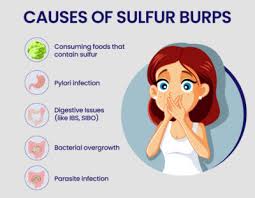
The most common reason burps smell like rotten eggs is eating foods that are high in sulfur. When gut bacteria break down these foods, they release hydrogen sulfide gas as a direct byproduct.
High-sulfur foods are found across nearly every food group. Proteins like red meat, eggs, and seafood are common triggers. Cruciferous vegetables like broccoli, cauliflower, cabbage, Brussels sprouts, and kale are also major contributors.
Aromatics like garlic, onions, and leeks contain sulfur compounds that are particularly potent. Dairy products, beer, and wine round out the most frequently cited dietary triggers.
Reason 2 — Eating Too Quickly or Swallowing Air
Eating fast causes you to swallow excess air alongside your food. This air mixes with digestive gases in your stomach and gets expelled as a burp.
When this swallowed air combines with hydrogen sulfide gas already present in the gut, the resulting burp carries the rotten egg odor.
Eating slowly, chewing thoroughly, and avoiding carbonated drinks and chewing gum can significantly reduce this effect.
Reason 3 — Gastroesophageal Reflux Disease (GERD)
GERD is a condition where stomach acid flows backward into the esophagus. This acid reflux disrupts normal digestion and creates an environment where hydrogen sulfide gas can accumulate.
People with GERD often experience sulfur burps alongside heartburn, chest discomfort, and a sour taste in the mouth. The backflow of stomach contents also carries gas upward with it.
If your sulfur burps come with regular heartburn — more than three or four times per week — GERD is a likely underlying cause worth discussing with a doctor.
Reason 4 — H. Pylori Bacterial Infection
Helicobacter pylori, commonly called H. pylori, is a bacteria that infects the stomach lining. It is found in nearly half the world’s population but only some people develop symptoms.
H. pylori directly produces hydrogen sulfide and other sulfuric compounds as part of its metabolic activity. This makes it a direct pathogenic cause of burps that smell like rotten eggs.
Other symptoms of H. pylori infection include bloating, nausea, stomach pain, and frequent heartburn. A doctor can diagnose it with a breath test, stool test, or endoscopy.
Reason 5 — Small Intestinal Bacterial Overgrowth (SIBO)
SIBO occurs when bacteria that normally live in the large intestine migrate to and overgrow in the small intestine. This causes premature fermentation of food, producing large amounts of gas including hydrogen sulfide.
Hydrogen sulfide SIBO is a recognized subtype specifically associated with foul-smelling gas, sulfur burps, bloating, and diarrhea.
SIBO is diagnosed with a breath test and treated with targeted antibiotics alongside dietary modifications.
Reason 6 — Irritable Bowel Syndrome (IBS)
IBS is one of the most common gastrointestinal conditions and is strongly linked to sulfur burps. People with IBS often have an altered gut microbiome with higher-than-normal levels of hydrogen sulfide-producing bacteria.
IBS symptoms include abdominal pain, bloating, constipation, diarrhea, or alternating between the two — frequently alongside foul-smelling burps and flatulence.
If sulfur burps are a recurring part of broader digestive discomfort, IBS may be the underlying driver.
Reason 7 — Inflammatory Bowel Disease (IBD)
IBD, which includes Crohn’s disease and ulcerative colitis, causes chronic inflammation of the gastrointestinal tract. This inflammation disrupts normal digestion and increases hydrogen sulfide production.
Both conditions are associated with elevated concentrations of hydrogen sulfide in the digestive tract. Sulfur burps are one of many digestive symptoms people with IBD experience.
IBD requires formal medical diagnosis and ongoing management. It is different from IBS and involves structural damage to the gut lining.
Reason 8 — Food Intolerances
Lactose intolerance, fructose malabsorption, and celiac disease all impair the gut’s ability to properly digest certain compounds. When these compounds remain undigested, gut bacteria ferment them and produce excess gas.
People with lactose intolerance who eat dairy products, or those with celiac disease who consume gluten, often notice significantly worse sulfur burps after exposure to their trigger foods.
Identifying and eliminating intolerance triggers can dramatically reduce rotten-egg burping in these cases.
Reason 9 — Medications
Certain medications alter the balance of gut bacteria or slow down digestive movement, leading to increased hydrogen sulfide production.
GLP-1 receptor agonists — weight loss and diabetes medications including Ozempic, Mounjaro, and Wegovy — slow gastric emptying. When food stays in the stomach longer, bacteria have more time to ferment it and produce sulfuric gas.
Antibiotics disrupt the gut microbiome, which can temporarily increase sulfur-producing bacteria. Iron supplements and high-dose protein powders are also commonly cited triggers.
Reason 10 — Food Poisoning and Gut Infections
A stomach infection, food poisoning, or parasite like Giardia can cause sudden, intense sulfur burps often paired with nausea, vomiting, and diarrhea.
These infections introduce foreign organisms that produce hydrogen sulfide directly or disrupt normal gut bacteria dramatically.
Sulfur burps from food poisoning typically resolve within a few days. If symptoms are severe or last more than 48 hours, medical evaluation is recommended.
Reason 11 — Stress and Anxiety
Stress has a measurable impact on gut function. The gut-brain connection means that chronic stress slows digestion, increases gut permeability, and alters the balance of gut bacteria.
These changes can raise hydrogen sulfide production and make existing digestive issues — including sulfur burps — noticeably worse.
Managing stress through regular exercise, sleep hygiene, and mindfulness practices can indirectly help reduce foul-smelling burps.
Reason 12 — Slow Digestion and Gastroparesis
Gastroparesis is a condition in which the stomach empties much more slowly than normal. This delayed emptying allows food to sit and ferment longer, producing more sulfuric gas.
Even without a formal diagnosis of gastroparesis, slow digestion from sedentary habits, large meals, or eating right before bed can have a similar effect.
Eating smaller meals, avoiding lying down after eating, and taking a short walk after meals all help speed up gastric emptying naturally.
High-Sulfur Foods That Commonly Trigger Rotten Egg Burps
| Food Category | Common Triggers |
|---|---|
| Proteins | Eggs, red meat, pork, seafood, poultry |
| Cruciferous vegetables | Broccoli, cauliflower, Brussels sprouts, cabbage, kale |
| Aromatics | Garlic, onions, leeks, shallots, chives |
| Dairy | Milk, cheese, butter, cream |
| Legumes | Beans, lentils, chickpeas |
| Drinks | Beer, wine, whey protein shakes |
| Other | Processed meats, high-sulfur protein powders, dried fruit |
What Do Sulfur Burps With Diarrhea Mean?
When sulfur burps come together with diarrhea, it often points to a gastrointestinal infection, food poisoning, or a chronic condition like IBS, IBD, or SIBO.
The combination of both symptoms means the entire digestive tract is being disrupted — not just the stomach. Gas production is elevated throughout the gut.
If sulfur burps and diarrhea occur simultaneously and are severe, accompanied by fever, or last more than 48 hours, seek medical attention promptly.
Sulfur Burps and Medications — The GLP-1 Connection
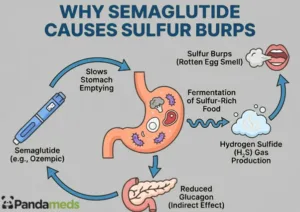
One of the fastest-growing causes of sulfur burps in recent years is the use of GLP-1 receptor agonist medications. Ozempic, Wegovy, and Mounjaro all work by slowing how quickly food leaves the stomach.
This delayed gastric emptying gives gut bacteria more time to ferment food and produce hydrogen sulfide. Approximately 3 percent of Mounjaro users report burping as a documented side effect.
If you are on a GLP-1 medication and experiencing rotten-egg burps, speak to your prescriber about meal timing, portion sizes, and whether dietary adjustments can reduce the symptom.
Causes at a Glance
| Cause | Key Symptoms Alongside Sulfur Burps | Urgency |
|---|---|---|
| High-sulfur diet | No other symptoms | Low — dietary change needed |
| GERD | Heartburn, acid taste, chest discomfort | Moderate — see doctor if frequent |
| H. pylori infection | Stomach pain, nausea, bloating | Moderate — needs testing |
| SIBO | Bloating, diarrhea, gas after eating | Moderate — breath test needed |
| IBS | Abdominal pain, irregular bowel habits | Moderate — ongoing management |
| IBD | Bloody stool, weight loss, fatigue | High — see doctor promptly |
| Food poisoning | Vomiting, diarrhea, fever | High if severe — seek medical care |
| GLP-1 medications | Nausea, fullness, slow digestion | Low to moderate — discuss with prescriber |
| Food intolerance | Bloating after specific foods | Low — identify and eliminate trigger |
| Stress | General digestive discomfort | Low — lifestyle management |
How to Get Rid of Sulfur Burps Fast
There are several effective approaches to reducing sulfur burps quickly, depending on the cause.
Dietary Changes
The fastest fix for most people is cutting back on high-sulfur foods. Try eliminating eggs, red meat, garlic, onions, and cruciferous vegetables for a few days and note whether the smell improves.
Keep a food diary for one week. Write down everything you eat and when sulfur burps occur. Patterns will emerge quickly, pointing you to your personal triggers.
Smaller, more frequent meals are easier for the gut to process and produce less gas than one or two large meals per day.
Stay Hydrated
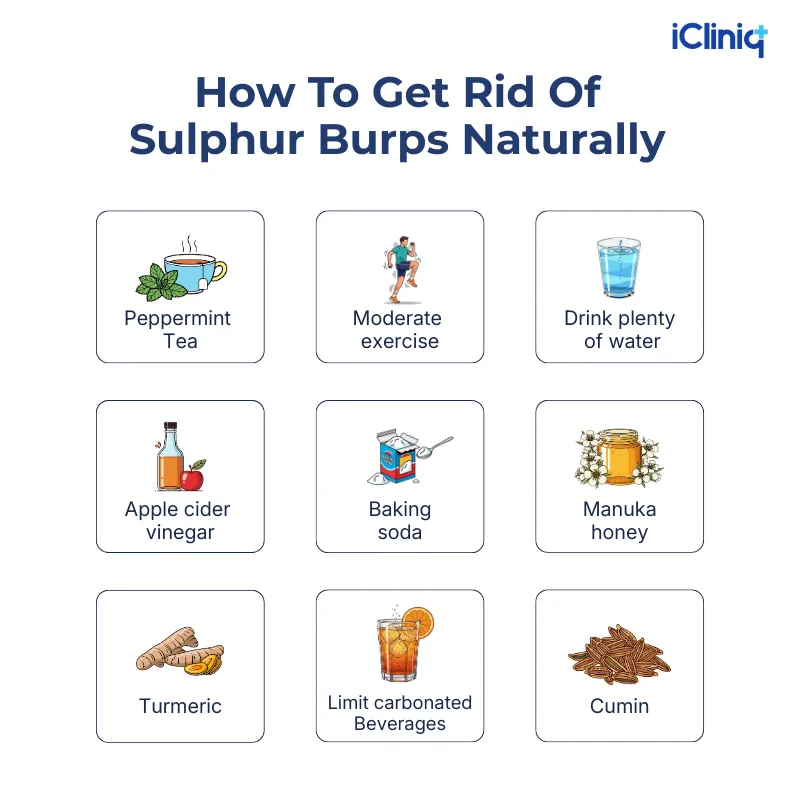
Water is required at every stage of digestion. Not drinking enough slows digestion, increases fermentation time, and raises gas production.
Aim for at least 8 cups of water per day. Sipping water throughout the day — rather than drinking large amounts at once — supports steady digestion.
Avoid carbonated beverages, which introduce extra gas directly into your digestive system.
Over-the-Counter Remedies
Several OTC medications can help reduce sulfur burps:
Simethicone (Gas-X) helps gas bubbles in the gut break apart and pass through more easily. Bismuth subsalicylate (Pepto-Bismol) reduces the odor of hydrogen sulfide by binding with it in the gut. Antacids may help if GERD is contributing.
Proton pump inhibitors (PPIs) like omeprazole can reduce acid reflux-related sulfur burps if taken regularly as directed.
Natural and Home Remedies
Peppermint tea relaxes the muscles of the digestive tract and reduces gas buildup. Chamomile tea has similar soothing properties.
Ginger — fresh, in tea, or as a supplement — has been shown to support gastric motility and reduce nausea and bloating. Green tea may promote digestion and help balance gut bacteria.
Manuka honey has demonstrated antimicrobial properties against H. pylori and other gut bacteria in research studies.
Turmeric and cumin have both shown benefit for reducing IBS symptoms and digestive discomfort in multiple studies.
Physical Habits That Help
Walking for 10 to 20 minutes after meals significantly improves gastric emptying. This reduces the time food has to ferment in the stomach.
Sitting upright after eating — rather than lying down — prevents acid reflux and slows the upward movement of gas. Avoid eating within two to three hours of bedtime.
Chewing food thoroughly reduces the amount of work your stomach has to do and decreases the amount of air swallowed with each bite.
Probiotic Considerations
Probiotics can help restore healthy gut bacteria balance and reduce hydrogen sulfide production over time. However, not all probiotic strains are equally helpful.
Lactobacillus acidophilus is generally considered safe and beneficial for sulfur burps. Some strains, however, may feed sulfur-producing bacteria and make things worse.
Start with a well-researched, single-strain probiotic and monitor your response for two to four weeks before drawing conclusions.
When to See a Doctor
Occasional sulfur burps are not a medical concern. However, there are specific circumstances where you should seek professional evaluation.
See a doctor if you experience sulfur burps more than three times per week over a sustained period. Also seek medical advice if your sulfur burps are accompanied by any of the following:
Unexplained weight loss, persistent nausea or vomiting, blood in your stool, severe or worsening abdominal pain, a high fever, or signs of dehydration such as dizziness and reduced urination.
These symptoms can indicate H. pylori infection, SIBO, IBD, or other conditions that require specific diagnosis and treatment rather than home management.
What a Doctor Will Do
A doctor evaluating persistent sulfur burps will typically begin with a physical examination and a review of your medical and dietary history.
Depending on their findings, they may order a breath test for H. pylori or SIBO, stool tests for infection or inflammation, blood work for celiac disease or IBD markers, or an endoscopy if structural problems are suspected.
Treatment will be targeted to the specific cause — antibiotics for H. pylori or SIBO, PPIs for GERD, dietary protocols for intolerances, or ongoing management plans for IBS or IBD.
Medical Treatments for Underlying Causes
| Condition | Treatment Approach |
|---|---|
| H. pylori | Triple therapy — two antibiotics plus a proton pump inhibitor |
| SIBO | Targeted antibiotics (rifaximin) plus dietary changes |
| GERD | Lifestyle modifications, antacids, H2 blockers, or PPIs |
| IBD | Anti-inflammatory medications, biologics, dietary management |
| Food intolerance | Eliminate the trigger food; enzyme supplements in some cases |
| IBS | Low-FODMAP diet, probiotics, stress management, antispasmodics |
| Giardia parasite | Antiparasitic medications — metronidazole or tinidazole |
Can Sulfur Burps Be a Sign of Something Serious?
In most cases, no. Diet is the number one cause and it resolves quickly with dietary changes.
However, sulfur burps can occasionally be a symptom of more serious underlying conditions including chronic infections, IBD, or rarely, cancers that affect digestive motility and bowel emptying.
This is why persistent or worsening sulfur burps — especially when accompanied by other symptoms — warrant professional evaluation rather than indefinite self-management.
Sulfur Burps in Children
Children can experience sulfur burps for many of the same reasons as adults. Dietary triggers, gut infections, and food intolerances are the most common causes in younger patients.
If a child is experiencing frequent sulfur burps with abdominal pain, vomiting, or diarrhea, consult a pediatrician. H. pylori infection is possible in children and can be tested for and treated effectively.
Never give children adult OTC remedies like bismuth subsalicylate without first consulting a healthcare provider.
Lifestyle Summary — What Actually Works
| Habit | Benefit |
|---|---|
| Eat smaller, frequent meals | Reduces fermentation time in the stomach |
| Chew food slowly and thoroughly | Reduces swallowed air |
| Walk after meals | Speeds gastric emptying |
| Avoid high-sulfur food triggers | Directly reduces H2S production |
| Stay well hydrated | Supports steady digestion |
| Reduce carbonated drinks | Lowers excess gas intake |
| Take simethicone or Pepto-Bismol | Fast symptom relief |
| Drink peppermint or ginger tea | Soothes gut, reduces gas buildup |
| Keep a food diary | Identifies personal triggers accurately |
| Manage stress | Reduces gut-brain disruption |
Frequently Asked Questions (FAQs)
Why do my burps smell like rotten eggs?
Rotten egg burps are caused by hydrogen sulfide gas produced when gut bacteria break down sulfur-rich foods. It is usually harmless and linked to diet or a digestive imbalance.
Is it normal for burps to smell like sulfur?
Occasional sulfur burps after eating high-sulfur foods are completely normal. Frequent sulfur burps occurring multiple times per week may indicate an underlying digestive condition.
What foods cause sulfur burps?
The main culprits are eggs, red meat, garlic, onions, broccoli, cauliflower, Brussels sprouts, dairy products, legumes, and alcohol. Reducing these foods usually reduces rotten-egg burping quickly.
Can GERD cause burps that smell like rotten eggs?
Yes. GERD causes stomach contents and gas to flow back into the esophagus. This gas often carries hydrogen sulfide, producing the characteristic rotten egg smell during burping.
What does it mean if my sulfur burps come with diarrhea?
Sulfur burps paired with diarrhea often point to a gut infection, food poisoning, IBS, IBD, or SIBO. If both symptoms are severe or last more than 48 hours, see a doctor.
Can medications cause burps that smell like rotten eggs?
Yes. GLP-1 medications like Ozempic and Mounjaro slow stomach emptying, increasing fermentation and gas. Antibiotics and iron supplements can also alter gut bacteria and trigger sulfur burps.
How do I stop sulfur burps quickly?
Take bismuth subsalicylate (Pepto-Bismol) or simethicone (Gas-X), drink peppermint or ginger tea, walk after eating, and avoid high-sulfur foods. These steps can provide noticeable relief within hours.
Could H. pylori be causing my rotten egg burps?
Yes. H. pylori bacteria directly produce hydrogen sulfide in the stomach. If sulfur burps are frequent and come with nausea, bloating, or stomach pain, ask your doctor for an H. pylori test.
When should I see a doctor for sulfur burps?
See a doctor if sulfur burps occur more than three times a week, or if they are accompanied by weight loss, blood in the stool, severe abdominal pain, fever, or persistent vomiting.
Do probiotics help with sulfur burps?
Some do. Lactobacillus acidophilus is generally considered helpful for restoring gut balance and reducing hydrogen sulfide production. Avoid random multi-strain probiotics without checking that no strains worsen sulfur production.
Conclusion
Why do my burps smell like rotten eggs is a question with a clear and well-understood answer.
Hydrogen sulfide gas — produced when gut bacteria break down sulfur-containing compounds — is the direct cause of that foul, egg-like odor.
In the majority of cases the trigger is dietary, and simply reducing high-sulfur foods like eggs, garlic, red meat, and cruciferous vegetables will resolve the problem within a day or two.
When sulfur burps are frequent, persistent, or accompanied by other digestive symptoms, conditions like GERD, H.
pylori infection, SIBO, IBS, or IBD may be the underlying cause and benefit from professional diagnosis.
Over-the-counter remedies, natural teas, hydration, and mindful eating habits all offer practical relief.
The key is understanding whether your sulfur burps are a one-off dietary reaction or a pattern that deserves medical attention.