Why Do My Legs Feel Heavy and Weak? Causes & Fixes 2026
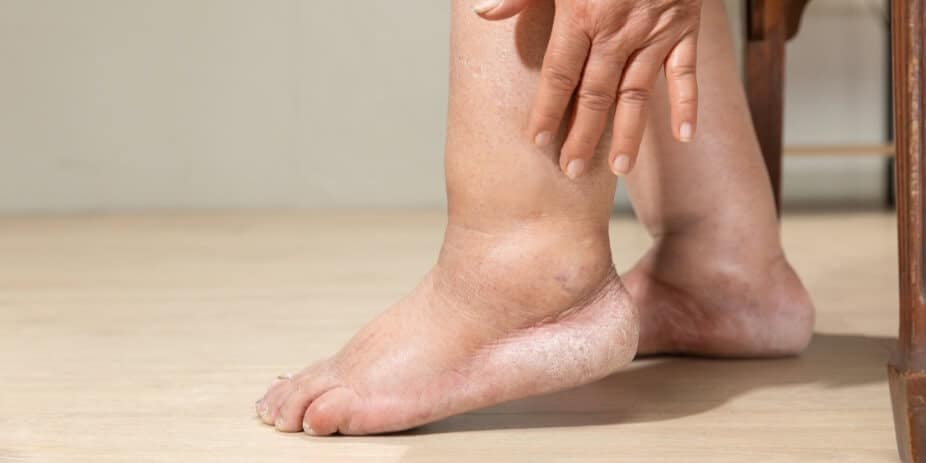
Why do my legs feel heavy and weak? If this question is running through your mind, you are far from alone.
Millions of people experience this frustrating sensation daily, sometimes after long hours on their feet, sometimes for no obvious reason at all.
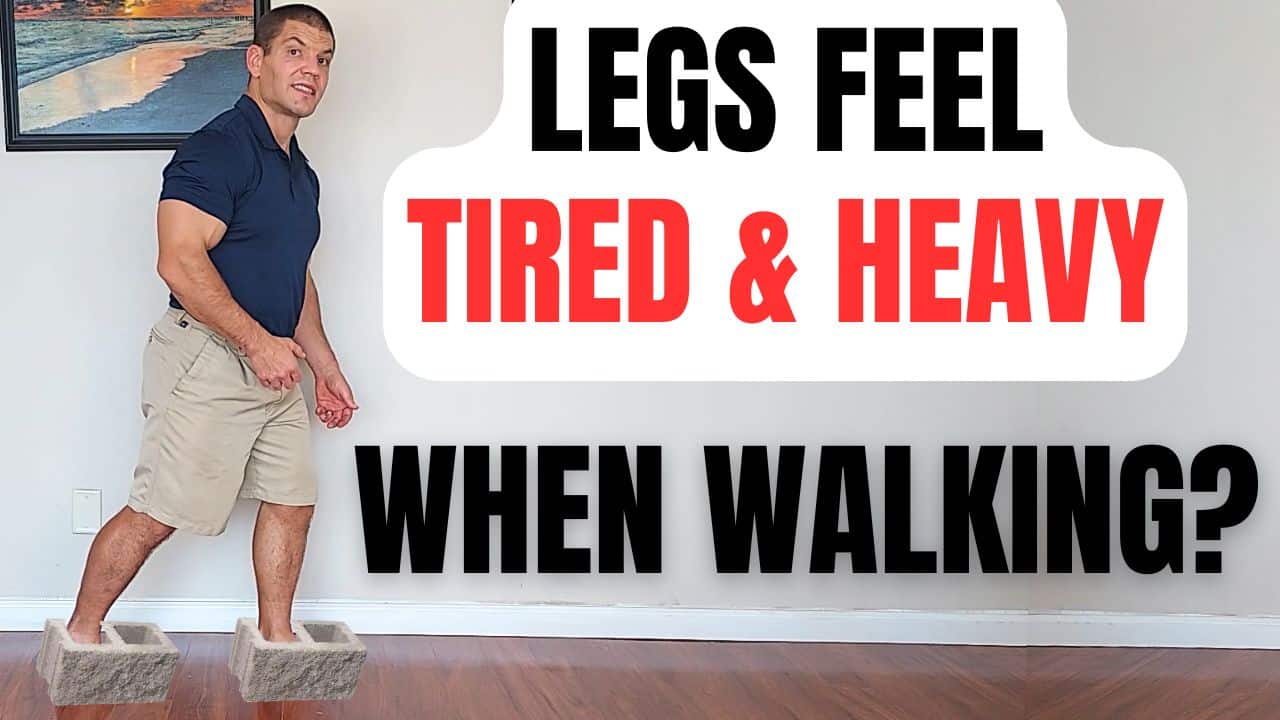
The feeling ranges from a mild dragging tiredness to a cement-block heaviness that makes climbing stairs or getting off the sofa feel like a serious effort.
The causes range from simple lifestyle factors to significant vascular and neurological conditions.
Heavy vs Weak Legs: Understanding the Difference
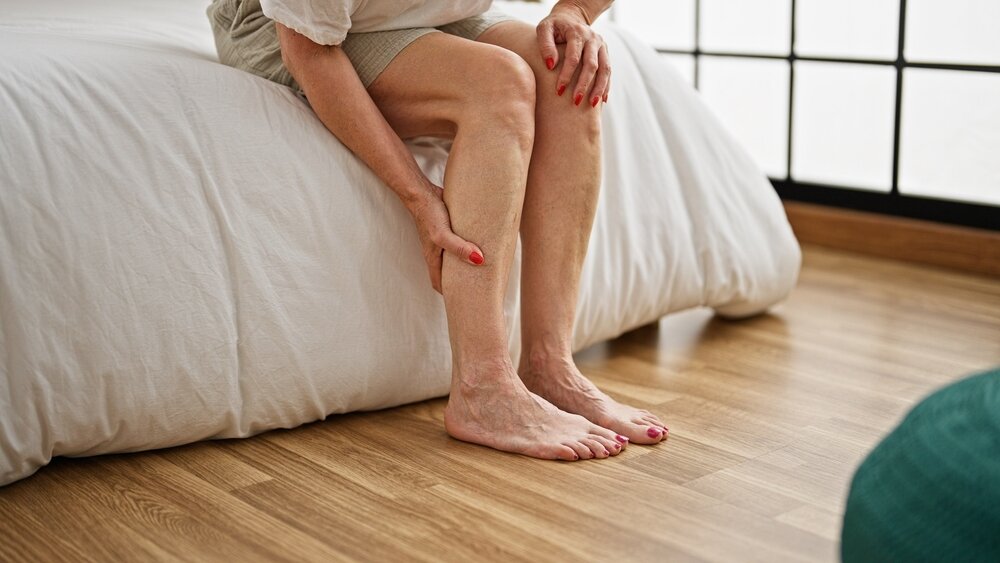
Before jumping to causes, it helps to clarify the distinction between these two sensations, because they often point to different underlying problems.
Heavy legs feel like there is a weight attached to them. Every step takes more effort than it should. The sensation is often worse at the end of the day, after prolonged sitting or standing, and in warm weather. It is commonly associated with vascular issues such as venous insufficiency or fluid retention.
Weak legs involve an actual reduction in muscle strength. You may struggle to stand from a chair, feel your legs might give out, or notice difficulty climbing stairs. True weakness is more likely associated with neurological problems, nutritional deficiencies, or musculoskeletal conditions.
Many people experience both sensations simultaneously. Heavy legs that have been present for a long time can also develop into functional weakness as muscles are deprived of oxygen-rich blood or nerve signals.
Why Do My Legs Feel Heavy and Weak? All the Causes
There is no single cause. The following sections cover every major category, from the most common to the most serious.
Chronic Venous Insufficiency (CVI)
Chronic venous insufficiency is one of the most common medical reasons for heavy, aching legs. It occurs when the one-way valves inside the leg veins stop working properly.
Normally, these valves prevent blood from flowing backward as it travels up toward the heart. When they are damaged or weakened, blood pools in the lower legs. That accumulated blood raises internal pressure in the veins, causing the tissue around them to feel heavy, swollen, and achy, especially by the end of the day.
CVI is often accompanied by visible varicose veins, ankle swelling, itching or discolored skin near the ankle, and nighttime leg cramps. However, it can exist without visible veins at all.
Who is at risk: People who spend long hours standing or sitting, those who are overweight, women who have been pregnant, and people over 50 are at significantly higher risk.
Poor Circulation
Beyond CVI, general poor circulation from any cause reduces the oxygen and nutrient supply reaching the leg muscles. When muscles do not receive adequate blood flow, they fatigue quickly and feel heavy or weak even with minimal activity.
Sitting at a desk for hours, long-distance travel, and sedentary lifestyle all reduce circulation temporarily. Over time, chronic poor circulation contributes to permanent vascular changes.
Moving regularly, even brief walks every hour, is the most effective way to counteract circulation-related leg heaviness throughout the day.
Peripheral Artery Disease (PAD)
Peripheral artery disease is a condition in which the arteries supplying blood to the legs become narrowed, usually due to plaque buildup (atherosclerosis). The narrowed arteries restrict blood flow, particularly during physical activity when muscles demand more oxygen.
The hallmark symptom of PAD is claudication, a cramping pain or weakness in the legs that starts when walking and disappears within minutes of rest. In more advanced cases, legs may feel heavy and weak even at rest.
PAD is a serious condition associated with an elevated risk of heart attack and stroke because the same arterial disease usually affects the entire cardiovascular system.
Risk factors: Smoking, diabetes, high blood pressure, high cholesterol, and age over 50 are the primary risk factors for PAD.
Varicose Veins
Varicose veins are enlarged, twisted veins that develop just beneath the skin surface, most commonly in the legs. They occur when vein wall weakness allows blood to pool rather than flow efficiently back to the heart.
Beyond the cosmetic appearance, varicose veins cause a heavy, aching, or throbbing sensation in the legs. Symptoms are typically worst after prolonged standing and improve with elevation or walking.
Many people dismiss varicose veins as a purely cosmetic issue, but persistent symptoms are a sign that venous function is genuinely compromised and should be evaluated by a vascular specialist.
Muscle Fatigue and Overexertion
The simplest cause of heavy, weak legs is muscle fatigue from physical activity. When muscles are pushed beyond their current capacity, whether through a long run, heavy lifting, or extended periods of walking, they accumulate metabolic waste products and temporarily lose strength.
This type of fatigue is normal and expected. It typically resolves within 24 to 72 hours with rest, hydration, and adequate nutrition.
However, if leg fatigue is disproportionate to the activity performed, or if recovery takes longer than normal, it suggests a contributing factor beyond simple exertion.
Restless Legs Syndrome (RLS)
Restless legs syndrome is a neurological condition characterized by an irresistible urge to move the legs, usually accompanied by uncomfortable sensations described as creeping, tingling, or aching. Symptoms are worst at rest, particularly in the evening and at night.
RLS disrupts sleep significantly. The resulting chronic sleep deprivation contributes to daytime leg heaviness and weakness. Many people with RLS describe their legs as feeling both tired and restless at the same time.
RLS has associations with iron deficiency, kidney disease, pregnancy, and certain medications. It is underdiagnosed and frequently mistaken for cramps or general leg tiredness.
Dehydration and Electrolyte Imbalance
Muscles are approximately 75% water, and they depend on electrolytes such as potassium, magnesium, sodium, and calcium to contract and relax properly. When fluid or electrolyte levels drop, muscles lose their ability to generate force efficiently.
Dehydration causes legs to feel heavy, achy, and weak even without significant physical activity. Cramping is common. Hot weather, alcohol consumption, excessive caffeine, and insufficient water intake are the most common triggers.
Magnesium deficiency in particular is closely associated with leg heaviness, cramping, and restless sensations. Potassium deficiency causes true muscle weakness that can affect the legs significantly.
Nutritional Deficiencies
Several specific nutritional deficiencies directly cause leg weakness and heaviness, and they are more common than most people realize.
Vitamin B12 deficiency damages the protective myelin sheath around nerve fibers, disrupting signal transmission between the brain and legs. This produces weakness, numbness, and a heavy or unsteady feeling in the legs. B12 deficiency is particularly common in people who follow plant-based diets, those over 60, and people taking metformin for diabetes.
Vitamin D deficiency impairs muscle function independently of bone effects. Low vitamin D is strongly associated with proximal muscle weakness, meaning difficulty with movements that use large muscle groups like the thighs and hips. Climbing stairs and rising from a seated position become noticeably harder.
Iron deficiency reduces the blood’s ability to carry oxygen to working muscles. Even without full anemia, low iron stores cause chronic fatigue and leg weakness that is disproportionate to activity levels.
Magnesium deficiency causes muscle cramps, spasms, and the characteristic heavy, restless sensation in the legs, especially at night.
Spinal and Nerve Compression
The nerves that control leg muscles originate in the lower spine. When these nerves are compressed by a herniated disc, bone spur, or spinal stenosis (narrowing of the spinal canal), the signals traveling to the leg muscles are disrupted.
This produces weakness, numbness, heaviness, or a pins-and-needles sensation that often radiates from the lower back through the buttock and down one or both legs. This pattern is called sciatica when it involves the sciatic nerve.
Spinal stenosis is particularly common in people over 60 and typically causes symptoms that worsen with walking and improve when sitting or bending forward.
Multiple Sclerosis (MS)
Multiple sclerosis is an autoimmune disease in which the immune system attacks the myelin sheaths around nerve fibers in the brain and spinal cord. Leg heaviness and weakness are among the most common symptoms of MS, often appearing early in the course of the disease.
MS-related leg symptoms can fluctuate, becoming worse with heat (a phenomenon called Uhthoff’s phenomenon) or during a relapse. They may affect one leg more than the other, or both legs simultaneously.
MS is most commonly diagnosed between ages 20 and 50, and it is more common in women. Any unexplained leg weakness in this age group that comes and goes warrants neurological evaluation.
Hypothyroidism
An underactive thyroid gland produces insufficient thyroid hormone, which is essential for normal muscle function and metabolism. Hypothyroidism causes generalized fatigue, muscle weakness, and a heavy, sluggish feeling that affects the entire body, including the legs.
Other signs of hypothyroidism include unexplained weight gain, cold sensitivity, dry skin, constipation, and cognitive slowing. It is diagnosed with a simple blood test (TSH level) and is highly treatable with daily thyroid hormone replacement.
Deep Vein Thrombosis (DVT)
Deep vein thrombosis is a blood clot that forms in a deep vein, usually in the calf or thigh. It can cause sudden, significant swelling, warmth, redness, and aching in one leg, along with a heavy or tight sensation in the affected limb.
DVT is a medical emergency because the clot can break free and travel to the lungs, causing a pulmonary embolism, which can be fatal. Sudden unexplained swelling and pain in one leg, particularly after surgery, a long flight, or prolonged bed rest, requires immediate medical evaluation.
Pregnancy
Pregnant women commonly experience heavy, tired, and swollen legs throughout pregnancy, particularly in the second and third trimesters. The growing uterus compresses the pelvic veins, restricting blood return from the legs. Hormonal changes also relax vein walls, reducing their efficiency.
The additional body weight increases mechanical load on leg muscles and joints. Water retention, which is normal in pregnancy, adds to the sensation of heaviness.
Leg heaviness in pregnancy is usually manageable with elevation, compression stockings, regular gentle movement, and rest. However, sudden severe swelling in one leg warrants immediate assessment to rule out DVT.
Anxiety and Chronic Stress
Chronic anxiety keeps the nervous system in a sustained state of activation. One physical consequence is chronic muscle tension throughout the body, including the legs. Prolonged muscle tension is fatiguing and creates a persistent feeling of heaviness and weakness that has no obvious physical cause.
Anxiety also disrupts sleep, and chronic sleep deprivation independently causes generalized muscle weakness and fatigue. People with anxiety disorders frequently report their legs feeling heavy, shaky, or unreliable without any structural problem being found on investigation.
Symptom Timing: Matching When It Happens to What It Means
When the heaviness and weakness occurs throughout the day is one of the most useful clues to its cause.
| When Symptoms Occur | Most Likely Cause |
|---|---|
| Worse by end of day, better in morning | Chronic venous insufficiency, varicose veins |
| Appears during walking, improves with rest | Peripheral artery disease (claudication) |
| At night when resting, with urge to move | Restless legs syndrome |
| After long sitting or standing | Poor circulation, muscle fatigue |
| Morning stiffness and all-day heaviness | Hypothyroidism, nutritional deficiency |
| Comes and goes, worse with heat | Multiple sclerosis |
| One leg, with swelling and warmth | Deep vein thrombosis — seek urgent care |
| After intense exercise, resolves in 48 hours | Normal muscle fatigue |
| During pregnancy, both legs | Pregnancy-related venous changes |
Risk Factors That Make Heavy Weak Legs More Likely
Several personal characteristics significantly raise the probability of developing this symptom. Knowing your risk helps prioritize when to seek evaluation.
| Risk Factor | Conditions It Predisposes To |
|---|---|
| Age over 50 | CVI, PAD, spinal stenosis, hypothyroidism |
| Prolonged sitting or standing at work | Venous insufficiency, poor circulation |
| Overweight or obese | CVI, varicose veins, PAD, joint strain |
| Smoking | PAD, DVT, vascular disease |
| Diabetes | PAD, peripheral neuropathy |
| Pregnancy | Venous insufficiency, DVT, fluid retention |
| Plant-based diet (vegan/vegetarian) | Vitamin B12 deficiency, iron deficiency |
| Age 20–50, female | Multiple sclerosis, iron deficiency |
| Family history of vein disease | Varicose veins, CVI |
| Recent surgery or prolonged immobility | DVT |
Proven Home Remedies and Self-Care Fixes
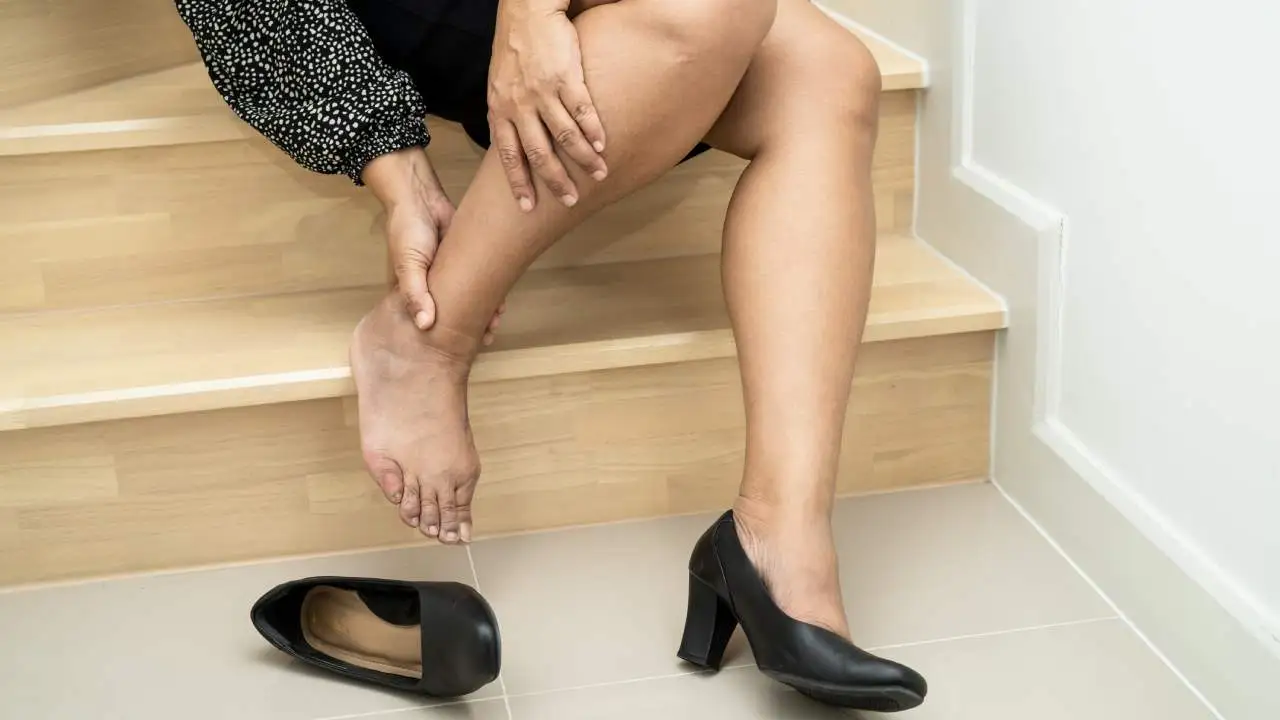
Many cases of heavy, weak legs respond well to lifestyle adjustments, particularly when the cause is venous, circulatory, or nutritional.
Leg Elevation
Raising the legs above the level of the heart for 15 to 20 minutes allows gravity to assist blood and fluid return from the lower limbs. This is one of the most immediately effective ways to reduce leg heaviness.
Lie flat on your back and rest your legs against the wall or on a stack of pillows. This position reduces the pressure inside leg veins and drains accumulated fluid from the tissues. Doing this once or twice daily provides meaningful relief from venous and circulatory causes.
Compression Stockings
Graduated compression stockings apply gentle external pressure that is greatest at the ankle and decreases moving up the leg. This mechanical support mimics the pumping action of healthy vein valves, reducing blood pooling and fluid accumulation.
Compression socks are one of the most evidence-supported interventions for CVI, varicose veins, and legs that become heavy with prolonged sitting or standing. They come in different compression levels; for medical conditions, a vascular specialist should recommend the appropriate strength.
Avoid them if peripheral artery disease is suspected without checking with a doctor first, as external compression can reduce arterial blood flow in PAD.
Regular Gentle Movement
Moving the legs activates the calf muscle pump, a natural mechanism in which calf muscles squeeze leg veins with every step, pushing blood upward toward the heart. Even brief walks every 45 to 60 minutes significantly improve venous return during a long workday.
If standing for long periods, shifting weight regularly, doing heel raises, or walking in place all activate the same pump mechanism. Ankle circles and calf pumps are effective even while seated at a desk.
Stay Hydrated
Drinking consistent amounts of water throughout the day maintains blood volume and prevents the muscle cramps and fatigue associated with dehydration. The general recommendation for most adults is 6 to 8 glasses daily, with more needed in hot weather or during physical activity.
Reducing alcohol and caffeine intake also helps, as both have diuretic effects that increase fluid loss and can worsen leg heaviness.
Address Nutritional Deficiencies
If heavy or weak legs persist despite good hydration and activity habits, ask your doctor for blood tests covering vitamin B12, vitamin D, iron stores (ferritin), and electrolyte levels (magnesium, potassium).
Addressing confirmed deficiencies with targeted supplementation or dietary changes often produces noticeable improvement in leg symptoms within weeks. Do not self-supplement high doses without testing, as some nutrients cause problems at excessive levels.
Reduce Sodium Intake
High sodium intake promotes fluid retention, which directly worsens leg swelling and heaviness. Reducing processed foods, fast foods, and canned goods, all of which are extremely high in sodium, reduces fluid retention notably.
Aim to keep daily sodium below 2,300 mg. Reading nutrition labels and cooking more meals from whole ingredients makes this achievable without major dietary overhaul.
Exercise Specifically for Leg Circulation
Beyond general walking, specific exercises strengthen the calf muscle pump and improve vascular function in the legs.
Calf raises, done standing at a counter or wall, strengthen the muscles that actively push blood upward in the veins. Ankle circles improve local circulation. Swimming and cycling are particularly beneficial because they work the leg muscles rhythmically while the horizontal or supported position reduces venous pressure simultaneously.
Yoga poses such as legs-up-the-wall (Viparita Karani) combine elevation with gentle circulation and are widely used for managing CVI-related leg heaviness.
When to See a Doctor
Home remedies are appropriate for mild, intermittent leg heaviness with a clear lifestyle cause. However, several situations require prompt professional evaluation.
See a Doctor Soon If You Have
- Heavy or weak legs that persist most days for more than two weeks despite rest and hydration
- Visible varicose veins with significant pain, swelling, or skin discoloration
- Leg heaviness significantly interfering with daily activities or sleep
- Symptoms that worsen progressively over weeks or months
- Unexplained weight gain, cold intolerance, or fatigue alongside leg symptoms (possible thyroid issue)
Seek Urgent or Emergency Care If You Have
- Sudden, severe swelling in one leg, especially with redness and warmth (possible DVT)
- Sudden leg weakness with any face drooping, arm weakness, or speech difficulty (possible stroke)
- New loss of bladder or bowel control alongside leg weakness (spinal emergency)
- Chest pain or difficulty breathing alongside one-sided leg swelling (possible pulmonary embolism)
- Leg pain that is severe, rapidly worsening, or accompanied by skin that turns white, blue, or cold
These emergency symptoms require a 999 or 911 call or immediate emergency department attendance. Do not wait to see if symptoms improve.
What a Doctor Will Do: Diagnosis Overview
When you present with heavy or weak legs, a doctor typically follows a systematic evaluation process.
Medical History and Physical Examination
The doctor will ask about when symptoms started, whether they are worse at specific times of day, any associated swelling or skin changes, and your medical history and medications. They will examine the legs for swelling, skin discoloration, visible veins, pulses, reflexes, and muscle strength.
Blood Tests
Depending on clinical suspicion, blood tests may include a full blood count (for anemia), ferritin (iron stores), vitamin B12 and D levels, thyroid function (TSH), blood glucose, magnesium, potassium, and inflammatory markers.
These results often identify nutritional or metabolic causes that would otherwise be missed.
Vascular Studies
If venous or arterial disease is suspected, a duplex ultrasound of the leg veins can identify reflux (backward flow) in CVI or varicose veins. An ankle-brachial index (ABI) test measures blood pressure differences between the arm and ankle and is the primary screening test for PAD.
Neurological Assessment
If nerve or spinal cord involvement is suspected, neve conduction studies, electromyography (EMG), or MRI of the spine may be ordered. For suspected MS, MRI of the brain and spinal cord is the gold-standard diagnostic test.
Treatments Based on Diagnosis
| Diagnosis | Medical Treatment Options |
|---|---|
| Chronic venous insufficiency | Compression, sclerotherapy, ablation, vein stripping |
| Varicose veins | Foam sclerotherapy, laser ablation, phlebectomy |
| Peripheral artery disease | Lifestyle change, statins, antiplatelet drugs, angioplasty |
| Deep vein thrombosis | Anticoagulant medications (blood thinners), urgent care |
| Nutritional deficiency | Targeted supplementation or dietary intervention |
| Hypothyroidism | Daily levothyroxine (thyroid hormone replacement) |
| Spinal stenosis or herniated disc | Physiotherapy, epidural injection, surgery if severe |
| Multiple sclerosis | Disease-modifying therapies, symptom management |
| Restless legs syndrome | Iron supplementation, dopamine agonists, lifestyle changes |
| Muscle fatigue | Rest, hydration, progressive exercise rehabilitation |
Heavy Weak Legs During Pregnancy: Special Considerations
Pregnancy places unique demands on the venous system of the legs. As the uterus grows, it presses on the inferior vena cava (the large vein draining blood from both legs), reducing return blood flow.
Progesterone relaxes vein walls, reducing their pumping efficiency. Fluid retention increases leg volume and the sensation of heaviness. By the third trimester, heavy, swollen legs are nearly universal.
Safe strategies during pregnancy include wearing medical-grade compression stockings from mid-pregnancy onward, sleeping on the left side to reduce pressure on the vena cava, elevating legs during rest periods, and swimming or gentle water exercise, which provides natural compression and supports venous return.
Sudden worsening in one leg during pregnancy should always be assessed to rule out pregnancy-associated DVT, which carries elevated risk during this period.
Frequently Asked Questions (FAQs)
Why do my legs feel heavy and weak when I wake up in the morning?
Morning heaviness that improves as you move around often points to fluid retention or venous insufficiency, as blood has pooled overnight. If it persists after moving, thyroid dysfunction or nutritional deficiency is worth investigating.
Can dehydration cause my legs to feel heavy and weak?
Yes. Muscles are mostly water and depend on electrolytes to contract properly. Even mild dehydration causes muscle weakness, cramping, and a heavy, fatigued feeling in the legs, particularly in warm weather or after exercise.
Is it normal for legs to feel heavy and weak after sitting all day?
It is common but not entirely normal. Prolonged sitting reduces blood flow through the leg veins, allowing blood to pool. Regular movement breaks every 45 to 60 minutes and compression socks during long sitting periods prevent this effectively.
Can a vitamin deficiency cause heavy and weak legs?
Yes, deficiencies in vitamin B12, vitamin D, iron, and magnesium are all well-documented causes of leg weakness and heaviness. A simple blood test from your doctor can identify which nutrients are low.
Could heavy weak legs be a sign of multiple sclerosis?
They can be, particularly if symptoms come and go, worsen in heat, or affect one leg more than the other in a younger adult. MS requires MRI and neurological evaluation for diagnosis. Not all heavy legs indicate MS, but unexplained neurological leg symptoms should be assessed.
What is the fastest way to relieve heavy tired legs at home?
Elevating your legs above heart level for 15 to 20 minutes provides immediate relief for venous causes. Combine this with a gentle calf massage, a large glass of water, and compression socks if you need to keep standing afterward.
When should I be worried about heavy weak legs?
Seek urgent care for sudden severe swelling, redness, or pain in one leg. See a doctor within a few days for heaviness that persists most days, worsens progressively, or comes with skin changes, significant swelling, or neurological symptoms like numbness.
Can anxiety make your legs feel heavy and weak?
Yes. Chronic anxiety sustains elevated muscle tension throughout the body, which causes physical fatigue. Sleep disruption from anxiety compounds this, producing genuine muscle weakness and heaviness with no structural cause.
Does peripheral artery disease cause heavy weak legs?
Yes. PAD reduces blood flow to the legs by narrowing the arteries. The hallmark is leg cramping or weakness that starts during walking and resolves with rest (claudication). PAD is a serious cardiovascular condition requiring medical evaluation and management.
Do compression socks actually help with heavy legs?
Yes, significantly, for venous causes. Graduated compression socks support the vein walls and reduce blood pooling, producing measurable reductions in leg heaviness, swelling, and discomfort. They are most effective when worn from the morning before symptoms develop, rather than after.
Conclusion
Why do my legs feel heavy and weak? As this guide demonstrates, the answer spans a wide spectrum, from entirely benign muscle fatigue and dehydration to significant vascular diseases, neurological conditions, and metabolic disorders.
The most common culprits are chronic venous insufficiency, poor circulation, peripheral artery disease, nutritional deficiencies, and simple muscle overexertion.
For most people, targeted home remedies including leg elevation, compression stockings, consistent hydration, and regular movement produce meaningful relief.
When symptoms persist beyond two weeks, worsen progressively, appear alongside skin changes or swelling, or include emergency warning signs such as one-sided leg swelling and chest pain, professional medical evaluation is essential.
Do not ignore persistent leg symptoms. Early diagnosis almost always leads to simpler, less invasive treatment and prevents more serious complications down the line.