Why Interior Design Is Interesting Mintpaldecor Guide 2026
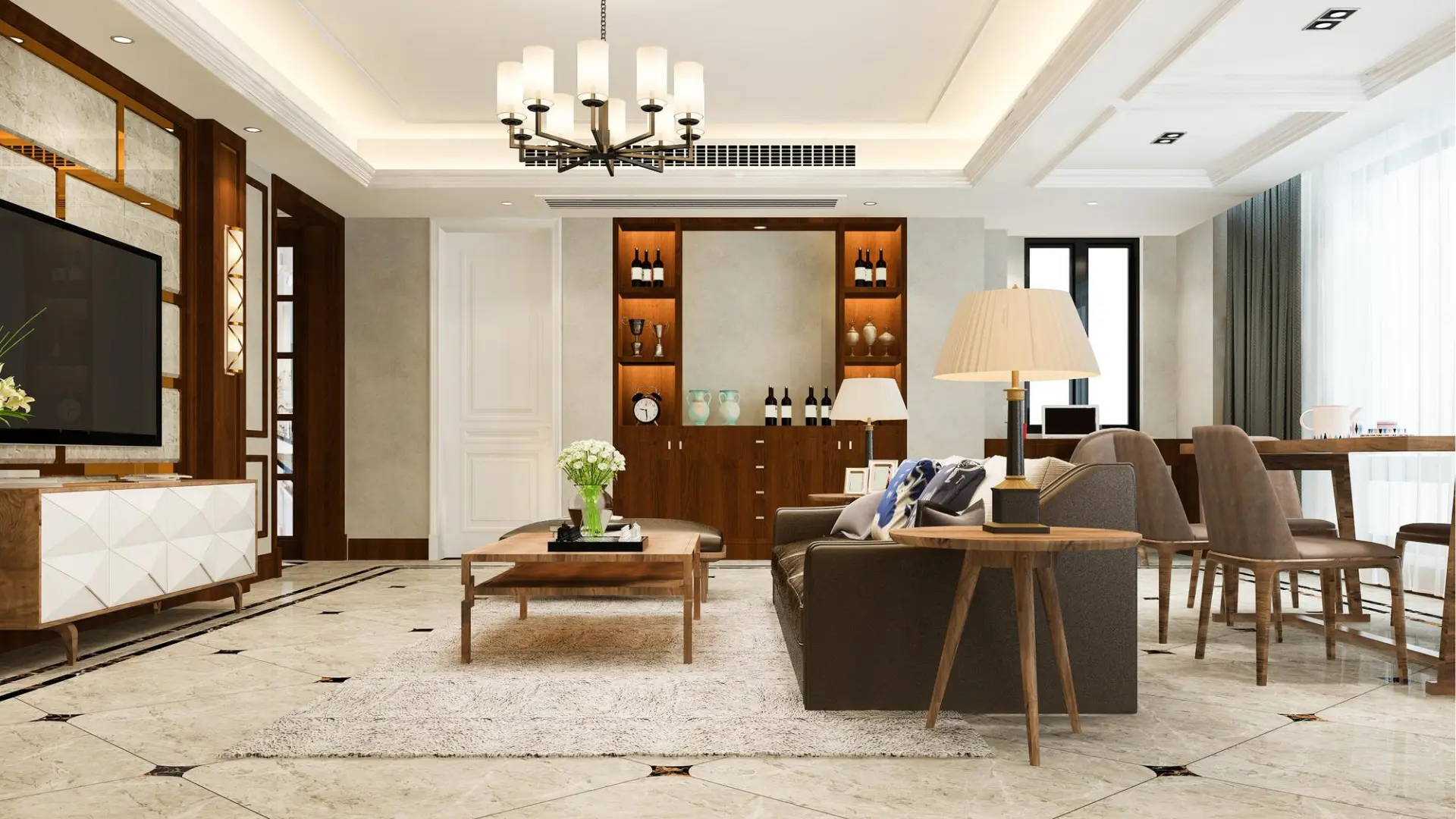
Why interior design is interesting mintpaldecor is a question that opens the door to one of the most layered, human-centered fields in the world.
Interior design is not just about choosing curtains or picking paint colors. It shapes how you feel the moment you walk into a room.
It controls your mood, energy levels, stress, creativity, and even your sleep quality.
In 2026, with more people investing in their home environments than ever before, interior design has become a powerful tool for living better.
At Mintpaldecor, we believe every space has a story to tell and every room has the potential to genuinely transform daily life.
Interior Design Is More Than Decoration
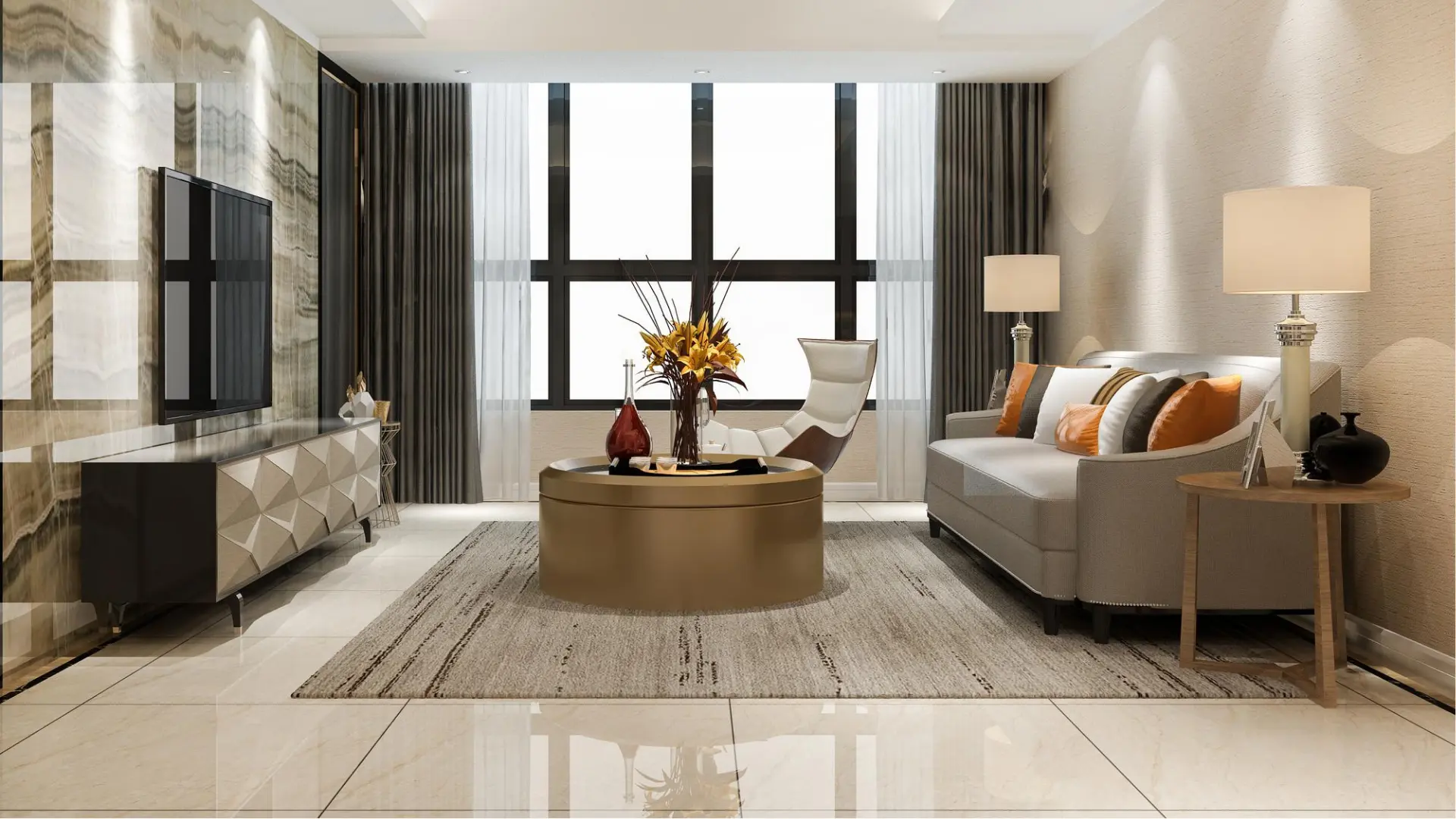
Most people still think interior design means choosing furniture and adding some throw pillows. It is far bigger than that.
Interior design combines spatial planning, color psychology, material science, human behavior, architecture, and cultural storytelling into one discipline. Every room is a problem to solve, and the solution must be beautiful, functional, and deeply personal all at once.
At its core, great interior design answers one question: how do we want to feel in this space? That question never gets old, and the answers are always different.
Why Interior Design Captivates So Many People
The field draws in so many people because it operates at the intersection of art and science. You are never doing only one thing. You are thinking about proportion, light, emotion, safety, sustainability, and identity at the same time.
Interior design offers immediate, tangible results. Unlike many creative fields where outcomes remain theoretical, a well-designed space delivers something you can walk into, sit in, and feel. That immediate feedback loop is deeply satisfying.
The Psychology of Space: How Design Shapes How You Feel
One of the most fascinating reasons why interior design is interesting mintpaldecor is the role of environmental psychology in every design decision.
Research consistently shows that the layout, lighting, color, and texture of a space directly influence mood, productivity, and emotional wellbeing. A cluttered, poorly lit room increases cortisol levels. A calm, well-organized space with natural light and warm tones genuinely lowers stress.
Interior designers are, in a very real sense, wellness professionals. Every decision they make has a psychological consequence for the person living inside the space.
Color Psychology: The Science Behind Every Palette Choice
Color is one of the most powerful tools in interior design. It is not merely decorative. It is a strategic instrument that shapes the entire atmosphere of a room.
Different colors produce measurably different psychological responses. Understanding this is what separates good interior design from great interior design.
| Color | Psychological Effect | Best Used In |
|---|---|---|
| Blue | Calm, focus, trust | Bedrooms, home offices |
| Green | Renewal, balance, nature | Living rooms, study spaces |
| Yellow | Energy, warmth, optimism | Kitchens, entryways |
| Red | Passion, appetite, vitality | Dining rooms, social spaces |
| White | Clarity, space, simplicity | Minimalist rooms, bathrooms |
| Charcoal/Deep tones | Sophistication, retreat, drama | Accent walls, luxury lounges |
| Earthy neutrals | Comfort, groundedness, timelessness | Any room, especially bedrooms |
How Mintpaldecor Approaches Color Selection
At Mintpaldecor, color is never chosen in isolation. It is always considered alongside light sources, material textures, room proportions, and the emotional intent of the space.
A deep charcoal wall can feel oppressive in a small room with no natural light. The same tone in a spacious room with warm ambient lighting creates a sophisticated retreat. Context changes everything.
Biophilic Design: Bringing Nature Indoors
Biophilic design is one of the most compelling reasons why interior design is interesting mintpaldecor in 2026. It is the practice of connecting indoor spaces to the natural world, and it has moved from trend to design standard.
Studies show that exposure to natural elements indoors reduces cortisol, lowers blood pressure, improves cognitive function, and enhances overall mood. A space with good biophilic design does not just look natural. It feels like a breath of fresh air.
What Biophilic Design Actually Looks Like
In 2026, biophilic design has moved well beyond a potted plant on a shelf. Designers now integrate nature as a structural and sensory element of the entire space.
Indoor plants are part of the architecture. Natural soundscapes, air-purifying systems, and maximized natural light are built into room planning from the beginning. Materials like raw wood, stone, bamboo, linen, and rattan bring organic texture to every surface.
The goal is not decoration. It is a genuine physical and psychological connection to the natural world.
Space Planning: The Invisible Art That Makes Everything Work
Most homeowners never think about space planning, yet it determines whether a room feels right or feels wrong even when everything in it looks beautiful individually.
Space planning is the strategic arrangement of furniture, pathways, and functional zones within a room. It considers traffic flow, sight lines, scale, proportion, and how people will actually use the space throughout the day.
A narrow living room that feels cramped and disconnected can be transformed entirely by repositioning seating, introducing vertical storage, and adjusting lighting. No structural changes needed. That kind of transformation makes interior design one of the most practically powerful fields available to homeowners.
Positive vs. Negative Space
Interior designers think in terms of positive and negative space. Positive space is occupied by objects. Negative space is intentionally left open.
The balance between the two defines whether a room breathes or suffocates. Too much furniture crowds the eye. Too much empty space feels cold. The art is in finding the right relationship between both.
Lighting Design: The Element That Changes Everything
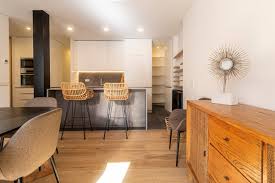
Lighting is arguably the single most transformative element in interior design. It can make a small room feel grand, a cold room feel warm, and a flat room feel layered and rich.
Most people treat lighting as an afterthought. Professional interior designers plan it as the foundation.
The Three Layers of Lighting
Good lighting design always includes three distinct layers working together:
Ambient lighting provides the overall base illumination for the entire room. Think ceiling fixtures, recessed lighting, or natural light from windows.
Task lighting is focused on specific activities. A reading lamp beside a chair, under-cabinet lights in the kitchen, or a desk lamp in a home office.
Accent lighting creates visual interest and drama. It highlights artwork, architectural features, or shelving. It is purely decorative and makes a huge difference to how layered and sophisticated a room feels.
Interior Design Styles: A World of Creative Choices
One of the most endlessly interesting aspects of interior design is the sheer variety of established design styles, each with its own philosophy, aesthetic language, and emotional character.
| Design Style | Core Characteristics | Mood It Creates |
|---|---|---|
| Minimalist | Clean lines, neutral tones, no clutter | Calm, clarity, focused |
| Maximalist | Bold patterns, layered textures, rich color | Energetic, expressive, joyful |
| Scandinavian | Light woods, functional beauty, cozy warmth | Simple, warm, comfortable |
| Bohemian | Mixed patterns, global influences, organic materials | Free-spirited, eclectic, personal |
| Industrial | Exposed metals, raw wood, concrete surfaces | Urban, bold, creative |
| Japandi | Japanese minimalism meets Scandinavian hygge | Serene, refined, grounded |
| Dark Luxury | Deep tones, rich textures, dramatic lighting | Sophisticated, bold, retreat-like |
| Coastal | Light fabrics, natural materials, blue and white | Relaxed, open, breezy |
No Style Is Right or Wrong
The beauty of interior design styles is that none of them is objectively correct. The right style is the one that matches how the people living in the space want to feel.
A successful interior does not have to follow one style perfectly. The most interesting spaces in 2026 blend influences, layering periods and aesthetics into something entirely personal.
Sustainable Interior Design: Where Ethics Meet Aesthetics
Sustainable interior design in 2026 is no longer just an ethical choice. It has become an aesthetic one. Eco-conscious materials are also some of the most beautiful materials available.
Reclaimed wood brings warmth, history, and character that new materials cannot replicate. Natural stone adds permanence and organic beauty. Bamboo, cork, linen, and recycled textiles bring texture and story to a space without environmental cost.
Why Sustainability Makes Design More Interesting
Designing sustainably forces creative problem-solving. When you cannot use cheap fast materials, you have to find alternatives that are better made, longer lasting, and more thoughtfully sourced.
This constraint does not limit creativity. It deepens it. Some of the most innovative and beautiful interiors in 2026 came directly from the challenge of designing sustainably.
Key Principles of Sustainable Interior Design
Reducing waste begins at the planning stage. Choosing materials with long lifespans avoids the cycle of replacement and landfill. Repurposing existing furniture through upcycling adds unique character that no store-bought piece can offer.
Energy-efficient lighting, smart thermostats, and natural ventilation planning all reduce the environmental footprint of a space while also creating a more comfortable, livable environment.
Smart Home Integration in Modern Interior Design
One of the most genuinely exciting developments in 2026 design is how seamlessly smart technology has been integrated into beautiful interiors. Technology is no longer a visual intrusion. It has become invisible.
Smart lighting systems adjust color temperature automatically throughout the day to support natural circadian rhythms. Smart blinds respond to sunlight levels. Voice-controlled systems manage heating, cooling, and entertainment without a single switch on the wall.
The design challenge is to incorporate all of this technology without letting it dominate the aesthetic of the space. The best smart home interiors in 2026 hide the technology entirely and let the design speak for itself.
The Role of Texture and Materials in Interior Design
Texture is one of the most underappreciated dimensions of interior design. A room that is visually interesting from a photograph may feel entirely flat in person if texture has been neglected.
Great interior design layers textures thoughtfully. Rough with smooth. Matte with gloss. Soft with hard. Natural with processed. Each contrast adds depth and sensory richness that makes a space feel genuinely alive.
Materials That Define 2026 Interiors
In 2026, the dominant materials in trending interiors are those that feel honest and grounded. Raw linen, aged brass, dark walnut, stone, rattan, and terracotta are all in heavy use.
These materials share a common quality: they improve with age. They develop character over time rather than deteriorating into cheapness. Choosing materials that age beautifully is one of the most important decisions in creating an interior that remains interesting for years.
Furniture Selection and Scale
Furniture selection is where many homeowners make their biggest design mistakes. The most common error is choosing pieces that are too small for the room in an attempt to create the illusion of more space.
Undersized furniture actually makes a room feel smaller by leaving too much dead, purposeless floor space. A large sofa in a living room anchors the space and makes it feel grounded and proportioned.
Scale matters more than size. A piece of furniture should relate correctly to the room around it, to the other pieces alongside it, and to the people who will use it.
Multi-Functional Furniture in 2026
With more people living in smaller spaces, multi-functional furniture has become one of the most practical and interesting areas of modern interior design. Sofa beds, extending dining tables, storage ottomans, and wall-mounted fold-down desks are now designed with the same aesthetic care as any statement piece.
Functionality and beauty are no longer in tension. The best furniture in 2026 delivers both without compromise.
Personal Identity and Interior Design
One of the most compelling reasons why interior design is interesting mintpaldecor is that it is fundamentally about identity. A well-designed space is a self-portrait. It tells the story of the person living inside it.
Colors, textures, objects, furniture choices, and spatial arrangement all communicate something about the occupant’s values, personality, and history. The most meaningful interiors are not designed to impress visitors. They are designed to feel genuinely right for the person who lives there.
A space that reflects your personality creates a sense of belonging that cannot be achieved by following trends alone. Mintpaldecor always encourages homeowners to make design decisions that feel personally true, not just visually current.
How Interior Design Impacts Property Value
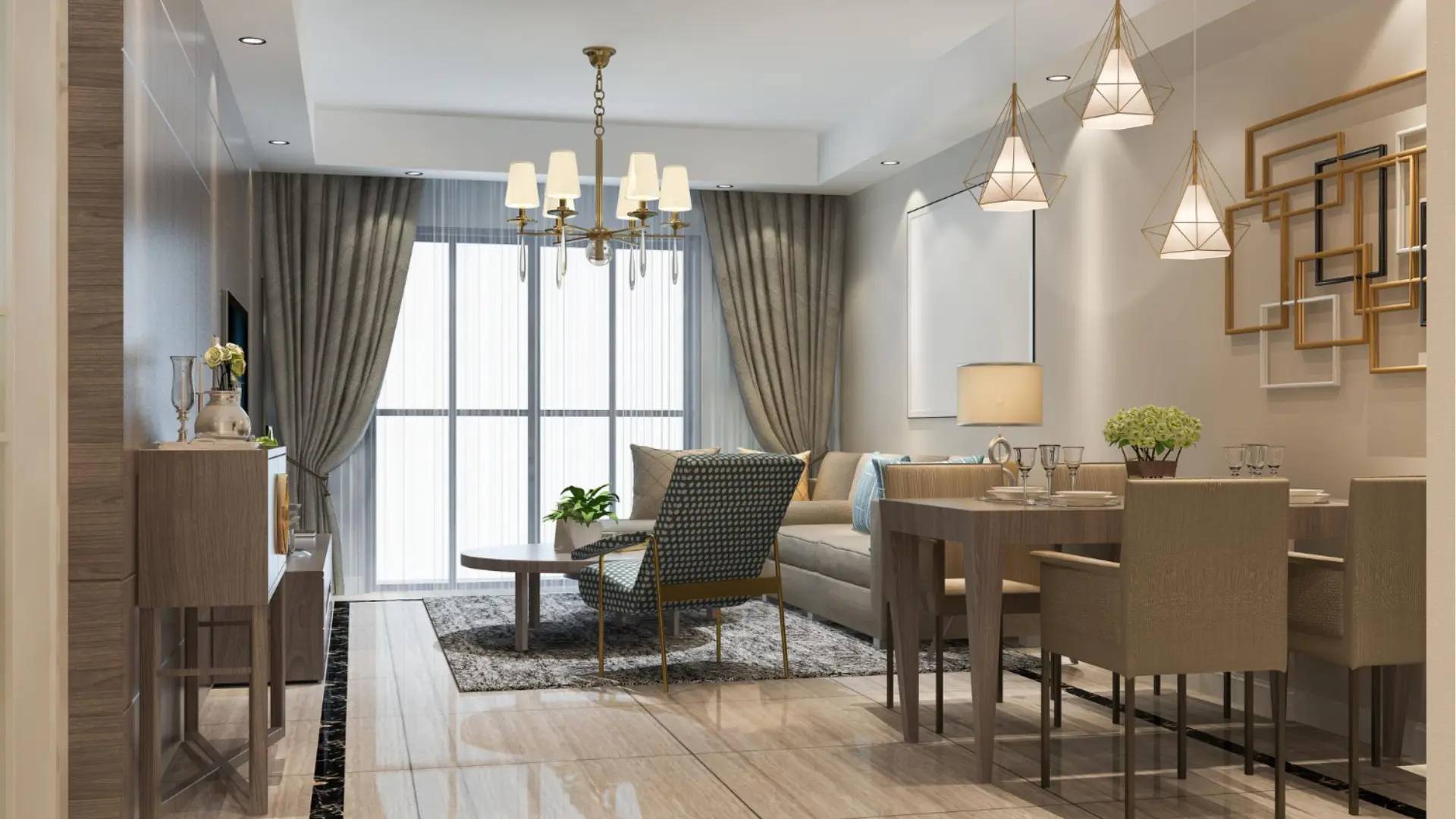
Well-executed interior design is also a sound financial investment. Professionally designed interiors consistently achieve higher resale values in the property market.
A kitchen renovation with thoughtful material choices, smart layout planning, and quality finishes will return more on investment than almost any other home improvement. Bathrooms designed as personal sanctuaries with spa-like features, natural materials, and layered lighting are among the most valued features buyers look for in 2026.
Even non-structural improvements, such as a cohesive color scheme, quality window treatments, and good lighting, measurably increase the perceived value of a home.
Interior Design as a Career: Why It Attracts Creative Minds
Interior design attracts people who want to work at the intersection of multiple disciplines simultaneously. No two projects are ever the same. Every client brings a different personality, a different space, a different budget, and a different vision.
The field demands creative thinking, technical knowledge, project management, client communication, spatial reasoning, and material expertise all at once. That combination keeps the work intellectually engaging throughout an entire career.
Career Paths Within Interior Design
The field is not monolithic. A designer can specialize in residential interiors, commercial spaces, hospitality design, healthcare environments, retail design, set design, or exhibition design.
Each specialty has its own set of challenges, aesthetics, and requirements. A designer who focuses on hospitality design creates very different work from one who specializes in biophilic residential homes. The variety within the field keeps it perpetually fresh.
The Creative Freedom Interior Design Offers Homeowners
You do not need to be a professional designer to benefit from understanding interior design. Mintpaldecor was built to help everyday homeowners access the principles and creativity of good design without a professional budget.
Understanding the basics of color theory, lighting layers, scale, and texture gives you the tools to make confident decisions that transform your own space. The principles are learnable. The results are real.
Interior design gives homeowners complete creative freedom within real-world constraints of space, budget, and practicality. Those constraints do not limit creativity. They channel it.
Why Interior Design Stays Endlessly Fascinating
The field never stops evolving. New materials, new technologies, new cultural influences, and new understandings of human psychology constantly refresh what is possible and desirable in interior design.
In 2026, the conversation is about wellness, sustainability, smart integration, biophilia, and emotional authenticity. In five years, the conversation will have shifted again. The core principles remain constant. The applications always evolve.
That combination of stable principles and endless variation is exactly what makes interior design one of the most sustainably interesting fields available to both professionals and passionate homeowners alike.
| Design Principle | Why It Stays Relevant | 2026 Application |
|---|---|---|
| Color psychology | Human emotional response to color does not change | Calming tones for wellness-focused bedrooms |
| Natural light | Biologically essential for human wellbeing | Skylights, open floor plans, smart blinds |
| Spatial flow | How people move through space never changes | Furniture placement for intuitive traffic paths |
| Texture layering | Tactile experience adds depth screens cannot show | Mixing linen, stone, wood, and metal |
| Personal identity | Spaces that feel genuine outlast trends | Bespoke elements, curated collections |
Mintpaldecor’s Philosophy on Interior Design
At Mintpaldecor, we believe all spaces have the potential to be extraordinary. Our approach is to design interiors that tell your story and stand the test of time.
We emphasize sustainable design, functional layouts, and aesthetics that won’t look dated in a few years. Whether your aesthetic leans toward minimalism, cozy traditional warmth, or bold maximalist expression, understanding the basics of good design helps you make decisions with genuine confidence.
Interior design is fascinating because it touches every corner of daily life. It mingles creativity and problem-solving with human psychology and material beauty. And most importantly, it makes the spaces where you spend your life feel exactly the way you want them to feel.
Frequently Asked Questions (FAQs)
What makes interior design interesting as a subject?
Interior design sits at the crossroads of art, science, psychology, and human behavior. No two projects are ever identical, and the solutions always have to be both beautiful and functional.
How does interior design affect mental health?
Thoughtful design reduces stress, improves focus, supports better sleep, and promotes emotional wellbeing through color, light, spatial flow, and biophilic elements.
What is biophilic design and why does it matter in 2026?
Biophilic design integrates natural elements like plants, organic materials, and natural light into indoor spaces. Research shows it reduces cortisol levels and improves cognitive function and mood.
What are the most important elements of interior design?
Space, color, light, texture, line, form, and pattern are the seven core elements. Every successful interior design project balances all of them with intention.
What interior design style is most popular in 2026?
Japandi, dark luxury interiors, biophilic design, and maximalism with personal curation are all strongly trending in 2026, alongside a continued preference for sustainable materials.
How does color psychology work in interior design?
Different colors trigger measurable emotional and physiological responses. Blues calm, yellows energize, greens restore, and deep tones create drama and retreat-like sophistication.
Can interior design increase property value?
Yes. Well-executed kitchen and bathroom designs, cohesive color schemes, quality lighting, and smart spatial planning all measurably increase a home’s market appeal and resale value.
What is the difference between interior design and interior decorating?
Interior design involves spatial planning, architecture, and structural decisions alongside aesthetics. Interior decorating focuses primarily on the surface-level selection of furnishings, colors, and accessories.
How can a beginner start learning interior design?
Start with the fundamentals: color theory, the three layers of lighting, furniture scale, and space planning. Mintpaldecor offers accessible guides to help homeowners apply these principles without professional training.
Why is sustainable design becoming more important in 2026?
Homeowners increasingly want spaces that reflect their values. Sustainable materials like reclaimed wood, bamboo, and natural stone are also more beautiful and durable than many conventional alternatives.
Conclusion
Why interior design is interesting mintpaldecor is a question with a genuinely deep answer. Interior design is interesting because it is never just one thing.
It is art and science working together. It is creativity disciplined by real-world constraints.
It is personal expression made physical and tangible in the spaces where life actually happens.
In 2026, the field has grown to encompass wellness design, biophilia, smart technology, sustainable materials, and emotional psychology.
These dimensions make it more relevant and more fascinating than ever.
Whether you are a professional designer, a passionate homeowner, or someone who simply wants their living space to feel better, interior design gives you tools that are both practically powerful and endlessly creative.
At Mintpaldecor, we believe that understanding design principles is one of the most valuable investments a homeowner can make.
The right space, thoughtfully designed, genuinely changes how you live every single day.