Why Did Van Gogh Cut Off His Ear? Mental Health Facts 2026
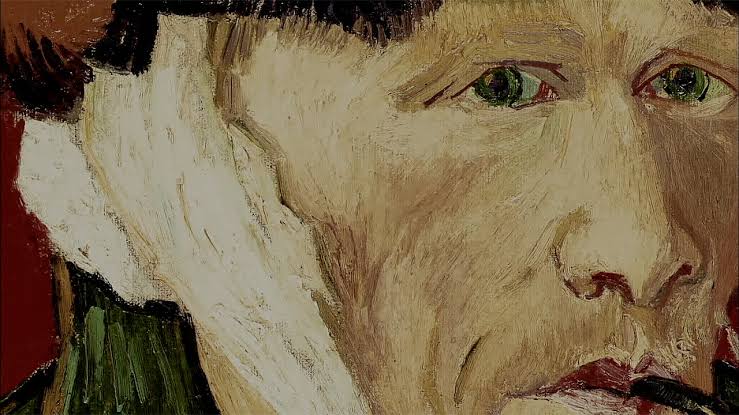
Why did Van Gogh cut off his ear is one of the most searched questions in art history, and the answer involves a mix of mental illness, addiction, and personal crisis.
On a December night in 1888, Vincent van Gogh severed part of his left ear during an emotional breakdown in Arles, France. This shocking event has fascinated historians and psychologists for over a century.
Quick Facts About the Van Gogh Ear Incident
Here’s a quick summary table covering the key facts surrounding this famous event in art history.
| Detail | Information |
|---|---|
| Date of Incident | December 23, 1888 |
| Location | Arles, France |
| Age of Van Gogh | 35 years old |
| Ear Affected | Left ear |
| Companion Involved | Paul Gauguin |
| Possible Causes | Psychosis, alcohol withdrawal, bipolar disorder |
| Hospitalization | Arles hospital, later Saint-Paul-de-Mausole asylum |
| Famous Artwork After | Self-Portrait with Bandaged Ear (1889) |
| Van Gogh’s Death | 1890, age 37, by suicide |
What Happened on the Night of the Incident
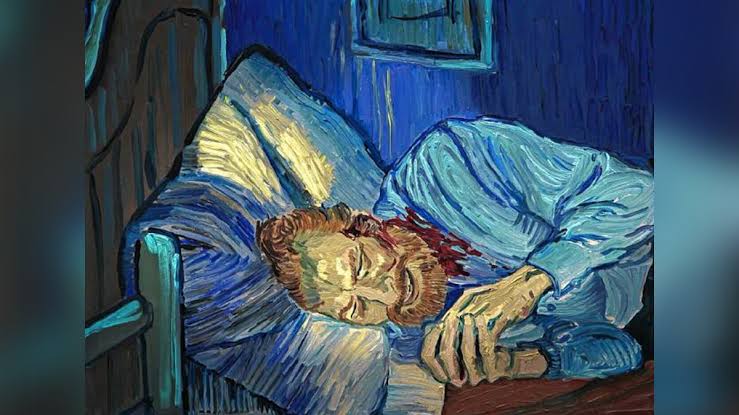
On the night of December 23, 1888, Van Gogh got into a heated argument with fellow artist Paul Gauguin, with whom he was sharing a house in Arles.
During this confrontation, Van Gogh reportedly chased Gauguin with a razor before turning the blade on himself and cutting off part of his left ear.
After injuring himself, he wrapped the ear in cloth and reportedly delivered it to a woman at a nearby brothel, asking her to keep it safe.
Van Gogh and Paul Gauguin’s Relationship
Van Gogh and Gauguin had been living together in Arles as part of an artistic collaboration that Van Gogh hoped would become a lasting creative community.
However, tensions between the two artists grew over time due to differing personalities, artistic disagreements, and the emotional pressures both men were facing.
The argument on the night of the incident is believed to have been the breaking point in an already strained relationship between the two painters.
Mental Health Theories: What Experts Believe
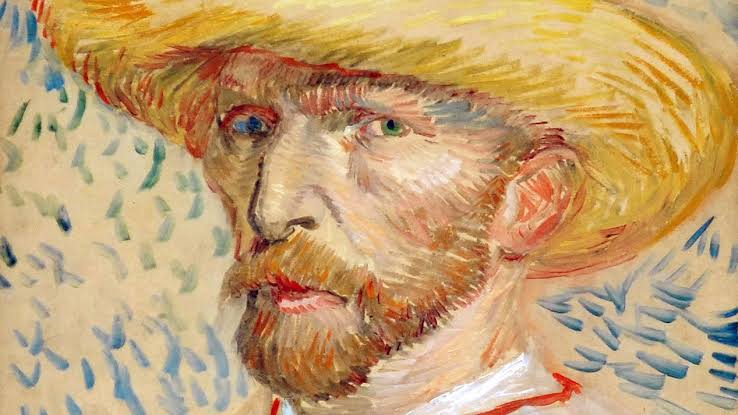
Over the years, many psychiatrists and historians have studied Van Gogh’s letters, paintings, and medical records to better understand his mental state.
In 2016, the Van Gogh Museum hosted a symposium where experts discussed possible diagnoses, including bipolar disorder, borderline personality disorder, and temporal lobe epilepsy.
No single diagnosis has ever been confirmed, but most experts agree that Van Gogh was experiencing a severe psychological crisis at the time of the incident.
The Role of Alcohol and Absinthe
Van Gogh was known to drink heavily, particularly absinthe, a strong alcoholic beverage popular among artists in 19th-century France.
A 2020 study suggested that Van Gogh may have abruptly stopped drinking before the incident, potentially triggering alcohol withdrawal delirium.
This delirium, combined with malnutrition and sleep deprivation, may have contributed significantly to the severity of his psychotic episode that night.
Possible Bipolar Disorder and Borderline Personality Traits
Many researchers believe Van Gogh may have suffered from a mood disorder, possibly bipolar disorder, since early adulthood.
His letters reveal extreme emotional swings, ranging from intense creative energy to deep depression, which align with symptoms of bipolar disorder.
Traits of borderline personality disorder, including impulsivity and intense emotional reactions, have also been suggested as part of his underlying condition.
The Theory of Temporal Lobe Epilepsy
Some experts have proposed that Van Gogh may have experienced a form of temporal lobe epilepsy, which can cause sudden mood changes and hallucinations.
This condition was not well understood during Van Gogh’s lifetime, making it difficult for doctors at the time to properly diagnose his symptoms.
While this theory remains debated, it adds another layer to the complex picture of Van Gogh’s mental health struggles.
Emotional Triggers: Family and Personal Pressures
Some historians believe the timing of the incident, around Christmas, may be linked to news of his brother Theo’s engagement.
Van Gogh had a deep emotional dependence on his brother Theo, who provided both financial and emotional support throughout his life.
The fear of losing his brother’s attention and care may have triggered intense feelings of abandonment, contributing to his breakdown.
What Happened After the Incident
Following the incident, Van Gogh was taken to a hospital in Arles, while Gauguin left the shared house and moved to Paris.
After recovering, Van Gogh returned home and painted his famous “Self-Portrait with Bandaged Ear,” capturing the aftermath of the event.
However, he suffered additional psychological episodes in the following months, eventually leading to his admission to the Saint-Paul-de-Mausole asylum.
Life at the Saint-Paul-de-Mausole Asylum
Van Gogh voluntarily admitted himself to this asylum in Saint-Rémy-de-Provence in May 1889, seeking treatment for his mental health struggles.
During his time there, he continued painting extensively, producing some of his most famous works, including “The Starry Night.”
He described his work as a distraction from his mental suffering, though experts note his illness likely hindered rather than fueled his creativity.
The “Tortured Artist” Myth
Van Gogh’s ear incident has contributed to the popular cultural image of the “tortured artist,” someone whose suffering is linked to creative genius.
However, many experts argue this portrayal is misleading, as Van Gogh’s mental illness disrupted his ability to work rather than enhancing it.
This myth has been applied to other artists and musicians throughout history, often romanticizing mental illness in ways that can be harmful.
Van Gogh’s Own Words About the Incident
Van Gogh rarely discussed the incident afterward, reportedly describing it only as “a purely personal matter” when asked about it.
In his letters, he referred to his condition using vague terms like “a kind of madness” or “nervous fever,” showing his own confusion about his illness.
This lack of clarity reflects how little was understood about mental illness during the late 19th century, even by those experiencing it firsthand.
Van Gogh’s Final Years and Death
After leaving the asylum, Van Gogh moved to Auvers-sur-Oise, France, where he continued painting under the care of Dr. Paul Gachet.
Despite ongoing struggles, this period was incredibly productive, with Van Gogh completing dozens of paintings in just a few months.
In July 1890, Van Gogh died from a self-inflicted gunshot wound at the age of 37, marking a tragic end to his struggles.
Why This Story Still Matters Today
Van Gogh’s story highlights the importance of understanding mental illness and the dangers of untreated psychological conditions, even in highly talented individuals.
His experience also shows how alcohol use, malnutrition, and emotional stress can compound existing mental health issues significantly.
Today, his story is often used in mental health education to raise awareness and reduce stigma around psychiatric conditions.
Frequently Asked Questions (FAQs)
Why did Van Gogh cut off his ear?
He cut off his ear during a severe mental health crisis, possibly worsened by alcohol withdrawal and emotional distress.
When did Van Gogh cut off his ear?
The incident occurred on December 23, 1888, in Arles, France, after an argument with Gauguin.
Did Van Gogh have a mental illness?
Experts believe he may have had bipolar disorder, borderline personality traits, or possibly epilepsy, though no diagnosis was confirmed.
What happened to Van Gogh’s ear?
He wrapped the severed ear and gave it to a woman at a nearby brothel for safekeeping.
Did Gauguin cause Van Gogh to cut his ear?
Their argument was a trigger, but experts believe deeper mental health issues were the underlying cause.
Was alcohol involved in the incident?
Yes, Van Gogh’s heavy alcohol use, including absinthe, may have contributed to a psychotic episode.
What painting did Van Gogh make after the incident?
He painted “Self-Portrait with Bandaged Ear” shortly after returning home from the hospital.
Where was Van Gogh hospitalized afterward?
He was first treated in Arles, then later admitted to the Saint-Paul-de-Mausole asylum.
Did Van Gogh recover from his mental illness?
He never fully recovered, experiencing repeated episodes until his death by suicide in 1890.
Is the “tortured artist” idea about Van Gogh accurate?
Most experts say it’s a myth, as his illness disrupted rather than enhanced his creative output.
Conclusion
The story of why Van Gogh cut off his ear remains one of art history’s most haunting episodes, rooted in mental illness, alcohol withdrawal, and emotional turmoil rather than artistic inspiration.
While no single diagnosis fully explains his condition, experts agree that a combination of mood disorders, addiction, and personal crises played major roles in that fateful night in 1888.
Understanding this story today serves as a reminder of how important mental health awareness is, even for the most celebrated and talented individuals. Van Gogh’s legacy continues to inspire conversations about creativity, suffering, and the need for compassionate mental health care for everyone, regardless of their talent or fame.