Why Do Cats Eyes Dilate? Vet-Explained Reasons 2026
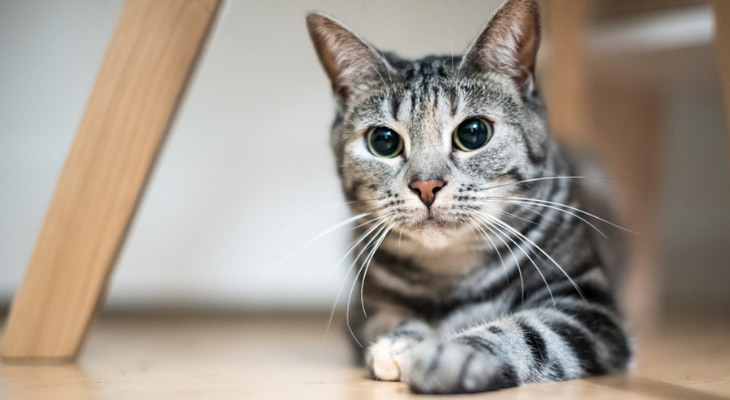
Why do cats eyes dilate is one of the most common questions cat owners search online — and the answer is more fascinating than most people expect.
A cat’s pupils can shift from a razor-thin slit to a wide, round circle in seconds, and this change communicates everything from excitement and fear to serious medical conditions.
While most cases of pupil dilation are completely normal, some are urgent warning signs that demand a vet visit.
Understanding the Cat Eye: A Quick Anatomy Overview
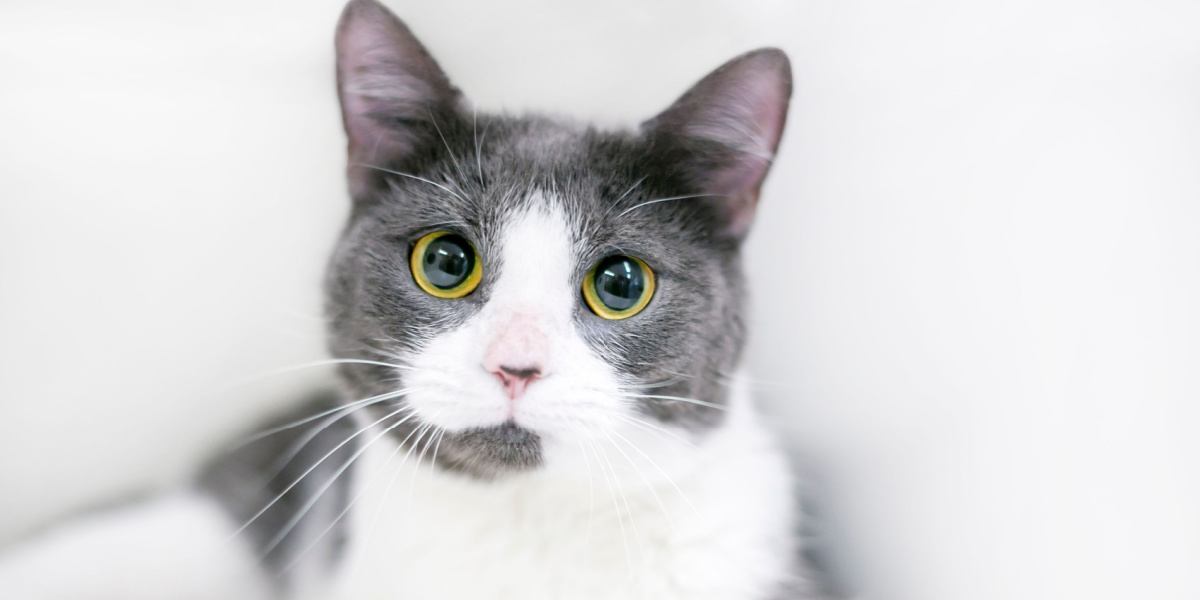
Before diving into causes, it helps to understand how a cat’s eye actually works. The eye has several key structures, and the pupil is at the center of everything.
The sclera is the white outer layer of the eyeball. The iris is the colored ring surrounding the pupil — it can be green, gold, blue, orange, or copper depending on the cat’s genetics. The pupil is the black opening in the center that controls how much light enters the eye.
In cats, the pupil is uniquely shaped. Unlike the round pupils of humans, a cat’s pupil is a vertical slit when constricted and becomes a large, nearly circular opening when dilated. This slit design is an evolutionary advantage that allows cats to have far greater control over light intake than a round pupil ever could.
How cat pupils differ from human pupils:
| Feature | Cat Pupils | Human Pupils |
|---|---|---|
| Resting shape | Vertical slit | Round |
| Dilated shape | Large circle (up to 80% of eye) | Moderate circle |
| Light sensitivity | Extremely high | Moderate |
| Control range | Very wide (slit to full circle) | Narrower range |
| Tapetum lucidum | Yes | No |
| Night vision advantage | Significant | Limited |
The iris muscles control the size of the pupil by expanding (dilating) or contracting (constricting) in response to light, emotion, and neurological signals. When dilated, a cat’s pupils can expand to cover approximately 80% of the visible portion of the eye.
The Tapetum Lucidum: Why Cat Eyes Glow
Cats also have a structure behind the retina called the tapetum lucidum — a reflective layer that bounces light back through the retina a second time. This doubles the light available for vision in low-light conditions.
This is why cats’ eyes glow in the dark when light hits them. It is also why cats can see in near-darkness far better than humans. The tapetum lucidum works hand-in-hand with pupil dilation — when the pupils widen to let more light in, the tapetum amplifies whatever light is available.
This combination of wide-dilating slit pupils and a reflective tapetum makes the feline eye one of the most efficient low-light vision systems in the animal kingdom.
Normal Reasons Why Cats Eyes Dilate
Most cases of pupil dilation in cats are entirely normal. Understanding these everyday triggers helps you recognize when dilation is simply healthy feline biology at work.
Low Light or Darkness
This is the most fundamental reason. In dim environments, a cat’s pupils dilate automatically to allow maximum light into the eye. This is a reflex that cannot be consciously controlled — it happens instantly and involuntarily.
If you turn off a lamp and watch your cat, you will see their pupils widen within seconds. This is normal, healthy, and serves a direct survival purpose for a naturally crepuscular hunter.
The pupils should constrict back to slits within seconds of returning to a well-lit environment. If they do not, that is when to pay attention.
Excitement and Playfulness
An excited cat — one about to pounce on a toy, chase something across the room, or engage in play hunting — will show dilated pupils. The excitement triggers a mild adrenaline response that causes the pupils to widen.
This is why cats in mid-play often look like they have enormous, round eyes. The dilation is helping them gather more visual information at high speed — a direct carryover from their wild hunting instincts.
The pupils should return to normal once the play session ends and the excitement fades.
Fear and Anxiety
When a cat perceives a threat, the autonomic nervous system activates the fight-or-flight response. Adrenaline floods the system, the heart rate increases, and the pupils dilate rapidly.
Dilated pupils from fear are often accompanied by other body language cues: flattened ears, tucked tail, arched back, puffed fur, and low body posture. The dilation helps the cat take in as much visual information as possible when facing a potential danger.
Common fear triggers include loud noises, unfamiliar visitors, other animals, or being handled in an uncomfortable way.
Aggression and Predatory Drive
A cat that is about to strike — whether at prey or out of aggression — will show dilated pupils as adrenaline peaks just before the action. This is sometimes called the “attack mode” dilation.
Interestingly, research suggests that very constricted (slit) pupils can also appear during overt aggression, particularly once the threat assessment phase has passed and the cat has decided to act. The shift between wide-dilated and slit-like can happen very quickly during an aggressive encounter.
Pain
Cats in acute or chronic pain often show persistently dilated pupils. Pain activates the sympathetic nervous system in the same way fear and stress do, triggering the same pupil response.
If your cat has dilated pupils and appears to be in discomfort — vocalizing, hiding, refusing food, or hunching up — pain should be considered as a cause alongside medical conditions.
Catnip Response
Catnip (Nepeta cataria) contains nepetalactone, a compound that triggers a euphoric neurological response in approximately 50–70% of cats. During a catnip response, cats show dilated pupils alongside rolling, rubbing, vocalizing, and general giddiness.
The dilation in this case is a direct response to the neurochemical effect of nepetalactone on the cat’s brain, mimicking some of the same pathways as feline pheromones.
The effect typically lasts 5–15 minutes and is entirely harmless.
Medical Reasons Why Cats Eyes Dilate
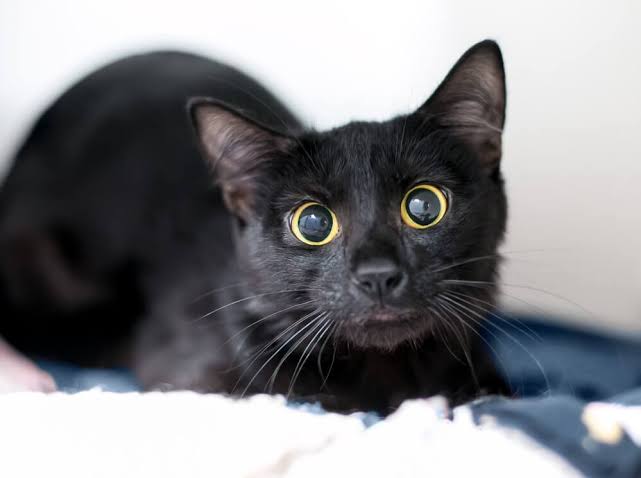
When dilation persists in normal lighting, occurs in only one eye, or is accompanied by other symptoms, a medical cause must be considered. These conditions range from manageable to urgent.
Feline Hypertension (High Blood Pressure)
Hypertension is one of the most common medical causes of persistently dilated pupils in cats, particularly in older cats. High blood pressure causes damage to the tiny blood vessels supplying the retina, leading to retinal swelling, bleeding, and in severe cases, retinal detachment.
Dilated, unresponsive pupils are often the first visible sign that something is wrong. By the time a cat’s eyes show this symptom, significant retinal damage may have already occurred.
Secondary hypertension (caused by another disease) is most commonly linked to:
- Chronic kidney disease (the most common cause in cats)
- Hyperthyroidism (overactive thyroid)
- Heart disease
Primary hypertension (without another underlying disease) also occurs but is less common. Any cat over 7 years old with persistently dilated pupils should be tested for blood pressure immediately.
Signs of feline hypertension alongside dilated pupils:
| Symptom | Description |
|---|---|
| Sudden blindness | Cat walks into furniture, seems disoriented |
| Retinal detachment | Blood visible at back of eye on examination |
| Screaming or howling | Especially at night, often with no visible cause |
| Seizures | Due to effects on the brain |
| Lethargy | General loss of energy and appetite |
| Weight loss | Common with hyperthyroidism-linked hypertension |
Glaucoma
Glaucoma occurs when fluid inside the eye cannot drain properly, causing pressure to build up within the eyeball. This elevated intraocular pressure (IOP) is extremely painful and damages the optic nerve over time.
In cats, glaucoma is most commonly secondary to chronic uveitis (inflammation inside the eye) or to an eye tumor. The affected eye will have a persistently dilated, fixed pupil and may appear cloudy, reddened, or even slightly enlarged.
Glaucoma in cats is difficult to catch early because the signs are subtle until significant damage has occurred. By the time most cases are diagnosed, some degree of vision loss has already happened.
If you notice one of your cat’s eyes looks different in size or color from the other, or if the pupil appears fixed and dilated despite bright light, seek vet attention the same day.
Anisocoria (One Pupil Bigger Than the Other)
Anisocoria means the two pupils are different sizes — one dilated, one normal or constricted. This is always a medical concern and should be treated as a potential emergency.
The nervous system controls both pupils simultaneously. When they are different sizes, something has disrupted that coordinated control on one side. Causes include:
- Glaucoma (dilated pupil on affected side)
- Uveitis (constricted pupil on affected side)
- Retinal disease or retinal detachment
- Horner’s Syndrome (neurological condition)
- Corneal ulcers
- Head trauma or spinal cord injury
- Brain tumor
- Feline leukemia virus (FeLV)
- Feline immunodeficiency virus (FIV)
- Toxoplasmosis
Do not wait to see if anisocoria resolves on its own. Call your vet immediately. Many of its causes are time-sensitive, and delay can mean permanent vision loss or worse.
Horner’s Syndrome
Horner’s Syndrome is a neurological condition caused by damage to the sympathetic nerve pathway that runs from the brain through the neck and chest to the eye. It typically affects one side of the face.
In Horner’s Syndrome, the affected eye shows a constricted (small) pupil rather than a dilated one — but the other eye may appear relatively dilated by comparison. Other signs include a sunken eyeball, drooping upper eyelid, raised third eyelid, and droopy lower facial skin on the same side.
Causes include ear infections, head or neck trauma, masses in the chest, and spinal cord disease. The condition itself is a symptom of something else and requires full diagnostic investigation.
Feline Dysautonomia (Key-Gaskell Syndrome)
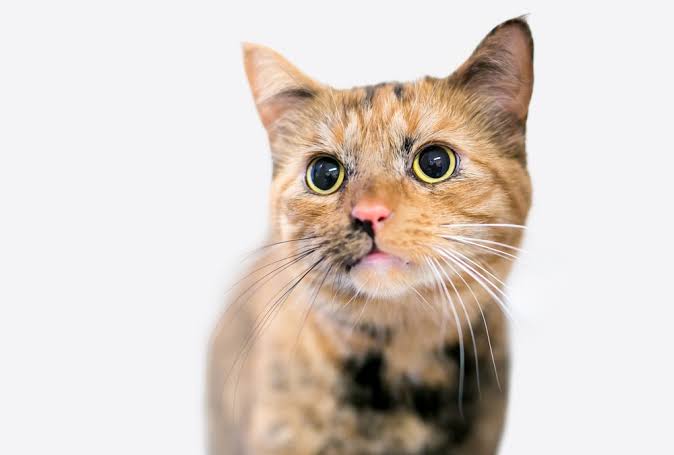
Feline dysautonomia is a rare but serious disorder of the autonomic nervous system. It disrupts the normal function of all involuntary body systems, including the pupils.
Symptoms include persistently dilated pupils, elevated third eyelids, food regurgitation, difficulty swallowing, muscle wasting, weakness, and difficulty urinating. Dilated pupils are often the first sign owners notice.
This condition has no cure, and prognosis is generally poor. Only a small percentage of affected cats make a full recovery with intensive supportive care.
Thiamine (Vitamin B1) Deficiency
Thiamine deficiency can develop in cats fed primarily raw fish (which contains thiaminase, an enzyme that destroys thiamine) or poorly formulated homemade diets. Without adequate Vitamin B1, the nervous system deteriorates rapidly.
Dilated pupils appear alongside other neurological symptoms including tremors, seizures, loss of balance, head tilting, and vision changes. The good news is that this condition is reversible with prompt thiamine supplementation and dietary correction.
If your cat is on a home-cooked or raw fish diet and shows these signs, tell your vet immediately — time matters here.
Retinal Disease and Detachment
The retina is the light-sensitive layer at the back of the eye. When it is damaged, detached, or diseased, the pupil on the affected side may become fixed and dilated as the eye loses its ability to detect and respond to light.
Retinal detachment in cats is most often caused by hypertension, but can also result from inflammation, trauma, or inherited disease. A cat with a detached retina may appear suddenly blind — bumping into walls, misjudging jumps, or freezing in unfamiliar environments.
This is a medical emergency. Retinal reattachment is possible if treatment begins within hours to a few days of detachment. After that window, the damage is usually permanent.
Iris Atrophy
Iris atrophy is a degenerative change associated with aging in cats. As the iris tissue thins and loses structure, it may no longer be able to constrict properly in response to light. This results in persistently large or irregular pupils in older cats, even in bright light.
Iris atrophy itself is not painful and does not directly cause blindness, but it can make older cats more sensitive to bright light. It is diagnosed by a vet during an eye examination.
This condition does not require treatment but should be documented and monitored during regular wellness checks.
Neurological Diseases
Several neurological conditions can affect pupil control by disrupting the nerve pathways that coordinate iris muscle movement. These include:
- Brain tumors (primary or metastatic)
- Spinal cord trauma or compression
- Encephalitis (brain inflammation)
- Vestibular disease
- Stroke-like events in cats
Neurological causes typically present alongside other signs such as head tilting, circling, loss of coordination, sudden behavioral changes, or facial asymmetry. Any cat showing these signs alongside abnormal pupils needs emergency veterinary care.
Toxins and Medications That Cause Dilated Pupils
Many substances found in and around the home can cause pupil dilation in cats by disrupting the autonomic nervous system.
Common toxins that dilate cat pupils:
| Toxin Category | Examples |
|---|---|
| Human medications | ADHD drugs (Adderall, Ritalin), opioids, antidepressants |
| Recreational substances | Marijuana, cocaine, amphetamines |
| Flea and tick products | Pyrethrin-based products (especially toxic to cats) |
| Toxic plants | Lily species, nightshade, jimsonweed |
| Mushrooms | Some wild mushroom species |
| Antifreeze | Ethylene glycol (extremely dangerous) |
Vet-prescribed medications can also cause temporary dilation. Atropine eye drops (used during eye exams) intentionally dilate the pupils. Opioid pain medications, sedatives, and anesthesia drugs all cause pupil changes as a normal pharmacological effect.
If you suspect your cat has ingested a toxin, do not wait for symptoms to worsen. Contact your vet or the Pet Poison Helpline immediately, and bring the packaging of any suspected substance to your appointment.
Signs of toxin exposure alongside dilated pupils:
- Vomiting or drooling
- Tremors or seizures
- Loss of coordination or collapse
- Rapid or irregular heartbeat
- Extreme lethargy or unresponsiveness
Normal vs Abnormal: How to Tell the Difference
This is the most important question for any cat owner. Here is a clear reference table to help you assess what you are seeing.
| Situation | Dilation Normal? | Action Needed? |
|---|---|---|
| Dark or dim room | Yes | None |
| During active play | Yes | None |
| Just after a fright | Yes | None |
| Catnip response | Yes | None |
| Persists in bright light | No | See vet soon |
| One eye only (anisocoria) | No | Emergency vet visit |
| No response to light at all | No | Emergency vet visit |
| Accompanied by vomiting/tremors | No | Emergency vet visit |
| Gradual onset in elderly cat | Possibly | Routine vet check |
| Accompanied by sudden blindness | No | Emergency vet visit |
| After possible toxin exposure | No | Emergency vet call now |
What the Shape of Cat Pupils Communicates
Cat pupils are one of the most expressive features of feline body language. Understanding what different pupil shapes signal helps you better read your cat’s emotional state.
Pupil size and emotional state:
| Pupil Appearance | Emotional State | Notes |
|---|---|---|
| Narrow slit in bright light | Relaxed and content | Normal in good lighting |
| Narrow slit in low light | Potentially aggressive | Watch body language |
| Large and round during play | Excited, playful | Completely normal |
| Large and round with flat ears | Frightened | Check for stressor |
| Large and round with stiff body | About to strike | Back away |
| Half-closed with slow blink | Trusting and relaxed | Sign of affection |
| Fixed and unresponsive | Medical concern | See vet urgently |
The slow blink — when a cat narrows its eyes and blinks slowly at you — is widely considered a friendly feline signal. Research has confirmed that cats are more likely to approach humans who slow-blink at them, and owners who slow-blink at their cats tend to strengthen their bond over time.
When to Take Your Cat to the Vet
Not every instance of pupil dilation requires a vet call, but several scenarios absolutely do. The following signs mean you should not wait.
Go to the vet immediately if:
- Only one pupil is dilated (anisocoria) — this is always a medical concern
- Pupils are dilated and do not respond or change in bright light
- Your cat has suddenly lost vision — bumping into things or seeming disoriented
- Dilation is accompanied by seizures, vomiting, tremors, or collapse
- You suspect any toxin or medication exposure
- Your cat is an older cat with persistent dilation — hypertension or thyroid disease is likely
- The affected eye looks cloudy, red, swollen, or larger than normal
Schedule a routine appointment if:
- Dilation is gradual and the cat is over 10 years old (possible iris atrophy or early hypertension)
- Your cat seems more sensitive to bright light than usual
- Pupils seem slow to constrict in bright light but the cat appears otherwise healthy
- You want a general eye health check during annual wellness visits
What the Vet Will Do
When you bring a cat in for abnormal pupil dilation, your vet will follow a systematic process to find the cause.
They will take a full history — when did you first notice the dilation, is it one eye or both, has there been any exposure to substances, and what other symptoms are present. A full physical exam follows, including listening to the heart and palpating the abdomen, before the eyes are examined directly.
The vet will likely perform a light reflex test — shining a small light into each eye to see how the pupil responds. They may test intraocular pressure (IOP) to check for glaucoma using a device called a tonometer.
Blood pressure measurement, a complete blood count (CBC), thyroid hormone levels, and a chemistry panel are common baseline tests for cats showing persistent dilation, especially in older cats.
If a neurological cause is suspected, further imaging such as an MRI or CT scan may be recommended.
Cat Eye Dilation by Age: What to Watch For
The age of your cat changes the probability of different causes significantly.
| Age Group | Most Likely Cause of Abnormal Dilation |
|---|---|
| Kitten (under 1 year) | Excitement, play, environmental response |
| Adult (1–7 years) | Fear, anxiety, excitement, catnip, infection |
| Senior (7–10 years) | Early hypertension, thyroid disease |
| Geriatric (10+ years) | Hypertension, iris atrophy, retinal disease, glaucoma |
Senior and geriatric cats showing persistent dilation should be considered to have a medical cause until proven otherwise. Annual (or bi-annual) blood pressure checks are recommended for cats over 7 years old.
Preventing Eye Problems in Cats
While not all causes of abnormal dilation are preventable, you can reduce risk significantly with consistent care.
Regular vet check-ups catch hypertension, thyroid disease, and kidney disease early — all common causes of dilated pupils in older cats. Annual eye examinations are particularly valuable for cats over 7 years.
Keep all human medications secured and out of reach. Cats are notorious for getting into pills left on countertops. Use only flea and tick products specifically labeled safe for cats — pyrethrin-based products designed for dogs can be fatal to cats.
Research any new plants before bringing them into your home. Many common houseplants are toxic to cats, and some cause pupil dilation as part of the poisoning response.
Feed a nutritionally complete commercial diet to avoid thiamine deficiency. If you choose a raw or home-cooked diet, work with a veterinary nutritionist to ensure the food meets all feline requirements.
Frequently Asked Questions (FAQs)
Why do cats eyes dilate suddenly?
Sudden dilation is usually triggered by a light change, a fright, sudden excitement, or a brief adrenaline surge. If it happens frequently with no clear cause and does not resolve in normal light, a vet check is warranted.
Is it normal for cats pupils to be dilated in low light?
Yes, completely normal. In dim or dark environments, a cat’s pupils automatically widen to let in maximum light. This is a healthy reflex and should resolve when the cat returns to a bright environment.
What does it mean when only one of my cat’s eyes is dilated?
One dilated pupil and one normal or constricted pupil is called anisocoria. This is always a medical concern and should be treated as an emergency — call your vet right away.
Can stress cause dilated pupils in cats?
Yes. Chronic or acute stress triggers the same fight-or-flight response as fear, releasing adrenaline that dilates the pupils. If your cat is chronically stressed, the dilation may appear more frequently than normal.
Should I be worried if my cat’s eyes are always dilated?
Yes. Persistently dilated pupils in normal or bright light are not normal. They may indicate feline hypertension, glaucoma, retinal disease, neurological problems, or toxic exposure. See a vet promptly.
Can cats’ eyes dilate from pain?
Yes. Pain activates the sympathetic nervous system, causing the same pupil dilation response as fear or excitement. If a cat has dilated pupils alongside hunching, vocalizing, or hiding, pain should be a primary consideration.
What toxins cause dilated pupils in cats?
Common culprits include ADHD medications, opioids, recreational drugs, pyrethrin-based flea products, certain toxic plants, and some wild mushrooms. If poisoning is suspected, contact your vet or the Pet Poison Helpline immediately.
Do cats’ eyes dilate when they are happy?
Not typically from happiness alone. Content cats usually show narrow slit pupils in bright light and may slow-blink. Very wide dilated pupils are more associated with excitement, fear, or low light than with calm happiness.
What is the difference between dilated pupils from excitement vs from illness?
Excitement-related dilation resolves quickly when the stimulus ends and the environment is well-lit. Illness-related dilation persists in bright light, may affect only one eye, and is often accompanied by other symptoms like behavioral changes, appetite loss, or disorientation.
Can old age cause dilated pupils in cats?
Yes. Iris atrophy — the thinning of iris tissue with age — can prevent the iris from constricting properly, causing older cats to have persistently wider pupils even in bright light. It is not painful but should be confirmed by a vet to rule out other conditions.
Conclusion
Why do cats eyes dilate comes down to a simple truth — the cat’s eye is one of nature’s most refined instruments, and pupil size is its most visible readout. In most cases, dilation is a perfectly healthy response to low light, excitement, or a momentary fright.
The pupils widen, gather more visual information, and then return to normal as conditions change. But when dilation is persistent, occurs in bright light, affects only one eye, or comes alongside other symptoms, the situation demands immediate attention.
Conditions like feline hypertension, glaucoma, retinal detachment, and anisocoria are time-sensitive — catching them early can mean the difference between preserved vision and permanent blindness. Know your cat’s normal, monitor for changes, and never hesitate to call your vet when something seems off.