Why Does My Wife Hit Me? Relationship Problems Explained 2026

Why does my wife hit me is a question more men are asking in 2026, and it is one of the most important questions you could ever ask.
Being physically struck by your spouse is never acceptable, never normal, and never something you should simply tolerate or explain away. Many men suffer in silence for months or even years because of shame, confusion, or fear that no one will believe them.
If you are in immediate danger, call 911. For confidential support, call the National Domestic Violence Hotline at 1-800-799-7233, available 24 hours a day, 7 days a week.
Male Victims of Domestic Violence: You Are Not Alone

Domestic violence against men is far more common than most people realize.
According to the CDC’s National Intimate Partner and Sexual Violence Survey, approximately 1 in 4 men experience physical violence from an intimate partner at some point in their lifetime. A 2019 study published in BMC Public Health found that 21.1 percent of men globally experience intimate partner violence in some form.
Despite these numbers, male victims are dramatically underrepresented in reporting, help-seeking, and public conversation. Only about 20 to 25 percent of all domestic violence incidents are ever reported to police, and men are even less likely to report than women.
What Counts as Domestic Violence Against Men
Many men who are hit by their wives do not immediately recognize the behavior as abuse.
Physical violence is one form of intimate partner violence, but it is not the only one. Domestic violence includes physical abuse such as hitting, slapping, punching, pushing, kicking, scratching, or throwing objects. It also includes emotional and psychological abuse such as verbal attacks, threats, humiliation, gaslighting, and coercive control. Economic abuse involves controlling finances, blocking access to money, or sabotaging employment. Isolation means cutting off the victim from friends, family, or support systems.
You do not need to have bruises or broken bones to be a victim of abuse. If your wife hits you, regardless of her size, strength, or stated reason, that is physical intimate partner violence.
Why Does My Wife Hit Me: The Real Reasons
There is no single explanation for why a wife becomes physically aggressive toward her husband.
Understanding the reasons behind the behavior does not excuse it. Nothing justifies physical violence in a relationship. But understanding the root causes can help you make sense of what is happening and decide what to do next.
| Contributing Factor | What It Looks Like |
|---|---|
| Desire for Power and Control | Using physical force to dominate, intimidate, or punish |
| Emotional Dysregulation | Inability to manage anger, frustration, or distress without lashing out |
| Childhood Trauma and Learned Behavior | Growing up in a home where violence was normalized |
| Mental Health Conditions | Untreated depression, BPD, PTSD, anxiety, or personality disorders |
| Substance Abuse | Alcohol or drug use that lowers inhibition and escalates aggression |
| Jealousy and Insecurity | Fear of abandonment or perceived threats triggering violent responses |
| Lack of Conflict Resolution Skills | No healthy tools for managing disagreements |
| Stress and External Pressure | Financial, professional, or family stress used as justification |
| Entitlement Beliefs | A belief that she has the right to discipline or punish her partner |
The Power and Control Factor
The most significant and most common driver of domestic violence is the need for power and control.
Abusive partners use physical force as a tool to dominate, punish, or regain control when they feel their authority is being challenged. This is not about losing their temper. It is about using violence strategically to maintain dominance.
Research consistently shows that 65 percent of female perpetrators of domestic violence against men show a clear pattern of controlling behavior. The hitting is almost never truly random or accidental in these cases.
Emotional Dysregulation and Anger Problems
Some wives hit because they have never developed healthy ways to manage intense emotion.
Emotional dysregulation means a person cannot effectively regulate their emotional responses to stress, frustration, or conflict. When overwhelmed, they escalate to physical behavior because they lack the internal tools to de-escalate.
This is not an excuse. Adults are responsible for managing their behavior regardless of their emotional state. But it does explain why some women who appear loving and calm in ordinary situations can become physically violent during disagreements.
Childhood Trauma and Learned Violence
Violence in the home during childhood often becomes a template for adult relationships.
A woman who grew up witnessing domestic violence between her own parents, or who was herself abused as a child, may have learned that physical aggression is a normal part of conflict. She may not even recognize that what she is doing is wrong because it was modeled to her as acceptable behavior.
This does not mean her behavior is inevitable or unchangeable. But it does mean that without serious, professional intervention, the pattern is very unlikely to stop on its own.
Mental Health and Untreated Conditions
Untreated mental health conditions can contribute significantly to physically aggressive behavior.
Conditions such as borderline personality disorder, PTSD, bipolar disorder, depression, and severe anxiety can all contribute to volatile or violent behavior when left unmanaged. This is particularly true in intimate relationships, which carry the highest emotional intensity.
It is important to understand that mental illness does not cause domestic violence and most people with mental health conditions are never violent. But in some cases, untreated conditions combined with a pattern of controlling behavior can create conditions where physical violence becomes more likely.
Substance Abuse as a Trigger
Alcohol and drug use are strongly associated with domestic violence incidents.
Substance abuse does not cause a person to become abusive, but it can lower inhibitions, reduce emotional control, and escalate existing tendencies toward aggression. Many domestic violence incidents occur when alcohol or drugs are involved.
If your wife is physically aggressive only or primarily when she is drinking or using substances, that is still abuse. Intoxication is not a legal or moral defense for hitting a partner.
The Cycle of Abuse: Why It Keeps Happening

One of the most important things to understand about why your wife hits you is the pattern it follows.
The cycle of abuse was first described by psychologist Lenore Walker and remains one of the most widely recognized frameworks in domestic violence research. It has four stages.
| Stage | Description |
|---|---|
| Tension Building | Stress escalates, communication breaks down, victim walks on eggshells |
| Incident | Physical, emotional, or verbal abuse occurs |
| Reconciliation | Apologies, excuses, promises to change, affectionate behavior |
| Calm | Relative peace before tension begins building again |
The reconciliation phase is what traps many victims. Your wife may be genuinely apologetic and loving after hitting you. She may cry, promise it will never happen again, and behave like the person you fell in love with.
But without professional intervention, the cycle almost always repeats and often escalates over time.
Signs That What You Are Experiencing Is Abuse
If you are unsure whether your situation qualifies as abuse, these are the clearest warning signs.
She hits, slaps, pushes, kicks, scratches, or throws objects at you during arguments. The violence happens more than once. She minimizes the violence afterward or blames you for provoking it. You feel afraid of her mood or reactions. You change your behavior to avoid setting her off. She apologizes and then hits you again. She tells you that no one will believe you if you say anything. You feel ashamed or embarrassed to tell anyone what is happening. She controls your money, social life, or daily movements.
If multiple items on that list describe your relationship, you are experiencing domestic abuse.
Why Men Stay: The Real Barriers
Many men who are hit by their wives do not leave immediately, and the reasons are understandable.
| Barrier | Why It Keeps Men Trapped |
|---|---|
| Shame and Stigma | Fear of not being believed or being mocked for being hit by a woman |
| Children | Not wanting to disrupt the family or lose access to kids |
| Financial Dependence | Wife controls income or shared finances |
| Love | Genuine affection for the person outside of the abuse |
| Disbelief | Struggling to accept that this person is abusive |
| Fear of Retaliation | Worry that leaving will escalate danger |
| Lack of Resources | Fewer shelters and services available for male victims |
All of these barriers are real and valid. Understanding them does not mean you must stay. It means you need a plan.
The Impact on Your Mental Health
Being hit by your wife is not just a physical problem. It carries serious psychological consequences.
Men who experience intimate partner violence report significantly higher rates of depression, anxiety, and post-traumatic stress disorder. Many experience sleep disturbances, difficulty concentrating, social withdrawal, and a persistent sense of fear or hypervigilance in the home.
Nearly half of all adults, about 48.8 percent of men according to the CDC, report experiencing psychological aggression from a partner. Psychological abuse is often present alongside physical violence and can be equally damaging to mental health over time.
How Domestic Violence Affects Children in the Home
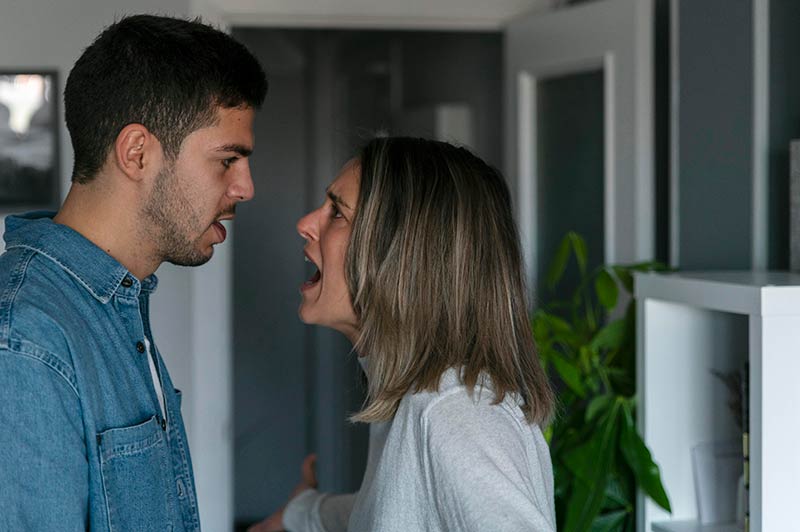
If there are children in the home, your situation affects them too.
Children who witness one parent hitting the other are at significantly higher risk of developing behavioral problems, anxiety disorders, depression, and difficulties in their own future relationships. Research consistently shows that witnessing domestic violence can be as psychologically harmful to children as being directly abused.
Staying in an abusive situation for the sake of the children often has the opposite of the intended effect. Protecting yourself protects them.
What to Do When Your Wife Hits You: Immediate Steps
If your wife has hit you, there are clear and practical steps you should take.
Get to safety first if the situation is physically dangerous. Call 911 if you are being actively attacked. Document everything by taking photographs of any injuries, keeping records of incidents with dates and details, and saving any threatening messages or voicemails. Tell someone you trust, whether a friend, family member, doctor, or therapist. Contact the National Domestic Violence Hotline at 1-800-799-7233 for confidential guidance. Speak with a legal professional about your rights, especially if children are involved.
You do not have to decide immediately whether to leave the relationship. But you do need to stop minimizing what is happening and start building a support system.
Building a Safety Plan
A safety plan is a personalized practical guide that helps you stay safer whether you decide to stay or leave.
Identify a safe place you can go if you need to leave quickly. Keep important documents such as your ID, financial records, and medical records accessible. Establish a code word with a trusted friend or family member that signals you need help. Know the numbers to call including local police, the domestic violence hotline, and a trusted support person. If you have children, include them in the safety plan in an age-appropriate way.
Safety planning does not require leaving immediately. It means being prepared so that when you are ready to act, you can do so as safely as possible.
Couples Therapy vs. Individual Therapy: What Actually Helps
Many men in abusive relationships think couples therapy is the solution.
Couples therapy is not recommended when domestic violence is present. This is not just a suggestion. It is the professional consensus among domestic violence experts and mental health organizations. Couples therapy in abusive situations can actually make things more dangerous by giving the abusive partner new tools to manipulate and blame the victim.
What does help is individual therapy for the victim to process trauma and build safety strategies. The abusive partner may also benefit from individual therapy and specialized batterer intervention programs, but only when separated from the victim.
Can an Abusive Wife Change?
This is one of the most painful questions a man in this situation can ask.
Change is possible but it is rare without serious, sustained professional intervention. An abusive partner who genuinely wants to change must first fully acknowledge the behavior without minimizing, justifying, or blaming the victim. They must commit to long-term professional help. They must demonstrate actual behavior change over an extended period, not just during the reconciliation phase of the abuse cycle.
Promises to change without action, temporary improvements followed by regression, and ongoing minimization of the violence are all signs that meaningful change is not occurring.
Legal Rights of Male Domestic Violence Victims
As a man who is being hit by his wife, you have full legal protections under the law.
Domestic violence laws in all 50 U.S. states apply regardless of the gender of the victim or the perpetrator. You can file a police report. You can apply for a protective order or restraining order. You can pursue criminal charges. You have rights in divorce proceedings related to the abuse. If children are involved, documented abuse is highly relevant in custody determinations.
Do not assume that police or courts will not take your situation seriously because your wife is a woman. Document everything, seek legal advice, and know that the law is on your side.
Resources for Male Domestic Violence Victims in 2026
Getting help is the most important thing you can do right now.
| Resource | Contact |
|---|---|
| National Domestic Violence Hotline | 1-800-799-7233 (call or text) |
| Crisis Text Line | Text HOME to 741741 |
| Stop Abusive and Violent Environments (SAVE) | www.saveservices.org |
| ManKind Initiative (UK) | 01823 334244 |
| National Coalition Against Domestic Violence | www.ncadv.org |
| MenCare | www.men-care.org |
| Local police emergency | 911 |
All of these resources are confidential. Reaching out does not commit you to any particular course of action. It simply gives you information, support, and options.
Statistics on Domestic Violence Against Men in 2026
| Statistic | Source |
|---|---|
| 1 in 4 men experience physical IPV in their lifetime | CDC NISVS |
| 29.3% of men report at least one physical violence incident from a partner | NISVS 2021 |
| 48.8% of men experience psychological aggression from a partner | CDC |
| Only 20–25% of DV incidents are reported to police | South Denver Therapy |
| 12 million people experience domestic violence annually in the U.S. | The Hotline |
| 65% of female DV perpetrators show a pattern of controlling behavior | Canadian Journal of Psychiatry |
Why Men Do Not Report: The Stigma Problem
The single biggest barrier to men getting help is the social stigma that surrounds male victimization.
Cultural messaging tells men that being hit by a woman is not real violence, is embarrassing, or proves weakness. Many men fear they will be laughed at by police, disbelieved by friends, or mocked on social media if they speak up.
This stigma is both harmful and factually wrong. Physical violence causes real harm regardless of who is doing it. You are not weak for being hit and you are not weak for asking for help. You are making one of the most courageous decisions a person can make.
Talking to Someone You Trust
Breaking silence is the first real step toward safety.
Telling one person you trust about what is happening, whether a friend, family member, doctor, or therapist, can dramatically reduce the isolation and shame that domestic violence depends on to continue. Abusive partners often work to isolate victims precisely because silence protects the abuse.
You do not need to have everything figured out before you talk to someone. You just need to tell the truth about what is happening.
Frequently Asked Questions (FAQs)
Is it domestic violence if my wife only hits me sometimes?
Yes. There is no frequency threshold that determines whether physical violence counts as abuse. One incident of hitting is a serious violation and a repeated pattern is ongoing intimate partner violence.
Why does my wife hit me and then apologize every time?
The apology-and-hitting cycle is called the reconciliation phase of the abuse cycle. Apologies without sustained behavior change and professional intervention are almost always followed by more violence.
Can I call the police if my wife hits me?
Yes, absolutely. Domestic violence laws protect men equally. You can file a police report, press charges, and apply for a protective order regardless of your gender or your wife’s gender.
Will anyone believe me if I say my wife is hitting me?
Yes. Domestic violence against men is recognized by law, law enforcement, and mental health professionals. The National Domestic Violence Hotline specifically supports male victims with confidential assistance.
Should we try couples therapy to fix the hitting?
No. Couples therapy is not recommended when domestic violence is present. It can make the situation more dangerous. Individual therapy for both partners separately is the appropriate starting point.
Why does my wife hit me but says she loves me?
Abuse and love are not mutually exclusive in a person’s stated feelings, but physical violence is incompatible with a healthy, safe relationship. Love does not justify or excuse hitting a partner under any circumstances.
How do I document my wife hitting me for legal purposes?
Photograph injuries immediately after incidents. Keep a written record with dates, times, and descriptions. Save threatening messages, voicemails, or emails. Tell a trusted person who can serve as a witness to your disclosures.
Can my wife be arrested if she hits me?
Yes. Domestic assault laws apply to female perpetrators. If police are called and there is evidence of physical violence, your wife can be arrested, charged, and prosecuted under the same laws that apply to male abusers.
What are the long-term mental health effects of being hit by my wife?
Male domestic violence victims commonly experience depression, anxiety, PTSD, sleep disorders, social withdrawal, and hypervigilance. Therapy and support are important parts of recovery regardless of whether you stay in or leave the relationship.
Where can I get confidential help if my wife is hitting me?
Call the National Domestic Violence Hotline at 1-800-799-7233 anytime, 24 hours a day, 7 days a week. You can also text HOME to 741741 for the Crisis Text Line. Both services are completely confidential.
Conclusion
Why does my wife hit me is a question that takes real courage to ask, and asking it is the first step toward safety. Physical violence from a spouse is domestic abuse, full stop, regardless of gender, frequency, or the reasons offered afterward.
In 2026, male victims of intimate partner violence have more resources, legal protections, and professional support available than ever before. You are not alone, you are not weak, and you are not to blame for what is happening to you.
The abuse is her choice and her responsibility. Your safety, your mental health, and your future are worth protecting. Reaching out to the National Domestic Violence Hotline at 1-800-799-7233 costs you nothing and could change everything.