Why Is The Little Mermaid Black? Casting Explained 2026
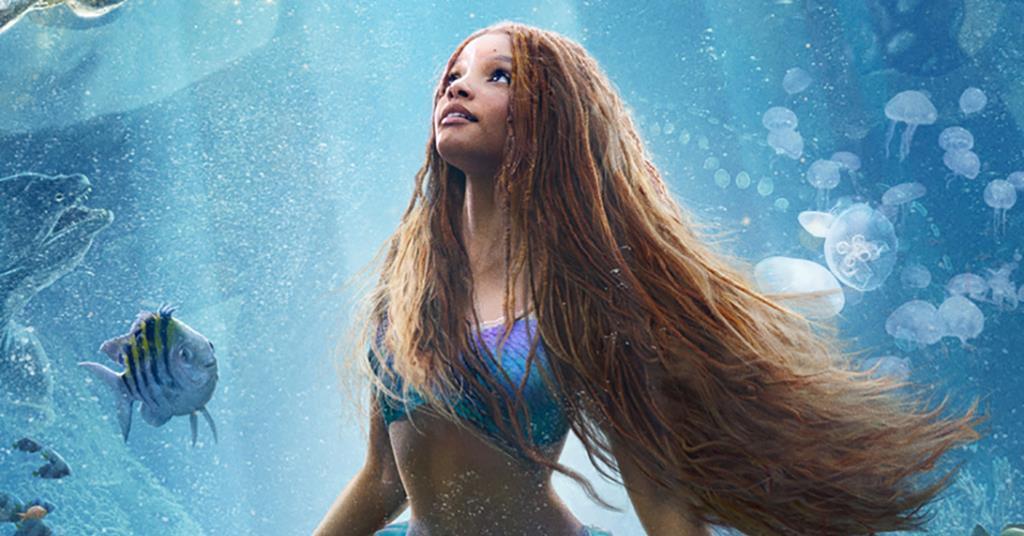
Why is The Little Mermaid Black is one of the most searched questions since Disney announced its live-action remake of the classic 1989 animated film.
The answer comes down to one major casting decision: singer and actress Halle Bailey was cast as Ariel in 2019, sparking both celebration and controversy online.
Disney’s live-action remakes have reimagined several animated classics with diverse casts, and Ariel’s casting became one of the most talked-about examples of this approach.
What Sparked the “Why Is The Little Mermaid Black” Question
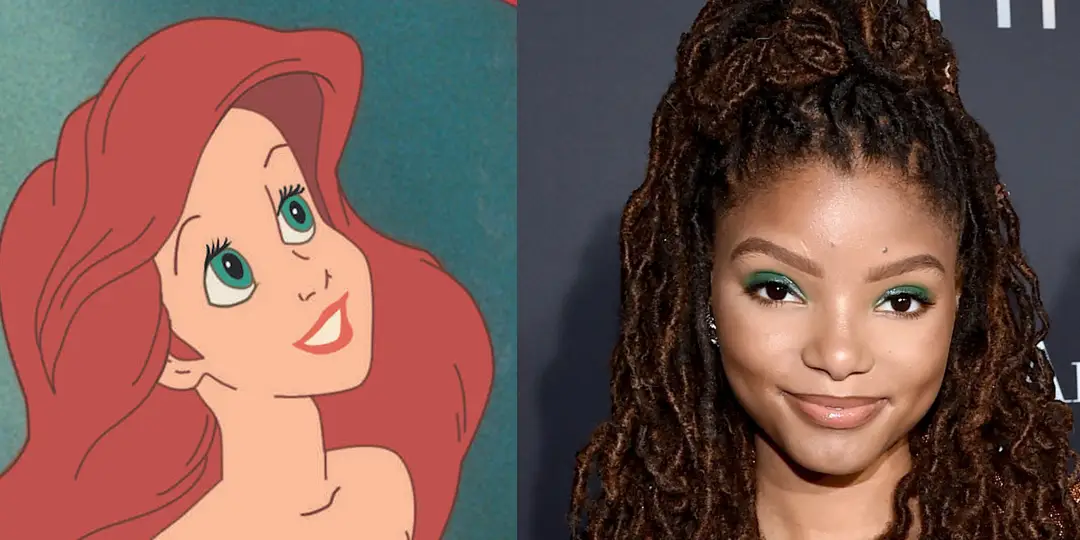
This question became a major search trend almost immediately after Disney’s casting announcement in 2019, and it resurfaced heavily around the film’s 2023 theatrical release.
The 2019 Casting Announcement
In July 2019, Disney officially announced that Halle Bailey, known for being part of the R&B duo Chloe x Halle, would play Ariel in the upcoming live-action remake.
Immediate Online Reaction
The announcement quickly went viral, generating both excitement from fans who welcomed a more diverse Disney princess lineup and backlash from people upset that Ariel wasn’t portrayed by a white actress.
Why the Question Resurged in 2023
When the film’s trailers and teasers were released ahead of its May 2023 premiere, search interest in “why is the Little Mermaid Black” spiked again as more people became aware of the casting.
Who Is Halle Bailey?
Understanding who plays Ariel helps explain why Disney made this casting choice in the first place.
Background as a Singer
Halle Bailey is one half of the Grammy-nominated R&B duo Chloe x Halle, alongside her sister Chloe Bailey, known for their work with Beyoncé’s Parkwood Entertainment.
Acting Career Before The Little Mermaid
Before landing the role of Ariel, Bailey was a series regular on the Freeform sitcom “Grown-ish,” gaining acting experience alongside her music career.
Age and Career Timeline
Bailey was in her late teens and early twenties during the casting and filming process, with the film’s 2023 release marking one of the biggest moments of her career so far.
How Halle Bailey Was Cast as Ariel
The casting process for Ariel was more deliberate and competitive than many people realize.
Director Rob Marshall’s Selection Process
Director Rob Marshall has explained that his team auditioned actresses of many different ethnicities for the role of Ariel, with no predetermined outcome in mind.
Discovering Halle Bailey’s Performance
According to reports, Marshall first noticed Bailey’s vocal talent while watching her perform at the Grammy Awards, which led him to invite her to audition for Ariel.
Bailey’s Audition Stood Out Immediately
Bailey was reportedly the very first actress to audition for the role, performing “Part of Your World” live, a moment described as moving the director to tears.
Approval From Disney Leadership
After the screen test, Marshall reportedly brought the footage directly to then-Disney CEO Bob Iger, who approved Bailey for the role within minutes.
What Marshall Looked for in Ariel
Marshall has described needing an actress who could combine innocence, vulnerability, strength, stubbornness, and joy, all qualities he felt Bailey embodied immediately.
The Official Reasons Behind the Casting Decision
Disney and the film’s creative team have given several explanations for why Bailey was chosen for the role.
Vocal Talent Was a Top Priority
Ariel’s role requires extensive singing, including the iconic song “Part of Your World,” and Bailey’s vocal ability was repeatedly cited as a deciding factor.
Acting Range and Emotional Depth
Beyond singing, Marshall emphasized that Ariel needed to convey a wide emotional range, something he felt Bailey demonstrated convincingly during her audition.
No Predetermined Casting Agenda
Marshall has stated publicly that there was “no agenda” behind the casting and that the production simply chose the actress who best fit the role after a wide search.
Studio-Level Support
The casting decision received quick approval from top Disney executives, indicating strong studio-level confidence in Bailey as the right choice for Ariel.
The Backlash: Why Some Fans Reacted Negatively
Not all reactions to the casting were positive, and understanding this backlash is part of answering the search query directly.
The #NotMyAriel Hashtag
Following the announcement, the hashtag “#NotMyAriel” began trending on social media, used primarily by people opposed to the casting choice.
Arguments Centered on Hair Color
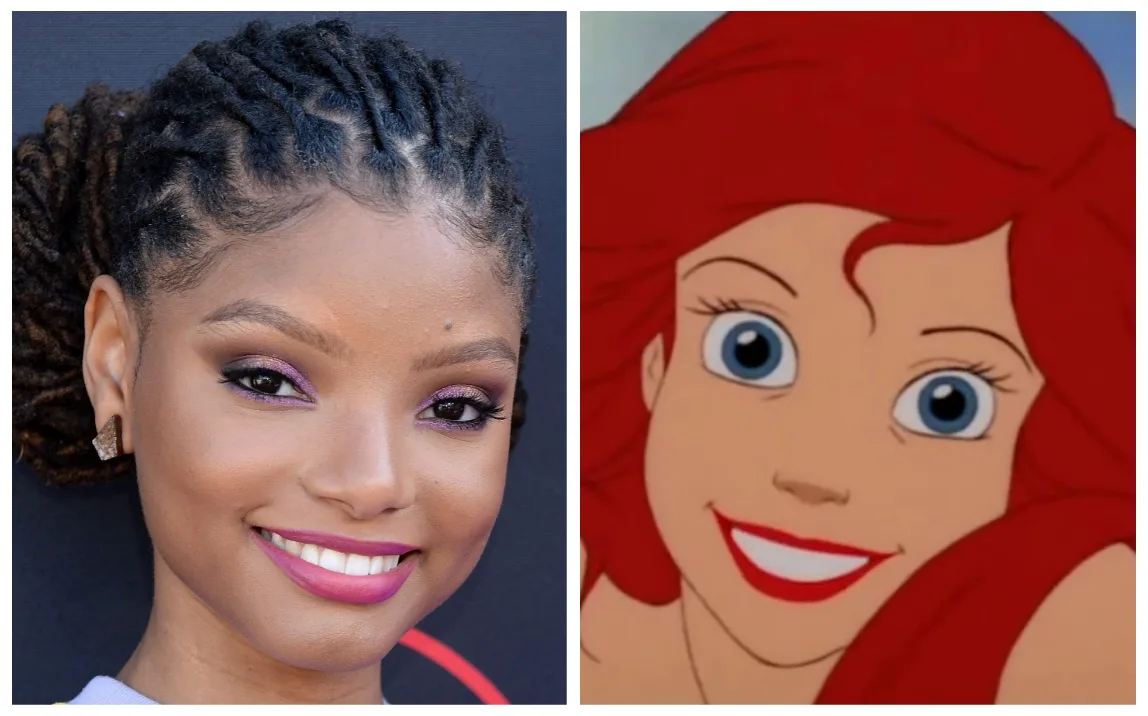
A common argument from critics focused on Ariel’s iconic red hair, claiming the character couldn’t be portrayed accurately by an actress without naturally red hair.
Accusations of “Forced Diversity”
Some critics argued that the casting represented unnecessary changes to a beloved character, framing the decision as politically motivated rather than performance-based.
Racist Elements of the Backlash
Multiple entertainment outlets have reported that a significant portion of the backlash went beyond casting preferences and included explicitly racist comments directed at Bailey.
How Halle Bailey Responded to the Criticism
Bailey has spoken publicly on multiple occasions about how she processed the reaction to her casting.
Early Response in 2019
Shortly after the announcement, Bailey told Variety that she felt the role was “something bigger” than herself and chose not to focus on negative comments.
Reaction to Children’s Responses
Bailey has described being emotionally moved by videos of young Black and brown children reacting positively to seeing themselves represented as Ariel.
Advice From Beyoncé
According to Bailey, Beyoncé had previously advised her and her sister never to read their comments, advice that became especially relevant during the casting controversy.
Reflecting on the Experience Years Later
In interviews following the film’s release, Bailey has described the overall experience as ultimately positive, saying it taught her to focus on her own perspective rather than outside noise.
How Ariel’s Look Was Adapted for Bailey
One major talking point involved how the production handled Ariel’s classic appearance for a live-action Black actress.
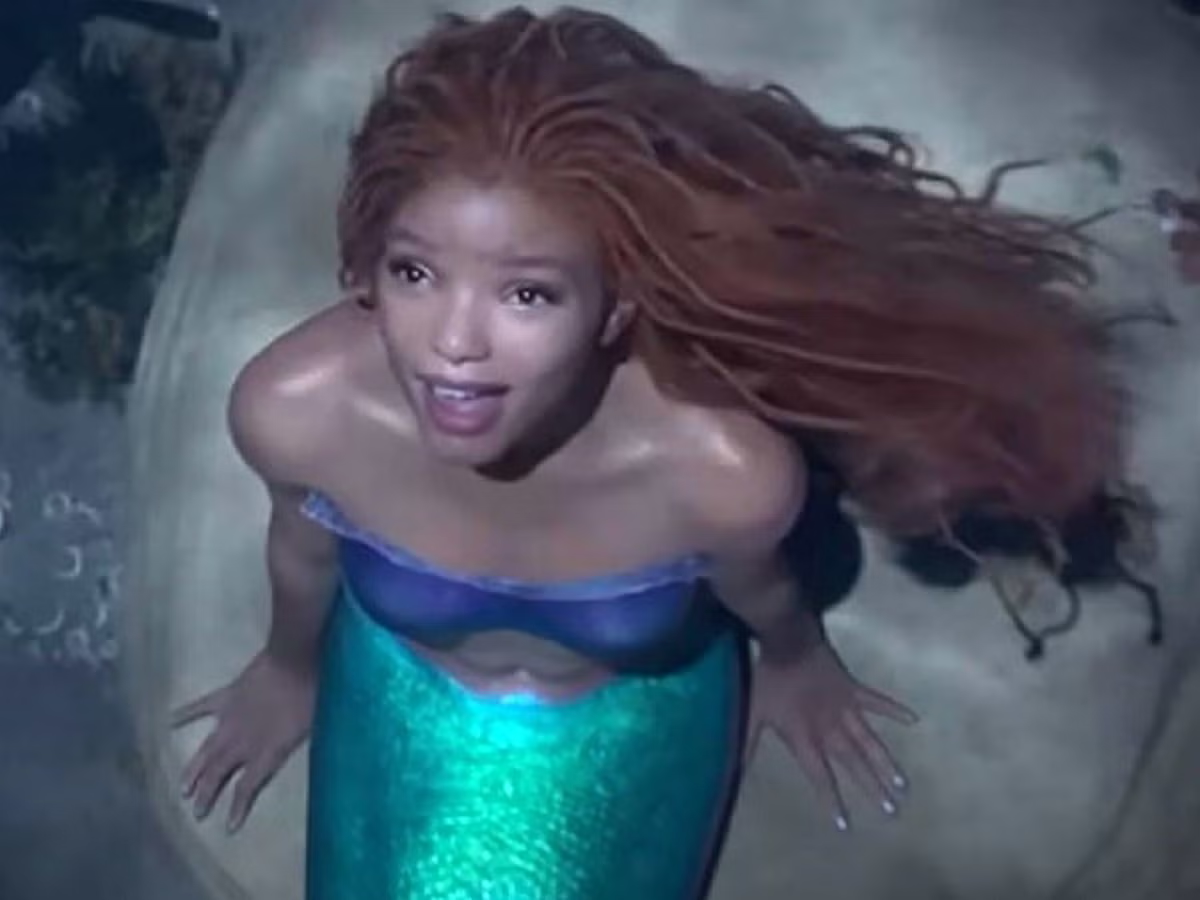
Keeping the Red Hair
Despite criticism, the filmmakers kept Ariel’s signature red hair as part of Bailey’s look, maintaining one of the character’s most recognizable traits.
Incorporating Bailey’s Natural Locs
Bailey has spoken about how important it was for her to incorporate her natural locs into Ariel’s hairstyle, blending the character’s iconic look with her own identity.
Visual Effects and Hair Styling Challenges
Reports detail that significant work went into creating Ariel’s hair using a combination of styling techniques and visual effects to achieve the underwater look.
Costume and Color Choices
The film’s costume and production design teams worked to maintain Ariel’s recognizable color palette while adapting it for live-action filming.
The Broader Trend: Disney’s Diverse Live-Action Casting
Ariel’s casting didn’t happen in isolation, it fits into a wider pattern across Disney’s live-action remake strategy.
Other Diverse Casting Choices in Remakes
Disney has cast actors of color in other live-action remakes and reimaginings, reflecting a broader industry shift toward more inclusive casting across major franchises.
Updating Classic Characters for Modern Audiences
Many studios have argued that updating classic characters helps stories resonate with broader, more diverse modern audiences who didn’t always see themselves represented in original animated versions.
Industry-Wide Conversations About Representation
The discussion around Ariel’s casting became part of a larger industry conversation about representation in family entertainment and children’s media.
Box Office and Critical Reception
Once the film was released, its performance became part of the ongoing conversation about the casting decision.
Opening Weekend Performance
“The Little Mermaid” performed strongly at the box office during its opening weekend in May 2023, despite the online controversy leading up to its release.
Critical Reviews of Bailey’s Performance
Critics largely praised Bailey’s vocal performance, with many reviews specifically highlighting her rendition of “Part of Your World” as a standout moment.
Audience Reactions From Families
Numerous reports highlighted positive reactions from families, particularly from parents of Black and brown children who saw the casting as meaningful representation.
A Quick Reference: Key Facts About the Casting
Here’s a simple breakdown of the most important facts related to this topic.
| Detail | Information |
|---|---|
| Actress Cast as Ariel | Halle Bailey |
| Casting Announcement Year | 2019 |
| Film Release Year | 2023 |
| Director | Rob Marshall |
| Key Song Performed | “Part of Your World” |
| Hairstyle Choice | Red hair with incorporated locs |
| Major Hashtag Backlash | #NotMyAriel |
| Other Notable Cast | Melissa McCarthy (Ursula), Jonah Hauer-King (Eric), Javier Bardem (King Triton) |
Why Representation Matters: The Other Side of the Conversation
While backlash dominated headlines, a large portion of the response to Ariel’s casting focused on positive representation.
Seeing Yourself in Beloved Characters
For many fans, seeing a Black actress portray a globally beloved Disney princess represented a meaningful shift in who gets to be the “main character” in major films.
Impact on Young Viewers
Multiple viral videos showed young children expressing excitement upon realizing Ariel could look like them, moments that were widely shared and discussed online.
Long-Term Cultural Impact
Entertainment analysts have noted that casting decisions like this one can influence how future generations of children view representation in media long after a film’s release.
Common Misconceptions About the Casting
A few misunderstandings frequently appear in discussions about this topic.
Misconception: The Casting Changed Ariel’s Personality
Despite claims that the character was fundamentally altered, the film retained Ariel’s core personality traits, including her curiosity, independence, and love of music.
Misconception: Red Hair Was Removed
Contrary to some claims, Ariel’s red hair remained a central part of her design in the live-action film, just adapted for Bailey’s natural hair texture.
Misconception: The Decision Was Purely Political
While representation was discussed as a benefit, multiple statements from the director and studio emphasized that the casting was primarily based on performance during auditions.
What This Means for Future Disney Casting Decisions
The conversation sparked by Ariel’s casting continues to influence how studios approach similar projects.
Continued Diverse Casting in Upcoming Projects
Disney has continued exploring diverse casting choices in subsequent live-action and animated projects, suggesting this approach remains part of its broader strategy.
Lessons Learned From Online Backlash
The intensity of the backlash against Bailey’s casting has been referenced in discussions about how studios and actors handle online criticism going forward.
Audience Expectations Going Forward
As more remakes and reboots are announced, audiences increasingly expect studios to address representation as part of the casting conversation from the start.
A Brief History of Ariel in Disney’s Animated Classic
To fully understand the casting conversation, it helps to revisit the original 1989 animated film and how Ariel became such an iconic character.
The 1989 Original Film
“The Little Mermaid” was released by Disney in 1989 and is often credited with launching the studio’s animation renaissance, becoming one of the most beloved animated films of its era.
Ariel’s Design in the Animated Version
In the original film, Ariel was animated with pale skin, long flowing red hair, and a green tail, a design that became instantly recognizable to generations of viewers.
The Source Material: Hans Christian Andersen’s Story
The original story comes from a Hans Christian Andersen fairy tale, which doesn’t specify a particular race or ethnicity for the mermaid character, leaving room for creative interpretation in adaptations.
Ariel’s Cultural Status Before the Remake
By the time the live-action remake was announced, Ariel had become one of the most merchandised and recognized Disney princesses worldwide, which contributed to the intensity of reactions to any casting changes.
The Timeline of Events Leading to the Live-Action Film
Understanding the full timeline helps explain how the casting conversation evolved over several years.
2016: The Remake Is Announced
Disney announced plans for a live-action “The Little Mermaid” remake in 2016, with Rob Marshall set to direct and Lin-Manuel Miranda brought on to work alongside original composer Alan Menken.
2018-2019: The Casting Search Begins
Over the following years, casting rumors and search efforts intensified, with multiple actresses reportedly considered for the role of Ariel during this period.
July 2019: Halle Bailey Is Announced
Disney officially confirmed Halle Bailey as Ariel in July 2019, immediately becoming major entertainment news and trending across social media platforms.
2020-2022: Production and Additional Casting
Filming and production continued over the following years, with additional cast members announced, including Melissa McCarthy as Ursula and Javier Bardem as King Triton.
May 2023: Theatrical Release
The film was released in theaters in May 2023, bringing renewed attention to the casting conversation that had started years earlier.
How Media Outlets Covered the Casting Controversy
The way different publications framed the story played a role in shaping public perception.
Entertainment News Coverage
Major entertainment outlets covered the casting announcement extensively, often framing it within the context of Disney’s broader diversity efforts across its franchises.
Social Media Amplification
Platforms like Twitter and TikTok played a significant role in amplifying both supportive and critical reactions, with viral posts shaping much of the public conversation.
Follow-Up Stories on Bailey’s Experience
In the years following the film’s release, several outlets published follow-up interviews with Bailey reflecting on the casting controversy from a distance, often framing her response as a story of resilience.
Comparing Reactions: Then vs Now
Public reaction to the casting has shifted somewhat in the years since the original announcement.
Reaction in 2019 vs 2023
While the 2019 announcement generated significant immediate backlash, reactions around the 2023 release were more mixed, with many viewers focusing on the film itself rather than the casting decision.
Reaction in 2026 and Beyond
By 2026, much of the conversation has shifted toward reflecting on the controversy retrospectively, with interviews focusing on what Bailey learned from the experience rather than reigniting the original debate.
Shifting Public Discourse Around Representation
Over time, broader public discourse around representation in major franchises has evolved, with more examples of diverse casting across the industry normalizing these kinds of decisions.
What Other Cast and Crew Have Said
Bailey wasn’t the only person involved in the production to comment on the casting and its reception.
Director Rob Marshall’s Perspective
Marshall has repeatedly emphasized that he didn’t anticipate the scale of the reaction, noting that he felt the industry had moved past this kind of controversy before realizing it hadn’t.
Co-Star Reactions
Other cast members have publicly expressed support for Bailey throughout the casting controversy and film’s release, with some addressing the topic directly in interviews and on social media.
Industry Figures Weighing In
Various figures within the entertainment industry voiced support for Bailey’s casting, framing it as part of a positive shift toward more inclusive storytelling in major franchises.
The Role of Music in the Casting Decision
Ariel’s musical numbers played a uniquely important role in this particular casting decision.
“Part of Your World” as a Key Audition Piece
This iconic song has long been considered one of the most demanding vocal performances in Disney’s animated catalog, making it a critical test during auditions.
Bailey’s Musical Background as an Advantage
Given her background as a Grammy-nominated R&B artist, Bailey’s vocal training and experience were seen as directly relevant to the demands of the role.
New Songs Added for the Remake
The live-action remake also included new songs written specifically for the film, giving Bailey additional opportunities to showcase her vocal range beyond the original soundtrack.
How This Casting Fits Into Conversations About Fairy Tale Adaptations
Fairy tale characters have long been adapted differently across cultures and eras, and Ariel’s casting is part of that ongoing tradition.
Fairy Tales Have Always Been Adapted
Throughout history, fairy tales have been retold and reimagined across different cultures, often with characters adapted to reflect the audience or setting of a particular version.
Mermaids in Different Cultural Traditions
Mermaid mythology exists across many cultures worldwide, with descriptions and depictions varying significantly depending on regional folklore.
Why Some Adaptations Generate More Discussion Than Others
Given Ariel’s status as one of the most recognizable Disney characters globally, changes to her depiction were always likely to generate more public discussion than adaptations of lesser-known characters.
Frequently Asked Questions (FAQs)
Why is Ariel played by a Black actress in the live-action Little Mermaid?
Disney cast Halle Bailey based on her vocal talent and acting audition, with the director stating there was no specific agenda behind the choice.
Who plays Ariel in the 2023 live-action Little Mermaid?
Halle Bailey, known for the R&B duo Chloe x Halle, plays Ariel in the live-action remake released in 2023.
When was Halle Bailey cast as Ariel?
Disney announced Bailey’s casting as Ariel in July 2019, several years before the film’s 2023 release.
Did Ariel’s hair color change in the live-action film?
No, Ariel kept her signature red hair, which was styled to incorporate Bailey’s natural locs.
What was the #NotMyAriel backlash about?
It was a hashtag used by critics of Bailey’s casting, with many arguments centered on her race and hair, some of which were widely described as racist.
How did Halle Bailey respond to the backlash?
Bailey said she focused on the positive impact of the role and avoided reading negative comments, drawing on advice from Beyoncé.
Was the casting decision based on diversity alone?
No, the director emphasized that the casting was based on Bailey’s vocal ability, acting range, and overall audition performance.
How did audiences react to the film overall?
The film performed well at the box office, and Bailey’s performance, especially her singing, received strong praise from critics.
Did children respond positively to the casting?
Yes, many viral videos showed young Black and brown children reacting with excitement to seeing Ariel portrayed by a Black actress.
Is Disney likely to continue diverse casting in future remakes?
Based on its recent projects, Disney appears likely to continue exploring diverse casting choices across upcoming live-action and animated films.
Conclusion
Why is The Little Mermaid Black ultimately comes down to a casting decision rooted in talent, performance, and Disney’s broader approach to live-action remakes.
Halle Bailey was chosen as Ariel after an extensive audition process that impressed both the director and studio leadership, with her vocal ability standing out as a key factor.
While the announcement sparked significant online backlash, much of it tied to race, it also generated widespread positive reactions, particularly from families who saw meaningful representation in a beloved character.
The film itself went on to perform well commercially and earned praise for Bailey’s performance. As Disney continues shaping its live-action universe, this casting decision remains a notable example of how representation, performance, and audience reaction intersect in modern entertainment.