Why Does the Top of My Mouth Hurt? What It Means 2026
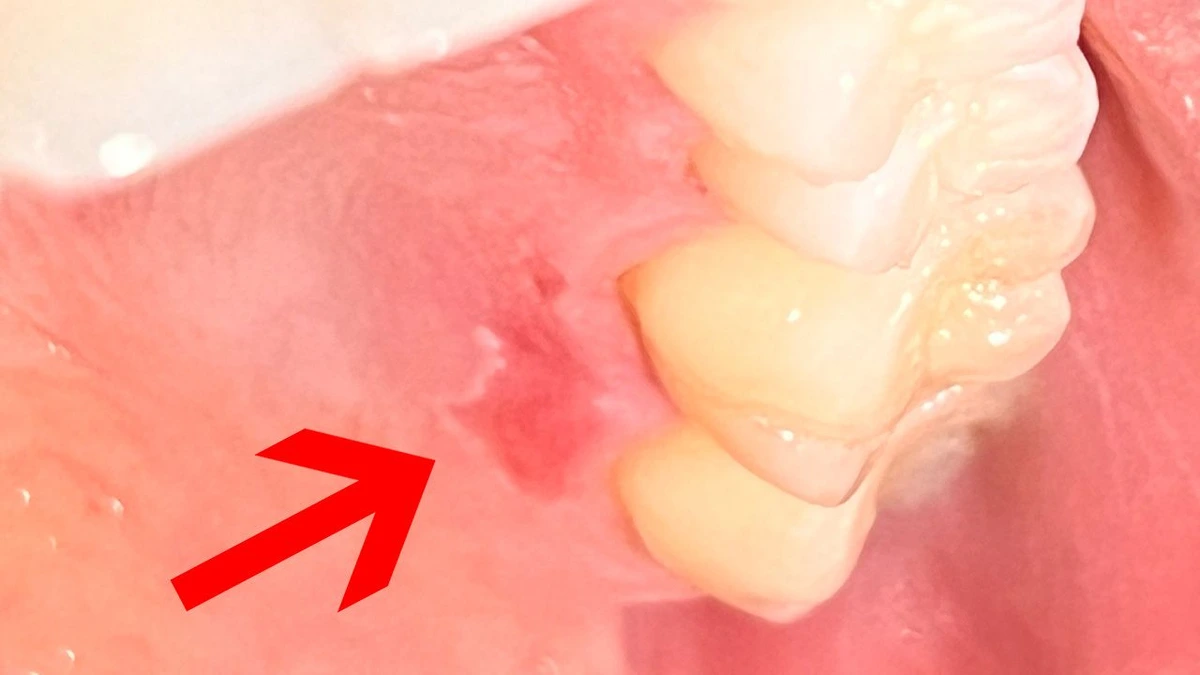
Why does the top of my mouth hurt is one of the most commonly searched dental questions in 2026. The roof of your mouth, also called the palate, is a sensitive area that comes into contact with everything you eat, drink, and breathe.
Pain there can range from a minor burn after hot coffee to a persistent soreness that signals something deeper. Understanding the cause is the first step toward finding the right relief.
Understanding the Anatomy of the Roof of Your Mouth
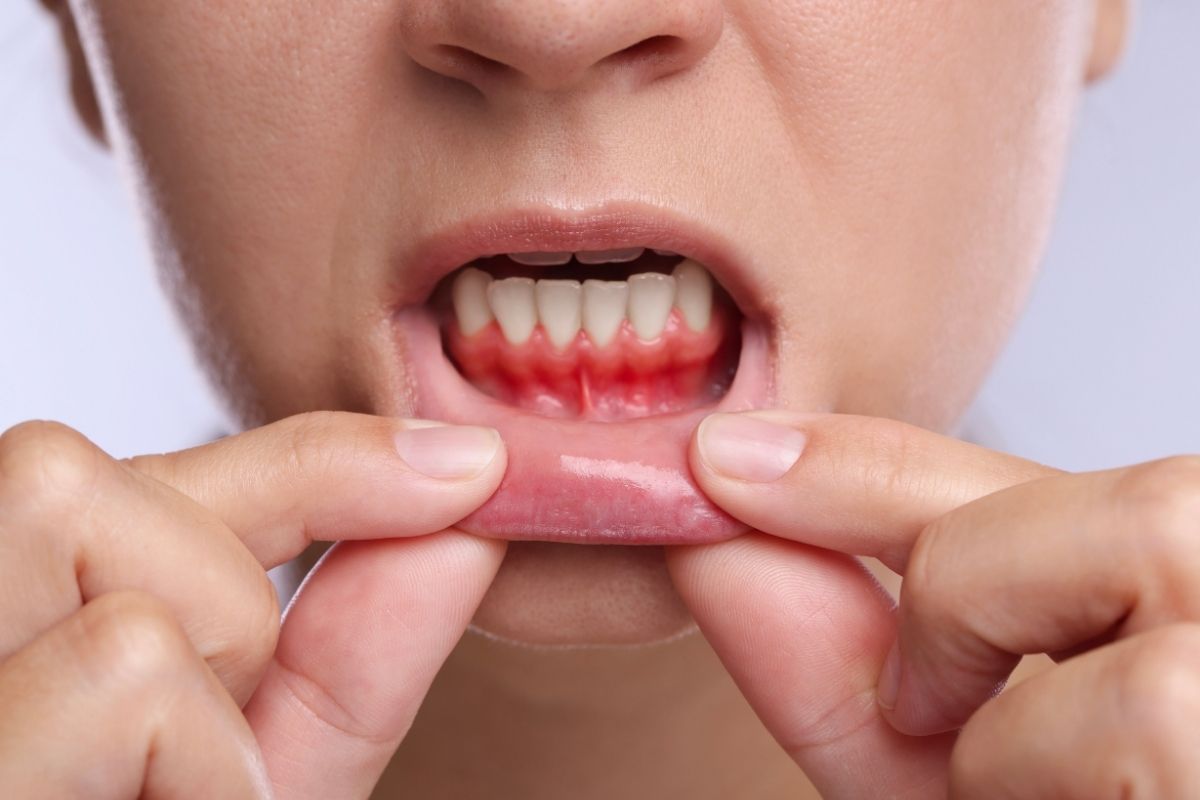
Before getting into causes, it helps to know what the “top of your mouth” actually consists of. The palate is divided into two distinct sections.
The hard palate is the firm, bony area at the front, just behind your upper teeth. It is covered with a thin layer of mucous membrane. The soft palate sits at the back, closer to your throat. It is fleshy, flexible, and plays a key role in swallowing and speaking.
Both sections can develop pain. Knowing roughly which part hurts can help narrow down the cause significantly.
Most Common Causes of Pain at the Top of the Mouth
Burns from Hot Food or Drinks (Pizza Palate)
The single most common reason the top of your mouth hurts is a thermal burn. This happens when you eat hot pizza, take a sip of scalding coffee, or eat freshly heated soup without letting it cool.
The tissue on the roof of your mouth is thin and surprisingly delicate. A burn can happen before you even register the temperature. This is so common it has an unofficial name — “pizza palate.”
Symptoms include a raw, tender, or peeling sensation on the hard palate. You may notice the skin looks slightly white or blistered. The pain usually resolves in 3 to 7 days with basic home care.
How long it takes to heal: 1 to 2 weeks depending on severity.
Canker Sores (Aphthous Ulcers)
Canker sores are small, painful ulcers that can form on the roof of your mouth, gums, tongue, or inner cheeks. They appear as round or oval lesions with a white or yellow center and a distinct red border.
They are not contagious and are not caused by a virus. Common triggers include stress, fatigue, minor trauma, acidic foods, hormonal changes, and certain food sensitivities.
Canker sores are extremely painful relative to their small size. They can make eating, drinking, and speaking uncomfortable. Most resolve on their own within 7 to 14 days without treatment.
| Feature | Canker Sore | Cold Sore |
|---|---|---|
| Location | Inside the mouth (palate, gums, tongue) | On or near the lips |
| Contagious | No | Yes (HSV virus) |
| Cause | Unknown, stress/diet triggers | Herpes Simplex Virus (HSV-1) |
| Healing time | 7–14 days | 7–10 days |
| Treatment | Topical gels, saltwater rinse | Antiviral medications |
Cold Sores on the Palate
Cold sores are caused by the herpes simplex virus (HSV-1) and are contagious. They most commonly appear on or near the lips. However, in some cases they can develop on the roof of the mouth, causing pain, tingling, and fluid-filled blisters.
Early treatment is important. Antiviral medications can shorten the duration and reduce severity. Good hygiene and avoiding close contact during an outbreak helps prevent spreading the virus.
Physical Trauma and Cuts
Eating hard or sharp foods — tortilla chips, crackers, hard bread crusts, crusty pizza edges — can scratch or cut the delicate mucosal tissue on the roof of your mouth. Dental appliances like braces, retainers, or ill-fitting dentures are also common culprits.
These minor traumas usually heal within a few days. They are uncomfortable but not dangerous. If an injury does not heal within two weeks, or if it becomes infected, a dental visit is warranted.
Infections That Cause Palate Pain
Oral Thrush (Candidiasis)
Oral thrush is a fungal infection caused by an overgrowth of Candida yeast that naturally lives in the mouth. When the natural microbial balance is disrupted, Candida multiplies rapidly and creates creamy white patches on the palate, tongue, and inner cheeks.
These patches can feel sore, burning, or itchy — especially when eating. They sometimes wipe off, revealing raw red tissue underneath. This distinguishes thrush from other white lesions.
Risk factors for oral thrush:
- Recent antibiotic use (which disrupts normal oral bacteria)
- Weakened immune system (HIV, diabetes, chemotherapy)
- Dry mouth or reduced saliva production
- Use of inhaled steroids for asthma
- Wearing dentures
Treatment requires prescription antifungal medication. A dentist or doctor can confirm the diagnosis and prescribe the appropriate antifungal rinse, lozenges, or tablets.
Sinus Infections and Sinus Pressure
Your upper teeth and the hard palate share nerve pathways with your maxillary sinuses. When the sinuses become inflamed from a cold, bacterial infection, or seasonal allergies, the pressure and swelling can produce a dull ache that radiates directly to the roof of your mouth.
This type of pain usually covers the full width of the palate rather than a single point. It is typically accompanied by nasal congestion, facial pressure, postnasal drip, or a reduced sense of smell.
Once the sinus infection clears, the palate pain usually resolves along with it. Decongestants, saline nasal rinses, and in some cases antibiotics are the standard approach.
| Sinus Pressure vs. Dental Abscess | Sinus Pressure | Dental Abscess |
|---|---|---|
| Pain type | Diffuse, dull ache | Throbbing, localized |
| Location | Across the full palate | Around one specific tooth |
| Other symptoms | Nasal congestion, headache | Swelling, fever, bad taste |
| Worsens with | Bending forward | Eating, pressure on tooth |
Strep Throat and Other Throat Infections
Streptococcal infections cause a sore throat and can also cause pain and inflammation that extends to the soft palate. If the back roof of your mouth hurts when you swallow, a throat infection like strep or tonsillitis may be the cause.
A doctor can confirm strep throat with a simple swab test. Treatment is a course of antibiotics. Pain in the soft palate usually resolves as the infection clears.
Dental Causes of Top-of-Mouth Pain
Dental Abscess and Tooth Infections
A dental abscess is a pocket of infection that forms at the root of a tooth or in the surrounding gum tissue. The roots of the upper back molars sit very close to the floor of the sinus cavities and the palate tissue.
When infection spreads from an upper tooth, the resulting pain can feel like it is coming from the roof of your mouth rather than the tooth itself. This is called referred pain.
Other signs of a dental abscess include a persistent toothache, swelling in the jaw or face, a bad taste in the mouth, and sometimes fever. This requires prompt dental treatment — antibiotics alone are not enough, and the source of infection must be addressed.
Ill-Fitting Dental Appliances
Braces, retainers, dentures, and bite guards can rub against the palate and cause localized sores or pressure pain. Dentures in particular are a common cause of palate soreness in older adults.
If a new appliance is causing pain, contact your dentist for an adjustment. Do not simply tolerate the discomfort, as ongoing friction can lead to ulcers or infections.
Less Common but Important Causes
Burning Mouth Syndrome
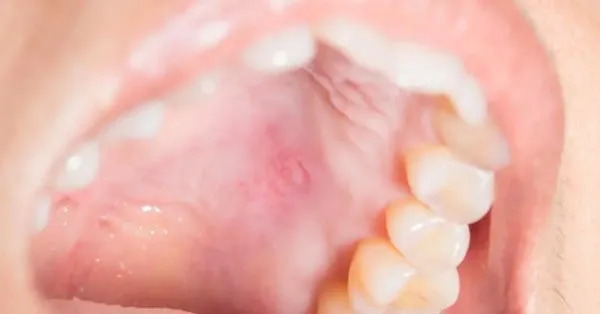
Burning mouth syndrome (BMS) is a chronic condition characterized by a persistent burning or scalding sensation in the mouth — including the roof — with no visible cause. There are no sores, no white patches, and no obvious injury.
Symptoms are often more intense in the morning and may lessen as the day goes on. It is most common in post-menopausal women, though it can affect anyone.
Contributing factors include dry mouth, oral thrush, acid reflux, stress, nutritional deficiencies (vitamin B12, iron, folate, zinc), and hormonal changes. Treatment depends on identifying and addressing the underlying cause.
Signs that suggest burning mouth syndrome:
- Burning sensation with no visible lesion
- Pain that is consistent rather than tied to eating one specific food
- Affects multiple areas (tongue, lips, palate) simultaneously
- Symptoms have persisted for weeks or months
Torus Palatinus (Bony Growth on the Palate)
Torus palatinus is a benign bony growth that forms along the midline of the hard palate. It is surprisingly common — between 20% and 30% of adults have it — and most people never know unless a dentist points it out.
The growth is not cancerous and does not require treatment in most cases. However, if sharp or hard food repeatedly traumatizes the thin tissue covering the growth, it can become sore and tender.
If a new or growing lump appears on the roof of your mouth, see a dentist to confirm it is torus palatinus and rule out other conditions.
Nutritional Deficiencies
Deficiencies in vitamin B12, iron, zinc, or folate can cause the mucous membranes in the mouth to become more susceptible to sores, inflammation, and soreness. If you experience recurrent canker sores or unexplained palate soreness, a blood test to check these levels is worth discussing with your doctor.
Acid Reflux (GERD)
Gastroesophageal reflux disease can allow stomach acid to travel up into the throat and mouth during sleep. This repeated acid exposure can irritate and inflame the soft palate. It is one of the less-suspected causes of persistent throat or palate soreness, particularly when you wake up with a sore mouth in the morning.
Oral Cancer (Rare but Important)
While rare, persistent pain or a sore on the roof of your mouth that does not heal within two to three weeks should always be evaluated by a dentist or doctor. Warning signs that require immediate attention include:
- A sore or ulcer that doesn’t heal after 2–3 weeks
- A lump or thickening in the palate tissue
- White or red patches that cannot be wiped away
- A lesion that feels unusually hard or firm
- Unexplained bleeding from the palate
Early detection of oral cancer dramatically improves treatment outcomes. Never delay an evaluation out of fear — most palate lesions are benign, but it is always worth checking.
How to Identify the Cause Based on Pain Type
Different types of pain point toward different causes. This quick reference can help.
| Pain Type | Most Likely Cause |
|---|---|
| Burning/raw with no visible sore | Thermal burn, dry mouth, burning mouth syndrome |
| Stabbing pain at one specific spot | Canker sore, trauma, sharp food cut |
| Throbbing or pulsing | Dental abscess, sinus inflammation |
| Dull pressure across full palate | Sinus infection or congestion |
| Itching with swelling | Allergic reaction (new toothpaste, food, latex) |
| White patches that wipe off | Oral thrush |
| Bump or lump that is sore | Torus palatinus, canker sore, cold sore blister |
| Pain when swallowing | Throat infection, strep, sinus infection |
When the Top of the Mouth Hurts When Eating
Pain specifically triggered by eating is often caused by a burn, canker sore, or cut that gets aggravated by chewing or contact with food. Certain foods make it worse.
Foods that commonly aggravate palate pain:
- Hot foods and beverages
- Acidic foods like tomatoes, citrus, and vinegar-based dressings
- Spicy foods
- Crunchy or sharp foods (chips, crackers, toast)
- Salty or sugary snacks
Switching to soft, cool, or room-temperature foods while the palate heals is the most effective short-term strategy.
Why the Top of My Mouth Hurts When I Wake Up
Morning palate soreness is a distinct pattern with its own set of causes. The most common reasons include:
Mouth breathing during sleep dries out the palate and leaves it raw and tender in the morning. A humidifier in the bedroom and addressing nasal congestion can help.
Bruxism (teeth grinding) puts significant pressure on the palate and jaw throughout the night. A custom night guard from your dentist protects the teeth and reduces palate strain.
Acid reflux during sleep allows stomach acid to irritate the soft palate. Elevating the head of your bed and avoiding eating close to bedtime can reduce this.
Dry mouth from medications is common with antihistamines, antidepressants, and blood pressure medications. Talk to your doctor about adjusting dosage or timing if dry mouth is a persistent issue.
Home Remedies for Top-of-Mouth Pain
For minor causes — burns, canker sores, small cuts — several home remedies effectively reduce pain and speed healing.
Saltwater rinse: Dissolve half a teaspoon of salt in a glass of warm water. Rinse gently for 30 seconds, 2 to 3 times a day. Saltwater is a natural antimicrobial that reduces inflammation and keeps the area clean.
Cold water and cold foods: Cold temperatures reduce inflammation and numb the area temporarily. Ice chips, cold yogurt, and chilled soft foods are ideal when the palate is sore.
Over-the-counter pain relief: Ibuprofen or acetaminophen can manage pain. Topical oral gels containing benzocaine provide direct, localized numbing.
Honey: Applied directly to a canker sore or burn, raw honey has natural antibacterial and soothing properties. Let it sit on the area for a minute before swallowing.
Avoid irritants: Stay away from spicy, acidic, and crunchy foods until the palate heals. Avoid alcohol-based mouthwashes, which can dry and irritate the tissue further.
Stay hydrated: Adequate water intake keeps saliva production up, which is the mouth’s natural defense against infection and irritation.
Medical Treatments for Palate Pain
When home remedies are not enough or the cause requires medical attention, treatment depends entirely on the underlying condition.
| Cause | Medical Treatment |
|---|---|
| Oral thrush | Antifungal medication (fluconazole, nystatin rinse) |
| Cold sores | Antiviral medication (acyclovir, valacyclovir) |
| Bacterial infection/strep | Antibiotics prescribed by a doctor |
| Dental abscess | Root canal, tooth extraction, or drainage procedure |
| Burning mouth syndrome | Treating the underlying cause, clonazepam, CBT |
| Sinus infection | Decongestants, nasal corticosteroids, or antibiotics |
| Canker sores (severe) | Prescription corticosteroid rinse or paste |
| Allergic reaction | Antihistamines, avoiding the trigger |
When to See a Doctor or Dentist
Most causes of palate pain are minor and resolve within 1 to 2 weeks. However, certain symptoms should not be waited out.
See a dentist or doctor promptly if:
- Pain lasts more than 2 weeks without improvement
- You have a visible sore or lump that is growing or not healing
- White or red patches appear that cannot be wiped away
- Swallowing becomes difficult or painful
- You develop a fever alongside mouth pain
- Pain is severe and disrupting eating or sleeping
- You notice unexplained bleeding from the palate
These signs do not automatically mean something serious is wrong, but they need professional evaluation to rule out conditions like infection, abscess, or oral cancer.
The Role of Stress in Palate and Mouth Pain
Stress has a direct and well-documented impact on oral health. When stress levels rise, the immune system weakens, making the body more susceptible to canker sores, cold sore outbreaks, and oral thrush.
Stress also triggers bruxism (teeth grinding), which puts pressure on the palate and jaw. Elevated cortisol disrupts the natural microbial balance in the mouth, increasing the risk of fungal overgrowth.
If you notice that palate pain flares during high-stress periods, addressing the stress is part of the treatment. Regular sleep, exercise, and stress reduction techniques can meaningfully reduce the frequency of stress-related oral symptoms.
Children and Palate Pain
Children commonly experience palate pain from burns, canker sores, and minor trauma — the same causes as adults. However, parents should take note of a few additional considerations.
Hand, foot, and mouth disease (caused by the Coxsackievirus) is common in young children and causes painful sores throughout the mouth, including the palate. It is contagious and typically resolves in 7 to 10 days.
Herpangina, another viral infection, causes sudden high fever and painful blisters at the back of the mouth and soft palate. It requires medical evaluation.
Any palate sore in a child that does not improve within a week, or that is accompanied by fever, difficulty swallowing, or refusal to eat, warrants a pediatric dental or medical visit.
Preventing Palate Pain
While not every cause can be prevented, several habits reduce the risk of recurring palate discomfort.
Let hot food cool before eating. Most palate burns are easily avoidable by waiting an extra two to three minutes before eating hot foods.
Maintain a balanced diet. Adequate vitamin B12, iron, folate, and zinc reduce the risk of mouth sores and mucous membrane vulnerability.
Practice thorough oral hygiene. Brushing twice daily, flossing, and using an alcohol-free mouthwash reduces the bacterial and fungal load in the mouth.
Stay hydrated. Saliva is the mouth’s first line of defense. Drinking enough water throughout the day keeps the palate protected and moist.
Manage stress. Given the direct link between stress and oral health, regular stress management supports a healthier mouth overall.
Wear a night guard if you grind your teeth. Bruxism is a common and underdiagnosed source of palate and jaw pain. A custom night guard is highly effective.
Frequently Asked Questions (FAQs)
Why does the top of my mouth hurt for no reason?
Unexplained palate pain is often caused by an early-stage canker sore, dry mouth, or mild nutritional deficiency. If it persists beyond two weeks, see a dentist for a proper evaluation.
Why does the roof of my mouth hurt when I swallow?
Pain during swallowing is often linked to a throat infection, sinus infection, or soft palate ulcer. Enlarged tonsils or strep throat are common culprits and respond well to antibiotic treatment.
Can a sinus infection make the roof of my mouth hurt?
Yes. Your upper teeth and palate share nerve pathways with the sinus cavities. Sinus pressure and inflammation can create a dull ache that radiates directly to the roof of your mouth.
How long does a burned palate take to heal?
A mild thermal burn on the palate typically heals in 3 to 7 days. More severe burns may take up to 2 weeks. Cold foods, saltwater rinses, and avoiding irritants help speed healing.
What does oral thrush look like on the roof of the mouth?
Oral thrush appears as creamy white patches on the palate, tongue, or inner cheeks. They may be sore or burning and sometimes wipe off to reveal raw red tissue underneath. It requires antifungal treatment.
Why does the top of my mouth hurt in the morning?
Morning palate pain is most commonly caused by mouth breathing during sleep, nighttime acid reflux, or bruxism (teeth grinding). A humidifier, dietary adjustments, or a night guard can each make a significant difference.
Is a lump on the roof of my mouth dangerous?
Most lumps on the palate are benign, including torus palatinus and canker sore blisters. However, any lump that does not resolve within two weeks, feels firm, or is accompanied by bleeding should be examined by a dentist to rule out serious causes.
Can stress cause the roof of my mouth to hurt?
Yes. Stress weakens the immune system and triggers canker sores, cold sore outbreaks, and oral thrush. It also promotes teeth grinding, which puts direct pressure on the palate.
When should I be worried about roof of mouth pain?
Seek prompt evaluation if pain persists beyond 2 weeks, if you have a sore or lump that isn’t healing, if white or red patches appear that can’t be wiped away, or if swallowing becomes difficult. These signs warrant professional assessment.
What home remedies work best for palate pain?
Saltwater rinses, cold water, over-the-counter pain relievers, topical numbing gels, and honey are the most effective home treatments for minor burns, canker sores, and cuts. Avoid spicy, acidic, or crunchy foods while the palate heals.
Conclusion
Why does the top of my mouth hurt is a question with a wide range of possible answers — but most of the time, the cause is something minor and manageable.
Burns from hot food, canker sores, and small cuts are the most common culprits, and they typically resolve within one to two weeks with basic home care. Infections like oral thrush or a sinus infection may require medication, while dental problems like an abscess need professional treatment as soon as possible.
The key is paying attention to how long the pain lasts, where it is located, and what other symptoms accompany it. Most palate pain is nothing to worry about.
But pain that persists beyond two weeks, comes with a visible lump, or makes swallowing difficult should always be evaluated by a dentist or doctor. Early attention to unusual palate symptoms leads to faster relief and better outcomes.