Why Do I Have White Spots on My Teeth? Should You Worry? 2026
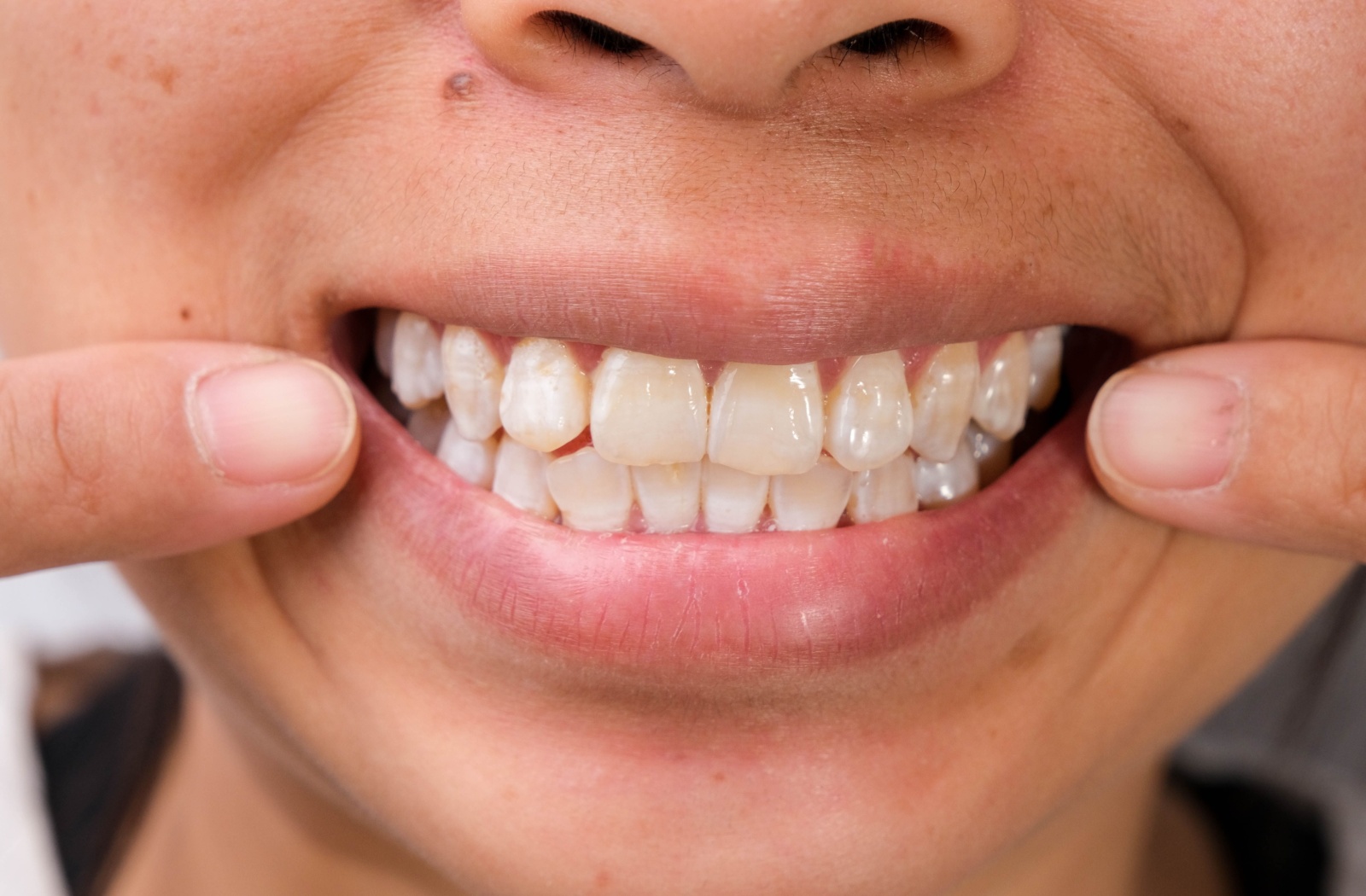
Why do I have white spots on my teeth is one of the most common dental questions people search for in 2026. Those chalky, opaque patches on your enamel can appear suddenly or have been there since childhood. They may be small or cover large portions of a tooth.
Some are harmless cosmetic issues while others signal early tooth decay. The good news is that most causes are well understood by dentists and most cases are very treatable.
What Are White Spots on Teeth?
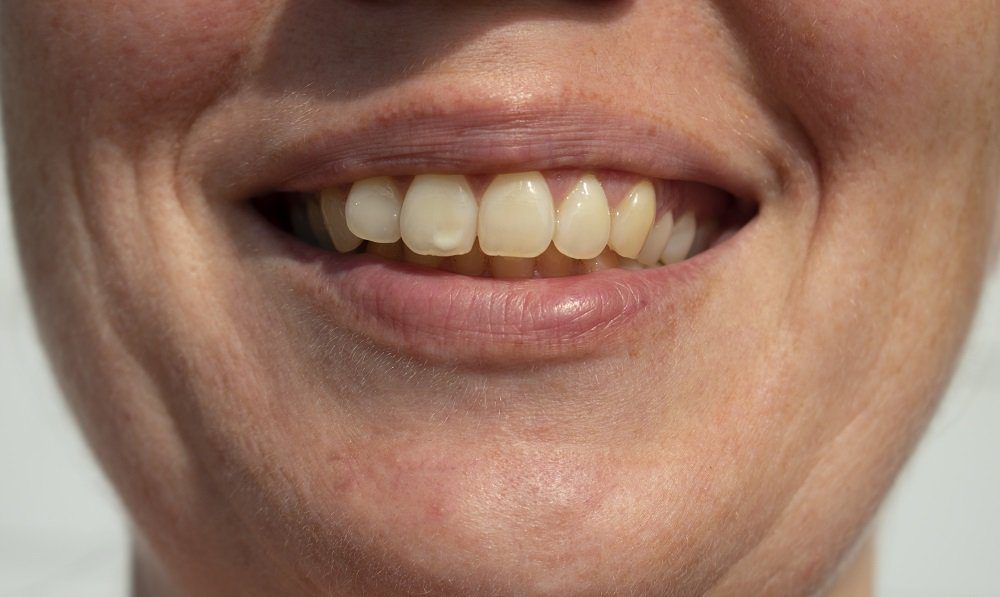
White spots on teeth are areas of enamel that appear lighter, chalky, or more opaque than the surrounding tooth surface. They are not stains in the traditional sense but rather changes in the mineral composition or density of the enamel itself.
The enamel in a white spot area has typically lost minerals like calcium and phosphate, causing it to reflect light differently. This creates the bright, whitish appearance that stands out against the rest of the tooth.
White spots can appear on baby teeth or permanent teeth, on front teeth or back teeth, and they can affect one tooth or many at the same time.
Are White Spots on Teeth a Sign of Something Serious?
In most cases, white spots on teeth are not a sign of a serious health emergency. However, some causes do indicate that early tooth decay is present or that a systemic health condition may be involved.
The key is identifying the cause. A white spot caused by dental fluorosis is purely cosmetic and poses no health risk. A white spot caused by demineralization is a warning sign that a cavity could form if left untreated.
When in doubt, always consult a dentist. Early diagnosis leads to simpler and less costly treatment in every case.
Cause 1: Dental Fluorosis
Dental fluorosis is one of the most common causes of white spots on teeth worldwide. It happens when children are exposed to too much fluoride during the years when their teeth are still forming under the gums.
The condition only develops in children under the age of 8, before the permanent teeth have fully erupted. Once the teeth have broken through the gum line, fluorosis can no longer occur.
Sources of excess fluoride include swallowing toothpaste, drinking heavily fluoridated tap water, and taking fluoride supplements in doses higher than recommended. Fluorosis is a cosmetic issue only and does not affect the health of the teeth.
What Fluorosis Looks Like
Mild fluorosis appears as faint white lines or streaks across the tooth surface. Moderate to severe fluorosis can cause more pronounced white patches, chalky spots, or even yellowish and brown discoloration in serious cases.
The spots from fluorosis are usually symmetrical, appearing on the same teeth on both sides of the mouth. This symmetry is one of the hallmarks that dentists use to identify fluorosis versus other causes.
Cause 2: Enamel Demineralization
Demineralization is the process by which acids produced by oral bacteria strip minerals out of the tooth enamel. This is actually the very first stage of tooth decay.
When plaque builds up on the tooth surface, the bacteria within it feed on sugars and produce lactic acid. This acid pulls calcium and phosphate ions out of the enamel, creating a weakened, porous area that appears white.
The important thing to understand is that at this stage the damage is potentially reversible. With the right treatment, remineralization can restore the enamel before a full cavity forms.
White Spots from Demineralization After Braces
Demineralization is especially common in people who wear fixed orthodontic braces. The brackets and wires create hard-to-clean areas where plaque accumulates rapidly.
Studies show that white spot lesions develop in a significant percentage of orthodontic patients during treatment. The spots typically appear on the outer surface of the tooth, adjacent to the bracket.
The good news is that research shows these white spots often become less visible 1 to 2 years after braces are removed as the enamel naturally re-absorbs some minerals. Professional treatment can speed up this process considerably.
Cause 3: Enamel Hypoplasia (Turner’s Tooth)
Enamel hypoplasia is a developmental condition in which the tooth enamel forms thinner or less mineralized than normal. It is sometimes called Turner’s tooth when it affects a single tooth.
This condition affects the tooth before it even erupts from the gum. Several factors can disrupt the enamel-forming process during tooth development.
These factors include nutritional deficiencies, birth trauma, premature birth, fever or childhood illness during tooth development, certain medications taken during pregnancy or infancy, and genetics.
What Enamel Hypoplasia Looks Like
The white spots from enamel hypoplasia tend to appear as distinct opaque patches, pits, or grooves on the tooth surface. Because the enamel is structurally thinner in these areas, the teeth are more susceptible to staining, decay, and sensitivity.
Unlike fluorosis, enamel hypoplasia spots may not be symmetrical. They can appear on just one tooth or a few teeth depending on when the disruption occurred during development.
Cause 4: Poor Oral Hygiene and Plaque Buildup
Inconsistent brushing and flossing allows bacterial plaque to sit on the tooth surface for extended periods. Over time this leads to acid production, demineralization, and the formation of white spot lesions.
This is one of the most preventable causes. People who brush twice a day for two minutes, floss daily, and use fluoride toothpaste dramatically reduce their risk of developing plaque-related white spots.
For children especially, parents need to supervise brushing habits and ensure plaque is being removed thoroughly from all surfaces including the difficult-to-reach back molars.
Cause 5: Acidic and Sugary Diet
A diet high in sugary drinks, carbonated sodas, citrus fruits, and acidic foods creates a continuously acidic environment in the mouth. This accelerates the demineralization process and weakens enamel.
Each time you consume something acidic or sugary, the pH in your mouth drops and your enamel comes under acid attack for approximately 20 to 30 minutes. Frequent snacking and sipping extend this attack period throughout the day.
Over time, repeated acid exposure leads to visible enamel erosion and the development of white spot lesions, especially along the gumline and between teeth.
Cause 6: Dry Mouth (Xerostomia)
Saliva plays a critical role in protecting teeth from acid damage. It neutralizes acids, washes away food particles, and delivers minerals that help remineralize enamel.
When saliva production is reduced, a condition known as dry mouth or xerostomia, the teeth lose this natural protection. Acids linger on the enamel for longer and demineralization accelerates.
Dry mouth can be caused by certain medications including antihistamines, antidepressants, and blood pressure drugs. It can also result from medical treatments like radiation therapy to the head and neck.
Cause 7: Celiac Disease
Celiac disease has a documented link to dental enamel defects including white spots. Research shows that enamel defects are present in up to 89% of people with celiac disease.
The connection happens because celiac disease disrupts nutrient absorption in the gut. Deficiencies in calcium, vitamin D, and phosphorus during tooth development result in enamel that is less mineralized and structurally weaker.
In 2019, the European Society for the Study of Celiac Disease began recommending that patients with unexplained dental enamel defects be screened for celiac disease. White spots on teeth may in some cases be the only outward sign of otherwise silent celiac disease.
Cause 8: Vitamin and Mineral Deficiencies
Low levels of calcium, phosphorus, and vitamin D directly impact the quality of tooth enamel during development. These minerals are the building blocks of strong, well-mineralized enamel.
A diet low in dairy products, leafy greens, and fortified foods during childhood can deprive developing teeth of the nutrients they need. This results in enamel that is thinner, more porous, and more likely to develop white spots.
Vitamin A deficiency has also been linked to enamel defects. In regions where nutritional deficiencies are common, enamel hypoplasia and related white spot conditions are significantly more prevalent.
Cause 9: High Fever or Illness During Tooth Development
A severe fever or serious illness during infancy or early childhood can temporarily disrupt the process of enamel formation. The cells responsible for building enamel are highly sensitive to changes in body temperature.
When enamel formation is interrupted by illness, the resulting enamel in that developmental period is weaker and may appear as a horizontal band of white spots across the affected teeth.
Common childhood illnesses that have been associated with enamel defects include chickenpox, high fevers from infections, and certain bacterial or viral illnesses occurring in the first three years of life.
Cause 10: Medications
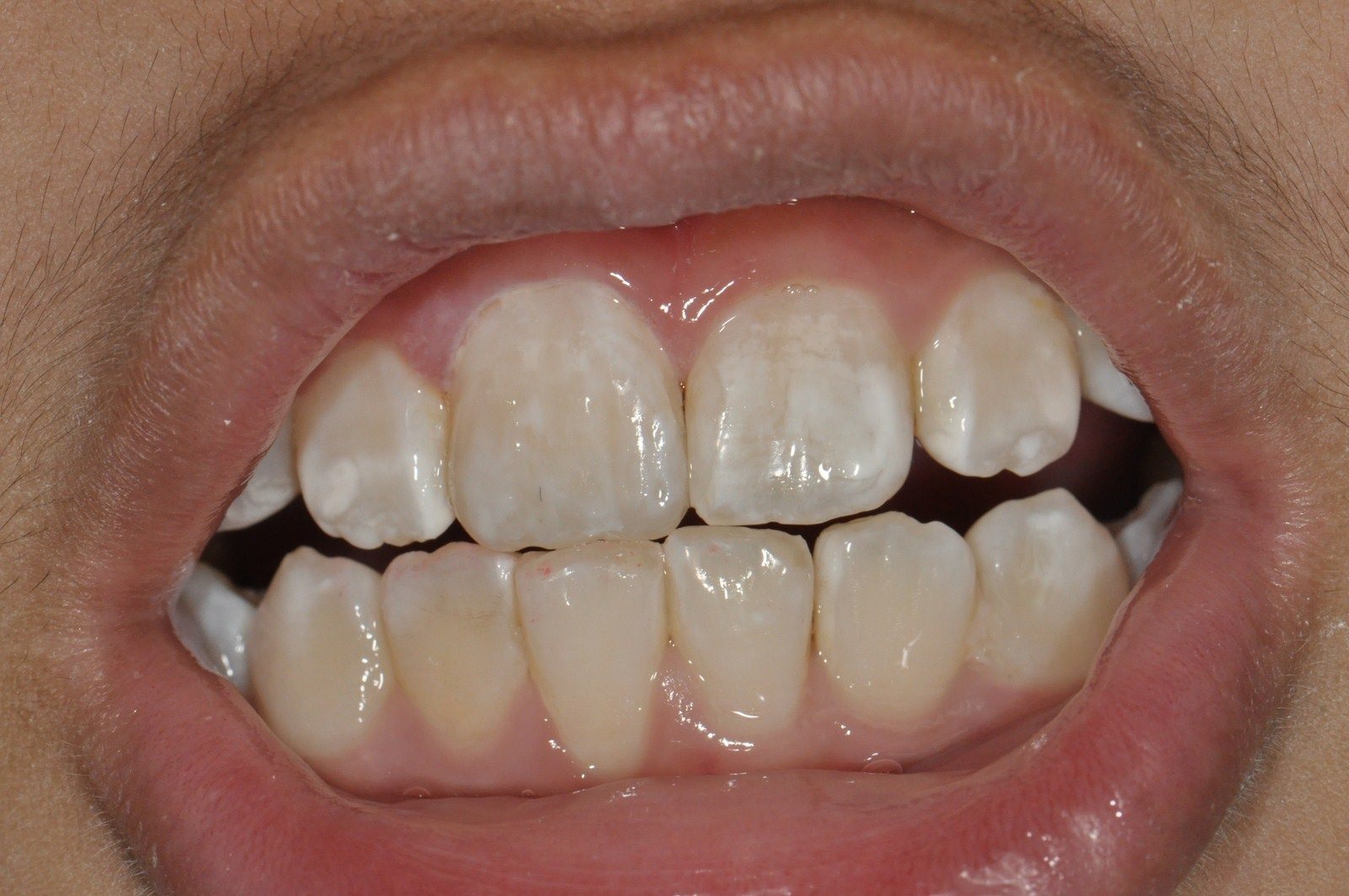
Certain antibiotics, particularly tetracycline and doxycycline, can interfere with enamel development when taken during childhood or when taken by a pregnant mother during the second or third trimester.
These medications can also interfere with how the body absorbs key minerals needed for enamel formation, leading to structurally weak enamel that shows up as white or discolored spots.
Amoxicillin has also been linked to enamel hypoplasia in some research, particularly when used repeatedly during early childhood. Parents should always inform their dentist about medications their child has taken.
Comprehensive Causes Table
| Cause | Who It Affects | Severity | Reversible? |
|---|---|---|---|
| Dental Fluorosis | Children under 8 | Cosmetic only | No, but treatable |
| Enamel Demineralization | All ages | Early decay warning | Yes, if caught early |
| Enamel Hypoplasia | Developing in childhood | Structural | No, but manageable |
| Poor Oral Hygiene | All ages | Decay risk | Yes, with treatment |
| Acidic/Sugary Diet | All ages | Erosion risk | Partial |
| Dry Mouth | Adults, medication users | Moderate | Manageable |
| Celiac Disease | Any age | Systemic | Managed with diet |
| Vitamin Deficiency | Children, adults | Developmental | Partially |
| Illness During Development | Infants, toddlers | Developmental | No, treatable |
| Medications | Children, infants | Developmental | No, treatable |
Should You Worry About White Spots on Your Teeth?
The answer depends entirely on the cause. Most white spots are cosmetic concerns rather than medical emergencies. However, certain situations warrant genuine concern and prompt dental attention.
You should book a dentist appointment soon if your white spots are new and appearing rapidly, if the spots feel rough or pitted when you run your tongue over them, or if you are experiencing tooth sensitivity alongside the white spots.
White spots accompanied by pain, sensitivity to hot or cold foods, or visible cavities should be assessed by a dentist as soon as possible. These are signs that active decay may be present.
Difference Between White Spots That Need Treatment vs. Those That Do Not
| White Spot Type | Needs Urgent Treatment? | Reason |
|---|---|---|
| Old fluorosis spots (stable) | No | Cosmetic only, no decay risk |
| New demineralization spots | Yes | Early cavity forming |
| Post-braces white spots | Yes, soon | Risk of cavity if untreated |
| Spots with sensitivity | Yes, immediately | Possible active decay |
| Spots with rough texture | Yes | Enamel breakdown occurring |
| Spots present since childhood | Monitor | Usually stable, cosmetic |
| Spots getting larger | Yes, immediately | Progressive enamel loss |
Treatment Options for White Spots on Teeth
Treatment depends entirely on the cause and severity of the white spots. A dentist must diagnose the underlying reason before recommending a course of action.
Remineralization Therapy
For white spots caused by early demineralization, remineralization therapy is often the first and most conservative approach. This involves applying fluoride gel, calcium phosphate compounds like CPP-ACP, or hydroxyapatite products to strengthen and rebuild the enamel.
These treatments work by delivering essential minerals directly into the porous enamel where mineral loss has occurred. Over time the enamel hardens, the white spot becomes less visible, and the risk of cavity formation decreases significantly.
CPP-ACP products such as MI Paste are widely available and can be used at home between professional treatments. They are particularly useful for patients in orthodontic treatment who are at elevated risk for white spot formation.
Resin Infiltration (ICON Treatment)
Resin infiltration is a minimally invasive procedure that has become one of the most popular treatments for white spot lesions in recent years. It uses a low-viscosity resin that penetrates deeply into the porous enamel of the white spot.
Once inside the enamel, the resin fills the micropores that cause the white appearance and hardens under UV light. The result is a tooth that looks uniform in color without removing any healthy enamel tissue.
ICON treatment is particularly effective for fluorosis spots and post-braces white spots. It is completed in a single dental visit and requires no drilling or anesthesia.
Enamel Microabrasion
Microabrasion is a conservative technique in which a dentist removes a very thin layer of superficial enamel using a mildly acidic compound combined with a fine abrasive material.
This procedure is effective for white spots that are confined to the outer surface of the enamel. It physically removes the discolored layer and reveals the more uniform enamel underneath.
Microabrasion is often combined with teeth whitening to produce the most cosmetically consistent result. Multiple sessions may be required depending on the size and depth of the spots.
Professional Teeth Whitening and Bleaching
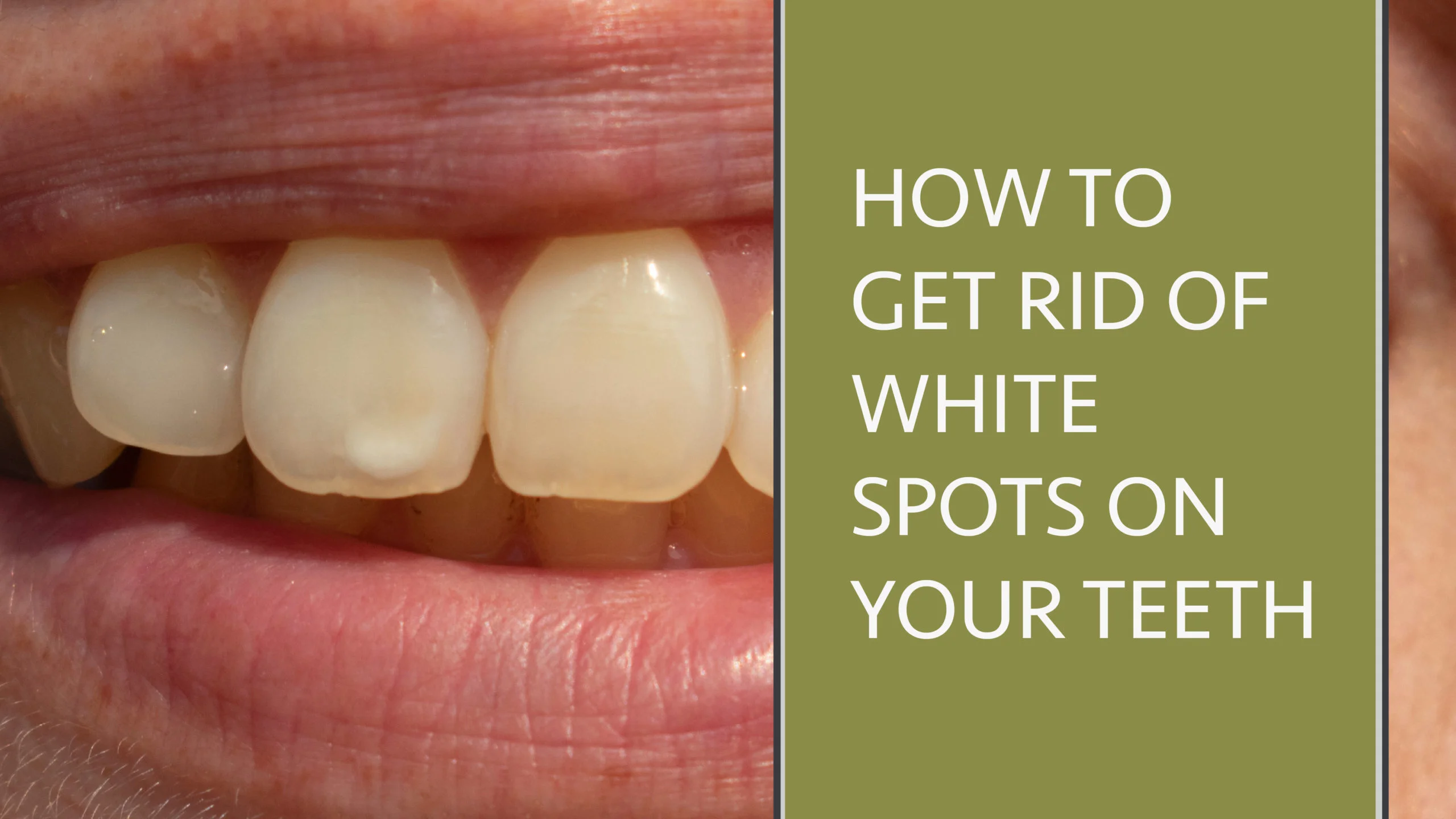
Teeth whitening does not remove white spots but can help make them less noticeable by lightening the overall tooth color so it more closely matches the brighter white of the spots.
This approach works best when the white spots are relatively mild and the surrounding tooth enamel is significantly darker or more yellow. For many patients it provides a satisfactory cosmetic result without any invasive procedures.
In-office whitening treatments produce faster and more controlled results than at-home kits. A dentist should always be consulted before starting whitening treatment, particularly if white spots are present.
Composite Resin Bonding
For white spots caused by enamel hypoplasia or for spots with associated pitting, composite resin bonding can fill and cover the affected area. A tooth-colored resin material is applied and shaped to match the surrounding tooth.
Bonding is a cost-effective option that preserves more natural tooth structure than veneers. It is often recommended for younger patients as a temporary solution until they reach adulthood, at which point veneers may become an option.
The main drawback of composite bonding is that the material can stain over time and may need to be replaced every several years.
Dental Veneers
Veneers are thin porcelain or composite shells that are bonded to the front surface of the teeth. They are the most effective solution for severe white spots that do not respond to more conservative treatments.
Veneers completely mask the appearance of white spots and at the same time improve the shape, size, and overall color of the teeth. They are particularly suitable for patients with multiple white spots on their front teeth.
The procedure is irreversible because a small amount of natural enamel is removed to create space for the veneer. Veneers typically last 10 to 15 years with proper care.
Topical Fluoride Application
For patients with enamel hypoplasia, dentists may apply topical fluoride varnish directly to the affected teeth. This helps strengthen the weaker enamel and reduces the risk of decay developing in those vulnerable areas.
Topical fluoride treatments are quick, painless, and can be applied at every dental checkup. They are particularly important for children with enamel defects who have a higher baseline risk of cavities.
Treatment Comparison Table
| Treatment | Best For | Invasiveness | Cost Range |
|---|---|---|---|
| Remineralization Therapy | Early demineralization | Non-invasive | Low |
| Resin Infiltration ICON | Fluorosis, post-braces spots | Minimally invasive | Moderate |
| Microabrasion | Superficial spots | Minimally invasive | Low–Moderate |
| Teeth Whitening | Mild cosmetic spots | Non-invasive | Low–Moderate |
| Composite Bonding | Hypoplasia, pitted spots | Minimally invasive | Moderate |
| Dental Veneers | Severe, multiple spots | Invasive | High |
| Topical Fluoride | Enamel hypoplasia | Non-invasive | Very Low |
How to Prevent White Spots on Teeth
Prevention is always more effective and less costly than treatment. Most white spots caused by poor hygiene and diet are entirely preventable with consistent habits.
Oral Hygiene Best Practices
Brush twice a day for two minutes each time using a fluoride toothpaste. Use a soft-bristled toothbrush and pay special attention to the gumline and the spaces between teeth.
Floss daily to remove plaque from between teeth where a toothbrush cannot reach. Consider adding an antibacterial mouthwash to your routine to further reduce plaque bacteria.
For children, monitor their brushing to ensure they are using the right amount of toothpaste — a rice grain size for under-3s and a pea-sized amount for children aged 3 and above.
Diet and Lifestyle Changes
Reduce your intake of sugary drinks, sodas, energy drinks, and acidic foods like citrus fruits. When you do consume them, rinse your mouth with water immediately afterward.
Drink plenty of plain water throughout the day. Water helps wash away food particles, dilutes acid, and keeps saliva production high. Fluoridated tap water also provides a low-level topical fluoride benefit.
Avoid sipping on acidic or sugary drinks slowly over long periods. The longer your teeth are exposed to these liquids, the more damage is done to the enamel.
Managing Fluoride Exposure in Children
Supervise tooth brushing in children under 8 to make sure they spit out toothpaste rather than swallowing it. Use only the recommended amount of toothpaste for each age group.
If your local tap water has very high fluoride levels, speak to a dentist or pediatrician about switching to filtered or bottled water for your child. Avoid unnecessary fluoride supplements unless specifically prescribed by a dental professional.
Regular Dental Checkups
Visiting a dentist every six months is one of the most effective preventive measures available. Dentists can identify early white spots before they develop into full cavities and recommend appropriate intervention.
Professional cleaning removes hardened plaque and tartar that home brushing cannot shift. Regular checkups also allow your dentist to monitor any existing white spots and assess whether they are stable, improving, or worsening over time.
White Spots on Children’s Teeth
White spots on baby teeth or newly erupted permanent teeth are common and often cause significant parental concern. The most common causes in children are fluorosis and enamel hypoplasia.
Both conditions develop during tooth formation, long before the teeth are visible. Parents who notice white spots on their child’s teeth should bring them to a pediatric dentist as soon as possible for evaluation.
Early identification allows the dentist to monitor the spots for signs of decay and recommend preventive measures to protect those vulnerable areas of enamel.
White Spots After Braces — What to Expect
Post-orthodontic white spots are one of the most frequently asked-about topics related to this subject. They appear on the enamel directly adjacent to where the brackets were bonded.
These spots form because the brackets made it physically difficult to clean the enamel beneath and around them. Plaque accumulated, acid was produced, and demineralization occurred.
In many patients these spots fade significantly in the 12 to 24 months following braces removal as the enamel naturally remineralizes. Using a remineralizing toothpaste or CPP-ACP product can speed up this process. ICON resin infiltration is also highly effective for post-braces white spots that do not fade on their own.
When to See a Dentist About White Spots
Most white spots do not require an emergency dental visit, but certain signs should prompt you to seek professional evaluation promptly.
Book an appointment if you notice any of the following: white spots that are new and appeared recently with no obvious cause, spots that are getting larger over time, spots accompanied by tooth sensitivity or pain, spots with a rough or pitted texture, or spots on a child’s newly erupted permanent teeth.
If you have a family history of celiac disease and notice unexplained white spots on your or your child’s teeth, mention this to your dentist. Celiac screening may be appropriate.
Frequently Asked Questions (FAQs)
Why do I have white spots on my teeth if I brush regularly?
Good brushing does not fully protect against white spots caused by fluorosis, enamel hypoplasia, or genetic enamel defects. Some causes develop during tooth formation before any hygiene habits are in place.
Are white spots on teeth a sign of cavities?
White spots caused by demineralization are the earliest visible stage of tooth decay, but they are not yet cavities. With prompt treatment they can be reversed before a cavity fully forms.
Can white spots on teeth go away on their own?
Demineralization-related white spots can partially remineralize naturally over time. Post-braces spots often become less visible within one to two years. Fluorosis and enamel hypoplasia spots do not disappear without treatment.
What is the best treatment for white spots on teeth?
The best treatment depends on the cause. Resin infiltration (ICON) works well for fluorosis and post-braces spots. Remineralization therapy is ideal for early demineralization, and veneers are used for severe cases.
Can white spots on teeth be caused by what I eat?
Yes. A diet high in acidic and sugary foods accelerates enamel demineralization and contributes to white spot formation. Reducing these foods and increasing water intake helps protect enamel.
Are white spots on teeth permanent?
It depends on the cause. Fluorosis and enamel hypoplasia spots are permanent but treatable. Demineralization spots can be reversed if caught early with the right remineralization treatment.
Do white spots on teeth mean I have too much fluoride?
Not necessarily. Fluorosis is one cause of white spots but demineralization, enamel hypoplasia, diet, and other factors also produce white spots. A dentist can identify the cause based on the pattern and appearance.
Can dry mouth cause white spots on teeth?
Yes. Dry mouth reduces saliva flow, which means teeth lose their natural mineral protection. This increases acid exposure time and leads to faster demineralization and white spot formation.
Why did white spots appear on my teeth after I removed my braces?
The brackets made cleaning difficult and allowed plaque to accumulate against the enamel. The resulting acid production caused demineralization. These spots often improve naturally and can be treated with ICON or remineralization products.
Can children get white spots on their teeth?
Yes, and it is very common. Fluorosis and enamel hypoplasia are developmental conditions that occur during childhood. Demineralization can affect children of any age if their oral hygiene or diet is poor.
Conclusion
Why do I have white spots on my teeth is a question that has many different answers, and understanding the right one for your specific case is the most important first step.
From dental fluorosis to early enamel decay, from celiac disease to post-braces demineralization, the causes are varied but the solutions are well established. Most white spots on teeth are treatable and in many cases even reversible when caught early.
The worst thing you can do is ignore them, especially if they are new, growing, or accompanied by sensitivity. Book a dentist appointment, get an accurate diagnosis, and choose the treatment that fits your situation. Your smile is worth protecting and with the right care you can achieve a healthy, even-looking enamel that lasts a lifetime.