Why Is My Gum Swollen Around One Tooth? Dentist Advice 2026
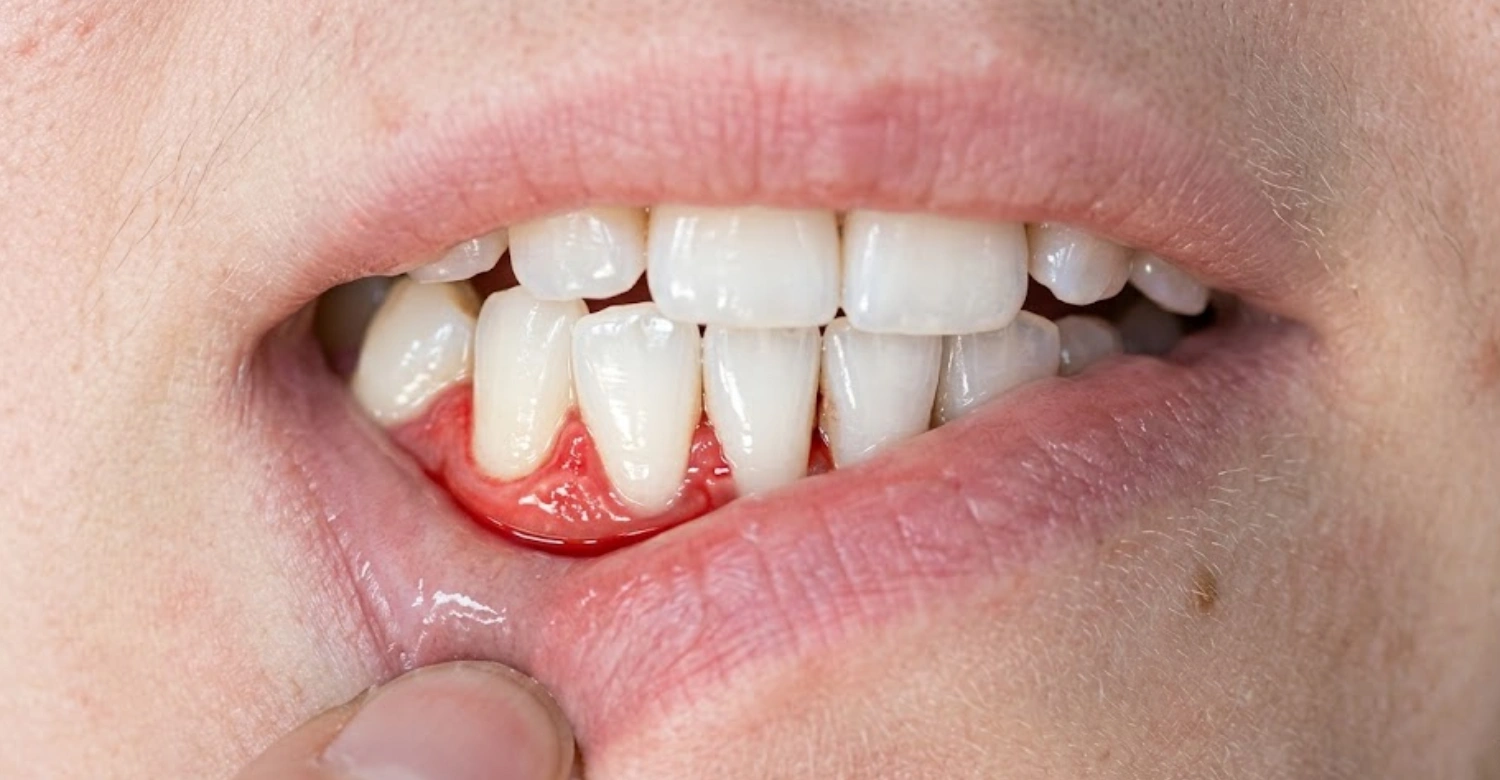
Why is my gum swollen around one tooth is one of the most common dental concerns people search for in 2026. Localized gum swelling around a single tooth is always a signal that something is wrong in that specific area.
The cause might be as minor as trapped food debris or as serious as a dental abscess that needs urgent care. Either way, ignoring swollen gums around one tooth can lead to infections, bone loss, and tooth loss over time.
What Are Healthy Gums Supposed to Look Like?
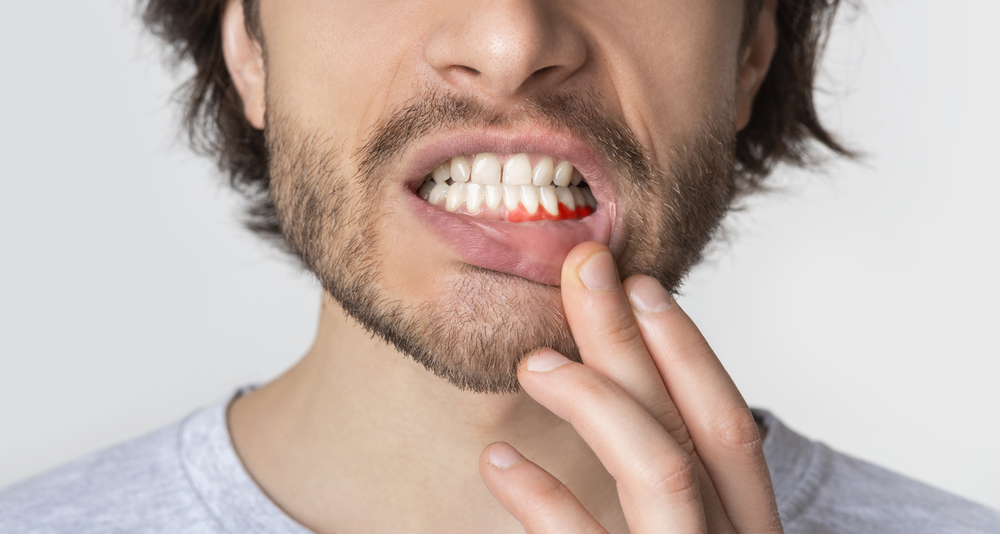
Before understanding why gum is swollen around one tooth, it helps to know what normal gums look like. Healthy gums are pink, firm, and tightly fitted around each tooth.
They should not bleed during brushing or flossing. They should not appear red, puffy, or pull away from the tooth surface.
When gums become swollen, red, tender, or bleed easily, it is a sign of inflammation. Localized swelling around just one tooth means the problem is specific to that area rather than being a full-mouth issue.
Why Is My Gum Swollen Around One Tooth? 11 Causes Explained
There are many possible reasons why gum swelling appears around a single tooth. Here is a complete breakdown of the most common causes.
1. Poor Oral Hygiene and Food Debris Trapped in the Gum
One of the simplest causes of swollen gum around one tooth is food getting stuck between the tooth and the gum line. If it is not cleaned out by brushing or flossing, the debris causes plaque to build up and the gum tissue becomes irritated and inflamed.
Over time, this trapped debris can lead to tooth decay, worsening gum inflammation, and eventually gum disease. The fix is straightforward — remove the debris with flossing and improve your daily brushing routine.
This type of localized swelling usually resolves within a day or two once the area is properly cleaned.
2. Gingivitis
Gingivitis is the earliest and mildest form of gum disease. It develops when plaque — a sticky film of bacteria — builds up at the gum line and causes inflammation.
Gingivitis can affect the gums around just one tooth if plaque accumulates more heavily in that specific area due to missed brushing or a tooth that is harder to clean. Signs include red, swollen gum tissue that bleeds easily when brushed.
The good news is that gingivitis is completely reversible with proper brushing, flossing, and a professional cleaning.
3. Periodontitis (Advanced Gum Disease)
When gingivitis is left untreated, it can progress into periodontitis — a more serious form of gum disease that damages the soft tissue and bone supporting the teeth. Research shows that untreated gingivitis affects nearly 47% of adults over 30 and can result in localized gum swelling.
In periodontitis, pockets form between the tooth and gum, trapping bacteria deep below the gum line where brushing cannot reach. This leads to persistent swelling, gum recession, loosening teeth, and eventually tooth loss.
Professional treatment with scaling and root planing is usually required to manage periodontitis.
4. Dental Abscess
A dental abscess is a pocket of pus caused by a bacterial infection. It can form at the root tip of a tooth (periapical abscess) or in the space between the tooth and the surrounding gum (periodontal abscess).
An abscess causes intense, throbbing pain, swelling of the gum around one tooth, fever, bad taste in the mouth, and sometimes swelling of the face or jaw. This is a dental emergency.
Left untreated, the infection can spread into the jaw, neck, or bloodstream. A dentist must drain the abscess and may prescribe antibiotics and recommend a root canal or extraction.
5. Gum Abscess (Periodontal Abscess)
A gum abscess specifically forms in the gum tissue rather than the tooth root. It develops when bacteria become trapped in a deep gum pocket.
The affected gum appears swollen, shiny, and may feel like a painful lump. You may notice pus draining from the area or a persistent bad taste.
A gum abscess requires professional drainage and deep cleaning. Antibiotics alone are not enough — the source of infection must be physically removed.
6. Cracked or Fractured Tooth
A crack in a tooth creates an entry point for bacteria to invade the gum tissue and the inner structure of the tooth. The gum around the cracked tooth becomes inflamed as the body responds to bacterial invasion.
The swelling may come and go, making it easy to ignore at first. Over time, the bacteria deepen into the crack and cause a full infection.
A dentist will identify a cracked tooth through a bite test, X-rays, or special dye. Treatment may include a crown, root canal, or extraction depending on how deep the crack is.
7. Wisdom Tooth Problems (Pericoronitis)
Wisdom teeth that are partially erupted or impacted can cause significant gum swelling around the back area of the mouth. The gum tissue covering the partially emerged tooth traps food and bacteria underneath it.
This condition is called pericoronitis. Symptoms include painful, swollen gum around the back molar, bad breath, difficulty opening the mouth, and sometimes fever.
Treatment includes professional cleaning of the area, antibiotics if infected, and often extraction of the wisdom tooth to prevent recurrence.
8. Tooth Decay and Deep Cavities
A cavity that reaches deep into the tooth can allow bacteria to reach the gum tissue and cause localized inflammation. The gum around a severely decayed tooth may appear swollen, red, and painful.
Deep cavities that reach the pulp of the tooth require root canal therapy to remove the infected nerve tissue. If left too long, the infection spreads beyond the tooth into surrounding gum and bone.
Early cavities are treated with simple fillings, so the key is catching decay before it becomes a deeper problem.
9. Gum Injury or Physical Trauma
A blow to the mouth, an accidental bite of hard food, or a dental tool used too aggressively can injure the gum around a specific tooth. The trauma causes the tissue to swell, bruise, and become tender.
In many cases, minor gum injuries heal on their own within a few days. However, if the swelling persists or worsens, or if the tooth becomes loose, a dentist should evaluate the area.
Physical trauma can also introduce bacteria into damaged gum tissue and cause infection if not monitored properly.
10. Dental Work and Reaction to Restorations
A new filling, crown, or dental procedure can cause temporary swelling of the gum around the treated tooth. This is a normal inflammatory response as the gum tissue heals.
However, if a crown or filling is poorly fitted, it can trap bacteria at the margin where the restoration meets the gum. This causes persistent localized inflammation that does not resolve without correction.
If gum swelling appears after dental work and does not improve within a week, contact your dentist for an assessment of the restoration.
11. Gum Recession and Exposed Root Surfaces
When gums pull away from a tooth and expose the root, that area becomes more vulnerable to plaque buildup, sensitivity, and inflammation. The receded gum may appear swollen at the edges as it reacts to bacteria and irritants along the exposed root.
Gum recession can result from aggressive brushing, gum disease, or genetic factors. Using a soft-bristled toothbrush and gentle technique helps slow recession.
In more advanced cases, a gum graft procedure may be needed to restore the gum tissue and protect the exposed root.
Symptoms: How to Recognize Swollen Gum Around One Tooth
The symptoms that appear alongside gum swelling can help identify the cause. Paying close attention to the full picture helps a dentist diagnose the problem faster.
| Symptom | Possible Cause |
|---|---|
| Swelling with sharp pain when biting | Cracked tooth or abscess |
| Swelling with throbbing pain and fever | Dental or gum abscess |
| Swelling with bad taste or smell | Abscess draining or trapped debris |
| Swelling with bleeding when brushing | Gingivitis or periodontitis |
| Swelling with visible pus | Abscess or severe infection |
| Swelling with facial or jaw swelling | Spreading infection — emergency |
| Swelling with no pain | Early gingivitis or mild irritation |
| Swelling after dental work | Post-procedure inflammation |
| Swelling around back molar | Impacted wisdom tooth / pericoronitis |
| Swelling with loose tooth sensation | Advanced periodontitis or trauma |
Warning Signs You Should Never Ignore
Some symptoms alongside swollen gum around one tooth require emergency dental care. Do not wait if any of these apply.
Facial or jaw swelling spreading from the tooth area is a sign the infection is progressing beyond the gum and into deeper tissue. This can become life-threatening without prompt treatment.
A fever above 100.4°F (38°C) combined with tooth or gum pain signals that the infection may be entering the bloodstream. Go to an emergency dentist or the ER immediately.
Difficulty swallowing or breathing alongside gum swelling is a medical emergency. Call emergency services right away.
Persistent throbbing pain that does not respond to over-the-counter pain relievers suggests a deep infection that needs professional drainage.
Pus visible at or near the swollen gum is a clear sign of abscess. It will not resolve on its own and needs professional treatment.
Home Remedies for Swollen Gum Around One Tooth
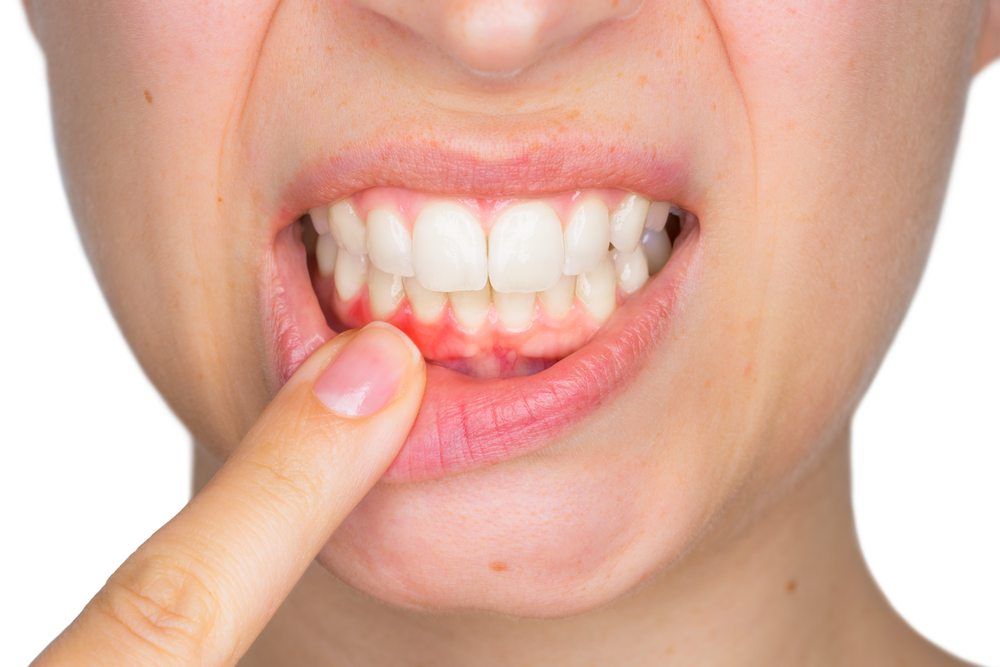
These home remedies provide temporary relief while you wait to see a dentist. They do not treat the underlying cause — they only manage discomfort.
Salt Water Rinse
Mix half a teaspoon of table salt into one cup of warm water. Swish the solution gently around your mouth for 30 seconds then spit it out. Repeat two to three times per day.
Salt water reduces surface bacteria, draws out fluid from swollen tissue, and promotes healing. Research supports warm salt water rinses for reducing post-surgical gum inflammation.
Cold Compress
Apply an ice pack or cold compress wrapped in a cloth to the outside of your cheek over the swollen area. Use it for 15 to 20 minutes at a time.
Cold reduces blood flow to the area, which helps reduce swelling and numbs the pain. Avoid placing ice directly on the gum tissue.
Antiseptic Mouthwash
An over-the-counter antiseptic mouthwash containing chlorhexidine or cetylpyridinium chloride helps control bacterial buildup around the swollen area. It cannot remove existing tartar but prevents additional plaque from building.
Use it once or twice daily as directed on the label. Do not use it as a substitute for brushing and flossing.
Clove Oil
Clove oil contains eugenol, a natural compound with anti-inflammatory and mild anaesthetic properties. Apply a small amount to a cotton ball and gently press it against the swollen gum for a few minutes.
Use sparingly — too much clove oil can irritate the gum tissue. This is a temporary measure and not a substitute for dental care.
Turmeric Paste
Turmeric contains curcumin, which has natural anti-inflammatory properties. Mix a small amount of turmeric powder with water to create a paste and apply it gently to the swollen gum for a few minutes before rinsing.
Evidence supports turmeric as a short-term anti-inflammatory agent for oral tissue. It helps reduce redness and soreness temporarily.
Aloe Vera Gel
Pure aloe vera gel applied directly to the swollen gum can soothe irritation and reduce bacterial activity. It has natural antibacterial and anti-inflammatory properties.
Make sure to use pure aloe vera gel without added alcohol or fragrance. Apply a small amount and let it sit on the gum for a few minutes before rinsing.
Over-the-Counter Pain Relievers
Ibuprofen (such as Advil) or acetaminophen (such as Tylenol) help reduce both pain and inflammation from swollen gums. Always follow the recommended dosage on the label.
Ibuprofen is generally preferred for gum swelling because it targets both pain and inflammation rather than just pain. People with certain medical conditions should check with a pharmacist before use.
Professional Dental Treatments for Swollen Gum Around One Tooth
Home remedies manage symptoms but never fix the root cause. Here is what a dentist may do based on the diagnosis.
| Cause | Professional Treatment |
|---|---|
| Food debris and mild gingivitis | Professional cleaning and oral hygiene instruction |
| Moderate to advanced gum disease | Scaling and root planing (deep cleaning) |
| Dental abscess | Drainage, root canal therapy, or extraction plus antibiotics |
| Gum abscess | Pocket drainage, deep cleaning, possible flap surgery |
| Cracked tooth | Crown, root canal, or extraction |
| Pericoronitis (wisdom tooth) | Gum flap cleaning, antibiotics, wisdom tooth extraction |
| Deep cavity near gum | Filling or root canal depending on depth |
| Post-procedure reaction | Bite adjustment, re-cementation, or restoration replacement |
| Gum recession | Soft tissue graft, desensitizing treatments |
Swollen Gum Around One Tooth in the Back
Swollen gum around a back tooth — particularly a molar — is especially common and deserves special attention. The back molars are harder to clean thoroughly and more prone to plaque buildup.
Wisdom teeth located at the very back of the mouth are a frequent cause of gum swelling in young adults between ages 17 and 25. Partially erupted wisdom teeth trap bacteria under the gum flap and cause pericoronitis.
If the swelling is around the second or third molar, a dentist will check for impaction, decay, deep pockets, or gum disease in that area specifically.
Swollen Gum Around One Tooth With No Pain
It is possible for gum swelling around one tooth to occur without noticeable pain. This does not mean the problem is minor — it may simply mean it is still in an early stage.
Painless swelling is common in the early stages of gingivitis when the gum tissue is inflamed but has not yet progressed to a deeper infection. It can also occur after minor gum trauma or when a small amount of food debris has been sitting in the gum for a short time.
Even without pain, swelling that lasts more than a week should be checked by a dentist. Infections and gum disease can progress silently before becoming painful.
Swollen Gum Around One Tooth After a Filling or Crown
It is normal to experience some temporary gum soreness and mild swelling after getting a filling or crown placed. The tissue is manipulated during the procedure and takes a few days to settle.
However, if the swelling increases after the first 48 hours or does not resolve within one week, the restoration may be sitting too high and putting pressure on the gum, or there may be a margin issue where bacteria are getting trapped.
Contact your dentist if post-procedure gum swelling persists beyond one week, worsens, or is accompanied by pain and discharge.
How a Dentist Diagnoses Swollen Gum Around One Tooth
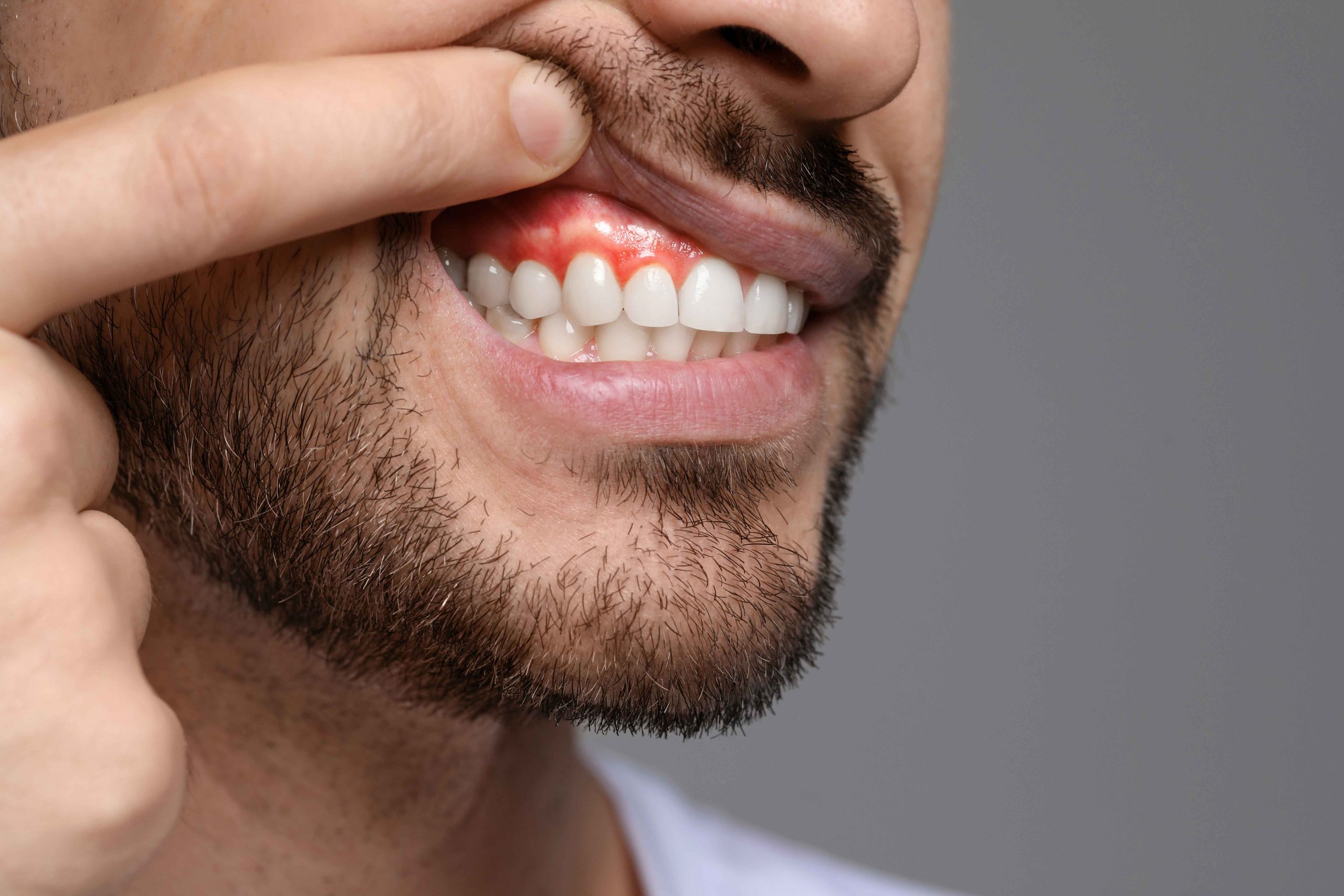
When you visit the dentist for this concern, a systematic evaluation takes place to find the exact cause.
Visual examination comes first — the dentist looks at the color, texture, and size of the swollen area and checks for visible signs of infection, recession, or trauma.
Dental X-rays reveal what cannot be seen with the naked eye — bone loss, abscess formation at the root tip, deep cavities, and the position of wisdom teeth.
A periodontal probe measures the depth of the pocket between your tooth and gum. Deeper pockets indicate more advanced gum disease.
Bite tests and percussion tests check for sensitivity when pressure is applied, which can help identify a cracked tooth or abscess.
Sensitivity tests using cold air or water assess whether the nerve inside the tooth is healthy or compromised.
Prevention: How to Stop Gum Swelling Before It Starts
Preventing swollen gum around one tooth is much easier than treating it. Good habits practiced consistently keep gum tissue healthy and infections at bay.
Brush twice a day using a soft-bristled toothbrush and fluoride toothpaste. Pay extra attention to the gum line where plaque accumulates most heavily.
Floss every day to remove plaque and food debris from between teeth and below the gum line where a toothbrush cannot reach.
Use an antiseptic mouthwash once daily to reduce bacterial load in the mouth, especially around areas that are harder to clean.
Visit your dentist every six months for a professional cleaning and checkup. A hygienist removes tartar that has hardened and cannot be removed at home.
Avoid aggressive brushing. Brushing too hard damages gum tissue and causes recession, which makes the area more vulnerable to bacteria and inflammation.
Do not smoke or use tobacco. Smoking significantly reduces blood flow to the gums, impairs healing, masks infection symptoms, and dramatically increases the risk of gum disease.
Stay hydrated. Dry mouth reduces saliva which is your mouth’s natural defense against bacteria. Drink enough water throughout the day.
Eat a balanced diet. Limit sugary and acidic foods that feed bacteria in the mouth. Vitamin C deficiency can also weaken gum tissue and lead to inflammation.
Gum Swelling and Systemic Health Connections
Gum health is closely connected to overall body health. Swollen gums around one tooth are not just a dental issue — they can reflect or worsen broader health conditions.
Diabetes impairs the immune system and reduces the body’s ability to fight gum infections. People with uncontrolled diabetes are significantly more prone to gum disease and swelling.
Hormonal changes during pregnancy, puberty, and menopause can make gum tissue more sensitive and prone to inflammation even with good oral hygiene. Pregnancy gingivitis is a recognized condition.
Vitamin C deficiency (scurvy) causes gum tissue to weaken and swell. If your diet is low in fruits and vegetables, this can be a contributing factor.
Certain medications including blood pressure medications and some seizure drugs can cause gum overgrowth — a condition called drug-induced gingival enlargement — that may look like swelling.
Quick Comparison: Cause vs. Symptom vs. Treatment
| Cause | Key Symptom | Treatment |
|---|---|---|
| Food debris | Mild swelling, no pain | Floss and brush thoroughly |
| Gingivitis | Red, bleeding gums | Professional cleaning |
| Periodontitis | Pockets, recession, bone loss | Scaling and root planing |
| Dental abscess | Throbbing pain, fever, pus | Root canal or extraction + antibiotics |
| Gum abscess | Painful lump in gum | Drainage + deep cleaning |
| Cracked tooth | Sharp pain when biting | Crown, root canal, or extraction |
| Pericoronitis | Back molar swelling, pain | Cleaning + possible wisdom tooth extraction |
| Post-dental work | Swelling after filling/crown | Bite adjustment or restoration review |
| Trauma or injury | Bruised, tender gum | Rest, cold compress, monitor for infection |
| Gum recession | Swollen gum edges, sensitivity | Soft tissue graft, desensitizing treatment |
Frequently Asked Questions (FAQs)
Why is my gum swollen around just one tooth and not others?
Localized swelling around one tooth usually means there is a specific problem in that spot — such as trapped food, a crack, a cavity, or an abscess. It is the body responding to a localized infection or irritation.
Can swollen gum around one tooth go away on its own?
Minor swelling caused by trapped food or mild irritation may resolve within a day or two with proper brushing and flossing. However, swelling from an infection or gum disease will not resolve without professional treatment.
Is swollen gum around one tooth a dental emergency?
It becomes an emergency if swelling is accompanied by fever, facial swelling, difficulty breathing or swallowing, or visible pus. These are signs of a spreading infection that needs immediate care.
How long should I wait before seeing a dentist for swollen gum?
If swelling lasts more than one week, is getting worse, is painful, or is associated with any other symptoms like fever or bad taste, see a dentist right away. Do not wait longer than a week regardless of pain level.
Can I treat swollen gum around one tooth at home?
Home remedies like salt water rinses, cold compresses, and over-the-counter pain relievers reduce discomfort temporarily. They do not cure the underlying cause — a dentist visit is always necessary for proper diagnosis and treatment.
What does a gum abscess look like around one tooth?
A gum abscess appears as a swollen, shiny, red lump on the gum near one tooth. It may feel like a pimple, be filled with pus, and cause a persistent bad taste or smell in the mouth.
Can a swollen gum around one tooth cause tooth loss?
Yes, if left untreated. Conditions like a dental abscess, periodontitis, or a deep infection can destroy the bone and tissue supporting the tooth, eventually causing it to become loose and fall out.
Why is my gum swollen around one back tooth?
Swelling around a back molar is often caused by an impacted or partially erupted wisdom tooth, a deep cavity, gum disease in a hard-to-clean area, or pericoronitis. A dentist will take X-rays to determine the exact cause.
Should I take antibiotics for a swollen gum?
Antibiotics are only appropriate for bacterial infections confirmed by a dentist. They are not effective without also removing the source of infection through drainage or cleaning. Never self-prescribe antibiotics for gum swelling.
What happens if I ignore swollen gum around one tooth?
Ignoring gum swelling allows infections to deepen and spread. This can lead to an abscess, bone loss, spreading infection into the jaw or bloodstream, and eventual tooth loss. Early treatment is always simpler and cheaper.
Conclusion
Why is my gum swollen around one tooth is a question that always deserves a careful answer and prompt action. Gum swelling around a single tooth is never random — it points to a specific problem in that area, whether it is trapped food debris, gingivitis, periodontitis, an abscess, a cracked tooth, or a wisdom tooth issue.
Home remedies like salt water rinses, cold compresses, clove oil, and over-the-counter pain relievers provide temporary comfort but never treat the root cause. The key takeaway is clear — if swelling persists for more than a week, is accompanied by pain, fever, pus, or facial swelling, see a dentist immediately.
Early diagnosis prevents simple problems from becoming serious infections. With the right oral hygiene habits, regular dental checkups, and prompt care when symptoms appear, healthy gums are absolutely achievable in 2026 and beyond.