Why Is My Cat Breathing Fast? Causes & What to Do 2026
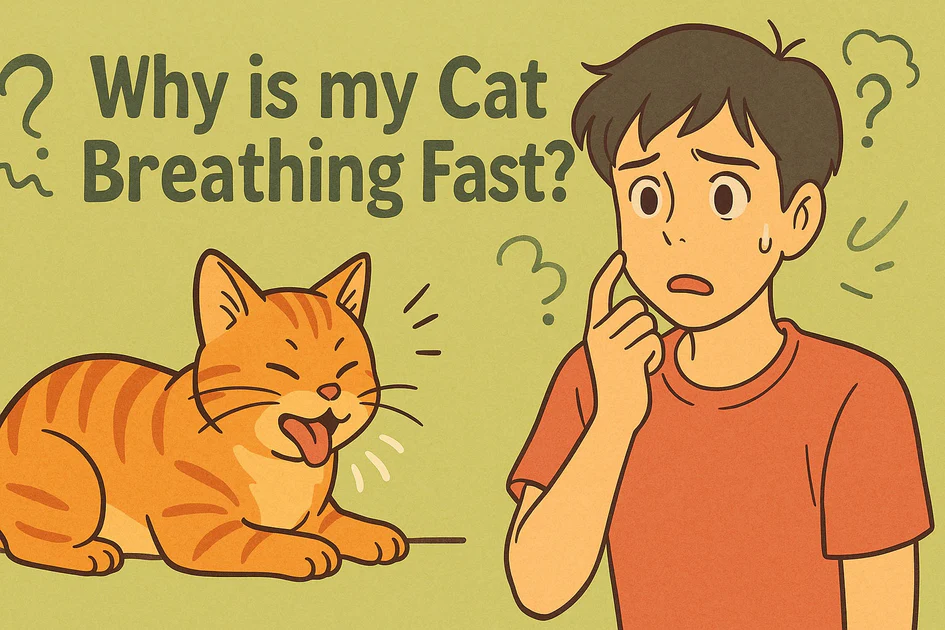
Why is my cat breathing fast? This is usually the first thought that hits a cat parent when they notice their pet’s sides rising and falling quicker than normal. Sometimes it is harmless, caused by play, heat, or excitement.
Other times it points to a heart, lung, or blood condition that needs urgent vet care. The tricky part is that cats hide illness extremely well, so a change in breathing speed is often the only early clue something is wrong.
What Counts As Fast Breathing In Cats?
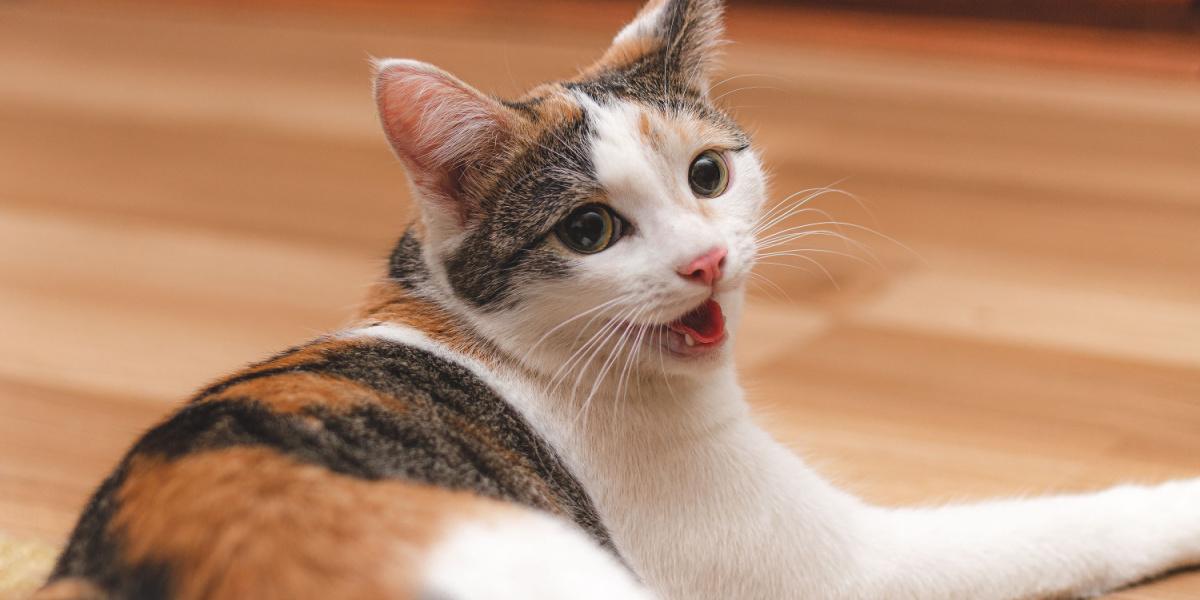
A healthy cat at rest typically takes between 20 and 30 breaths per minute. Some cats drop to 15 breaths per minute while deeply asleep, and that is perfectly fine.
Anything consistently above 30 breaths per minute while your cat is calm, resting, or sleeping is considered tachypnea, the medical term for abnormally fast breathing.
A single high reading is not automatically an emergency. What matters is a pattern that stays elevated even after your cat settles down.
This is why tracking a few readings across different days gives a far clearer picture than relying on one isolated count.
Normal Cat Breathing Rate Chart
Use this quick reference table to compare your cat’s breathing rate against typical ranges for different states.
| Cat State | Normal Breaths Per Minute | Notes |
|---|---|---|
| Sleeping | 15–20 | Lowest and most reliable reading |
| Resting/calm | 20–30 | Best time to count for a baseline |
| After play or exercise | 30–60 (temporary) | Should return to normal within 10–20 minutes |
| Stressed or scared | 30–50 (temporary) | Settles once the cat feels safe |
| Kitten (under 6 months) | 20–34 | Naturally a bit faster than adults |
| Senior cat | 20–30 | May run slightly higher with age-related disease |
How To Count Your Cat’s Breathing Rate At Home
Counting breaths is simple once you know the steps, and it gives your vet useful data instead of a vague description.
- Wait until your cat is calm, resting, or asleep — never right after activity.
- Watch the chest or belly rise and fall. One full rise and fall equals one breath.
- Count breaths for 30 seconds, then multiply by two for breaths per minute.
- Make sure your cat is not purring, since purring can distort the count.
- Repeat over a few days to learn your cat’s personal normal range.
Writing the numbers down in a notes app helps you spot a trend instead of reacting to one odd reading.
Tachypnea vs Dyspnea: Key Difference
Tachypnea simply means breathing faster than normal. It does not always mean your cat is struggling to breathe.
Dyspnea means actual difficulty breathing, often shown through open-mouth breathing, visible effort, or a stretched-out neck. Dyspnea is always considered an emergency.
A cat can have tachypnea without dyspnea, such as after running across the room. A cat with dyspnea needs to see a vet immediately, regardless of the exact breath count.
Knowing this distinction helps you describe the situation accurately to your vet over the phone, which can speed up triage and advice.
Normal, Non-Emergency Reasons For Fast Breathing
Not every instance of rapid breathing is dangerous. Here are the everyday triggers that resolve on their own.
Exercise And Play
After a vigorous chase or zoomies session, breathing naturally speeds up to deliver more oxygen to working muscles.
This should calm down within 10 to 20 minutes of rest. If it does not, treat it as a warning sign rather than normal recovery.
Heat And Overheating
Cats cool down less efficiently than humans, so on hot days or in warm rooms they may breathe faster to regulate body temperature.
Move your cat to a cool, shaded, well-ventilated space and offer fresh water if you notice this pattern.
Stress, Fear And Anxiety
Loud noises, new pets, fireworks, or unfamiliar visitors can trigger a temporary spike in breathing rate similar to a panic response.
This type of episode usually resolves within 10 to 15 minutes once the stressor is removed and the cat feels secure again.
Car Rides And Vet Visits
Travel anxiety is extremely common in cats and often shows up as fast, shallow breathing during the ride.
Breathing should return to normal shortly after arriving somewhere quiet. Persistent fast breathing after the trip warrants a closer look.
Dreaming During Sleep
Brief bursts of faster breathing during REM sleep are completely normal, much like twitching paws or whiskers.
The difference is that this only lasts a few seconds to a minute, not an entire nap.
Factors That Influence Your Cat’s Breathing Rate
Several everyday factors can shift your cat’s breathing rate even when nothing is medically wrong.
Age plays a role, since kittens and very senior cats often run slightly faster or more variable rates than a healthy adult.
Breed and body shape matter too. Flat-faced breeds like Persians often breathe louder and slightly faster due to their airway structure.
Room temperature, humidity, recent activity, and even a full stomach after a big meal can all nudge the number up temporarily.
Because of this, the most useful number is not a single reading but your own cat’s personal baseline measured over several calm sessions.
Cat Breathing Fast But Acting Normal
It is common to notice a cat breathing fast while otherwise playing, eating, and behaving normally.
In this case, double-check the room temperature and recent activity level first, since both are frequent harmless explanations.
If the rate stays elevated for more than an hour with no clear trigger, it is worth a phone call to your vet, even without other symptoms.
Cats are skilled at masking discomfort, so a normal-looking cat with a genuinely high resting rate can still be in the early stages of a developing problem.
Cat Breathing Fast And Not Eating: What It Could Mean
Fast breathing combined with a loss of appetite is a combination that should not be ignored.
Reduced appetite often signals pain, nausea, or systemic illness, and paired with rapid breathing it raises the chance of a respiratory or cardiac cause.
Cats can develop a dangerous liver condition called hepatic lipidosis after just a couple of days without eating, so this combination needs same-day veterinary attention.
Bring a record of how long your cat has refused food along with your breathing rate count to help your vet narrow down the cause faster.
Medical Causes Of Fast Breathing In Cats
When fast breathing happens at rest with no obvious trigger, an underlying medical condition is the more likely explanation.
Heart Disease And Congestive Heart Failure
Heart problems can cause fluid to build up in or around the lungs, making each breath shallower and faster than usual.
This is one of the most serious causes and is often first noticed as a higher resting or sleeping breathing rate before any other symptom appears.
Feline Asthma
Asthma inflames and narrows the lower airways, often triggered by dust, smoke, pollen, or scented products in the home.
Cats with asthma may also wheeze, cough, or crouch with elbows pointed outward while breathing.
Upper Respiratory Infections
Viral infections such as feline herpesvirus or calicivirus cause nasal congestion that makes breathing noisy and rapid.
Sneezing, eye or nasal discharge, and reduced appetite usually appear alongside the faster breathing.
Pneumonia
A lung infection from bacteria, viruses, or inhaled material reduces the amount of working lung tissue available for oxygen exchange.
Cats with pneumonia often seem lethargic, may run a fever, and breathe rapidly even while resting.
Pleural Effusion (Fluid Around The Lungs)
This condition involves fluid collecting in the chest cavity outside the lungs, physically preventing full lung expansion.
Affected cats often breathe with their elbows out and refuse to lie flat on their side.
Anemia
A low red blood cell count means less oxygen reaches the body’s tissues, so the cat compensates by breathing faster.
Pale gums, weakness, and lethargy commonly accompany anemia-related fast breathing.
Heartworm Disease
Although less common in cats than dogs, heartworms can lodge in the lungs and blood vessels, triggering inflammation and rapid breathing.
Coughing, vomiting, and sudden breathing difficulty can all be signs of this serious parasitic disease.
Pain Or Injury
Cats are notorious for hiding pain, and rapid breathing is sometimes the only visible clue that something hurts.
Trauma, dental pain, abdominal discomfort, or a recent injury can all cause this subtle symptom.
Allergic Reactions
Severe allergic reactions, including anaphylaxis from an insect sting or medication, can cause sudden swelling that restricts the airway.
This type of reaction develops quickly and counts as a true emergency requiring immediate veterinary care.
Heatstroke
Beyond simple overheating, heatstroke is a dangerous spike in body temperature that can cause rapid breathing, drooling, and collapse.
Cats trapped in hot cars, sunrooms, or enclosed spaces are most at risk.
Obesity
Excess body weight increases the baseline respiratory effort needed for even normal activity.
Overweight cats often show faster breathing at rest and tire quickly during play.
Causes At A Glance
This table summarizes the most common causes side by side so you can compare patterns quickly.
| Cause | Typical Trigger | Other Common Signs | Urgency Level |
|---|---|---|---|
| Exercise/Play | Activity | Returns to normal quickly | Low |
| Heat/Overheating | Warm environment | Panting, seeking shade | Low to Moderate |
| Stress/Anxiety | Loud noise, travel | Hiding, dilated pupils | Low |
| Heart Disease | Often none visible | Lethargy, coughing, fainting | High |
| Feline Asthma | Allergens, smoke | Wheezing, coughing | High |
| Respiratory Infection | Virus exposure | Sneezing, discharge | Moderate to High |
| Pneumonia | Infection | Fever, lethargy | High |
| Pleural Effusion | Heart/lung disease | Elbows out, won’t lie flat | Emergency |
| Anemia | Blood loss, disease | Pale gums, weakness | High |
| Pain/Injury | Trauma, illness | Hiding, vocalizing | Moderate to High |
Emergency Warning Signs You Should Never Ignore
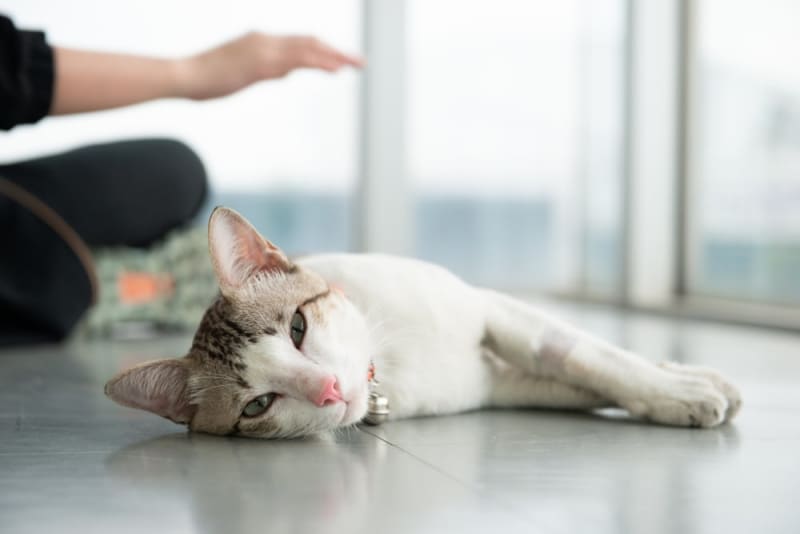
Certain signs mean you should head to a vet or emergency clinic immediately, without waiting to see if things improve.
- Open-mouth breathing or panting while resting
- Blue, gray, or pale gums
- Breathing rate above 50 to 60 breaths per minute
- Visible struggle, with the chest and belly heaving
- Collapse, extreme weakness, or inability to stand
- Stretched-out neck or elbows held away from the body
Any one of these symptoms alone is enough reason to seek emergency care the same day.
When To Call The Vet vs When To Just Monitor
Use this comparison to decide your next step based on what you are actually observing.
| Situation | Recommended Action |
|---|---|
| Fast breathing after play, resolves in 20 minutes | Monitor, no action needed |
| Fast breathing during a thunderstorm or car ride | Monitor, comfort your cat |
| Resting rate consistently above 30 for hours | Call your vet same day |
| Open-mouth breathing or blue gums | Emergency vet immediately |
| Fast breathing plus coughing or lethargy | Schedule a vet exam soon |
| Sudden collapse or extreme weakness | Emergency vet immediately |
How Vets Diagnose Fast Breathing In Cats
A vet visit for fast breathing typically starts with a physical exam, including listening to the heart and lungs and checking gum color.
From there, bloodwork can reveal infection, anemia, or organ dysfunction that might explain the symptom.
Chest X-rays or ultrasound are often used to look for fluid, an enlarged heart, tumors, or lung disease.
An echocardiogram, which is an ultrasound focused on the heart, may be recommended if heart disease is suspected as the underlying cause.
In cats showing signs of distress, the vet may give oxygen support first and run diagnostics once breathing is stabilized.
Treatment Options For Cats With Breathing Problems
Treatment always targets the underlying cause rather than the fast breathing itself.
Heart disease is usually managed with medications that reduce fluid buildup and support heart function.
Asthma often responds well to corticosteroids or bronchodilators, sometimes delivered through a feline-specific inhaler.
Infections may require antibiotics or antiviral support, while fluid around the lungs often needs to be drained for immediate relief.
Severe cases may need hospitalization with oxygen therapy until the cat is stable enough to go home.
Most chronic conditions, such as heart disease or asthma, require ongoing management rather than a one-time cure, so follow-up visits and repeat monitoring of the breathing rate are usually part of the long-term plan.
What To Do At Home Right Now
If your cat is breathing fast but seems otherwise alert, these steps can help while you decide on next steps.
- Move your cat to a cool, quiet, low-stress room.
- Avoid picking up or restraining your cat more than necessary.
- Offer fresh water without forcing your cat to drink.
- Count and record the breathing rate for an accurate vet report.
- Watch closely for 10 to 15 minutes for any improvement.
If breathing does not settle down, or if any emergency sign appears, call your vet or nearest animal emergency hospital right away.
Staying calm yourself also helps. Cats pick up on owner stress quickly, and a tense environment can make an already anxious cat breathe even faster.
What Does Treatment Typically Cost?
Costs vary widely by region and severity, but this table gives a general idea of what to expect.
| Service | Typical Cost Range |
|---|---|
| Vet exam and consultation | $50–$150 |
| Bloodwork panel | $80–$250 |
| Chest X-rays | $150–$400 |
| Echocardiogram | $300–$600 |
| Emergency stabilization and oxygen | $300–$1,000+ |
| Ongoing heart or asthma medication | $20–$80 per month |
Pet insurance or a vet payment plan can make emergency diagnostics and treatment more manageable if cost is a concern.
How To Prevent Breathing Problems In Cats
Routine wellness checkups can catch heart murmurs, lung changes, or weight issues before they progress into breathing problems.
Keeping your cat at a healthy weight reduces strain on the heart and lungs during everyday activity.
Reducing airborne irritants such as smoke, strong air fresheners, and dusty litter can lower the risk of asthma flare-ups.
Heartworm and parasite prevention, along with vaccination for respiratory viruses, also reduces several common causes of fast breathing.
Finally, learning your cat’s normal resting breathing rate now, while they are healthy, gives you a reliable baseline to compare against if symptoms ever appear later.
Fast Breathing In Kittens And Senior Cats
Kittens naturally breathe a little faster than adult cats, often in the 20 to 34 breaths per minute range, due to their smaller lungs and higher metabolism.
A kitten breathing rapidly along with lethargy or poor appetite still needs prompt veterinary attention, since young cats can decline quickly.
Senior cats are more prone to heart disease, kidney issues, and tumors, so a new pattern of fast breathing in an older cat should never be dismissed as just aging.
Regular senior wellness visits, typically every six months, help catch these age-related conditions while they are still easy to manage.
Frequently Asked Questions (FAQs)
1. Is it normal for my cat to breathe fast after playing?
Yes, breathing speeds up temporarily after exercise. It should return to normal within 10 to 20 minutes of rest.
2. What breathing rate is considered an emergency in cats?
Rates above 50 to 60 breaths per minute at rest, or any open-mouth breathing, are considered an emergency.
3. Can stress alone cause my cat to breathe fast?
Yes, fear and anxiety can temporarily raise breathing rate. It should settle once the stressful event ends.
4. Why is my cat breathing fast while sleeping?
Sleeping rates above 30 breaths per minute can be an early sign of heart disease and should be checked by a vet.
5. Does fast breathing always mean a cat is in pain?
Not always, but pain is a common hidden cause, especially when no other trigger like heat or play is present.
6. Can allergies cause rapid breathing in cats?
Yes, allergens can trigger asthma or airway inflammation, leading to faster, sometimes wheezy breathing.
7. How can I tell if my cat’s gums show a breathing problem?
Healthy gums are pink. Pale, blue, or gray gums signal low oxygen and require emergency care.
8. Should overweight cats breathe faster than average?
Excess weight does raise baseline breathing effort, but a vet should still confirm this isn’t masking another issue.
9. Is open-mouth breathing ever normal in cats?
No, cats are nose breathers. Open-mouth breathing at rest almost always signals significant distress.
10. What should I do immediately if my cat is struggling to breathe?
Keep your cat calm and minimize handling, then get to a vet or emergency clinic without delay.
Conclusion
Fast breathing in cats sits on a wide spectrum, from a quick recovery after zoomies to a genuine medical emergency. The key is learning your cat’s normal resting and sleeping rate so you can spot a real change early.
Harmless causes like heat, stress, or play settle within minutes, while heart disease, asthma, infections, and fluid buildup tend to cause breathing that stays fast even at rest. Watching for open-mouth breathing, pale or blue gums, and visible effort helps you separate a minor moment from a true emergency.
When in doubt, count the breaths, note any other symptoms, and call your vet. Acting early on rapid breathing often leads to a faster diagnosis, simpler treatment, and a better outcome for your cat.