Why Is a Recipe Important Heartumental? Key Reasons 2026
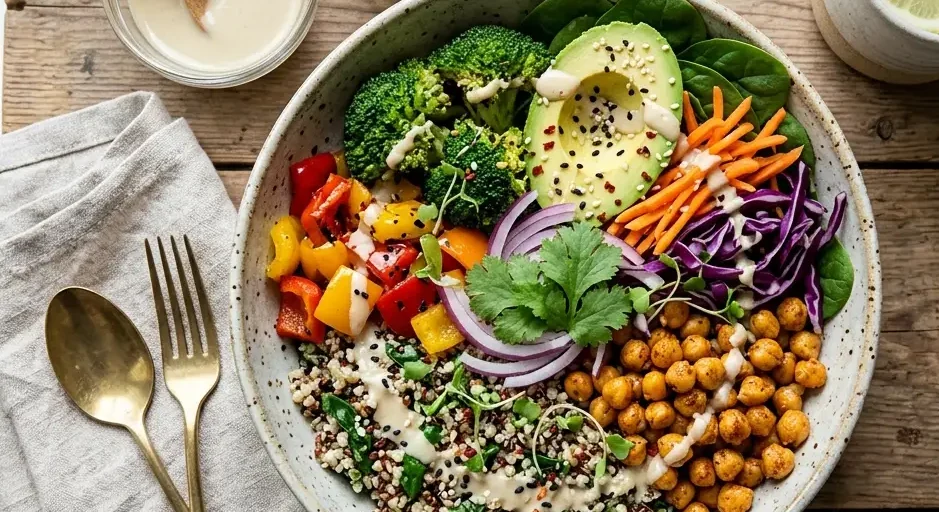
Why is a recipe important heartumental is a question more home cooks are asking as they look beyond simple instructions toward meaning. A recipe is never just a list of ingredients and steps. It carries memory, comfort, and identity in every line.
New cooks often feel overwhelmed by measurements and timing, while experienced cooks crave deeper connection with what they prepare. Heartumental philosophy bridges that gap by treating cooking as both a practical skill and an emotional ritual.
What Does “Heartumental” Actually Mean?
The word heartumental blends “heart” and “fundamental” into one idea. It suggests that recipes are essential on a practical level while also being deeply emotional.
This term captures something many cooks already feel but rarely name. A recipe guides your hands, yet it also touches memory and mood.
The Origin Behind the Concept
Heartumental cooking grew from a simple observation: people don’t just eat for fuel. They eat for comfort, nostalgia, and connection.
Food bloggers and wellness writers began using this term to describe recipes that nourish both body and emotion at once.
The idea didn’t start in a culinary school or a cookbook. It started in everyday kitchens, where cooks noticed something deeper happening behind the steps.
A simple bowl of soup, made the same way for years, often carries far more weight than its ingredient list suggests.
Why the Word Resonates With Home Cooks
Many people search why is a recipe important heartumental because they sense their favorite dishes carry more weight than basic nutrition.
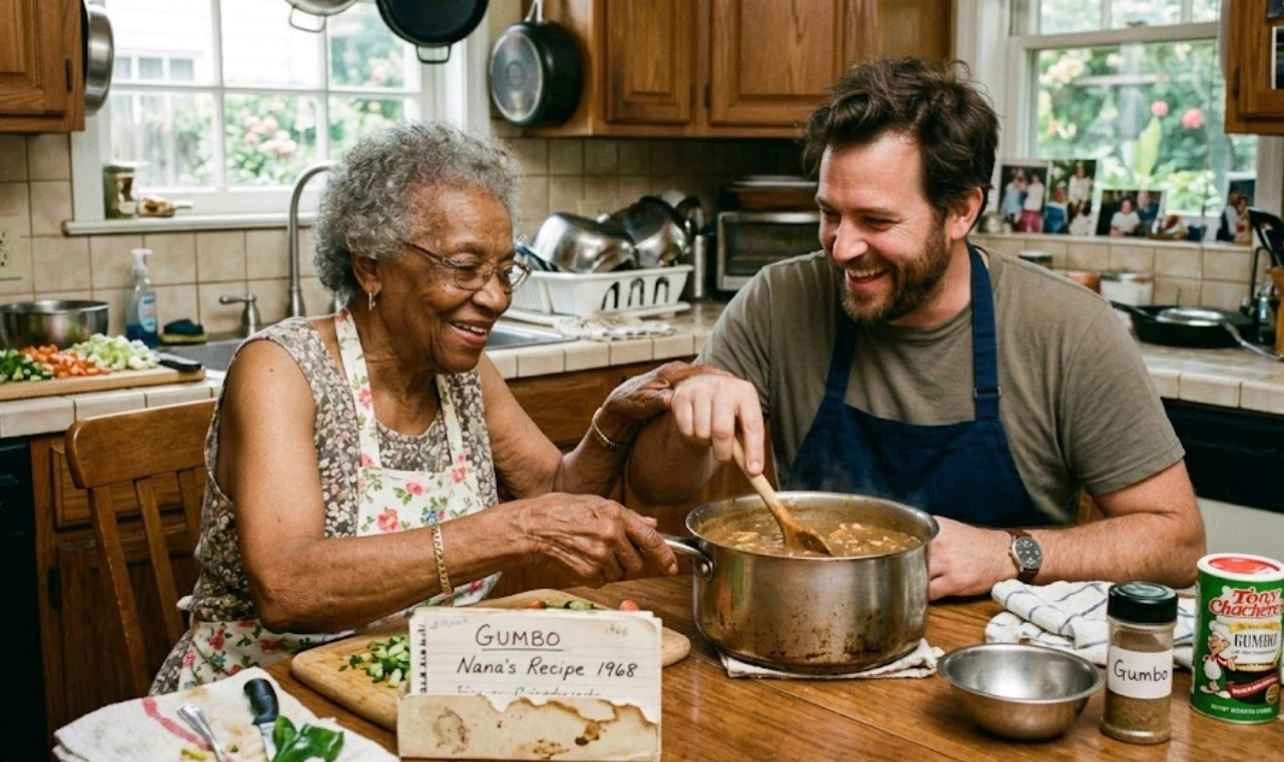
A grandmother’s stew or a childhood breakfast recipe often means more than its ingredient list suggests.
This resonance explains why the term spread quickly across food blogs and wellness platforms in a short period of time.
It gave language to something cooks already felt but rarely had the right words to describe clearly.
Why Is a Recipe Important Heartumental for Beginners?
New cooks face constant uncertainty in the kitchen. A recipe removes guesswork by offering exact quantities, timing, and sequence.
Without guidance, beginners often waste ingredients or produce inconsistent results, which can discourage them from cooking again.
Recipes Build Confidence Step by Step
Following a recipe successfully gives beginners a small win. That win builds motivation to try the next dish.
Over time, repeated success with recipes teaches flavor balance, heat control, and timing instinctively.
Each completed dish adds a small layer of trust in one’s own ability, which compounds quickly over a few weeks of practice.
This is why many cooking instructors recommend starting with simple, well-tested recipes rather than ambitious ones.
Reducing Kitchen Anxiety
Cooking without direction can feel stressful, especially for someone unfamiliar with techniques. A clear recipe acts like a safety net.
This safety net allows beginners to focus on enjoying the process rather than fearing failure.
Anxiety around cooking often comes from uncertainty, not difficulty. Knowing exactly what to do next removes most of that uncertainty.
A recipe essentially answers every question before it’s even asked, which makes the entire experience far less intimidating.
The Emotional Side of Heartumental Recipes
This is where why is a recipe important heartumental becomes more than a cooking question. It becomes a question about memory and identity.
Certain smells and tastes instantly transport people back to childhood kitchens, holidays, or comforting moments after a hard day.
Recipes as Emotional Anchors
A familiar recipe can function like an emotional anchor. It grounds a person in a feeling of safety or belonging during stressful times.
This is why so many people return to the same comfort dish whenever life feels chaotic or uncertain.
An emotional anchor doesn’t need to be complicated. Even a simple grilled cheese sandwich can carry years of memory behind it.
These small, repeated rituals quietly shape how people relate to food long after childhood ends.
Food and Memory Connection
Scent and taste are tightly linked to memory in the brain. A specific spice blend can recall an entire afternoon from years ago.
Heartumental recipes lean into this connection instead of ignoring it, treating memory as part of the cooking process itself.
Researchers have long noted that smell triggers memory faster than sight or sound, which explains why kitchens feel so nostalgic.
This is part of why reheating a familiar dish can instantly shift someone’s mood after a long day.
Cooking as a Mindfulness Practice
Cooking from a recipe naturally draws attention into the present moment through measuring, smelling, tasting, and adjusting heat.
This sensory engagement works similarly to mindfulness exercises, helping reduce racing thoughts and everyday stress.
Unlike passive activities such as scrolling a phone, cooking requires active focus without feeling like a forced chore.
This balance of structure and sensory engagement is part of why so many people describe cooking as relaxing rather than tedious.
Consistency: The Practical Heart of Every Recipe
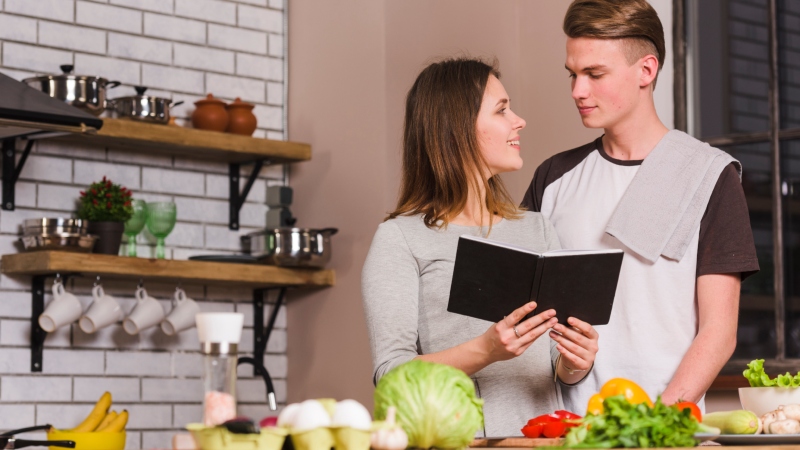
Families and guests expect meals to taste familiar. Recipes make that possible by removing variation between cooking sessions.
When you follow the same steps and measurements, you get the same dependable result every single time.
How Consistency Builds Trust in the Kitchen
Trust grows when a dish turns out right repeatedly. This trust encourages cooks to experiment confidently once the basics feel secure.
Guests and family members also begin to associate your cooking with reliability and quality over time.
That reputation, even within a household, often becomes a small source of pride that motivates continued cooking.
Once a few recipes feel completely reliable, cooks naturally start branching into new dishes with less hesitation.
Consistency Supports Better Meal Planning
Knowing exactly what a recipe requires makes grocery shopping and weekly planning far simpler and less stressful.
You know what to buy, how long preparation takes, and what the final result will look and taste like.
This predictability also reduces food waste, since ingredients are purchased with a clear purpose rather than guesswork.
Over a month, this small efficiency can meaningfully reduce both grocery spending and last-minute takeout orders.
Recipes as Tools for Tradition and Cultural Identity
Recipes preserve more than flavor. They preserve family history, cultural heritage, and personal identity across generations.
A handwritten recipe card stained with sauce often tells a richer story than a perfectly typed online version.
Passing Down Family Recipes
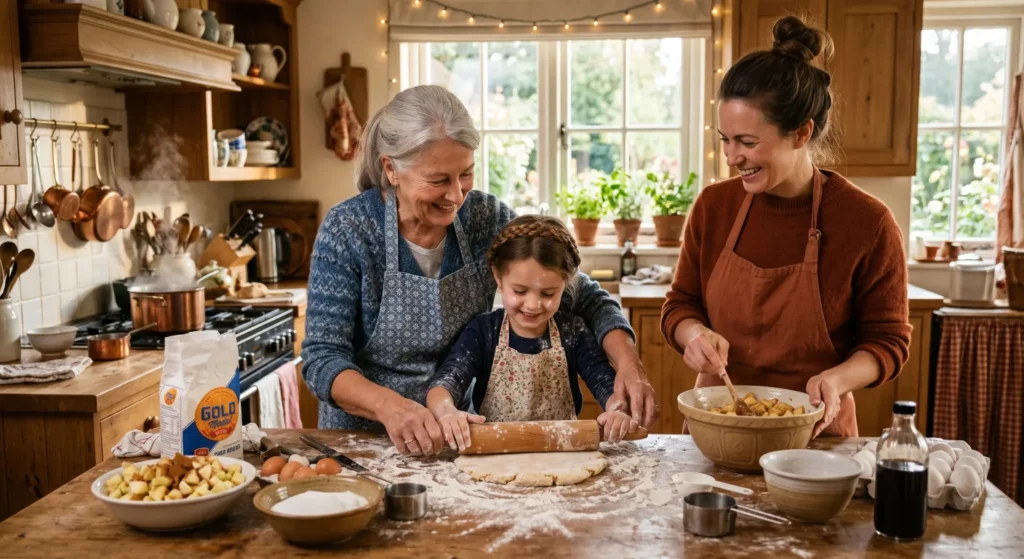
When younger family members learn traditional dishes, they participate in preserving heritage, not just learning cooking skills.
This shared experience strengthens family bonds while keeping cultural stories alive for the next generation.
Many families only realize the value of a recipe once an older relative is no longer able to make it themselves.
This is why writing down or recording family recipes early has become an increasingly common practice in recent years.
Recipes as Cultural Bridges
In multicultural households, recipes often bridge two worlds. They honor heritage while adapting naturally to new environments and available ingredients.
This blending keeps traditions alive without forcing families to choose between old customs and modern life.
A dish brought from one country often evolves slightly with each generation, reflecting new ingredients and new homes.
That evolution doesn’t erase tradition. Instead, it adds another layer to the story the recipe already carries.
Health and Nutrition Benefits of Following Recipes
Cooking from a trusted recipe gives you full control over sodium, sugar, fats, and portion sizes in every meal.
This control makes healthier eating realistic instead of relying on guesswork or convenience foods full of hidden additives.
Managing Dietary Needs With Precision
Recipes help cooks adapt meals for gluten-free, low-oil, or vegetarian diets without sacrificing safety or balance.
Clear measurements ensure dietary substitutions still produce a satisfying and nutritionally sound final dish.
Without a recipe as a base, dietary adjustments often become guesswork, increasing the risk of bland or unbalanced meals.
A reliable recipe gives cooks a stable foundation to modify safely, even with significant ingredient swaps.
Encouraging Balanced Meals
Good recipes naturally combine proteins, vegetables, healthy fats, and whole grains into one cohesive plate.
This balance becomes a habit once recipes are followed consistently rather than improvised meal after meal.
Below is a quick look at how recipe-based cooking compares with unplanned cooking across a few common factors.
| Factor | Recipe-Based Cooking | Unplanned Cooking |
|---|---|---|
| Nutritional balance | Generally consistent | Often inconsistent |
| Grocery efficiency | Planned, less waste | More impulse buying |
| Stress level | Lower, more predictable | Higher, more guesswork |
| Skill development | Steady improvement | Slower, uneven progress |
| Portion control | Easier to manage | Harder to estimate |
Heartumental Recipes vs Traditional Recipes
The table below highlights the practical differences between a standard recipe and one approached through a heartumental mindset.
| Aspect | Traditional Recipe | Heartumental Recipe |
|---|---|---|
| Primary focus | Measurements and steps | Measurements plus emotional intention |
| Goal | Accurate end result | Accurate result with personal meaning |
| Pace | Often rushed for efficiency | Slower, mindful, and present |
| Connection | Functional instruction | Memory, comfort, and tradition |
| Adaptation | Followed strictly | Adjusted with care and intuition |
Why Recipes Matter for Mental Wellbeing
Structured tasks like cooking have been linked to reduced anxiety and improved mood through a sense of accomplishment.
Completing a recipe, even a simple one, offers a small psychological reward that builds toward larger confidence.
Cooking as Emotional Regulation
The physical act of stirring, kneading, or simmering can be soothing during periods of grief, stress, or transition.
Many people instinctively turn to cooking when they need a healthy distraction from overwhelming emotions.
This isn’t a coincidence. Repetitive, hands-on tasks have long been associated with calming the nervous system naturally.
A recipe gives that instinct a clear direction, turning restless energy into something productive and comforting.
A Sense of Control During Uncertainty
A recipe provides predictable structure: clear ingredients, defined steps, and a known outcome.
This predictability feels comforting when other areas of life seem unpredictable or difficult to manage.
Standing in a kitchen measuring flour or stirring a pot offers a small, manageable task with a guaranteed result.
That sense of control, even in something small, can meaningfully shift someone’s mood during a difficult day.
Recipes and Creativity: Structure Enables Freedom
Some assume recipes limit creativity, but the opposite is often true. Mastering structure first allows confident experimentation later.
Just as artists learn technique before developing personal style, cooks benefit from mastering a recipe before improvising.
Using Recipes as a Creative Starting Point
A recipe can serve as a foundation rather than a strict rulebook once the basic technique feels familiar.
Cooks can swap spices, adjust textures, or add personal touches while still following the recipe’s core structure.
This kind of experimentation feels safer than cooking from scratch, since the recipe provides a fallback if changes don’t work.
Over time, small adjustments add up into a personal cooking style built on a solid technical foundation.
Building a Personal Recipe Collection
Over time, many cooks adapt favorite recipes into personalized versions that reflect their own taste and history.
These adapted dishes often become new family traditions, continuing the same cycle that inspired them originally.
Keeping a personal collection, whether written or digital, also makes it easier to repeat successful experiments later.
This collection slowly becomes its own kind of heartumental archive, filled with small personal notes and memories.
How Heartumental Recipes Improve Daily Life in 2026
Digital recipes, AI cooking tools, and smart kitchen apps have made recipes more accessible and adjustable than ever.
Even with this technology, the emotional core of why is a recipe important heartumental remains unchanged.
Saving Time Without Losing Meaning
Modern recipe tools help reduce food waste and simplify planning by suggesting meals from ingredients already on hand.
Despite faster tools, mindful cooking still requires intention, making technology a helper rather than a replacement for care.
AI-generated recipe suggestions can speed up decision-making, but the emotional value still comes from how the dish is cooked and shared.
This balance between speed and meaning is shaping how recipes are written and used throughout 2026.
Recipes Reducing Reliance on Takeout
A trusted recipe saves money and time compared to ordering food, especially on busy weeknights.
It also ensures better nutritional quality compared to many restaurant or delivery options.
Choosing a quick, reliable recipe over delivery apps has become a common strategy for managing both budget and health goals.
This shift reflects a broader return to home cooking as both a practical and emotional choice.
Common Mistakes That Reduce a Recipe’s Heartumental Value
Some habits accidentally strip the emotional and educational value out of cooking, even when a recipe is followed correctly.
Avoiding these mistakes helps preserve both the practical and emotional benefits of structured cooking.
Rushing Through Every Step
Cooking too quickly removes the mindfulness benefits that make recipes feel meaningful rather than mechanical.
Slowing down, even slightly, allows the sensory and emotional rewards of cooking to surface naturally.
Rushing also increases the chance of small errors, such as missing seasoning steps or undercooking key ingredients.
A few extra minutes of patience often improves both the final dish and the overall experience of making it.
Ignoring the Story Behind a Dish
Treating every recipe as purely functional removes the opportunity to connect with memory, culture, or family history.
Adding a small personal note or memory to a recipe keeps its heartumental meaning alive for future use.
This habit costs nothing extra in time or ingredients, yet it significantly increases the emotional value of a dish.
Future generations are far more likely to keep cooking a recipe that comes with a story attached.
How to Make Any Recipe More Heartumental
You don’t need a special recipe to apply this philosophy. Any dish can become more meaningful with small intentional changes.
These adjustments require no extra skill, only a shift in attention and pace while cooking.
Choose Recipes Tied to Positive Memories
Selecting a dish associated with comfort or celebration naturally increases its emotional value during preparation.
This simple choice transforms an ordinary recipe into something closer to a heartumental experience.
It also gives cooking a clear purpose beyond simply finishing a meal, which can make the process feel more rewarding.
Over time, this small habit shapes which recipes naturally become long-term favorites in a household.
Cook With Full Attention
Notice textures, smells, and sounds while preparing each step instead of multitasking through the process.
This single shift turns routine cooking into a calming, present-focused activity.
Putting away distractions like phones or background screens, even briefly, sharpens this sense of presence considerably.
Many cooks report that this small change alone makes weeknight cooking feel far less like a chore.
Share the Meal Intentionally
Serving a dish with a short story or memory attached deepens its meaning for everyone at the table.
This habit also helps preserve family recipes for future generations in a natural, low-effort way.
Even a brief sentence, such as explaining where a recipe came from, adds noticeable warmth to a shared meal.
This small ritual is often what turns an ordinary dinner into a memorable one worth repeating.
Frequently Asked Questions (FAQs)
Why is a recipe important heartumental in simple terms?
A recipe is heartumental because it blends practical cooking guidance with emotional comfort and memory.
It helps you cook accurately while also connecting you to feelings, tradition, and personal history.
Does heartumental cooking require special ingredients?
No, heartumental cooking uses regular pantry staples and familiar ingredients found in most kitchens.
The philosophy focuses on intention and presence, not exotic or expensive items.
Can heartumental cooking help reduce stress?
Yes, the structured and sensory nature of recipe-based cooking can lower stress and support emotional regulation.
Many people find chopping, stirring, and tasting genuinely calming during difficult days.
Is heartumental cooking only about old family recipes?
No, any recipe can become heartumental, including new dishes cooked with intention and attention.
Tradition adds depth, but meaning can be created with brand-new recipes too.
How do recipes support healthier eating habits?
Recipes give cooks control over sodium, sugar, and portion sizes compared to processed or takeout meals.
This control makes consistent, balanced nutrition easier to maintain long term.
Why do recipes taste different when someone else makes them?
Differences in heat, pans, seasoning habits, and even kitchen environment can change the final taste slightly.
Emotional energy and experience also subtly influence how a dish turns out.
Can a new recipe become a family tradition?
Yes, repeating and refining a dish over time can turn it into a meaningful family tradition.
Sharing it intentionally with others strengthens its emotional and cultural value.
Do recipes really help beginners learn faster?
Yes, following structured recipes teaches timing, technique, and flavor balance more efficiently than guessing alone.
Confidence builds naturally with each successful dish completed.
Is heartumental cooking a specific diet plan?
No, it is a mindset and approach to cooking rather than a strict diet or meal plan.
It naturally supports healthier choices without enforcing rigid food rules.
What is the easiest way to start heartumental cooking tonight?
Choose one familiar recipe, slow down while preparing it, and notice the smells and textures involved.
This small shift is enough to experience the heartumental approach immediately.
Conclusion
Why is a recipe important heartumental ultimately comes down to balance between structure and emotion. Recipes guide accurate cooking through clear steps, measurements, and timing, which builds confidence for beginners and consistency for experienced cooks.
At the same time, recipes carry memory, tradition, and comfort that turn ordinary meals into meaningful experiences. They support better nutrition, reduce stress, and preserve cultural identity across generations.
Heartumental cooking simply asks you to slow down and notice that deeper layer already present in your favorite dishes. Whether you’re learning basic techniques or passing down a cherished family recipe, every dish offers more than nourishment alone.
Tonight, choose one recipe that means something to you, cook it with attention, and experience why this approach continues to resonate with home cooks everywhere in 2026.