Why Are Wisdom Teeth Called Wisdom Teeth? Dental Meaning 2026
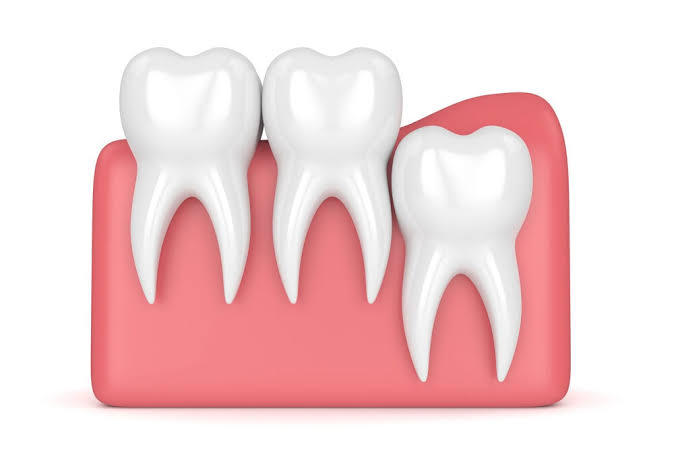
Why are wisdom teeth called wisdom teeth is one of the most searched dental questions, and the answer is simpler than you think.
These third molars get their name because they erupt much later in life, usually between ages 17 and 25, right when a person is considered to be entering adulthood and gaining a little more wisdom
. The name has nothing to do with intelligence or brainpower. It is purely about timing.
What Does The Term Wisdom Teeth Actually Mean
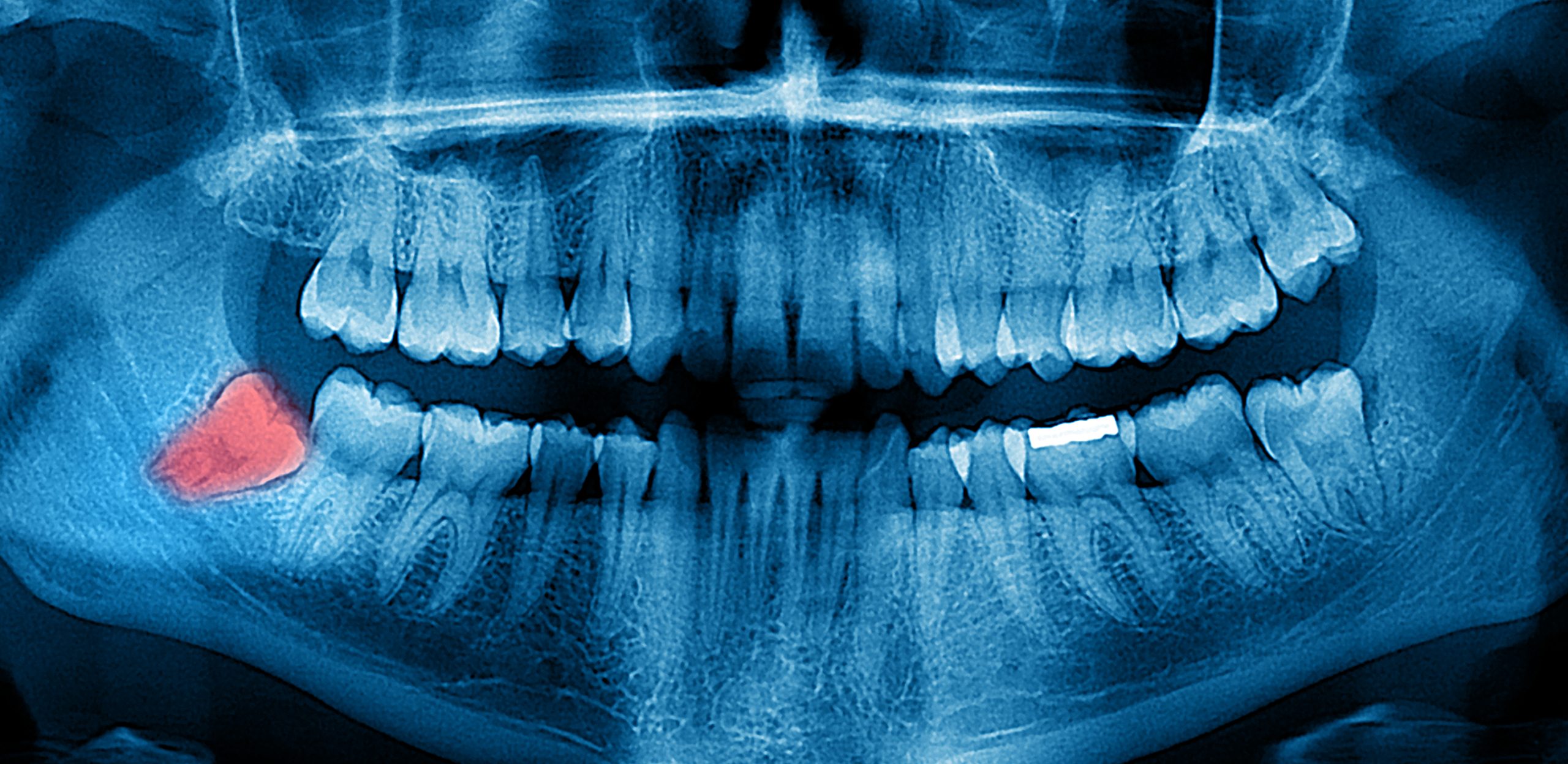
Dental X-Ray. A panoramic x-ray of a mouth, with intact wisdom teeth, one of which is severely impacted.
The phrase wisdom teeth refers to the third and final set of molars that grow at the very back of the mouth.
They are called wisdom teeth simply because of when they appear, not because they make a person smarter.
Dentists and historians agree that the timing of eruption, late teens to mid twenties, is the entire reason behind the name.
The Historical Origin Of The Name Wisdom Teeth
The term traces back to ancient Greek civilization, where these molars were referred to as odontes sophronisteres, meaning teeth of prudence or wisdom.
Latin scholars later translated this into dens sapientiae, which directly means tooth of wisdom.
By the seventeenth century, English speakers used the phrase teeth of wisdom, and by the nineteenth century it had shortened to simply wisdom teeth.
This shows the name has been in continuous use for hundreds of years across multiple languages and cultures.
How Different Cultures Named Wisdom Teeth
| Language | Term Used | Literal Meaning |
|---|---|---|
| English | Wisdom Teeth | Teeth of Wisdom |
| Greek | Odontes Sophronisteres | Teeth of Prudence |
| Latin | Dens Sapientiae | Tooth of Wisdom |
| Spanish | Muelas del Juicio | Teeth of Judgement |
| Dutch | Verstandskiezen | Far Standing or Wisdom Tooth |
| Chinese | Zhi Chi | Wisdom Tooth |
Almost every major language has a version of this name, and nearly all of them connect the teeth to maturity, judgement, or wisdom.
This global pattern shows the naming was never random, it was based on the universal observation that these molars appear once a person reaches adulthood.
At What Age Do Wisdom Teeth Usually Appear
Most people see their wisdom teeth emerge between the ages of 17 and 25.
This age range lines up with the transition from the teenage years into early adulthood, which is exactly why the wisdom connection was made.
Some people may not see their wisdom teeth appear until their late twenties, while others never develop them at all.
Why Timing Is The Real Reason Behind The Name
Unlike baby teeth or regular adult molars that come in during childhood, wisdom teeth wait until a person is biologically older.
This later timing was seen by ancient scholars as symbolic of a person growing wiser with age.
Modern science even supports part of this idea, since the human brain continues developing until around age 25, the same window wisdom teeth typically erupt in.
Do Wisdom Teeth Actually Make You Wiser
No, wisdom teeth have absolutely nothing to do with intelligence, learning ability, or brain function.
The name is purely a poetic reference to age and maturity, not an actual biological link to wisdom or smarts.
People without wisdom teeth are not less wise, and people with all four are not automatically wiser than others.
The Scientific Reason Humans Have Wisdom Teeth
Anthropologists believe early human ancestors had much larger jaws that could comfortably fit 32 teeth, including four extra molars.
These molars were useful for chewing tough, coarse foods like raw plants, roots, and uncooked meat that required heavy grinding.
As human diets evolved to include cooked and softer foods, jaws gradually became smaller over thousands of years, but the genetic code for wisdom teeth stayed.
Why Wisdom Teeth Are Considered Vestigial Today
A vestigial body part is something that once served a purpose but is no longer essential for survival.
Wisdom teeth fall into this category alongside the appendix, since modern humans simply do not need a third set of molars to eat properly.
This mismatch between smaller modern jaws and leftover ancient genetics is the core reason wisdom teeth cause so many problems today.
Common Problems Caused By Wisdom Teeth
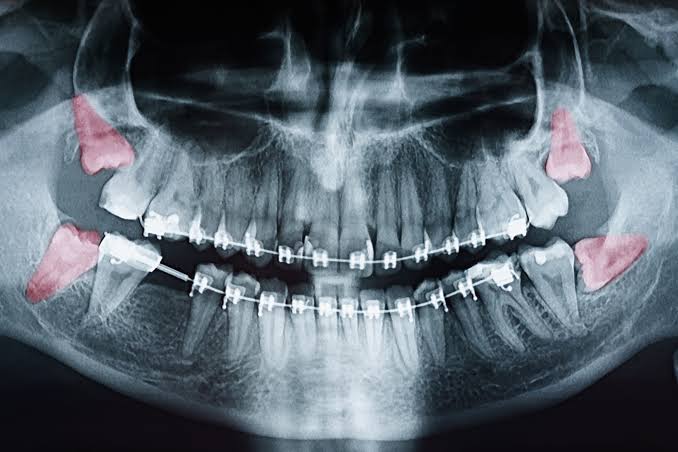
- Impaction, where the tooth cannot fully break through the gum line.
- Overcrowding of nearby teeth due to lack of space.
- Infection caused by partially erupted teeth trapping food and bacteria.
- Cyst formation around an impacted tooth.
- Damage to the roots of neighboring molars.
- Gum inflammation and tenderness near the back of the mouth.
- Jaw pain or stiffness when chewing.
- Tooth decay in hard to reach areas around the wisdom tooth.
- Shifting of teeth that can undo previous orthodontic work.
- Chronic bad breath caused by bacteria buildup around the tooth.
Why Are Wisdom Teeth Often Removed
Dentists commonly recommend removal when there is not enough room in the jaw for the tooth to grow in properly.
An impacted wisdom tooth can press against neighboring molars, causing pain, misalignment, and long term dental damage.
Removing the tooth early often prevents these complications before they become serious.
Signs You May Need Your Wisdom Teeth Removed
| Symptom | What It Usually Means |
|---|---|
| Pain at the back of the jaw | Tooth may be impacted or infected |
| Swollen or red gums | Possible gum infection near the molar |
| Difficulty opening the mouth fully | Jaw stiffness from pressure |
| Bad breath or unusual taste | Bacteria trapped around the tooth |
| Visible crowding of front teeth | Wisdom teeth pushing other teeth out of place |
| Headaches near the jaw area | Pressure from an emerging molar |
If you notice any of these signs, a dental checkup and possible x-ray can confirm whether removal is necessary.
Not Everyone Develops Wisdom Teeth
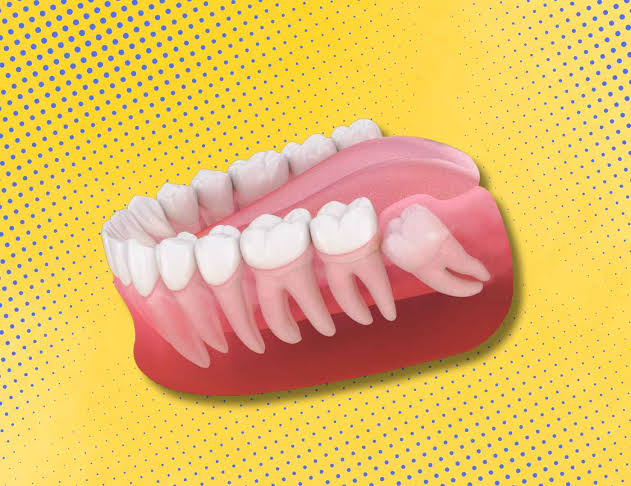
Roughly 35 percent of people are born without one or more wisdom teeth entirely, according to dental researchers.
This is considered a normal genetic variation and is becoming more common as human jaw size continues to evolve over generations.
Some people develop only one or two wisdom teeth instead of the usual four.
How Many Wisdom Teeth Can A Person Have
Most people are born with four wisdom teeth, one in each corner of the mouth.
However, the number can vary, with some people having fewer, none at all, or in rare cases more than four extra molars.
A dental x-ray is the easiest way to confirm exactly how many wisdom teeth you have.
The Connection Between Wisdom Teeth And Human Evolution
Early human ancestors needed extra chewing power for tough, fibrous, and raw foods that required significant grinding before swallowing.
As cooking methods developed and food became softer, the need for a third set of molars gradually decreased.
Many scientists believe wisdom teeth are slowly disappearing from the human genome over evolutionary time, much like other vestigial traits.
Wisdom Teeth In Other Languages Reflect The Same Idea
In Spanish speaking countries, wisdom teeth are called muelas del juicio, which translates to teeth of judgement.
This reflects the same underlying idea found in English, that these molars are tied to the age when a person matures and gains judgement or wisdom.
The consistency across unrelated languages strongly suggests the naming pattern developed independently but converged on a similar idea of maturity.
Are Wisdom Teeth The Same As Third Molars
Yes, wisdom teeth and third molars refer to the exact same teeth located at the very back corners of the mouth.
Dentists often use the clinical term third molars, while the general public typically uses the more familiar term wisdom teeth.
Both terms describe the same structure and the same eruption timeline.
What Happens If Wisdom Teeth Are Left Untreated
Leaving problematic wisdom teeth untreated can lead to ongoing pain, recurring infections, and damage to nearby healthy teeth.
In more severe cases, untreated impacted wisdom teeth can contribute to cyst formation that affects the jawbone itself.
This is why dentists usually recommend monitoring wisdom teeth closely through regular checkups and x-rays starting in the late teenage years.
How Dentists Decide Whether To Remove Wisdom Teeth
Dentists evaluate the position, angle, and amount of space available using dental x-rays before recommending extraction.
Teeth that are growing in straight with enough room may be left alone and simply monitored over time.
Teeth that are impacted, angled, or causing crowding are typically recommended for removal to prevent future complications.
The Recovery Process After Wisdom Teeth Removal
Most people recover from wisdom teeth removal within three to seven days with proper rest and care.
Swelling and mild discomfort are common in the first 48 hours, followed by gradual improvement.
Following your dentist’s aftercare instructions, including soft foods and gentle rinsing, helps speed up healing significantly.
Fun Historical Facts About Wisdom Teeth
- The Greek term for wisdom teeth dates back over two thousand years.
- English speakers shortened teeth of wisdom into wisdom teeth around the 1800s.
- Ancient humans had jaws large enough to fit all 32 teeth comfortably.
- The Spanish term for these molars translates to teeth of judgement.
- Charles Darwin discussed vestigial structures similar to wisdom teeth in his evolutionary writings.
- Some anthropologists predict wisdom teeth may disappear entirely within future generations.
- Wisdom teeth share vestigial status with the human appendix.
- Dutch speakers use a term that translates to far standing tooth.
- Chinese medicine historically linked wisdom teeth emergence to the transition into adulthood.
- Modern brain development research shows the brain matures around the same age wisdom teeth appear.
Frequently Asked Questions (FAQs)
Why are wisdom teeth called wisdom teeth?
They are named wisdom teeth because they emerge later in life, typically between ages 17 and 25, when a person is considered more mature.
The name reflects timing and age, not actual intelligence.
Do wisdom teeth make you smarter?
No, wisdom teeth have no connection to intelligence or brain function whatsoever.
The name is simply a symbolic reference to the age of maturity when they appear.
At what age do wisdom teeth typically come in?
Most wisdom teeth erupt between the ages of 17 and 25.
Some people may experience eruption slightly earlier or later than this range.
Why do humans even have wisdom teeth?
Ancient human ancestors had larger jaws and needed extra molars to chew tough, raw foods.
As jaws shrank over time, these teeth became mostly unnecessary but remained genetically present.
Is it normal to not have wisdom teeth?
Yes, around 35 percent of people are born without one or more wisdom teeth.
This is a completely normal genetic variation seen in modern humans.
Why do wisdom teeth often need to be removed?
They are frequently removed because modern jaws often lack enough space for them to grow in properly.
This can lead to impaction, infection, or crowding of nearby teeth.
What is an impacted wisdom tooth?
An impacted wisdom tooth is one that cannot fully emerge through the gum due to lack of space.
It can cause pain, swelling, and infection if left untreated.
Are wisdom teeth and third molars the same thing?
Yes, wisdom teeth are clinically known as third molars in dental terminology.
Both terms refer to the exact same teeth at the back of the mouth.
How many wisdom teeth do people usually have?
Most people have four wisdom teeth, one in each corner of the mouth.
However, the number can vary from zero to more than four in rare cases.
Can wisdom teeth grow in without causing any problems?
Yes, if there is enough space and the tooth grows in straight, wisdom teeth can function normally without issues.
Regular dental checkups help determine whether your wisdom teeth are healthy or problematic.
Conclusion
Understanding why wisdom teeth are called wisdom teeth comes down to one simple fact, timing. These third molars earned their name because they appear later in life, around the same age a person is considered to be gaining maturity and wisdom.
The name has nothing to do with actual intelligence, but rather reflects centuries of cultural observation that span Greek, Latin, Spanish, and Dutch traditions.
Scientifically, wisdom teeth are a leftover trait from ancient human ancestors who needed larger jaws and extra molars for tougher diets. Today, modern jaws are smaller, which often leads to impaction, crowding, and the need for removal.
Whether your wisdom teeth grow in smoothly or cause complications, knowing the history and science behind their name helps put this common dental experience into perspective for 2026 and beyond.