Why Does the Side of My Tongue Hurt? Symptoms Explained 2026
Why does the side of my tongue hurt is one of the most common oral health questions people search for, and the answer ranges from completely harmless to something worth a dentist’s attention.
In most cases, the discomfort comes from something simple like biting your tongue or a rough tooth edge. Other times, it can point to a canker sore, an infection, or even a nutritional gap.
What Does Pain on the Side of the Tongue Usually Feel Like?

Pain on the side of the tongue can show up in a few different ways. Some people describe a sharp, stinging sensation that flares when eating.
Others notice a dull, constant soreness that lingers throughout the day. A burning or tingling feeling is also common, especially with certain foods.
The sides of the tongue are particularly sensitive because they’re packed with nerve endings. They also sit right next to your teeth, which makes them prone to friction.
Some people also notice a change in taste or a slightly swollen feeling on the affected side, especially right after an injury occurs.
Most cases of tongue pain are temporary and resolve within a week or two. Pain that lingers longer deserves a closer look.
The Most Common Cause: Accidental Biting
The single most frequent reason for side-of-tongue pain is simply biting it. This happens easily while chewing, talking, or eating quickly.
A bitten tongue often swells slightly and may form a small sore where the teeth made contact. The area is usually tender to the touch for a few days.
This type of injury heals on its own without any treatment. Avoiding spicy or acidic foods during healing can help reduce discomfort.
If biting happens repeatedly in the same spot, it may signal a misaligned bite or a tooth that needs adjusting. A dentist can check for this pattern.
Sharp Teeth, Dental Work, and Chronic Irritation
A chipped tooth, rough filling, or broken crown can constantly rub against the side of the tongue. This creates ongoing irritation rather than a one-time injury.
Braces, retainers, and dentures are also common culprits. The hardware can scrape against soft tongue tissue every time you talk or eat.
This kind of pain tends to flare specifically during eating or speaking. It often improves temporarily when you avoid using that side of your mouth.
A dentist can smooth sharp edges or adjust appliances to stop the irritation. Without that fix, the soreness will likely keep returning.
Canker Sores: A Frequent Source of Tongue Soreness
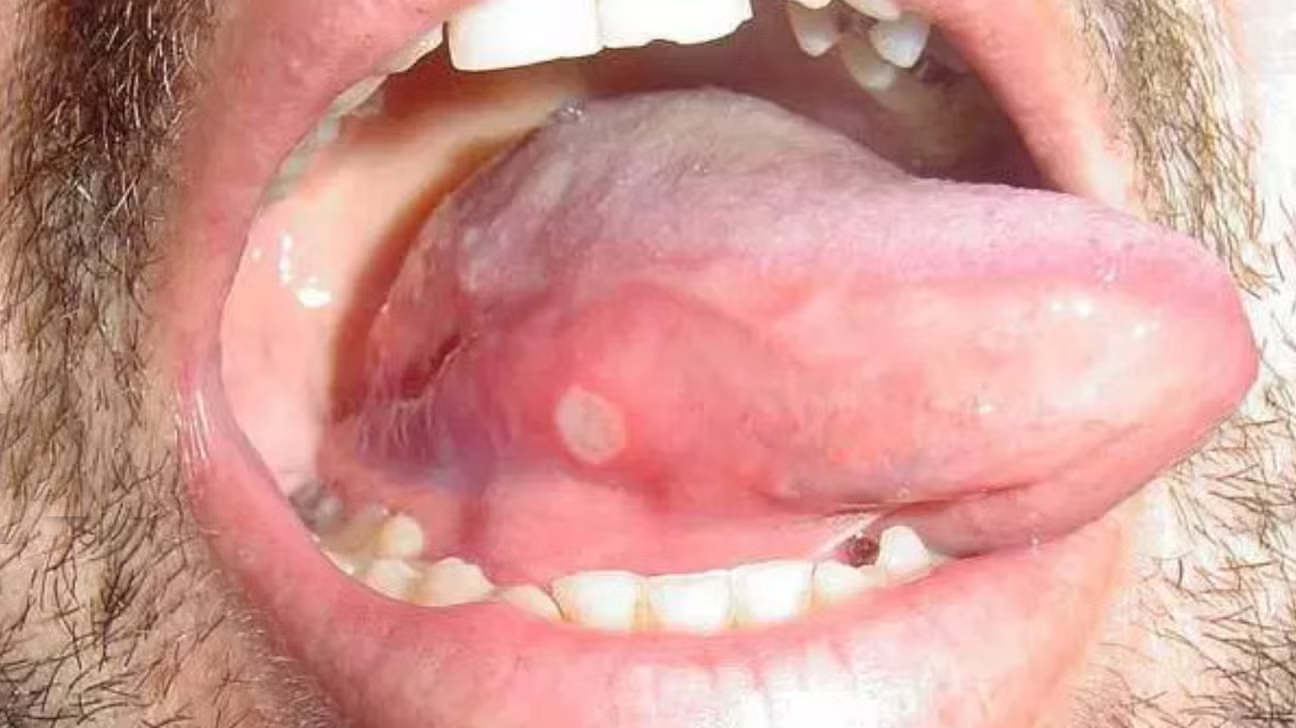
Canker sores are small ulcers that often appear on the sides of the tongue. They typically look white or yellow with a red border around them.
These sores can be triggered by stress, minor trauma, or acidic foods like citrus and tomatoes. Hormonal changes are another known trigger for some people.
Most canker sores heal on their own within one to two weeks. Over-the-counter gels can help numb the area during healing.
Sores that last longer than three weeks, or that keep coming back in the same spot, should be evaluated by a dentist or doctor.
Table: Common Causes at a Glance
| Cause | Typical Duration | Pain Pattern |
|---|---|---|
| Accidental biting | A few days | Sharp, localized |
| Sharp tooth or dental appliance | Ongoing until fixed | Recurs during eating/talking |
| Canker sore | 1-2 weeks | Stinging, worse with acidic food |
| Oral thrush (fungal infection) | Until treated | Burning, possible white coating |
| Burning mouth syndrome | Chronic | Persistent burning, no visible cause |
| Vitamin B12/iron/folate deficiency | Until corrected | Soreness, smooth or red patches |
| Geographic tongue | Comes and goes | Patchy soreness, map-like pattern |
| Lichen planus | Chronic, flares | Burning, white lacy lines |
Stress, Teeth Grinding, and Tongue Pain
Stress doesn’t directly damage the tongue, but it contributes in indirect ways. Many people clench their jaw or grind their teeth when stressed.
This grinding, known as bruxism, often happens during sleep without you realizing it. It can cause you to bite your cheek or tongue repeatedly overnight.
Stress also increases the likelihood of canker sores in some people. The exact mechanism isn’t fully understood, but the link is well documented.
Managing stress through relaxation techniques or a nightguard for grinding can reduce how often this type of tongue pain occurs.
Oral Thrush and Fungal Infections
Oral thrush is a fungal infection caused by an overgrowth of candida yeast in the mouth. It can affect the tongue, including the sides.
Thrush often appears as white, slightly raised patches that can be scraped off, sometimes revealing a red, sore surface underneath.
People with weakened immune systems, dry mouth, or those on antibiotics are more prone to developing thrush. Denture wearers are also at higher risk.
Treatment usually involves an antifungal medication prescribed by a doctor or dentist. Good oral hygiene also helps prevent recurrence.
Burning Mouth Syndrome Explained
Burning mouth syndrome, sometimes called glossodynia, causes a persistent burning or tingling sensation in the tongue and mouth. There’s often no visible cause.
This condition is more common in middle-aged and older women, particularly after menopause. The exact cause isn’t always clear, even after testing.
Symptoms can be continuous or come and go throughout the day. Some people also notice a metallic or bitter taste alongside the burning feeling.
Because the cause varies so much between people, treatment is individualized. A doctor may test for nutritional deficiencies, dry mouth, or nerve-related issues.
Nutritional Deficiencies and Tongue Soreness
Your diet plays a real role in oral tissue health. Low levels of vitamin B12, iron, or folate are commonly linked to tongue pain and soreness.
These deficiencies can cause the tongue to become unusually smooth, red, or tender. Cracks at the corners of the mouth sometimes appear alongside this.
A blood test can confirm whether a deficiency is contributing to your symptoms. Correcting the deficiency through diet or supplements often resolves the soreness.
Foods like leafy greens, eggs, lean meat, and fortified cereals can help maintain healthy levels of these key nutrients over time.
Geographic Tongue: A Harmless but Confusing Condition
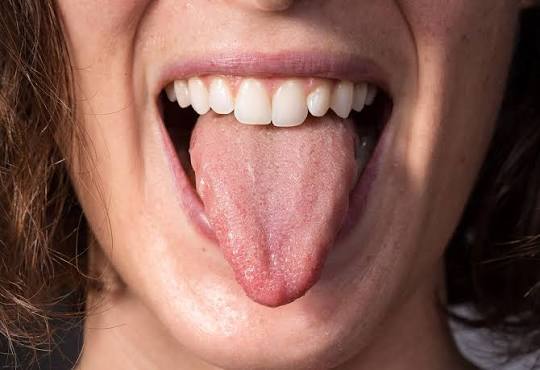
Geographic tongue is a condition where smooth, irregular patches appear on the tongue’s surface, resembling a map. It can affect the sides as well.
These patches may feel sore or sensitive, especially when eating spicy, acidic, or hot foods. The pattern often shifts location over time.
The exact cause isn’t fully known, though it’s considered harmless and not linked to infection or cancer. It tends to come and go throughout life.
There’s no specific cure, but avoiding trigger foods during flare-ups can ease discomfort. A dentist can confirm the diagnosis if you’re unsure.
Lichen Planus and Other Inflammatory Conditions
Oral lichen planus is an inflammatory condition that can cause white, lacy lines or patches inside the mouth, including the tongue’s sides.
It can cause burning, soreness, and sensitivity to certain foods. The exact trigger is often unclear, though it may be related to immune system activity.
This condition tends to be chronic, with periods of flare-ups and remission. It requires monitoring since some forms carry a small increased risk over time.
A dentist or oral medicine specialist can diagnose lichen planus through examination and, if needed, a small tissue biopsy.
When Tongue Pain Could Signal Something More Serious
Most tongue pain is harmless and temporary, but certain signs warrant prompt medical attention. These are signs doctors specifically watch for.
A sore or lump that doesn’t heal after two to three weeks is one of the most important warning signs. Persistent sores deserve a professional look.
Unexplained bleeding, numbness, or a patch that’s red, white, or mixed in color can also be significant. These changes shouldn’t be ignored.
Difficulty swallowing, chewing, or moving your tongue normally are additional signs that point toward needing an evaluation sooner rather than later.
Table: Symptom Checklist — Routine vs. See a Professional
| Symptom | Likely Routine | See a Dentist or Doctor |
|---|---|---|
| Pain after biting tongue, improving daily | Yes | No |
| Sore lasting more than 2-3 weeks | No | Yes |
| Recurring pain in the exact same spot | No | Yes |
| Burning with no visible cause | Sometimes | Yes, if persistent |
| White patches that scrape off easily | No | Yes |
| Numbness or unexplained bleeding | No | Yes |
| Soreness tied to spicy or acidic food only | Yes | No |
| Lump or thickened area that doesn’t heal | No | Yes |
Risk Factors Worth Knowing About
Tobacco use, in any form, is one of the strongest known risk factors for more serious tongue and mouth conditions. This includes smoking and chewing tobacco.
Heavy alcohol use, particularly combined with tobacco, further increases risk. Reducing or eliminating both can meaningfully lower your long-term risk profile.
Sun exposure to the lips without protection is another factor, though it relates more to lip-based concerns than the tongue itself.
Most people with tongue pain don’t have any of these risk factors, and most causes remain completely benign and self-limiting.
Age is a relevant factor too, since more serious oral conditions become somewhat more common after age 55. This doesn’t mean younger people are immune, but it’s part of why doctors weigh age alongside other symptoms when evaluating persistent tongue pain.
Why the Pain Feels Worse on One Side Specifically
Many people notice their tongue pain is isolated to just one side rather than both. This is actually the expected pattern for most common causes.
Biting injuries, sharp teeth, and dental appliances almost always affect a single, specific spot. The tongue’s two sides don’t usually experience identical trauma at the same time.
Canker sores and geographic tongue patches also tend to appear in isolated areas rather than spreading evenly. A one-sided pattern doesn’t usually signal anything more serious on its own.
True two-sided, symmetrical symptoms are less common and are more often linked to conditions like burning mouth syndrome or a nutritional deficiency affecting the whole mouth.
If you notice your pain switching sides over time, this is usually still consistent with recurring minor trauma. Tracking which side hurts and when can help your dentist narrow down the cause faster.
Foods and Habits That Make Tongue Pain Worse
Certain foods are well known for aggravating an already sore tongue. Spicy dishes, citrus fruits, and tomato-based sauces are common offenders.
Carbonated drinks and alcohol-based mouthwashes can also sting irritated tissue. Switching to an alcohol-free rinse during a flare-up often brings noticeable relief.
Crunchy or sharp-edged foods, like chips or toast, can physically scrape against a sore spot and slow down healing. Softer foods are easier on healing tissue.
Smoking and chewing tobacco both delay healing and increase irritation throughout the mouth. Cutting back, even temporarily, can speed up recovery from a sore tongue.
Very hot foods and drinks are another common trigger, since heat can directly irritate already-sensitive tissue. Letting food cool slightly before eating is a simple, effective habit.
How Long Different Causes Typically Take to Heal
Understanding typical healing timelines can help you decide when it’s reasonable to wait versus when to seek care.
A simple bite injury usually improves within three to five days and is fully healed within a week. Pain that’s still sharp after this point is worth monitoring closely.
Canker sores generally take one to two weeks to fully resolve. Larger or unusually painful sores may take slightly longer, even with good home care.
Irritation from a sharp tooth or dental appliance won’t fully resolve until the source is corrected. The pain pattern tends to repeat rather than steadily improve.
Burning mouth syndrome and lichen planus are typically chronic conditions, meaning they may improve with treatment but don’t follow a simple, predictable healing timeline like an injury would.
How Dentists and Doctors Diagnose Tongue Pain
A visual examination is usually the first step. Your dentist or doctor will look closely at the location, color, and texture of the affected area.
They’ll ask about how long the pain has lasted, what makes it better or worse, and whether you’ve noticed any other symptoms.
If a deficiency is suspected, a simple blood test can check vitamin B12, iron, and folate levels. Results usually come back within a few days.
For sores that don’t heal as expected, a small biopsy may be recommended. This is a standard, low-risk procedure to rule out serious causes.
Home Care Tips While You Heal
Rinsing with warm salt water several times a day can help soothe minor sores and reduce bacteria in the area.
Avoiding spicy, acidic, or rough-textured foods gives irritated tissue a chance to heal without repeated aggravation.
Over-the-counter oral gels containing benzocaine can numb painful spots temporarily, making eating and talking more comfortable.
Staying hydrated supports saliva production, which naturally helps protect and heal the soft tissues inside your mouth.
A short break from chewing gum or hard candy can also help, since repetitive jaw movement sometimes increases contact between teeth and an already sore tongue.
When Home Remedies Aren’t Enough
If a sore hasn’t improved after two weeks of basic home care, it’s a reasonable point to schedule an appointment.
Pain that’s getting worse instead of better, rather than gradually fading, is another reason to stop waiting and get checked.
Appliances like braces or dentures that keep causing repeated injury need professional adjustment rather than ongoing home management.
Trust your instincts here. If something feels different from your usual minor tongue irritation, it’s always reasonable to get it looked at.
Tongue Pain in Children: What’s Different
Kids experience side-of-tongue pain for largely the same reasons as adults, with accidental biting being especially common during active play and meals.
Children are also more prone to canker sores during periods of stress, such as starting a new school year or adjusting to a change in routine.
Thumb-sucking, pacifier use, or chewing on toys can occasionally cause repetitive irritation along the sides of the tongue in younger kids.
Most pediatric tongue pain resolves on its own within a week. Persistent pain, refusal to eat, or visible swelling warrants a call to the pediatrician or dentist.
Teaching children to chew slowly and avoid talking with food in their mouth can meaningfully reduce how often these minor injuries happen.
Preventing Future Tongue Pain
Eating slowly and avoiding distractions while chewing can meaningfully reduce how often you accidentally bite your tongue.
Regular dental checkups catch sharp teeth, rough fillings, and ill-fitting appliances before they cause chronic irritation.
A balanced diet with adequate B12, iron, and folate supports healthy oral tissue and may reduce deficiency-related soreness.
Managing stress and addressing teeth grinding, whether through a nightguard or relaxation techniques, can lower your risk of repeated injury.
Frequently Asked Questions (FAQs)
Why does the side of my tongue hurt for no reason?
It’s often due to an unnoticed bite, a rough tooth edge, or a developing canker sore. Stress and grinding can also contribute.
Is it normal for tongue pain to come and go?
Yes, especially with canker sores or geographic tongue, which both follow a cycle of flare-ups and healing.
Can stress really cause tongue soreness?
Yes, stress increases teeth grinding and accidental biting, and may also trigger canker sores in some people.
How long should a sore tongue take to heal?
Most minor sores heal within one to two weeks. Anything lasting longer should be checked by a professional.
Can a vitamin deficiency cause tongue pain?
Yes, low B12, iron, or folate levels are commonly linked to tongue soreness, redness, or a smooth texture.
Should I worry about a white patch on the side of my tongue?
Patches that scrape off easily are often harmless, like thrush. Patches that don’t scrape off need a professional check.
Can braces or dentures cause ongoing tongue pain?
Yes, if they rub against the tongue repeatedly. A dentist can adjust the appliance to stop the irritation.
When should I see a doctor about tongue pain?
See a doctor if pain lasts more than two to three weeks, worsens, or comes with numbness or bleeding.
Can burning mouth syndrome be cured?
There’s no single cure, but treatment can significantly reduce symptoms once the underlying contributor is identified.
Is tongue pain ever a sign of something serious?
It can be, though rarely. A sore that doesn’t heal after a few weeks should always be professionally evaluated.
Conclusion
Pain on the side of your tongue is usually nothing to panic about. In most cases, it traces back to something simple, like an accidental bite, a sharp tooth, or a canker sore that heals within a couple of weeks.
Conditions like oral thrush, burning mouth syndrome, vitamin deficiencies, and inflammatory issues like lichen planus are less common but still worth knowing about, especially if your pain is persistent or unusual.
The key is paying attention to how long the soreness lasts and whether it’s improving. A sore that heals within two weeks with basic home care rarely needs further attention. One that lingers, grows, bleeds, or comes with numbness deserves a professional evaluation.
When in doubt, a quick visit to your dentist or doctor offers peace of mind and ensures any underlying cause gets addressed early. Most people who experience this kind of discomfort go on to heal fully without any long-term issues.